

Physiotherapy Sessions in Turkey During Early Recovery
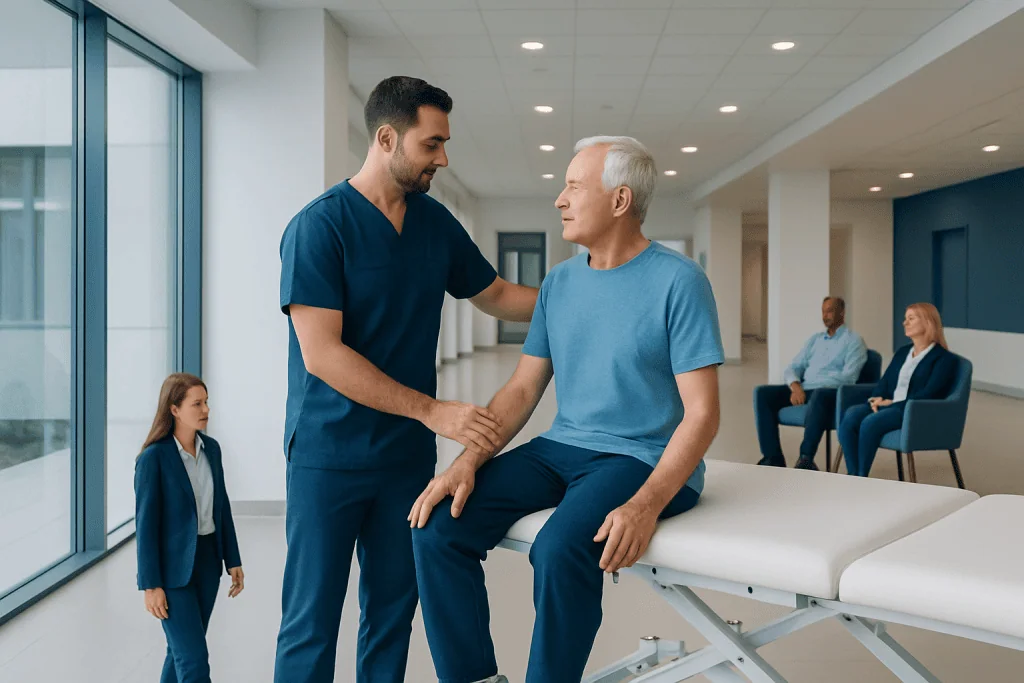
Physiotherapy sessions in Turkey during early recovery begin only when your treating doctor clears you. Early sessions focus on safe walking, transfers, breathing and circulation exercises, and learning your movement restrictions, not on pushing limits. International patient coordinators can arrange interpreters, scheduling and written reports. Before flying home, confirm you are fit to travel and arrange a handover to a local physiotherapist so your care continues without a gap.
Wondering how you will actually manage the first days after treatment, walking to the bathroom, showering, getting dressed in a hotel room far from home? Early recovery feels far more manageable when your physiotherapy plan is organised, paced and supported by a team used to working with international patients.
Clinical guide: Physical Therapy Programhow the procedure is performed, who it suits and the risks to weigh.
This guide explains how physiotherapy sessions in Turkey during early recovery usually work: when they begin, what happens in the first appointment, how to shape your accommodation and daily routine around therapy, how to handle pain and fatigue, and how to prepare a safe handover before you fly home. It does not replace your doctor’s instructions. It helps you ask better questions and avoid the common mistakes patients make when they recover away from home.
At a glance
- Best for: International patients staying in Turkey for early recovery after surgery, injury or hospital treatment
- Main focus: Safe movement, protecting the healing area, daily-activity confidence and preparation for the journey home
- Support available: International patient coordinators, interpreter arrangements, appointment scheduling and written reports for your handover
- When to plan: Raise physiotherapy before discharge, or before you even travel, so sessions fit your length of stay
- Important limit: Every exercise, restriction and start date must come from your treating doctor and physiotherapist, never from online videos or well-meaning companions
What physiotherapy sessions in Turkey during early recovery are meant to do
Early recovery physiotherapy is not about rushing your body or testing your limits. Its job is narrower and more useful: help you move safely, protect the area that is healing, reduce stiffness, prevent avoidable complications from lying still too long, and teach you exactly what you should and should not do in the first days or weeks after treatment.
Depending on your diagnosis and your doctor’s restrictions, your plan may include assisted walking, breathing and circulation exercises, gentle range-of-motion work, posture guidance, safe transfers from bed to chair, stair practice, and education for everyday tasks such as bathing, dressing and getting in and out of a car. None of this is decorative. Each element exists because getting it wrong, a badly judged transfer, a forgotten weight-bearing limit, can set recovery back.
For international patients, physiotherapy sessions in Turkey during early recovery come with an extra layer of logistics: hotel-based recovery, transfers between accommodation and hospital, a companion learning their role, and a flight home with a fixed date. At Acibadem, physiotherapy is coordinated around the medical plan set by your treating team, and international patient services help align appointments with the rest of your stay. That coordination matters more than most patients expect, because the biggest early-recovery risks often sit outside the therapy room, in the hotel bathroom, on the stairs, or in an overambitious afternoon out.
When sessions usually begin and how they are scheduled
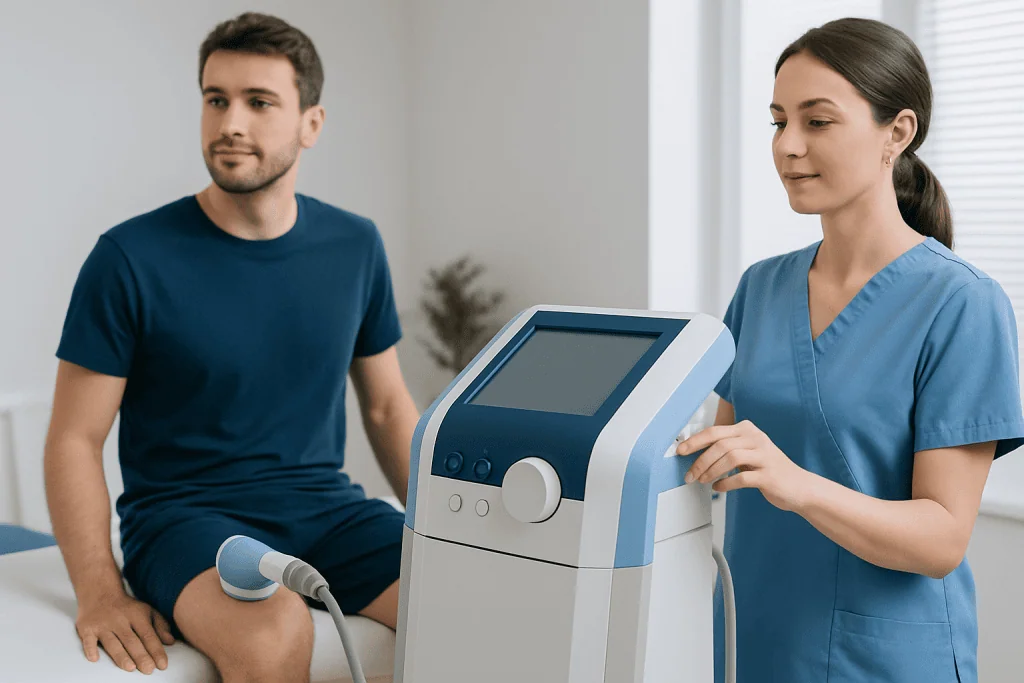
There is no universal start date. The safest time to begin is decided by your doctor and rehabilitation team based on your specific situation. Some patients start gentle movement in hospital soon after surgery. Others wait until pain control, wound healing, blood pressure, imaging or other medical factors are stable. Neither pattern is better; each simply matches a different clinical picture.
Before discharge, ask which format applies to you: inpatient physiotherapy, outpatient sessions at the hospital, hotel-based guidance where appropriate, or a written home exercise plan you follow independently between check-ins. Many patients end up with a combination. If you are travelling to Turkey specifically for treatment, raise physiotherapy scheduling before you arrive, so your recovery days are not overfilled with appointments, transfers and rest periods all competing for the same hours.
International patient coordinators can confirm appointment times, where to go in the hospital, how long transfers realistically take, and whether an interpreter should be booked. Build slack into your schedule. A well-planned recovery day leaves room for dressing changes, follow-up visits, meals, sleep and short walks. If your calendar looks like a full workday, it is too full, say so, and ask your coordinator to spread things out.
One practical habit helps here more than anything else: write things down as you go. A simple record of walking distance, pain, swelling and sleep gives your physiotherapist real information to adjust your plan. Our guide on keeping a daily recovery log during treatment in Turkey shows a format that takes minutes a day.
What to expect at your first physiotherapy session
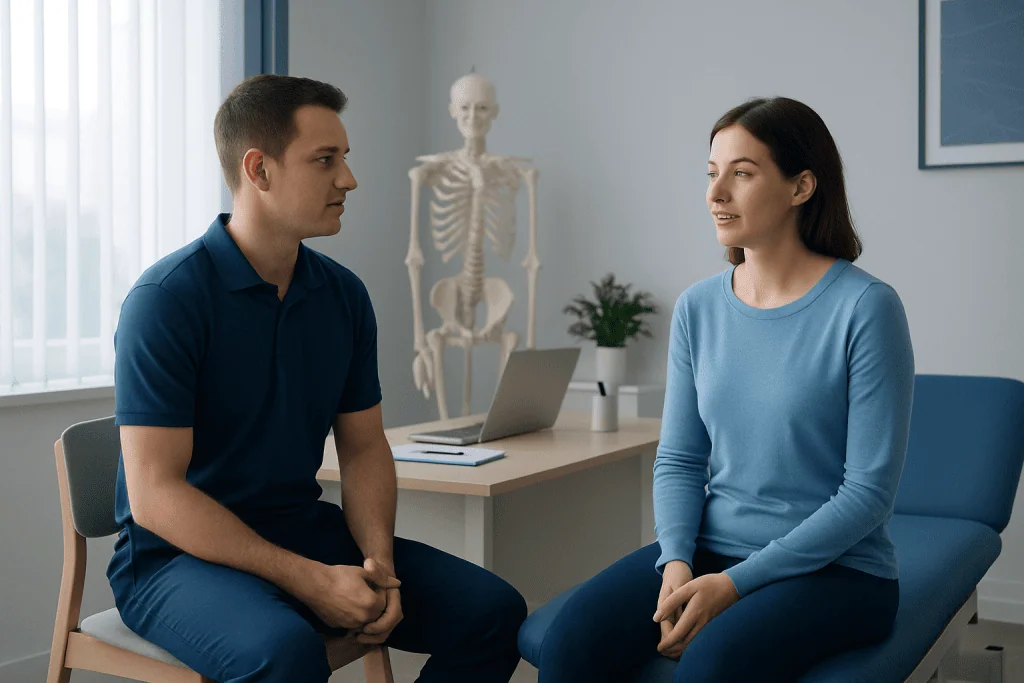
The first session is usually a careful introduction rather than a workout. The physiotherapist reviews your medical instructions, asks about pain and dizziness, watches how you move, observes how you stand or walk, and confirms restrictions, weight-bearing limits, bending precautions, or how to use a brace, walker or crutches.
Expect practical teaching you can actually use that evening in your room: how to get out of bed without straining the healing area, how to hold your walking aid, how often to take short walks, how to recognise the difference between useful effort and warning-sign fatigue, and which exercises are safe to repeat between sessions, with the exact repetitions and frequency. If any instruction is unclear, stop the session and ask for it to be repeated or demonstrated. A misunderstood restriction is worse than a missed exercise.
If English is not your preferred language, request interpreter support in advance rather than on the day. Acibadem can arrange interpretation for many international patients, and it makes a real difference in physiotherapy, where the details, how far to bend, when to stop, what counts as too much pain, carry safety consequences. Bring your discharge documents and medication list if asked, wear comfortable clothing and supportive non-slip shoes, and arrive rested. A first session after a long transfer or a morning of errands teaches your physiotherapist about your tiredness, not your recovery.
Planning your accommodation and daily routine around therapy
Where you stay shapes how you recover. A room with lift access, a walk-in shower where possible, space to turn a walker or move on crutches, and a firm chair with armrests all reduce daily strain. If stairs are unavoidable, tell your care team before discharge so your physiotherapist can decide whether stair practice belongs in your sessions. Our guides on choosing a ground-floor room or elevator access and accessible bathroom safety during recovery cover the questions to ask a hotel before you book.
Structure your day in short, manageable blocks rather than one long effort. A common rhythm: medication as prescribed and breakfast, a therapy session or short walk, rest with elevation if advised, lunch, a second gentle walk, then a quiet evening. Your exact routine must follow your care team’s advice, especially if you have limits on sitting time, lifting, bending or weight bearing. For a fuller framework, see building a safe daily routine during hotel recovery in Turkey.
Your companion is part of this routine, but their role is support, not instruction. They should never improvise exercises, add stretches from memory, or physically force movement. What genuinely helps: tracking appointment times, carrying documents, keeping water within reach, watching your technique against what the physiotherapist demonstrated, and keeping a clear, unobstructed path between bed and bathroom, including at night. Cables, luggage and loose rugs cause more early-recovery setbacks than most exercises ever will.
Circulation, hydration and the habits that support therapy
Physiotherapy sessions in Turkey during early recovery work best when the hours between sessions support them. Three habits matter most.
Keep circulation moving. Long periods of sitting or lying still after surgery raise the risk of blood clots, which is why physiotherapists often teach ankle pumps, foot circles and short frequent walks even before you feel ready for more. Follow the schedule you are given rather than saving movement for one long walk. Our guide on preventing blood clots during recovery in Turkey explains why this matters and what to watch for.
Stay hydrated and eat sensibly. Dehydration worsens dizziness and fatigue, both of which make walking practice less safe. Keep water within arm’s reach and follow any dietary advice from your team.
Respect the effort ceiling. Early recovery is usually the wrong time for sightseeing, long walks or crowded areas unless your doctor has specifically cleared them. Fatigue after treatment builds quietly and arrives suddenly. If you want a practical rule, keep optional activity shorter than your prescribed activity, and see how to stay comfortable during recovery without overdoing it for pacing strategies that actually work in a hotel setting.
Managing pain, fatigue and safe progress
Some discomfort during early movement is expected, and your physiotherapist will help you learn what normal effort feels like for your situation. But the boundary is firm: physiotherapy should feel structured and supervised, never like a test of endurance. Sharp pain, sudden swelling, fever, wound changes or new difficulty moving should be reported to your care team promptly. If you develop chest pain, serious breathlessness, fainting or sudden new weakness, call your local emergency number or go to the nearest emergency department now.
Use the pain-control plan your doctor prescribed, and ask your doctor whether medication timing should relate to your sessions. Do not add over-the-counter medicines, supplements or topical products on your own initiative, some affect bleeding risk, sedation or stomach irritation, or interact with prescribed medicines. Any change to what you take belongs to your treating doctor, not to a pharmacy shelf or a search result.
Measure progress in small, honest wins: standing more confidently, walking to the bathroom without help, managing a few stairs, sleeping through more of the night, remembering your exercises without checking the sheet. Recovery is rarely linear. A harder day after an easier one does not automatically mean something is wrong, but it is always a reason to tell your physiotherapist rather than to quietly push through or quietly stop. Your recovery log gives that conversation substance.
Preparing to fly home after early recovery physiotherapy
Before booking or confirming your return flight, ask your doctor whether you are medically fit to fly and what the journey requires. Depending on your condition, this may include a wheelchair request at the airport, aisle-seat considerations, clearance for your mobility aid, compression guidance, medication timing across the journey, or a letter describing recent treatment and any implanted devices for airport security.
Your physiotherapist can rehearse travel day with you: getting into a car, standing up from a low seat, walking the distances an airport demands, using crutches in a moving environment, and doing simple circulation exercises during the flight. Ask for your home exercise plan in writing, kept deliberately simple and realistic for the first week after you land: the week when motivation dips and supervision disappears.
Acibadem’s international patient services can support the practical side: transfer planning, interpreter assistance for your final instructions, and collecting the reports your local clinicians will need. The single most important step is arranging follow-up with a doctor or physiotherapist at home before you leave Turkey. A confirmed appointment on the other side means your recovery continues without a gap, and it gives you a named person to call if questions come up after departure.
Step by step
- Confirm your medical clearance. Before starting physiotherapy, ask your treating doctor what movements are allowed and what restrictions apply. Make sure you understand weight-bearing limits, wound precautions, brace use and the symptoms that need urgent attention.
- Share your travel and recovery timeline. Tell your care team how long you plan to stay in Turkey and when you expect to fly home. This lets them build a realistic session schedule and prepare written guidance for the journey.
- Arrange language and mobility support early. If you need an interpreter, wheelchair assistance, a walking aid or help navigating the hospital, request it before your appointment, not on the day. Coordinators can confirm where to go and who will meet you.
- Set up your accommodation for recovery. Confirm lift access or plan for stairs, clear a safe path to the bathroom, and position a firm chair and water within reach. Tell your physiotherapist about anything in your room that worries you.
- Prepare for each session practically. Wear comfortable clothing and supportive non-slip shoes, bring documents if requested, take prescribed medication as instructed, and avoid arriving exhausted from errands or long transfers.
- Practise only the exercises you were given. Repeat them exactly as taught, same repetitions, same frequency. Do not copy online videos or add bands, weights or stretches unless your physiotherapist approves them first.
- Track changes and questions. Note pain levels, walking distance, swelling, sleep and dizziness each day, and bring the notes to your next appointment so the plan can be adjusted on evidence rather than memory.
- Plan your handover before leaving Turkey. Ask for your physiotherapy instructions, medical reports and follow-up recommendations in a shareable format. Confirm who to contact after departure and book a local appointment before you fly.
Your checklist
- Doctor’s clearance for physiotherapy and written movement restrictions
- Appointment dates, hospital location and contact details saved on your phone
- Interpreter request confirmed if you prefer support in your own language
- Comfortable clothing, non-slip shoes and any brace or walking aid you were given
- Medication list, allergy information and recent discharge documents
- Accommodation with lift access or a stair plan agreed with your physiotherapist
- Clear, obstacle-free path between bed and bathroom, including at night
- Companion briefed on how to assist without forcing or inventing movement
- Daily recovery log started before your first session
- Flight fitness advice, airport assistance request and a booked follow-up at home
Key takeaways
- Physiotherapy sessions in Turkey during early recovery start only when your treating doctor decides it is safe, and every exercise follows their restrictions.
- First sessions focus on safe movement, transfers, walking aids and daily activities, teaching, not testing.
- Your accommodation, daily routine and companion’s role are as important to safe recovery as the sessions themselves.
- Circulation exercises, hydration and honest pacing between sessions protect the progress you make in them.
- International patient services can arrange interpreters, scheduling, transfers and the reports you need for home.
- Before flying, confirm fitness to travel, rehearse travel-day movements with your physiotherapist and book local follow-up so care continues without a gap.
Frequently asked questions
Can I start physiotherapy immediately after surgery in Turkey?
Only your treating doctor and rehabilitation team can decide when it is safe to begin. Some patients start gentle movement in hospital very early; others need more time because of pain, wound status, monitoring or surgery-specific restrictions. Wait for clearance rather than starting exercises on your own.
How many physiotherapy sessions will I need before returning home?
It varies widely with your treatment, mobility, goals and length of stay. Some patients need a few sessions focused on safe walking and daily activities; others follow a longer plan. Ask your team to separate what must be achieved before you travel from what can safely continue at home.
Will I have an interpreter during physiotherapy sessions?
Interpreter support can often be arranged for international patients, request it before your appointment rather than on the day. Clear communication matters most when learning restrictions, exercise technique, warning signs and travel instructions, where a misunderstanding has safety consequences.
Should my companion attend the session with me?
Often yes, at least in part, especially if they will help you at the hotel or during travel. They can learn how to support you safely, what not to do and when to call for help. The physiotherapist can show them practical techniques such as safe walking support and transfer preparation.
Can I do sightseeing between physiotherapy sessions?
Early recovery is usually not the time for busy sightseeing, long walks or crowded areas unless your doctor has specifically cleared them. Fatigue builds quickly after treatment even when you feel well. Keep activities short, accessible and close to your accommodation, and prioritise rest and appointments.
What should I do if pain increases after a session?
Mild soreness can happen, but sharp, worsening or unusual pain should be reported to your care team. Follow your prescribed pain plan and pause extra exercises until you receive guidance. If pain comes with chest pain, serious breathlessness, fainting or sudden new weakness, call your local emergency number or go to the nearest emergency department now.
Can I follow exercise videos online instead of the plan I was given?
No. Online routines are made for general audiences, not for your surgery, restrictions or stage of healing. Follow only the exercises your physiotherapist taught you, at the repetitions and frequency given, and ask before adding anything, including bands, weights or stretches that seem gentle.
How do I continue physiotherapy after I leave Turkey?
Before departure, ask for written exercise instructions, medical reports and any restrictions your local physiotherapist should know. Book a follow-up appointment at home as early as possible, especially if you need ongoing rehabilitation. Acibadem can help you gather the documents for a smooth handover.
Add us as a Preferred Source to see more of our trusted health content across Google Search, AI Overviews and Discover.

Update history
- PublishedJune 8, 2026
- Medical review approvedSeptember 12, 2026
- Last content updateSeptember 12, 2026
References3
- Physiotherapy: NHS nhs.uk
- Rehabilitation: MedlinePlus medlineplus.gov
- After Surgery: MedlinePlus medlineplus.gov
More Patient Guides

Septoplasty Recovery: Week by Week
Learn what to expect after deviated septum surgery: a week-by-week septoplasty recovery timeline, when it is usually safe to fly home, and…

Gallbladder Surgery Recovery: Week by Week
Learn what to expect after gallbladder surgery: a week-by-week recovery timeline, pain, diet, wound care, when it is safe to fly home…
Robotic Hysterectomy Recovery: Week by Week
Recovery from robotic hysterectomy week by week: pain, lifting, wounds, driving, flying home safely, warning signs and questions to ask before you…

Breast Reconstruction Recovery: Week by Week
DIEP flap recovery week by week: hospital stay, drains, pain, walking, showering, driving, when it is usually safe to fly home, and…