

How to Stay Comfortable During Recovery in Turkey Without Overdoing It
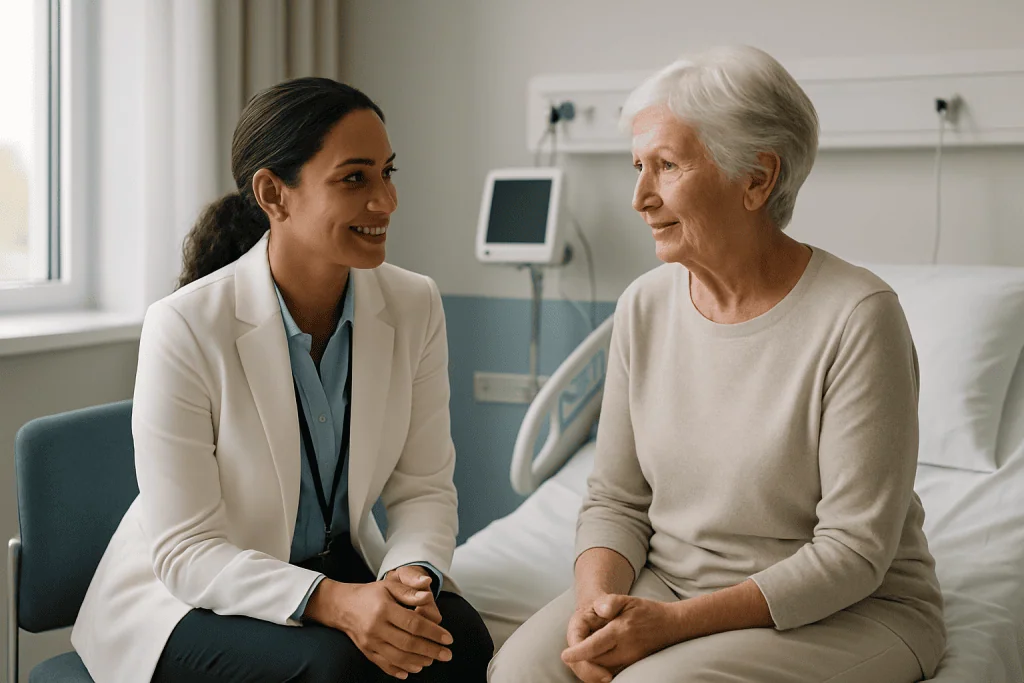
The way to stay comfortable during recovery in Turkey without overdoing it is to treat your stay as a protected healing period, not a holiday with treatment attached. Build a repetitive daily routine, keep movement gentle and doctor-approved, set up your room so essentials are within reach, keep outings functional, and pace yourself using how you feel the day after activity, not how you feel in the moment.
The treatment is done. You are in a hotel room or recovery apartment in Turkey, and the question in your head is a practical one: how much can I actually do? Can you walk to a cafe? Should you stay in bed all day? Neither extreme serves you well. This guide explains how to stay comfortable during recovery in Turkey without overdoing it, pacing, room setup, movement, transport, and the small decisions that make the difference between a calm recovery and an exhausting one.
At a glance
- Best approach: Structured rest with gentle, approved movement, not complete inactivity, not a packed schedule
- Biggest mistake to avoid: Using a good day as proof you can sightsee, shop, or travel
- Most useful tool: A repetitive daily routine that removes decisions and protects energy
- Comfort essentials: Water, medications, loose clothing, pillows, snacks, charger, documents, all within arm’s reach
- The honest measure of a good recovery day: It feels calm, repetitive, and slightly boring
One goal for your stay: recover, don’t perform
Recovering away from home creates a strange pressure. You have flown to Turkey, the country is interesting, and part of you wants to make the trip count: a long meal, a market visit, some photos to show you were here. Part of you may also want to prove to yourself that you are back to normal. Both instincts work against you in the early days.
The most comfortable recoveries tend to belong to patients who lower their own expectations deliberately. Think of your stay as a short period of protected healing rather than a holiday with treatment added on. That single reframe changes almost every decision that follows: whether to walk to the shop or ask someone to go, whether to book the harbour tour or the quiet room, whether to pack the schedule or leave it empty.
Expect your energy to return unevenly. You may feel well in the morning and drained by mid-afternoon, or comfortable one day and stiffer the next. This up-and-down pattern is a normal feature of healing, not necessarily a signal that something is wrong. If you plan your days assuming variation, rather than assuming steady daily improvement, you will be far less tempted to overreach on the days you happen to feel strong. That, more than anything else, is how you stay comfortable during recovery in Turkey without overdoing it.
Build a calm daily routine that protects your energy
Routine is the cheapest comfort tool available to you. Wake, eat, hydrate, take your medications as prescribed, walk briefly if your team has advised it, and rest at roughly the same times every day. A repeating pattern does two things: it removes dozens of small decisions that quietly drain a tired person, and it gives you a stable baseline, so you notice when something about your body genuinely changes rather than guessing.
Work on the “little and often” principle. Instead of one long shower, one big meal, or one ambitious outing, break activities into smaller pieces with rest in between. A short corridor walk, a modest seated meal, and regular sips of water are usually kinder to a healing body than one large effort followed by a crash. If appetite is variable, which is common after anaesthesia and travel, small frequent meals tend to be easier to manage; the guide on planning meals around surgery and recovery in Turkey covers this in more detail.
Some patients find it useful to write the routine down and tick it off. If you like that approach, keeping a daily recovery log gives you a simple record of pain, sleep, fluids, walks, and medication times, useful for your own pacing and genuinely helpful at follow-up appointments, because “how has the week been?” is much easier to answer with notes than from memory.
- Plan at most one main activity outside your room per day, and accept that on some days the right number is zero
- Set phone alarms for medication times, water, and short walks if your care team has recommended them
- Leave generous buffer time before and after appointments so nothing has to be rushed
Make movement gentle, intentional, and doctor-approved
A common mistake is confusing movement with progress. Depending on your procedure, some movement is often encouraged, but more is not automatically better, and the details vary enormously between treatments. Your discharge instructions are the authority on lifting, stairs, showering, bending, driving, and how long you should sit upright. Where those instructions conflict with what a website or another patient says, the instructions win.
If walking is part of your plan, treat it as circulation support, not exercise. Slow, short, frequent walks help many patients feel less stiff after travel or time in bed, and gentle movement of the legs is one part of reducing clot risk during recoveryan area where your team’s specific advice matters and should be followed exactly. The pacing rule is simple: stop before you feel drained, not after. If a walk leaves you needing an hour flat on the bed, tomorrow’s walk should be shorter.
Watch out for hidden exertion. Carrying shopping bags, standing in a pharmacy queue, crossing a large mall, climbing hotel steps, or getting in and out of taxis several times in a day can cost more energy than a deliberate walk ever would, and because none of it feels like “activity”, patients rarely count it. If your recovery includes structured rehabilitation, the guide to physiotherapy sessions during early recovery explains how supervised movement typically fits into the first days and weeks.
Use your environment to stay comfortable
Comfort during recovery is mostly logistics. Not luxury, logistics. A room where you never have to bend, reach, or carry unnecessarily is worth more than a beautiful room where the water is across the room and the bathroom is up a step.
Set the space up on day one. Water, medications, tissues, lip balm, phone charger, documents, and a snack all go within arm’s reach of where you rest. Ask your companion or hotel staff for extra pillows if you need elevation, a kettle if appropriate, or a quieter room if noise is spoiling your sleep: a bad night’s sleep undoes a lot of careful pacing. Loose, front-opening clothing and slip-on footwear reduce awkward reaching and bending.
Location matters too. Accommodation close to your hospital or clinic shortens every follow-up trip and removes a layer of stress. Acibadem’s international patient services coordinate practical details for many visitors, transport planning, interpreter support, guidance on accommodation, and the fewer logistics you have to solve yourself while tired, the more energy is left for healing.
Finally, think about the season. Istanbul in August and Istanbul in January place very different demands on a recovering body: heat, hydration, ice, and daylight hours all change the calculation of what a “short outing” costs. The guide on how weather can affect recovery plans in Turkey is worth reading before you decide how much to attempt outdoors.
Plan transport and outings conservatively
Distances in Turkish cities are deceptive. A journey that looks short on the map can involve traffic, heat, waiting, stairs, and several transitions in and out of vehicles, and transitions are precisely the movements many post-treatment patients find hardest. For any appointment, choose the least stressful route rather than the fastest-looking one, and allow far more time than you think you need. Arriving early and sitting quietly is restful; arriving late and rushed is not.
For the first stretch of recovery, keep outings functional: a follow-up visit, a pharmacy stop, a brief fresh-air walk if your doctor agrees. A boat tour, a long restaurant evening, a bazaar visit, or an all-day family outing can be too much even when you feel emotionally ready, enthusiasm recovers faster than tissue does. There is no prize for touring while healing, and the sights will still be there when you return well.
Be honest about the trip home as well. Feeling improved is not the same as being cleared to fly, and your treating doctor’s advice on travel timing should decide the date, not the airline’s change fee. Packing, airport queues, security, and hours of sitting are physically demanding; treat the journey home as an activity in its own right and plan rest around it.
Pace yourself by the day after, not the moment
Recovery is rarely linear, so day-to-day variation in soreness, swelling, tiredness, sleep, appetite, and mood is expected. The most reliable pacing signal is not how you feel during an activity, adrenaline and novelty mask a lot, but how you feel that evening and the next morning. If an ordinary task like a shower, a short walk, or an appointment leaves you disproportionately wiped out, that is your cue to shrink tomorrow’s plan, not to push through. That evening-and-morning check is the single most dependable way to stay comfortable during recovery in Turkey without overdoing it.
Before discharge, make sure you genuinely understand your instructions: medication timing, wound care, mobility limits, bathing rules, and when your follow-up happens. Your paperwork should also make clear which changes your care team wants to know about and how they can be reached, including out of hours, read that section before you need it, and keep the details saved in your phone and written down. If any instruction is ambiguous, ask for clarification while you are still with the clinical team rather than interpreting it yourself later.
Note that this guide is about comfort and pacing, not about judging symptoms. Your discharge instructions, and the clinical notice at the top of this page, cover that ground, and they take priority over anything written here.
Let support carry the load you don’t need to carry
You do not have to run this recovery alone. If a companion has travelled with you, give them defined jobs: tracking medication times, carrying bags, keeping water topped up, handling the pharmacy run, and saying so plainly when you look overtired. Vague helpfulness creates friction; clear roles conserve everyone’s energy. The guide on how family members can help without disrupting recovery sets out how to divide these tasks well.
If you are recovering without family nearby, hospital-based support matters more. Interpreter assistance, appointment coordination, and help with transfers reduce the decision fatigue that makes solo recovery feel heavier than it needs to be. And keep in touch with people at home in small doses, short calls, a daily message, rather than long draining video sessions.
Be realistic emotionally, too. Recovering abroad can feel isolating even when everything is going well medically. A quiet routine, enough sleep, brief check-ins with loved ones, and modest expectations are not a lesser version of recovery: they are what a well-managed one looks like.
Step by step
- Set up your recovery space on day one. As soon as you reach your hotel, apartment, or recovery accommodation, arrange the room so essentials sit within arm’s reach: water, medications, charger, paperwork, snacks, comfortable clothing. You should not need to bend, stretch, or carry anything routinely.
- Follow your discharge instructions exactly. They are your primary guide even on days you feel better than expected, especially around walking, showering, wound care, lifting, and travel. If anything is unclear, ask the clinical team to clarify rather than interpreting it yourself.
- Plan each day around rest first. Fix your sleep, meals, hydration, and medication times before adding any outing or appointment. Whatever remains after rest is your activity budget, not the other way round.
- Limit early activity to what is necessary. Follow-up visits, a pharmacy stop, approved supplies. Do not treat a good day as evidence you can do everything at once; treat it as a day to bank energy.
- Use help for transport and communication. Where transfer coordination and interpreter support are available, let them absorb the logistics so you are not navigating a foreign city’s details while tired.
- Check in with your body twice a day. A quiet minute each morning and evening to note pain, swelling, energy, appetite, and movement, ideally in a written log, makes trends visible early and gives your follow-up appointments real substance.
- Prepare for the trip home gradually. Spread packing, paperwork, and airport logistics over a day or two, and let your doctor’s advice on travel timing set the date. The journey home should not be the most exhausting part of your recovery.
Your checklist
- Keep your passport, hospital documents, and key contact numbers together in one place
- Store medications with clear, written timing instructions
- Have a large refillable water bottle or easy access to drinks at all times
- Pack loose, easy-to-change clothing and supportive slip-on footwear
- Ask for extra pillows if you need elevation or positioning support
- Arrange simple meals and snacks for the first few days so eating never requires an expedition
- Book the shortest, easiest transport option for every follow-up visit
- Save your hospital and international patient team numbers in your phone, with a written backup
- Keep tourism, shopping, and social plans off the calendar until your team confirms your activity level can rise
Key takeaways
- Treat recovery in Turkey as a protected healing period, not a holiday schedule with treatment attached
- A repetitive daily routine protects your energy and gives you a baseline for noticing real change
- Gentle, doctor-approved movement can help; hidden exertion, queues, stairs, bags, taxis, costs more than it looks
- Comfort is logistics: essentials within reach, accommodation close to the hospital, meals kept simple
- Pace yourself by how you feel the day after an activity, and let your discharge instructions settle anything this guide cannot
Frequently asked questions
Can I do some sightseeing while recovering in Turkey?
It depends on your procedure, your doctor’s advice, and how early you are in recovery. For most patients it is better to delay sightseeing until the care team confirms your activity level can safely increase. If an outing is approved, a short, low-effort one, flat ground, a place to sit, an easy route back, is far more realistic than a full-day plan.
How do I know if I am overdoing it?
Judge by the aftermath, not the moment. If ordinary tasks such as a shower, a short walk, or an appointment leave you disproportionately sore, swollen, or exhausted, or you need much longer than usual to feel recovered afterwards, you are probably doing too much. Shrink the next day’s plan and let your care team’s instructions set the ceiling.
Does extended bed rest help healing?
Not usually, unless your doctor has specifically prescribed it. For many procedures a balance of rest and gentle movement, brief walks, position changes, is what teams recommend, partly for comfort and partly for circulation. The right balance varies by treatment, so follow your individual discharge guidance rather than comparing yourself with other patients.
How long should I plan to stay in Turkey after treatment?
There is no single answer: the recommended stay depends on the procedure, how your early recovery goes, and when your doctor considers travel appropriate. The practical approach is to keep return plans flexible until your team confirms the timing, and to build in room for a final check-up before you fly.
What should I prioritise in my accommodation?
Convenience, quiet, cleanliness, and proximity to your hospital, ahead of luxury or a scenic location. A lift if stairs are difficult, simple meal options nearby, and a room where essentials sit within reach will do more for your recovery than any view. A calm space also protects sleep, which underpins everything else.
What support is available if I am an international patient?
Many international patients use practical support with appointment coordination, interpreting, transport planning, and follow-up scheduling. At Acibadem, international patient services handle much of this coordination, which reduces the number of logistics a tired, recovering person has to manage alone.
Should I travel home as soon as I feel okay?
Feeling okay is only one factor; travel timing should follow your doctor’s advice for your specific treatment. Even when you feel improved, packing, airport procedures, and hours of sitting are physically demanding. Plan the return conservatively, spread the preparation over a couple of days, and leave time for a final check and proper rest before the flight.
Add us as a Preferred Source to see more of our trusted health content across Google Search, AI Overviews and Discover.

Update history
- PublishedJuly 6, 2026
- Medical review approvedSeptember 13, 2026
- Last content updateSeptember 12, 2026
References2
- After Surgery: MedlinePlus medlineplus.gov
- Blood clots: NHS nhs.uk
More Patient Guides
When a Hospital Stay in Turkey Becomes Longer Than Planned: What to Arrange
If your hospital stay in Turkey is longer than planned, arrange medical updates, accommodation, travel changes, insurance and support for your companion.
Waiting for Test Results in Turkey: How to Use Time Between Appointments
Waiting for test results in Turkey is easier with a clear plan for appointments, rest, records, questions and support in Istanbul.

Unexpected ICU Stay in Turkey: What Patients and Families Should Expect
Unexpected ICU stay in Turkey: learn what patients and families can expect, from communication and visiting to care updates and travel support.

How to Manage Special Diets During Medical Travel in Turkey
Special diets during medical travel in Turkey are easier to manage when you share your needs early, confirm meals and carry safe…