

At Acibadem, How We Handle Follow-Up After You Return Home
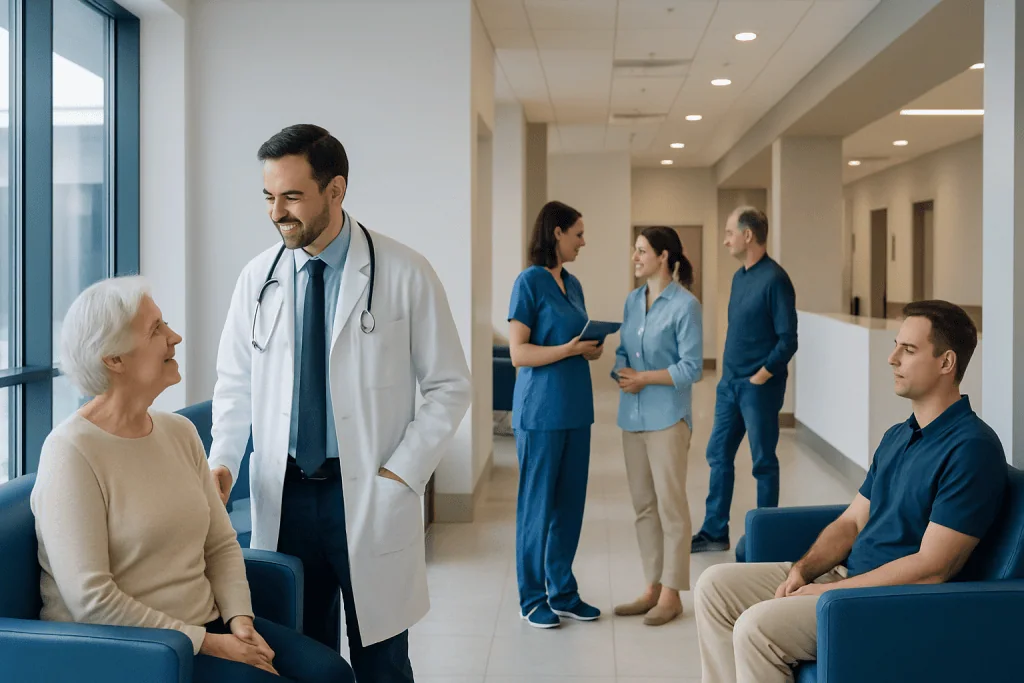
Follow-up at Acibadem starts before you leave the hospital. You are discharged with a written summary, a medication plan, and a defined communication route. After you return home, follow-up may include remote check-ins, review of results you share, and coordination with your local doctor. Urgent problems remain the responsibility of local health services; the remote route exists for planned reviews and non-urgent recovery questions.
What happens once your plane lands and the hospital is a few thousand kilometres away? It is the question most international patients ask before they leave, and it deserves a straight answer rather than a reassuring slogan. This guide explains how we handle follow-up after you return home: what you are given at discharge, how remote communication is organised, what it can and cannot do, and how your own doctor fits into the picture.
At a glance
- Best for: International patients planning their recovery after treatment at Acibadem
- Main focus: Discharge documents, remote follow-up, records, and coordination with your home doctor
- What is set up before you leave: A written discharge summary, a medication plan, and a defined communication route
- What follow-up can include: Scheduled check-ins, review of results you share, and guidance on next steps in your plan
- What follow-up does not replace: In-person examination and the local health services responsible for urgent care
How we handle follow-up after you return home
At Acibadem, follow-up is treated as part of the treatment plan, not an afterthought that begins once something goes wrong. The structure is built before you travel. Your treating team prepares discharge documents, explains how your recovery is expected to progress, and confirms the route through which later questions and updates will move. International patient coordinators handle the practical side: making sure documents are usable, arranging interpreter support where needed, and keeping communication organised across languages and time zones.
Understanding how we handle follow-up after you return home matters for a simple reason: continuity. Treatment abroad creates a gap between the team that treated you and the doctors who will see you afterwards. Follow-up exists to close that gap — so that information about your operation or treatment, your medications, and your expected recovery is available to whoever cares for you next, and so that you know what your own plan actually says.
It is worth being honest about scope from the start. Remote follow-up is a review-and-continuity tool. It works well for planned check-ins, questions about a written plan, and interpretation of results. It is not an emergency service, and it does not replace physical examination. That division of roles is built into how the pathway is designed, and the rest of this guide explains each part in turn.
What a follow-up procedure actually means
Patients searching for information often ask what a follow-up procedure or a follow-up visit is, so it helps to define the terms plainly before describing the logistics.
Follow-up as a concept
A follow-up procedure is any planned contact with a medical team after treatment, arranged to check how recovery is progressing against what was expected. It can be an in-person appointment, a remote consultation, a review of test results, or a combination of these over weeks or months. The word “procedure” here describes a process, not an operation — nothing new is done to you at a routine follow-up unless your plan specifically includes it.
What happens at a follow-up visit
A typical follow-up visit, whether in person or remote, covers a consistent set of ground: how you feel compared with the last contact, whether healing is proceeding as expected, how you are managing your medications, and whether any test results have arrived that change or confirm the plan. The clinician compares your current state against the expected recovery curve for your treatment and confirms, adjusts, or extends the next steps. For international patients, the remote version of this visit relies on what you can share — reports, readings, photographs where appropriate — which is why organised records matter so much.
Why the timing is set in advance
Follow-up intervals are not arbitrary. They are timed to the points where recovery can realistically be assessed: when a wound should have healed, when a blood value should have normalised, when imaging becomes informative. Your discharge plan states these intervals for your specific treatment, which is why it is the single most useful document you take home.
What you usually receive before leaving the hospital
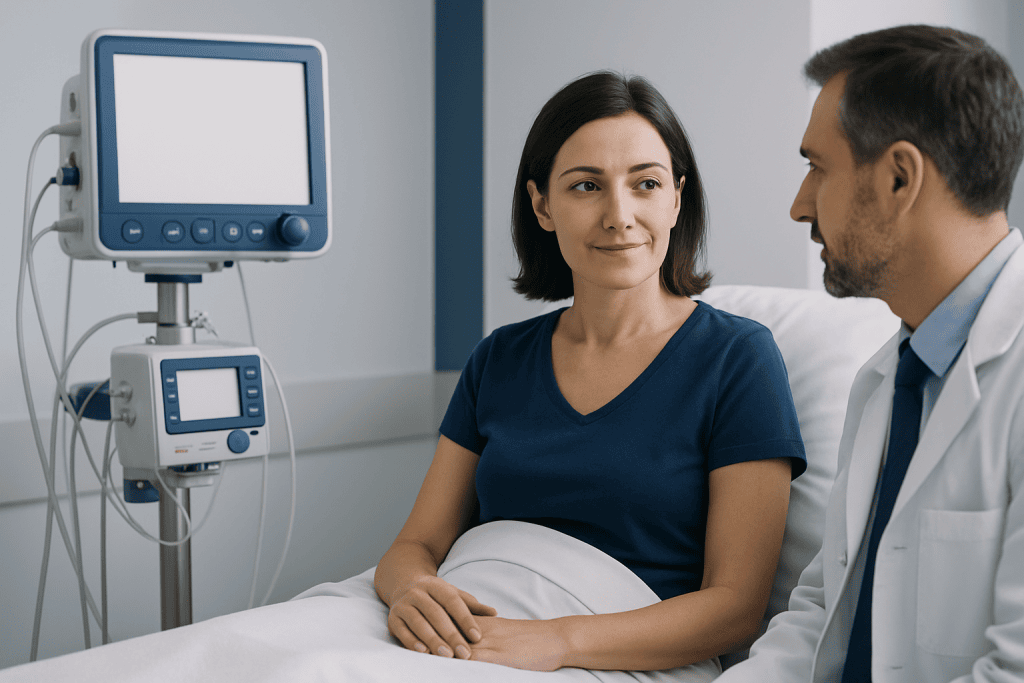
Discharge is the foundation of everything that follows. Before you travel, your treating team explains what was done, how recovery is expected to progress, and what your plan requires next. The details of discharge, follow-up timing, and flying home vary by treatment, but the document set international patients leave with usually includes:
- A discharge summary and treatment report describing what was done and why
- A medication list with names, doses, timing, and duration
- Copies of imaging, laboratory results, or pathology reports where available
- Wound care instructions and expected recovery milestones, where relevant
- A written description of warning signs specific to your treatment
- The contact route for follow-up questions and scheduled check-ins
For international patients, format matters as much as content. A discharge summary is only useful if the doctor reading it at home can actually use it, so coordinators help make sure documents are complete, legible, and available digitally as well as on paper. Interpreter support is available during the discharge conversation itself, which is the right moment to resolve anything unclear — not the departure lounge.
The most useful thing you can do at discharge is translate the plan into practical terms. Ask when you can shower, sit through a long flight, return to desk work, lift weight, exercise, and eat normally. Ask which follow-up tests are needed, at what interval, and what the results should be compared against. If you are travelling home with new prescriptions, our guide on returning home with new medicines covers the documentation and customs side; questions about the medicines themselves belong to your treating doctor before you leave. Small unanswered questions have a way of growing once you are several time zones away.
How remote follow-up and communication are managed
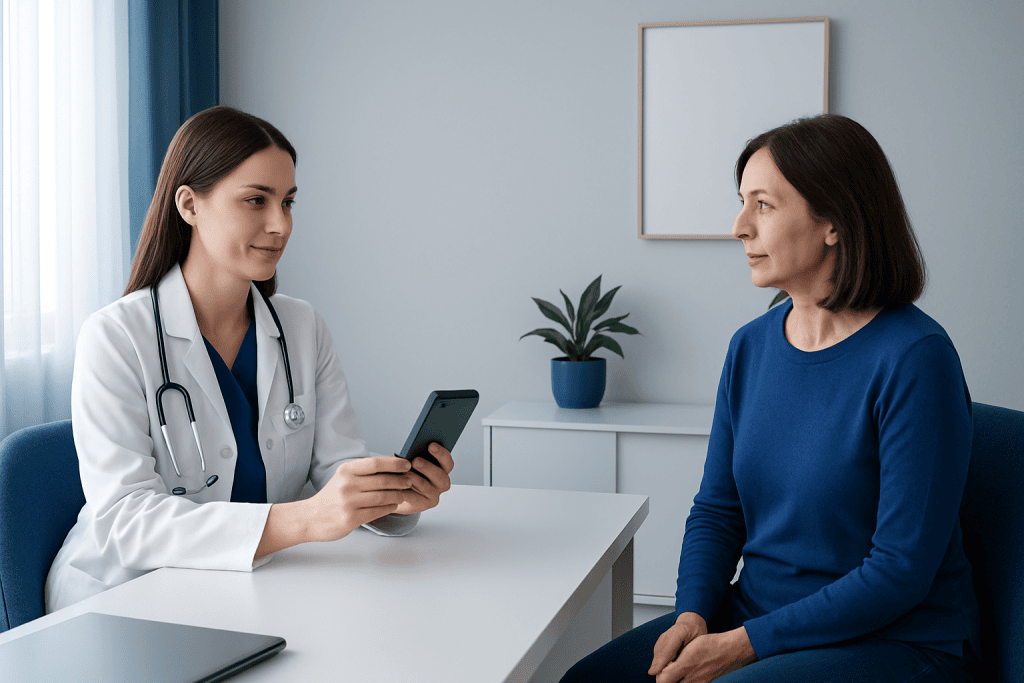
Once you are home, follow-up moves to the remote channel agreed at discharge. What that looks like depends on your treatment. Some patients need a single scheduled check-in to confirm recovery is on track. Others — after cancer treatment, complex surgery, or treatment for a chronic condition — follow a structured plan over months, with defined points for tests, result reviews, and consultations. The shape of remote follow-up after returning home is set by your treating doctor, and the international patient team keeps the logistics moving: scheduling across time zones, interpreter support during remote consultations, and confirmation that documents you send have reached the right clinician.
Remote follow-up works on information, so the quality of what you share determines the quality of what comes back. Useful material includes reports from local tests, blood pressure or temperature logs if your plan asks for them, photographs of a healing wound where your team has requested them, and notes from any local doctor you have seen. Keep all of it in one folder — paper and digital — so a scheduled check-in does not turn into a search for missing paperwork.
Time zones deserve a specific mention because they cause more friction than any medical detail. A message sent in your evening may land outside working hours in Turkey, so agree at discharge what the expected response rhythm is for routine questions. Time differences also affect dosing schedules for regular medicines; our guide to the time-zone medication schedule after returning home explains how that adjustment is planned with your treating doctor before you fly, rather than improvised afterwards.
How coordination with your doctor at home works
Most international patients will see a local doctor at some point after treatment abroad — for repeat prescriptions, blood tests, imaging, wound checks, physiotherapy, or simply because an ongoing condition needs its usual monitoring. Follow-up works best when that doctor is not working blind, and record-sharing is how the two sides of your care stay connected.
The documents that matter most to a home clinician are the discharge summary, the operative or treatment notes, the medication list, and the results of any tests done during your stay. Acibadem prepares these in a format you can hand over or send, and coordinators can tell you which items are most relevant to keep accessible for your particular treatment. If your plan includes laboratory monitoring, it helps to know exactly which test is needed, at what interval, and what the result should be compared against — our guide on planning follow-up blood tests after returning home walks through that in detail.
Where possible, tell your home doctor before you travel that you plan to have treatment abroad. A clinician who expects your return can prepare for it: booking review appointments, anticipating prescription needs, and knowing which records to look for. Coordination is a safety measure, not just a convenience. It reduces the risk of duplicated medicines, missed findings, and two plans that quietly contradict each other. If local advice ever seems to differ from your discharge plan, ask both sides for clarification rather than guessing which version to follow.
The limits of remote follow-up, stated plainly
A credible follow-up system is honest about what it cannot do, so here are the limits.
Remote follow-up cannot examine you. Palpating an abdomen, listening to a chest, and inspecting a wound directly are physical acts, and no consultation over a screen replaces them. Where an in-person assessment is needed, your plan will say so, and it may be a local clinician who performs it.
Remote follow-up is also not an emergency pathway. It runs on scheduled contact and considered review, which is exactly what non-urgent questions need and exactly what urgent problems do not. Emergency care is, everywhere in the world, the job of local emergency services, and the standing clinical notice at the top of this page applies to everything written here. The remote route and local services are complementary parts of one recovery, not alternatives to choose between — and your discharge documents exist partly so that any local clinician who treats you can see precisely what was done in Turkey.
Recovering from a hospital stay once you are home
Recovery often feels easier in hospital, where help is a button away, and then unexpectedly tiring once ordinary life resumes. Planning for that dip is part of good follow-up. Our guide on preparing for recovery once you return home covers the full preparation; the essentials are these:
- Follow the medication plan your treating doctor gave you, without additions or changes made on your own
- Respect the activity and lifting limits in your discharge plan, even on days you feel well
- Keep a short daily note of symptoms, temperature, or readings your plan asks you to track
- Attend local appointments and tests on the schedule your plan sets out
- Arrange help with meals, transport, childcare, or lifting for the first days if you may need it
- Keep your documents, prescriptions, and follow-up schedule somewhere you can reach in seconds
Rest is not a passive extra; it is part of the plan. A steady routine also makes follow-up more useful, because your team can interpret your progress against a stable background rather than a chaotic first week.
Step by step
- Leave Turkey with a plan you actually understand. Before discharge, make sure the written instructions cover medications, activity limits, wound care, travel, and expected milestones — and keep asking until the plan feels practical, not just medically correct.
- Store your records in two formats. Keep the discharge summary, test results, prescriptions, and imaging in one folder, on paper and digitally. Organised records are what make every later step fast.
- Confirm the communication route before you fly. Know which channel carries scheduled check-ins, which carries routine questions, and what the expected response rhythm is across your time-zone difference.
- Brief your home doctor. Hand over or send the discharge summary and medication list, and confirm which local tests or reviews your plan needs and when.
- Understand what each channel is for. The remote route handles planned reviews and non-urgent questions; in-person and emergency assessment belong to local services. Knowing the division in advance removes hesitation later.
- Keep the routine steady. Consistent medication timing, respected restrictions, and a simple symptom log give your follow-up team a clear picture to work from at each check-in.
Your checklist
- Discharge summary saved in paper and digital form
- Medication list read and understood before departure
- Treatment-specific warning signs explained in writing at discharge
- Follow-up schedule and communication route confirmed
- Home doctor informed and given copies of key records
- Copies of scans, laboratory results, and reports collected
- Travel home approved by your treating team
- Practical help at home arranged for the first days if needed
Key takeaways
- Follow-up starts before you leave the hospital, with a written discharge summary, medication plan, and agreed communication route.
- Remote follow-up covers scheduled check-ins, review of shared results, and continuity of your treatment plan — it does not replace in-person assessment.
- Coordinators and interpreters keep communication workable across languages and time zones.
- Sharing complete records with your home doctor is a safety measure, not a courtesy.
- Organised documents and a steady routine make every later step of follow-up simpler.
Frequently asked questions
What is a follow-up procedure?
A follow-up procedure is any planned contact with a medical team after treatment — an appointment, a remote consultation, or a results review — arranged to check recovery against what was expected. The word describes a process, not an operation: nothing new is done at a routine follow-up unless your plan specifically includes it.
What happens at a follow-up visit?
The clinician reviews how you feel compared with the last contact, checks healing and medication use, looks at any new test results, and confirms or adjusts the next steps in your plan. Remote versions cover the same ground using the documents, readings, and reports you share.
Will Acibadem still support me after I return home?
Yes. Follow-up is part of the international patient pathway, though its exact shape depends on your treatment. In practice it means a written discharge plan, a defined communication route, scheduled check-ins where your plan requires them, and coordination support from the international team.
Can follow-up be done remotely from my home country?
Often, yes — for progress reviews, discussion of results, and questions about your written plan. Remote follow-up supports continuity, but it cannot examine you, and in-person or urgent assessment remains the role of health services where you live.
What documents should I keep with me after discharge?
The discharge summary, medication list, prescriptions, and any available test, imaging, or pathology reports. Keep both printed and digital copies so you can share them quickly with a local doctor or bring them to any appointment.
Should I tell my local doctor that I had treatment in Turkey?
Yes, and ideally before you travel. A doctor who knows what treatment you had, and who can read your Acibadem records, can support prescriptions, tests, and recovery monitoring far more safely than one working without the full picture.
What if I do not understand part of my aftercare plan?
Resolve it before you leave Turkey where possible — the discharge conversation, with interpreter support if needed, is the right moment. Questions that surface later are handled through the follow-up route set up at discharge, which exists precisely for clarifying the written plan.
How do I recover well from a hospital stay once I am home?
Follow the medication and activity plan your treating doctor gave you, keep a simple daily note of your progress, attend local tests and appointments on schedule, and arrange practical help for the first days. Rest and routine are part of the plan, not extras alongside it.
Add us as a Preferred Source to see more of our trusted health content across Google Search, AI Overviews and Discover.

Update history
- PublishedJune 22, 2026
- Medical review approvedAugust 31, 2026
- Last content updateAugust 31, 2026
References2
- CDC Travelers' Health — Medical Tourism — wwwnc.cdc.gov
- MedlinePlus — After Surgery — medlineplus.gov
More Patient Guides

Need a Blood Transfusion in Turkey? What International Patients Should Know
Blood transfusion in Turkey is provided after blood typing, compatibility testing and clinical review, with international patient support available in Istanbul.
8 min read
When You May Need ICU Care After Surgery in Turkey
ICU care after surgery in Turkey may be planned for close monitoring or needed if recovery requires extra support. Learn what to…
8 min read
Medical Records Privacy in Turkey: Consent, Sharing, and Patient Rights
Medical records privacy in Turkey gives you rights to informed consent, confidential care, record access and controlled sharing during treatment in Istanbul.
8 min read
When to Delay Travel for Treatment in Turkey Because of Cold, Flu, or Fever
Delay travel for treatment in Turkey if you have fever, worsening flu symptoms, or breathing difficulty; contact your care team before flying.
8 min read