

Bone Marrow Transplant in Turkey: Treatment Guide

A bone marrow transplant in Turkey usually means several weeks as an inpatient, plus more time staying near the hospital for early outpatient checks before you are cleared to fly home. Planning starts with an online review of your records, then in-person tests. Whether you need your own cells or a donor's shapes the timeline, and full recovery continues for months.
If you or your child has been told a bone marrow transplant may be needed, you are probably weighing two things at once: is this the right treatment, and how do we manage months away from home? This guide is written for both questions.
It explains how bone marrow transplant, also called hematopoietic stem cell transplant, is planned and delivered for international patients in Turkey. You will find what happens during candidate evaluation, which transplant options exist, how long the hospital stay and recovery usually take, what affects cost, and how travel is arranged. It also covers the follow-up support available through Acibadem International.
At a glance
- Procedure type: Hematopoietic stem cell transplant using bone marrow, peripheral blood stem cells or cord blood
- Purpose: To replace or restore blood-forming cells after intensive treatment or to treat selected blood, immune and metabolic diseases
- Anesthesia: Usually not required for the transplant infusion itself; sedation or anesthesia may be used for catheter placement or marrow collection
- Hospital stay: Commonly several weeks, depending on transplant type, blood count recovery and infection risk
- Estimated recovery: Early recovery takes weeks; immune recovery and energy improvement may continue for months or longer
- Return to daily life: Gradual, usually after physician clearance, with infection precautions and follow-up monitoring
- Final result timeline: Engraftment is assessed in the first weeks; deeper recovery and disease response are followed over months to years
- Suitable department: Hematology, Pediatric Hematology and Bone Marrow Transplant Unit
- International patient support: Medical coordination, interpreter support, airport transfers, accommodation guidance and remote follow-up planning
What is this treatment?
A bone marrow transplant is a treatment that replaces or restores the body’s blood-forming stem cells. These cells normally live in the bone marrow and produce red blood cells, white blood cells and platelets. The medical term is hematopoietic stem cell transplant, because stem cells can be collected from bone marrow, circulating blood or, in selected cases, umbilical cord blood.
The transplant itself is usually given through a vein, similar to a blood transfusion. Before this step, you receive a carefully planned conditioning treatment, which may include chemotherapy and sometimes other medicines or radiotherapy, depending on your disease and transplant type. The aim is to make space for healthy stem cells, treat remaining disease and help the new cells settle in the marrow.
There are two main categories. In an autologous transplant, your own stem cells are collected and returned after intensive therapy. In an allogeneic transplant, stem cells come from a donor whose tissue type is compatible with yours. Acibadem International supports patients through the detailed evaluation, donor planning, inpatient transplant period and follow-up coordination required for this complex treatment.
When is it recommended?
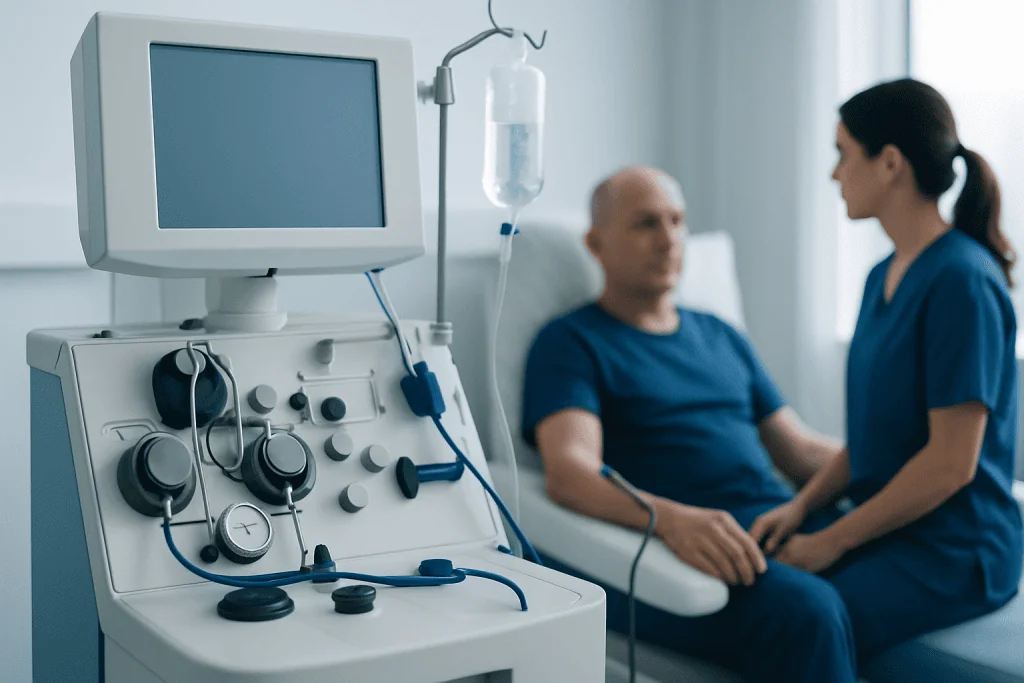
Bone marrow transplant may be recommended when a specialist team believes it offers a meaningful treatment option for a serious blood, immune or marrow condition. It is used in selected patients with diseases such as leukemia, lymphoma, multiple myeloma, aplastic anemia, myelodysplastic syndromes, certain inherited immune deficiencies, some metabolic diseases and other rare disorders. The exact indication varies widely between adults and children.
Recommendation depends not only on the name of the disease, but also on its stage, genetic and molecular features, response to previous treatment, general health and available alternatives. For some patients, transplant is part of first-line treatment; for others, it is considered after relapse or when standard therapies are unlikely to provide durable control.
The decision is always individualized. A hematology or pediatric hematology team reviews your medical records, pathology reports, imaging, laboratory results and previous therapies before advising whether transplant is suitable. In some cases, additional tests are needed to clarify disease status or to compare transplant with other treatment options.
Who is a good candidate?

A good candidate is someone whose condition is likely to benefit from transplant and whose body can safely tolerate the preparation, inpatient care and recovery period. Doctors evaluate heart, lung, kidney and liver function, current infection status, performance level, nutrition, previous treatments and emotional readiness. Age alone is not the only factor; overall fitness and disease biology are very important.
For allogeneic transplant, donor suitability is also central. A matched sibling, matched unrelated donor, partially matched family donor or cord blood source may be considered depending on availability and urgency. The transplant team also evaluates blood group, tissue typing, donor health and the risks and benefits of each donor option.
You may not be ready for transplant if there is an uncontrolled infection, unstable organ function, active disease that needs further treatment first or a temporary medical issue that increases risk. This does not always mean transplant is impossible. It may mean that treatment must be optimized before moving forward, and your team will explain the safest path.
Treatment options
Autologous stem cell transplant uses your own previously collected stem cells. It is commonly considered in selected patients with multiple myeloma, lymphoma and some other conditions. Because the cells are your own, there is no graft-versus-host disease; however, it is still an intensive treatment and requires careful infection prevention while blood counts recover.
Allogeneic transplant uses stem cells from a donor. It may be recommended for certain leukemias, marrow failure syndromes, myelodysplastic syndromes, inherited immune disorders and other diseases where a new blood and immune system may be beneficial. Donor sources may include a matched sibling, matched unrelated donor, haploidentical family donor or cord blood, depending on your situation.
Conditioning regimens may be myeloablative, meaning more intensive, or reduced-intensity, meaning adjusted for patients who may not tolerate full-intensity therapy. The stem cell source may be peripheral blood, bone marrow or cord blood. Supportive care, infection prevention, transfusion support, nutrition care and post-transplant medicines are also part of the treatment plan, not separate extras.
For children and adults, the most appropriate approach can differ. At Acibadem, multidisciplinary teams may include hematologists, pediatric hematologists, infectious disease specialists, intensive care specialists, transfusion medicine teams, nurses, pharmacists, dietitians and international patient coordinators to help align the transplant plan with your medical and practical needs.
Online evaluation before travel
International patients often begin with an online medical evaluation before deciding to travel. This helps the medical team understand your diagnosis, urgency, previous treatments and whether a transplant consultation in Turkey is appropriate. It also helps you receive realistic information about expected length of stay, caregiver needs and which documents are required.
You will usually be asked to share pathology reports, bone marrow biopsy results, flow cytometry, cytogenetic or molecular testing, imaging, discharge summaries, chemotherapy records, current medications and recent blood tests. If a donor has already been tested, HLA typing and donor health information are also important. Clear copies in English are helpful; if they are in another language, your coordinator can advise what should be translated.
An online review is not the same as final medical clearance. The transplant plan may change after in-person examination, updated tests and review of original pathology or imaging. Still, this first step gives you a safer, more organized way to plan travel and avoid unnecessary delays after arrival.
Before the treatment
Before transplant, you will have a detailed pre-transplant assessment. This may include blood tests, infection screening, heart and lung evaluations, kidney and liver function tests, dental review, imaging, disease reassessment and consultations with relevant specialists. The aim is to reduce preventable risks and confirm that the planned transplant remains appropriate.
If an autologous transplant is planned, stem cells must be collected in advance. This usually involves medicines that help stem cells move into the blood, followed by a collection procedure called apheresis. If an allogeneic transplant is planned, donor testing, eligibility checks and collection scheduling are coordinated carefully so the donor cells are available at the right time.
You may need a central venous catheter for chemotherapy, transfusions, blood tests and the stem cell infusion. Your team will explain infection precautions, nutrition advice, fertility considerations where relevant, vaccination history, medication changes and what your companion should expect. It is important to tell your doctors about all medicines, supplements, allergies and previous complications from anesthesia or chemotherapy.
What happens during the treatment
The treatment begins with admission to a specialized transplant unit. Conditioning therapy is given first according to your protocol. During this time, nurses and doctors monitor you closely, manage nausea or mouth discomfort if it occurs, support hydration and nutrition, and check blood tests frequently.
The stem cell infusion usually takes place through your central line. Many patients are surprised that the transplant day itself can feel less dramatic than the preparation period. The cells travel through the bloodstream to the bone marrow, where they begin the process of engraftment, meaning they start producing new blood cells.
After the infusion, there is a waiting period while blood counts are low. You may need antibiotics, antiviral or antifungal medicines, transfusions, pain control, mouth care, nutritional support and protective precautions. For allogeneic transplant, you may also receive medicines to reduce the risk of graft-versus-host disease, a condition where donor immune cells can react against the body.
Hospital stay and discharge
Hospital stay after bone marrow transplant is usually measured in weeks rather than days. The exact duration depends on the type of transplant, how quickly your blood counts recover, whether you develop fever or other complications, and how stable you are with eating, drinking and walking. Your room environment, visitor rules and hygiene precautions are designed to reduce infection risk while your immune system is vulnerable.
Discharge is considered when your team is confident that you are clinically stable, your blood counts are recovering or safely manageable, you can take necessary medicines, and you have a clear follow-up plan. You and your companion will receive instructions about temperature checks, medication schedules, food safety, catheter care if needed and when to contact the hospital.
Many international patients remain near the hospital after discharge for early outpatient controls before being cleared to travel home. This period is important because some issues appear after leaving the inpatient unit. Acibadem International coordinators help align appointments, interpreter support and practical arrangements so you can focus on recovery.
Recovery timeline
Recovery after bone marrow transplant is gradual and varies from person to person. Early milestones include engraftment, infection control, improved appetite and safe discharge. Longer-term milestones include immune rebuilding, medication tapering where appropriate, vaccination planning and disease response monitoring.
The timeline below is a general guide only. Your transplant type, diagnosis, age, donor source, complications and previous treatments can make recovery faster or slower. Always follow the schedule and restrictions given by your own transplant physician.
| Timeframe | What to expect |
|---|---|
| First 24 hours | Stem cell infusion is completed and you are monitored for reactions, vital signs, fluid balance and symptoms related to conditioning treatment. |
| First week | Blood counts are usually low. You may need transfusions, infection prevention, mouth care, nutrition support and close monitoring for fever or side effects. |
| Weeks 2-4 | Engraftment may occur during this period, though timing varies. Doctors assess blood count recovery, infections, organ function and readiness for discharge or outpatient care. |
| Months 1-3 | Energy and appetite may improve gradually. Follow-up remains frequent, and infection precautions, medication adherence and monitoring for graft-versus-host disease may be needed. |
| Final result | Disease response and immune recovery are assessed over months and sometimes longer. Some patients require ongoing therapy, vaccinations, monitoring or additional interventions. |
Feeling tired, needing rest and having changes in taste or appetite can be part of recovery. The most important point is not to compare your progress with another patient’s timeline; your team will interpret your tests and symptoms in the context of your own condition.
What to avoid after treatment
After transplant, your immune system needs time to recover. You may be advised to avoid crowded indoor spaces, contact with people who are unwell, unapproved raw foods, unsafe water sources, gardening soil, construction dust and certain pets or animal waste during the highest-risk period. These restrictions are usually adjusted as your immune system improves.
You should not start vitamins, herbal products, supplements or over-the-counter medicines without asking your transplant team. Some products can interact with anti-infection medicines, immune-suppressing medicines or liver and kidney function. Alcohol, smoking and recreational drugs can also interfere with recovery and should be discussed honestly with your doctor.
Avoid delaying medical contact if you feel unwell. After transplant, symptoms that seem minor can need early assessment. Also avoid non-urgent travel, dental work, live vaccines or strenuous exercise until your physician confirms they are safe for you.
Risks and possible complications
Bone marrow transplant is a complex treatment, and risks differ according to transplant type, disease, conditioning regimen and personal health. Possible complications include infections, bleeding due to low platelets, anemia, mouth sores, nausea, diarrhea, fatigue, liver or kidney strain, lung problems and reactions to medicines or transfusions. Supportive care is a major part of transplant medicine because many side effects can be prevented, detected early or managed.
In allogeneic transplant, graft-versus-host disease can occur when donor immune cells affect organs such as the skin, liver or digestive tract. It can be mild or more serious and may occur early or later. Your team will use preventive medicines when appropriate and monitor symptoms closely.
Other possible concerns include delayed engraftment, graft failure, infertility, hormonal changes, cataracts, bone health changes, relapse of the original disease or need for further treatment. These possibilities can feel overwhelming, but they are exactly why transplant is performed in a specialized unit with experienced monitoring. Your doctors will explain your individual risk profile before treatment, without making guarantees.
Warning signs: when to contact a doctor
After transplant, early communication is one of the best ways to stay safe. Your discharge plan will include contact numbers and instructions for urgent and non-urgent concerns. If you are unsure whether a symptom matters, it is better to ask your transplant team.
- Fever, chills or feeling suddenly unwell
- Shortness of breath, chest pain or persistent cough
- Bleeding that does not stop, black stools, blood in urine or unusual bruising
- Severe or persistent vomiting, diarrhea or abdominal pain
- New or spreading rash, yellowing of the eyes or skin, or severe itching
- Confusion, severe headache, fainting, seizure or marked drowsiness
- Pain, redness, swelling or discharge around a catheter site
- Inability to take prescribed medicines or keep fluids down
- Reduced urination, sudden swelling or rapid weight change
- Any symptom that is rapidly worsening or feels concerning to you
If you have returned home, contact your local emergency service when urgent care is needed, and inform the Acibadem team as soon as possible. Keeping your transplant summary and medication list with you helps local doctors understand your situation quickly.
Results and expectations
The goals of bone marrow transplant vary. For some patients, the aim is long-term disease control or remission. For others, it is to restore marrow function, correct an immune problem or create a new blood-forming system after intensive therapy. Your doctor will explain what success means in your specific diagnosis and how it will be measured.
Results are followed through blood tests, bone marrow examinations, imaging, donor chimerism tests for allogeneic transplant and disease-specific markers. Some early results can be seen within weeks, such as blood count recovery, while deeper disease response and immune recovery may require months or longer.
It is important to have realistic expectations. Not every transplant achieves the desired outcome, and some patients need additional treatment, donor lymphocyte infusion, maintenance therapy or, rarely, another transplant. Your team will discuss these possibilities in a balanced way and tailor follow-up to your needs.
International patient travel planning
Travel planning for bone marrow transplant requires more preparation than many elective treatments. You may need to stay in Turkey for the inpatient transplant period and for early outpatient monitoring afterward. Your companion plays an important role in helping with communication, medicines, meals, transport and emotional support, especially after discharge.
Before travel, confirm passport validity, visa requirements, insurance documents, medical records, donor-related documents if applicable and the expected length of stay. You should also discuss fitness to fly, infection precautions during travel and whether any urgent treatment is needed before departure from your home country.
After transplant, travel clearance depends on your clinical condition, blood counts, infection status, medication needs and follow-up arrangements. Acibadem International can assist with interpreter services, airport transfers, accommodation guidance near the hospital and coordination with your home physician for remote follow-up.
Cost and package information
The cost of bone marrow transplant depends on many factors, including the diagnosis, transplant type, donor source, conditioning regimen, length of hospital stay, laboratory monitoring, blood product needs, medications, infection management, intensive care needs if required and follow-up schedule. Allogeneic transplant can involve additional donor search, donor testing, collection and compatibility processes.
A typical treatment quotation may include medical consultations, pre-transplant tests, inpatient transplant care, standard nursing care, stem cell infusion, routine monitoring, certain medications and planned follow-up visits during the defined package period. The exact inclusions must be reviewed in writing because transplant care can change based on your clinical course.
Items that may not be included can include flights, visas, accommodation outside the hospital, companion expenses, non-standard tests, unexpected complications, prolonged hospitalization, special donor search costs, some medicines after discharge and care provided after returning home. Acibadem International provides individualized quotations after medical review, without using one-size-fits-all pricing for this complex treatment.
Why choose Acibadem
Bone marrow transplant requires a coordinated hospital environment, specialized laboratory support, experienced nursing and rapid access to multiple specialties. Acibadem’s JCI-accredited hospitals provide structured quality and safety processes, transplant-focused units and multidisciplinary teams for adult and pediatric patients. This is especially important for international patients who need clear planning before, during and after travel.
Your care may involve hematology, pediatric hematology, infectious diseases, radiology, pathology, transfusion medicine, intensive care, pharmacy, nutrition and rehabilitation support. The goal is not only to perform the transplant, but also to manage the weeks of monitoring and supportive care that surround it.
Acibadem International also helps with the practical side of treatment in another country. Interpreter support, medical appointment coordination, airport transfers, accommodation guidance and remote follow-up communication can make the process more understandable for you and your family.
Medical review and disclaimer
This guide has been reviewed by the Acibadem International medical team. It is designed to give general information about bone marrow transplant in Turkey and to help international patients prepare informed questions for their doctors.
The information here does not replace a personal consultation, physical examination or review of your medical records by a qualified physician. Bone marrow transplant suitability depends on diagnosis, disease status, organ function, donor availability, previous treatment and many individual factors.
No medical outcome can be guaranteed. Your final treatment plan, expected benefits, risks, recovery timeline and travel clearance must be confirmed by your transplant physician after a complete evaluation.
Step by step
- Initial contact. You contact Acibadem International and share your diagnosis, current location, preferred language and main questions. A coordinator explains the information needed for medical review.
- Medical record and photo submission. You send relevant medical records, including pathology, bone marrow biopsy reports, blood tests, imaging, treatment summaries and donor information if available. For transplant, medical documents are more important than photos.
- Preliminary medical review. The hematology or pediatric hematology team reviews your case to assess whether transplant evaluation in Turkey is appropriate and whether more documents or tests are needed.
- Treatment plan and quotation. If suitable for evaluation, you receive a preliminary plan that outlines likely transplant type, expected assessments, approximate length of stay and a personalized quotation based on available information.
- Travel planning. Your coordinator helps you plan arrival dates, visa considerations, accommodation, airport transfer and companion arrangements. You are advised what to bring and how to travel safely.
- Arrival. When you arrive in Turkey, international patient services assist with transfer and appointment coordination. Interpreter support is arranged when needed.
- In-person consultation. You meet the transplant physician for examination, record review and discussion of goals, risks, alternatives and expected recovery. The plan may be updated after this visit.
- Pre-operative tests. You complete pre-transplant tests such as blood work, infection screening, imaging, heart and lung evaluation, disease reassessment and donor-related testing if needed.
- Treatment. You are admitted to the transplant unit, receive conditioning therapy and then receive the stem cell infusion through a vein. Supportive care continues throughout.
- Hospital stay. You remain in the hospital while blood counts are low and until your team confirms that recovery is stable enough for discharge or outpatient monitoring.
- First control. After discharge, you attend early follow-up visits for blood tests, symptom review, medication adjustment and monitoring for infection or graft-versus-host disease if applicable.
- Discharge and travel clearance. Your physician confirms whether it is safe to travel home and provides a medical summary, medication plan, precautions and follow-up schedule.
- Remote follow-up. After returning home, Acibadem can coordinate remote communication and share information with your local physician when appropriate. You continue scheduled monitoring as advised.
Your checklist
- Valid passport and visa documents if required
- Complete medical history and current diagnosis summary
- List of all medications, supplements and recent chemotherapy or immunotherapy
- Known allergies and previous reactions to medicines, transfusions or anesthesia
- Previous surgery and hospitalization records
- Bone marrow biopsy, pathology, flow cytometry, cytogenetic and molecular test reports
- Recent blood tests, infection screening results and organ function tests
- Imaging reports and discs or digital links, such as CT, PET-CT or MRI where relevant
- Previous treatment protocols, discharge summaries and response assessments
- HLA typing and donor information if already performed
- Current symptoms, fever history, transfusion needs and infection history
- Contact details for your local hematologist or treating physician
Key takeaways
- Bone marrow transplant may be considered for selected blood cancers, bone marrow failure syndromes, immune disorders and some inherited diseases after specialist evaluation.
- Your transplant plan depends on your diagnosis, disease status, organ function, previous treatments, donor availability and whether an autologous or allogeneic transplant is appropriate.
- International patients should usually plan for a longer stay in Turkey than for many other treatments, because monitoring during low blood counts and early immune recovery is essential.
- Recovery is gradual and requires infection precautions, medication adherence, nutrition guidance and scheduled follow-up after returning home.
- Urgent medical contact is needed for fever, breathing difficulty, uncontrolled bleeding, severe diarrhea, new rash, confusion or any rapidly worsening symptom.
Frequently asked questions
Is bone marrow transplant the same as stem cell transplant?
In many conversations, the terms are used together. The broader medical term is hematopoietic stem cell transplant, because the cells may come from bone marrow, peripheral blood or cord blood. Your doctor will explain which source is planned for you and why.
How do I know if I am suitable for a transplant?
Suitability depends on your diagnosis, disease status, previous treatment response, organ function, infection status and overall fitness. For allogeneic transplant, donor availability is also important. A transplant physician must review your records and examine you before making a recommendation.
How long should I plan to stay in Turkey?
Bone marrow transplant usually requires a longer stay than many other medical treatments. You should plan for inpatient care lasting several weeks plus an outpatient monitoring period before travel clearance. Your exact timeline will be estimated after medical review and updated during recovery.
Can I travel alone for bone marrow transplant?
A companion is strongly recommended and may be required by your treatment team, especially after discharge from the transplant unit. You may feel tired, need help with medicines and need support attending follow-up visits. Your coordinator can help explain companion expectations before you travel.
Is the transplant infusion painful?
The stem cell infusion itself is usually given through a vein and is not typically painful. Some procedures around the transplant, such as central catheter placement or bone marrow collection from a donor, may involve local anesthesia, sedation or anesthesia. Your team will explain comfort measures in advance.
What factors influence the cost?
Cost depends on transplant type, donor source, conditioning regimen, hospital stay, tests, medications, blood products, complications and follow-up needs. Because transplant care can change based on your clinical condition, a personalized quotation is prepared after medical review. Prices should always be assessed together with what is included and excluded.
What are the main safety concerns after transplant?
The main concerns include infection, bleeding, low blood counts, medicine side effects and, in allogeneic transplant, graft-versus-host disease. These risks are managed through protective precautions, frequent tests and rapid treatment when symptoms appear. You will receive clear instructions on warning signs before discharge.
When will I feel normal again?
Recovery is gradual and varies widely. Some patients notice improvement within weeks, while fatigue and immune recovery can continue for months or longer. Your doctor will guide activity, diet, work, school and travel based on your blood tests and overall condition.
Will I need follow-up after returning home?
Yes. Follow-up is essential after bone marrow transplant and may include blood tests, medication adjustments, infection monitoring, vaccination planning and disease response checks. Acibadem can provide medical summaries and remote coordination to support communication with your local doctor.
Can results be guaranteed?
No medical team can guarantee a transplant outcome. Results depend on the disease, transplant type, donor match, complications, response to treatment and many individual factors. Your physician will discuss realistic goals, alternatives and possible next steps for your specific case.
Add us as a Preferred Source to see more of our trusted health content across Google Search, AI Overviews and Discover.

Update history
- PublishedJune 9, 2026
- Medical review approvedAugust 25, 2026
- Last content updateAugust 24, 2026
References3
More Patient Guides

HoLEP in Turkey: How It Compares With TURP and What Recovery Involves
HoLEP in Turkey treats enlarged prostate tissue with laser enucleation; learn how it compares with TURP, recovery, travel and follow-up.

Porcelain Veneers in Turkey: Who Is Suitable and How Many Visits Are Needed?
Porcelain veneers in Turkey can enhance tooth shape and colour in two visits for suitable patients after a personalised dental assessment.

How to Prepare for a Sedation Procedure in Turkey
Prepare safely for a sedation procedure in Turkey with guidance on fasting, medicines, travel, recovery and follow-up.

Treatment Delays in Turkey: What Happens If Tests or Recovery Change Your Schedule
Treatment delays in Turkey can happen if tests or recovery change your plan. Learn how to manage appointments, travel, accommodation and follow-up.