JCI-accredited · 45+ hospitals & clinics · 90+ countries served · 24/7 multilingual support
Treatment Guides

Breast Augmentation in Turkey: Treatment Guide
12 min read Published June 9, 2026 Updated June 26, 2026 Written by Dr. Şule Eren
What is this treatment? — breast augmentation in turkey
Quick answer

Breast augmentation is a cosmetic surgery that increases breast volume and reshapes the breasts using implants or, in selected cases, fat transfer. At Acibadem in Turkey, treatment is planned individually after surgical assessment, with the technique, implant type, and incision approach chosen according to body anatomy, aesthetic goals, and recovery considerations.

Medically reviewed by the Acıbadem International Medical Board — June 20, 2026

Dr. Bahadır Kaynarkaya, MD Dr. Şule Eren, MD

This guide explains what you can expect when considering breast augmentation in Turkey, including implant and fat transfer options, preparation, recovery, travel planning and follow-up. It is designed to help you ask the right questions and feel prepared before making a medical decision.

At a glance

  • Procedure type: Plastic and reconstructive surgery
  • Purpose: To enhance breast size, shape, symmetry or restore volume after pregnancy, weight changes or previous surgery
  • Anesthesia: Usually general anesthesia
  • Hospital stay: Often day surgery or 1 night, depending on your plan and medical evaluation
  • Estimated recovery: Initial recovery commonly takes 1-2 weeks; swelling continues to improve over several weeks
  • Return to daily life: Many patients resume light daily activities within several days, with surgeon approval
  • Final result timeline: Breast shape and implant position usually settle gradually over 3-6 months or longer
  • Suitable department: Plastic, Reconstructive and Aesthetic Surgery
  • International patient support: Online medical review, interpreter support, airport transfers, accommodation guidance and remote follow-up

What is this treatment?

Breast augmentation, also called augmentation mammoplasty, is a surgical procedure designed to increase breast volume, improve breast shape or enhance symmetry. It is most commonly performed using breast implants, although fat transfer may be appropriate for selected patients who prefer a modest and natural-looking increase.

The procedure is highly individualized. Your surgeon evaluates your chest width, breast tissue, skin quality, nipple position, body proportions and personal goals before recommending implant type, size, placement and incision location. The aim is not simply to make the breasts larger, but to create a result that looks balanced for your body.

For international patients considering breast augmentation in Turkey, planning includes both medical and travel details. At Acibadem International, your journey can begin with an online evaluation, followed by an in-person consultation, hospital-based surgery, early post-operative checks and remote follow-up after you return home.

When is it recommended?

When is it recommended? — breast augmentation in turkey

Breast augmentation may be recommended when you want to increase breast volume, restore fullness after pregnancy or breastfeeding, improve mild asymmetry, or achieve a more proportionate body contour. Some patients consider surgery after weight loss, aging-related volume changes or previous breast procedures.

It may also be part of a broader breast surgery plan. For example, if the breasts have significant sagging, breast augmentation alone may not create the desired shape, and a breast lift may be discussed. If there is a previous implant problem, implant exchange or revision surgery may be more appropriate than a first-time augmentation plan.

The decision should be based on your personal wishes, realistic expectations and a medical assessment. A qualified plastic surgeon will explain what breast augmentation can and cannot achieve, including scar position, implant visibility or feel, and the possibility that future revision may be needed.

Who is a good candidate?

Who is a good candidate? — breast augmentation in turkey

You may be a good candidate if you are in generally good health, have stable expectations and understand the recovery process. Ideal candidates do not have active breast infection, uncontrolled medical conditions or untreated breast concerns that require evaluation before cosmetic surgery.

Your anatomy is an important factor. Skin elasticity, existing breast tissue, chest shape, breast asymmetry and nipple position influence the safest and most suitable plan. If you have very little natural breast tissue, your surgeon may recommend specific implant placement or size limitations to reduce the risk of an unnatural appearance.

You should also be emotionally ready for a permanent body change while understanding that implants are not lifetime devices. They may require monitoring, replacement or revision in the future. If you smoke, use certain medications or have a history of wound healing problems, your surgeon may ask for extra precautions or a delay until risks are better controlled.

Treatment options

The most common option is breast augmentation with implants. Implants can vary in filling material, shape, surface, projection and size. Your surgeon will recommend an option based on your tissue thickness, desired look, lifestyle and long-term considerations. The choice should be made with careful measurement rather than cup size alone, because bra sizing varies widely.

Implant placement may be above the chest muscle, partially under the muscle, or in a dual-plane position. Incisions are commonly placed in the fold under the breast, around the areola or in selected cases in another location. Each technique has advantages and limitations related to scar visibility, implant coverage, recovery and breast anatomy.

Fat transfer breast augmentation uses liposuction to remove fat from one area of your body and inject it into the breasts. This may be suitable for a modest increase and soft contouring, but it cannot usually achieve the same volume change as implants. Some transferred fat may be reabsorbed, so results can vary and more than one session may sometimes be discussed.

Other options include hybrid breast augmentation, which combines implants with fat transfer for selected contour refinements, and revision breast surgery for patients who already have implants. If there is sagging, a breast lift with implants may be recommended. Your Acibadem plastic surgeon will help you compare these options safely during your consultation.

Online evaluation before travel

Before you travel to Turkey, an online evaluation helps the medical team understand your goals and identify any issues that may affect planning. You may be asked to share photographs, medical history, previous surgery details, medication use, allergies and any relevant breast imaging or test results.

This remote review does not replace an in-person examination, but it can help determine whether breast augmentation appears reasonable to consider. It may also help your team estimate the likely procedure type, length of stay and travel schedule. If your history suggests the need for additional tests or specialist review, you can be informed before booking travel.

Clear communication is especially important for international patients. You should describe your preferred breast size, shape and concerns honestly, but also remain open to medical advice. Photographs showing desired proportions may be helpful, while understanding that another person’s exact result cannot be duplicated because anatomy differs.

Before the treatment

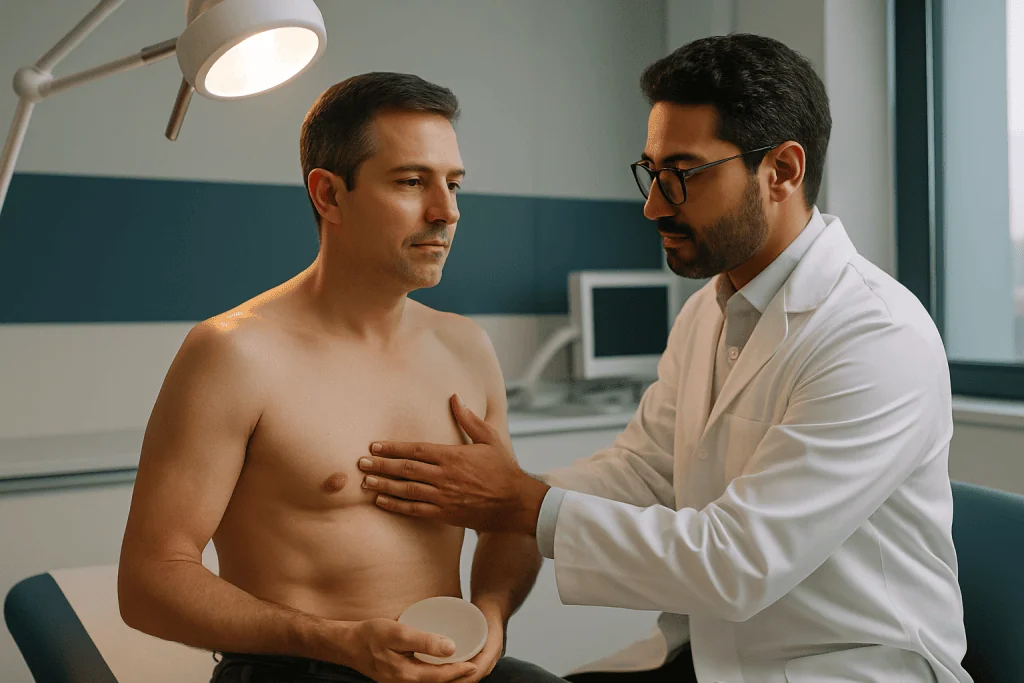
Before surgery, you will have an in-person consultation with your plastic surgeon. The surgeon will examine your breasts and chest, discuss implant choices or alternative techniques, review scar locations and explain the expected recovery. You will also have the opportunity to ask questions about safety, limitations and long-term care.

Pre-operative tests are performed according to your age, health status, anesthesia needs and hospital protocols. These may include blood tests, imaging, electrocardiogram or anesthesiology assessment. If breast screening is appropriate for your age or history, your doctor may recommend completing it before surgery.

You may be asked to stop smoking before and after surgery, avoid certain medications or supplements that can increase bleeding risk, and follow fasting instructions before anesthesia. Do not stop prescribed medication on your own; always follow the plan provided by your doctor and anesthesia team.

What happens during the treatment

Breast augmentation is usually performed under general anesthesia in an operating room. After anesthesia begins, the surgeon makes the planned incision, creates a precise pocket for the implant or prepares the breast for fat transfer, and then shapes both sides as symmetrically as possible. The incision is closed with sutures and dressings are applied.

If implants are used, the surgeon checks implant position, breast balance and soft tissue coverage during the operation. If fat transfer is part of the plan, liposuction is performed first from selected donor areas, and the processed fat is carefully injected into the breast tissue in small amounts.

The exact duration depends on the surgical plan, whether other procedures are combined and your individual anatomy. After surgery, you are monitored in the recovery area by trained medical staff. Pain control, nausea prevention and early mobility instructions are provided according to your needs.

Hospital stay and discharge

Some breast augmentation patients may be discharged the same day, while others stay overnight for monitoring and comfort. Your surgeon and anesthesia team will decide what is safest based on your procedure, health status and recovery after anesthesia. International patients may appreciate an overnight stay because it provides early supervision before returning to the hotel.

Before discharge, your medical team will explain wound care, showering instructions, bra or garment use, medication schedule and activity limits. You will be told when to attend your first control visit and how to contact the hospital if you have concerns.

You should not travel alone immediately after surgery. If you do not have a companion, Acibadem International patient services can help coordinate practical support such as transfers and interpreter assistance, while your medical team focuses on your clinical care and safe discharge planning.

Recovery timeline

Recovery after breast augmentation is gradual. You may feel tightness, pressure, swelling and mild bruising in the early period. These symptoms are usually expected, but they should improve over time rather than suddenly worsen. Your surgeon’s instructions are the most important guide because recovery varies by technique and individual healing.

Timeframe What to expect
First 24 hours Monitoring after anesthesia, breast tightness, swelling and the need for rest. You should have assistance and avoid driving.
First week Light walking is encouraged. You may feel soreness and limited arm movement. A surgical bra or supportive garment may be recommended.
Weeks 2-4 Many patients feel more comfortable with daily activities. Swelling improves, but heavy lifting and strenuous exercise are usually still restricted.
Months 1-3 Breasts gradually soften and settle. Scars begin to mature, and your surgeon may allow progressive return to more active routines.
Final result Final shape, implant position and scar appearance continue to refine over several months. Individual healing and implant type can influence the timeline.

Remote follow-up may be arranged after you return home. You may be asked to send photos and updates so the team can assess healing and advise whether local medical evaluation is needed for any concern.

What to avoid after treatment

After breast augmentation, avoid heavy lifting, intense exercise, swimming and upper-body strain until your surgeon confirms it is safe. Sudden arm movements, lifting luggage or carrying children too early can increase discomfort and may affect healing. Gentle walking is usually encouraged to support circulation.

You should avoid smoking and nicotine products because they can impair wound healing. Alcohol should be avoided while taking prescribed pain medication or antibiotics, and you should follow your doctor’s instructions regarding any regular medicines. Do not apply creams, oils or scar products to incisions unless your surgeon approves them.

Sleeping position, bra use and showering instructions may vary depending on the technique. In general, you should protect the incision areas, keep follow-up appointments and avoid judging the final result too early. Early swelling and tightness can make breasts look higher or firmer than they will later appear.

Risks and possible complications

Like all surgery, breast augmentation has potential risks. These may include bleeding, infection, delayed wound healing, visible scarring, changes in nipple or breast sensation, asymmetry, fluid collection, pain or anesthesia-related complications. Most concerns can be managed more effectively when identified early.

Implant-related risks can include implant malposition, rippling, implant rupture, capsular contracture, changes over time and the possibility of future revision surgery. Implants may also affect some breast imaging techniques, so you should always inform imaging providers that you have implants.

Fat transfer has its own considerations, including partial fat absorption, oil cysts, firmness, calcifications or the need for additional treatment. Your surgeon will explain how these possibilities relate to your chosen technique. A careful examination and realistic sizing can help reduce avoidable risks, but no surgical outcome can be guaranteed.

Warning signs: when to contact a doctor

Some swelling, bruising and tightness are expected after breast augmentation. However, certain symptoms should be reported promptly to your surgeon or a medical professional, especially if they are new, worsening or one-sided.

  • Fever, chills or feeling generally unwell
  • Sudden increase in breast swelling, tightness or severe pain
  • Marked redness, warmth, pus, bad odor or opening of the incision
  • Significant bleeding or rapidly expanding bruising
  • Shortness of breath, chest pain, fainting or rapid heartbeat
  • Calf pain, leg swelling or sudden difficulty walking
  • New nipple or skin color changes that concern you
  • Persistent vomiting or inability to take prescribed medication

If you are already back in your home country, contact Acibadem International remote follow-up services and seek local urgent medical care if symptoms are severe. It is better to ask early than to wait when a symptom feels unusual.

Results and expectations

Breast augmentation can improve breast volume, shape and body proportion, but results vary from person to person. Your starting anatomy, implant choice, tissue quality, healing response and lifestyle all influence the final appearance. Early swelling can make the breasts look different from the final result.

It is important to have realistic expectations. Surgery can enhance your natural proportions, but it cannot create perfect symmetry or guarantee a specific cup size. Small differences between the breasts are normal, and some asymmetry may remain even after careful planning.

Breast implants require long-term awareness. You may need future follow-up, imaging when recommended, implant replacement or revision surgery at some point. Your surgeon will explain how to monitor your results and when to seek medical advice in the years after surgery.

International patient travel planning

When planning breast augmentation in Turkey, allow enough time for arrival, consultation, pre-operative testing, surgery, early recovery and your first control visit. The exact length of stay depends on your treatment plan and how you heal. It is wise not to schedule a return flight too soon after surgery.

Pack comfortable front-opening clothing, supportive shoes, any regular medications in original packaging and copies of your medical documents. Avoid heavy luggage after surgery; if possible, travel with a companion or arrange assistance. Your care team can advise when you may fly, based on your recovery and surgical details.

Acibadem International supports patients with airport transfers, interpreter services, appointment coordination and accommodation guidance. These services can make the medical journey easier, especially if you are visiting Turkey for the first time or do not speak Turkish.

Cost and package information

The cost of breast augmentation depends on several factors, including the surgical technique, implant type, whether fat transfer or a breast lift is included, anesthesia needs, hospital stay, pre-operative tests and the complexity of your case. Revision surgery is often more complex than first-time augmentation and may require a different plan.

A typical medical package may include surgeon evaluation, hospital services, operating room use, anesthesia, standard pre-operative tests, implants when applicable, hospital stay if planned, nursing care and early control visits. International service packages may also include coordination support, interpreter assistance and transfers, depending on the arrangement provided to you.

Items that may not be included can vary and may involve flights, accommodation, companion expenses, additional imaging, extra consultations, treatment for unrelated medical conditions, extended hotel stays or unplanned additional care. You should request a written quotation that clearly explains what is included and what is not before confirming travel.

Why choose Acibadem

Acibadem International provides care through JCI-accredited hospitals with established processes for international patients. Breast augmentation is performed by plastic surgery teams supported by anesthesiology, nursing, imaging and laboratory services in a hospital environment designed for safe surgical care.

Your treatment journey is coordinated from the first online contact through in-person consultation, surgery, discharge and follow-up. Interpreter support helps you understand medical information clearly, while international patient services can assist with transfers and accommodation guidance.

Choosing a hospital-based provider is especially important for surgery involving anesthesia and post-operative monitoring. At Acibadem, your suitability is assessed medically, your plan is individualized, and your expectations are discussed carefully so that you can make an informed decision.

Medical review and disclaimer

This guide has been reviewed by the Acibadem International medical team. It is intended to provide general information for international patients considering breast augmentation in Turkey and to help you prepare questions for your consultation.

The information here does not replace a personal consultation, physical examination or advice from a qualified physician. Diagnosis, treatment recommendations and travel clearance can only be made after your medical history, examination findings and test results are evaluated by the appropriate healthcare professionals.

Suitability for breast augmentation varies from person to person. Your surgeon will explain the benefits, alternatives, limitations and risks relevant to your case before any treatment decision is made.

Step by step

  1. Initial contact. You contact Acibadem International and share your main goals, preferred travel dates and any immediate questions about breast augmentation in Turkey.
  2. Medical record / photo submission. You are asked to provide medical history, medication details, allergies, previous surgeries, relevant test results and standardized breast photos for preliminary review.
  3. Preliminary medical review. The medical team reviews your information to assess whether breast augmentation appears appropriate to consider and whether any additional documents are needed.
  4. Treatment plan and quotation. A preliminary plan and written quotation are prepared, including the likely procedure type, hospital arrangements and what is typically included or excluded.
  5. Travel planning. International patient services help coordinate appointment dates, airport transfers, interpreter needs and accommodation guidance based on your medical schedule.
  6. Arrival. You arrive in Turkey and are guided to your hotel or hospital appointments according to the plan shared before travel.
  7. In-person consultation. Your plastic surgeon examines you, confirms your goals, discusses implant or fat transfer options, explains scars and risks, and finalizes the surgical plan.
  8. Pre-operative tests. You complete the required blood tests, imaging or anesthesia assessment so the team can confirm you are ready for surgery.
  9. Treatment. Breast augmentation is performed in the operating room under anesthesia using the agreed technique and safety protocols.
  10. Hospital stay. You are monitored after surgery, receive pain control and nursing care, and are supported with early mobility and recovery instructions.
  11. First control. Your surgeon checks your incisions, swelling, implant position or fat transfer areas, and confirms the next stage of aftercare.
  12. Discharge / travel clearance. When your surgeon confirms that early healing is satisfactory, you receive discharge instructions and guidance on when it is appropriate to travel.
  13. Remote follow-up. After returning home, you may share updates or photos with the team and receive guidance on healing, activity progression and when to seek local care if needed.

Your checklist

  • Valid passport and travel documents
  • Full medical history, including chronic conditions
  • List of current medications and supplements
  • Known allergies, especially to medications, latex or anesthesia
  • Details of previous surgeries, including any prior breast surgery
  • Current breast symptoms, lumps, pain, discharge or skin changes if present
  • Recent breast imaging or screening results if available or recommended
  • Clear breast photos as requested for online evaluation
  • Smoking or nicotine use history
  • Pregnancy, breastfeeding or recent major weight change information
  • Emergency contact and companion details if traveling with someone
  • Questions about implant size, shape, scars, recovery and long-term follow-up

Key takeaways

  • Breast augmentation may suit you if you want fuller breasts, improved symmetry or restored volume, but suitability must be confirmed by a plastic surgeon.
  • Options may include silicone implants, selected cases of fat transfer, or a hybrid approach; the best choice depends on your anatomy and expectations.
  • International patients should usually plan enough time in Turkey for consultation, pre-operative tests, surgery, early recovery and a first control visit.
  • Recovery is gradual: light activity may return within days, while exercise, heavy lifting and final settling require more time and surgeon guidance.
  • Watch for increasing pain, fever, sudden swelling, wound changes, breathing symptoms or calf pain, and contact your care team promptly if they occur.

Frequently asked questions

Am I suitable for breast augmentation?

Suitability depends on your general health, breast anatomy, skin quality, expectations and medical history. A plastic surgeon must examine you and review your records before confirming whether breast augmentation is appropriate. In some cases, a breast lift, revision surgery or another option may be recommended instead.

How long should I stay in Turkey for breast augmentation?

Your recommended stay depends on your surgical plan and early healing. You should allow enough time for consultation, pre-operative tests, surgery, recovery and at least one control visit before flying home. Your team will advise a safe travel timeline after evaluating your case.

Which is better: implants or fat transfer?

Neither option is best for everyone. Implants are usually more suitable when a larger and more predictable volume increase is desired, while fat transfer may suit selected patients seeking a modest enhancement with their own tissue. Your surgeon will explain which option fits your anatomy and goals.

Will breast augmentation leave scars?

All surgical incisions leave scars, but surgeons place them in planned locations to make them as discreet as possible. Scar appearance depends on incision type, healing, genetics and aftercare. Scars usually change and mature over time.

When can I return to work or daily activities?

Many patients return to light daily routines within several days, but this varies depending on the procedure and your job. Desk work may be possible earlier than physically demanding work. Heavy lifting, intense exercise and upper-body strain should wait until your surgeon approves.

Is breast augmentation safe?

Breast augmentation is a commonly performed surgical procedure, but it still carries risks such as bleeding, infection, scarring, sensation changes, implant-related issues and anesthesia-related complications. Choosing an experienced surgical team and following pre- and post-operative instructions helps support safety. Your personal risk profile must be assessed by a physician.

How is implant size chosen?

Implant size is chosen through a combination of your goals, chest measurements, existing breast tissue, skin stretch and surgeon recommendations. Cup size alone is not a reliable guide because bra sizing varies. The safest plan balances your desired look with what your tissues can support.

Can I combine breast augmentation with a breast lift?

Yes, some patients benefit from combining augmentation with a breast lift, especially when there is significant sagging or low nipple position. The combined procedure is more complex than augmentation alone and may involve different scars and recovery considerations. Your surgeon will recommend this only if it is suitable for your anatomy.

What affects the cost of breast augmentation in Turkey?

Cost is influenced by implant type, surgical technique, anesthesia, hospital stay, pre-operative tests, whether a lift or fat transfer is included, and whether the procedure is a revision. International patient services and package inclusions may also vary. You should request a written quotation that clearly states what is included and excluded.

Will my results look natural?

Natural-looking results depend on implant choice, placement, your body proportions, tissue coverage and healing. A surgeon can guide you toward a size and shape that fits your frame, but no exact appearance can be guaranteed. Results also change as swelling reduces and implants settle.

Can I fly after breast augmentation?

You should not fly immediately after surgery unless your surgeon confirms it is safe. Most patients need time for early recovery and a control visit before traveling. During travel, follow your doctor’s advice about movement, hydration, garment use and warning signs.

Will I need another surgery in the future?

Breast implants are not considered lifetime devices, and future surgery may be needed for implant exchange, revision, capsular contracture, rupture, cosmetic changes or personal preference. Fat transfer results may also change with weight fluctuations and aging. Your surgeon will explain long-term monitoring and follow-up recommendations.

Add Acıbadem on Google

Add us as a Preferred Source to see more of our trusted health content across Google Search, AI Overviews and Discover.

Share this page
Was this content helpful?
Your feedback helps us improve.
Dr. Şule Eren
Dr. Şule Eren, MD
Author
View profile →
Keep Reading

More Patient Guides

We’re With You at Every Step

How can we help you today?

We value your privacy We use essential cookies to run this site and, with your consent, analytics cookies to understand how it is used and improve it. You can accept, reject, or choose what to allow. See our Cookie Policy.