

Fit to Fly Certificate After Surgery: Who Needs One and How to Get It

Fit-to-fly clearance after surgery in Turkey is a decision made by your treating surgeon or specialist team, not by a calendar date. Before you travel, they review your wound, pain, mobility, medications and any surgery-specific risks, then confirm in writing that you are stable enough to fly. Keep your return ticket flexible until that assessment is done, and carry your discharge documents in hand luggage.
You have had your operation, you are starting to feel better, and the next question is the practical one: when can you actually get on the plane home? For international patients, that answer does not come from a calendar or a booking confirmation. It comes from your treating medical team, at a pre-departure check, based on how your body is actually recovering.
This guide explains what fit-to-fly clearance after surgery in Turkey involves: who makes the decision, what your team checks before clearing you, which documents you should carry, and how to plan the airport and flight so the journey does not undo your recovery. It also covers what Acibadem’s international patient services can and cannot do to help you coordinate the trip home.
At a glance
- Who clears you: Your treating surgeon or specialist team — sometimes with input from other specialists
- Best time to raise it: Before booking your return flight, ideally before treatment begins
- Key documents: Discharge summary, fit-to-fly letter, medication list, follow-up plan — all in hand luggage
- Main travel risks after surgery: Bleeding, infection, poorly controlled pain, immobility, blood clots, fatigue
- Airline paperwork: Varies by carrier — check requirements directly and request assistance in advance
- Helpful support: Interpreter services, airport assistance, coordination of discharge, hotel stay and follow-up
What fit-to-fly clearance after surgery in Turkey actually means
Fit-to-fly clearance is a medical confirmation that, based on your condition at the time of assessment, your treating team considers you stable enough for air travel. It is a judgement about your recovery on a particular day, for a particular journey. It is not a guarantee that nothing will happen in the air, and no honest doctor will present it as one. What it does is reduce avoidable risk: your wound, pain control, mobility, medications and any surgery-specific concerns are checked before you leave, rather than discovered mid-flight.
Flying places real demands on a recovering body. You sit for long periods, which slows circulation in the legs. Cabin air is dry, which contributes to dehydration. Cabin pressure at cruising altitude is lower than at sea level, which matters after certain procedures — particularly those involving the chest, the abdomen, the eyes, the ears or trapped air anywhere in the body. Add airport queues, security checks, luggage and disrupted sleep, and even a short flight becomes a physical task. Your team weighs all of this against the type of operation you had, how recently it took place, the anaesthesia used, and whether anything during or after treatment needs more watching.
At Acibadem, fit-to-fly planning is normally folded into the wider discharge process for international patients. The aim is that you leave with clear written instructions, translated documents where appropriate, and a plan for what to do if you feel unwell during the journey or after you land. If you want a broader picture of travel timing by procedure type, read After Surgery in Turkey: When Is It Safe to Fly Home? alongside this guide.
When to discuss your return flight
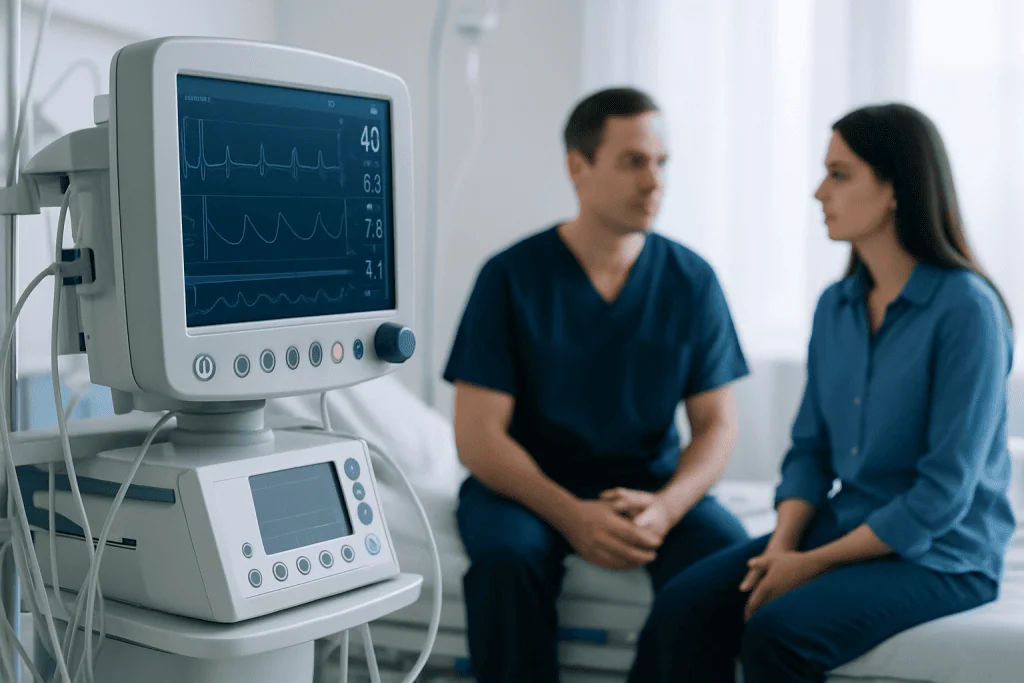
Raise the return journey before treatment begins, not after. When you receive your treatment plan, ask directly: what is the usual minimum stay after this procedure, and what would extend it? Your team can give you a realistic range, but it remains an estimate until they see how you recover. The practical consequence is simple — book flexible tickets, or hold off on a fixed return date until your doctor confirms travel is appropriate. A change fee is cheaper than a medical problem at thirty thousand feet, and far less disruptive than boarding before your body is ready.
Some patients are ready to travel soon after minor procedures; day surgery often allows a shorter stay, though even then you should check back with your team rather than board if new symptoms appear. Other operations need days or weeks of monitoring, wound checks and follow-up visits before flying is sensible. Procedures involving the chest or abdomen, operations with a higher bleeding risk, and treatments that affect how you sit or walk tend to need longer. Your surgeon guides you on your individual recovery — not on a general travel rule, and not on what another patient with a similar operation was told.
If you already have a flight booked, tell your international patient coordinator as early as possible. They can help align hospital discharge, your hotel stay, follow-up appointments, transport to the airport and any airline paperwork around that date — or help you change it. If your medical team advises delaying travel, take the advice. Occasionally recovery needs extra nights in hospital, and building slack into your plans from the start makes that far easier to absorb.
What your medical team checks before clearing you

The pre-departure assessment is practical and focused on the journey ahead of you, not on paperwork for its own sake. Depending on your operation, your team may review:
- Vital signs and general stability — temperature, blood pressure, heart rate, and how you have trended since the operation
- Wound healing and bleeding risk — whether the incision is closing as expected and whether any drainage is normal for the stage you are at
- Pain control — whether your current plan will realistically hold through a long day of travel; this guide to pain control after surgery explains what a workable plan looks like
- Mobility — whether you can walk airport distances, transfer into a seat, sit for the flight duration and manage steps or ramps
- Everyday function — eating, drinking and using the bathroom without difficulty
- Your understanding — of your medication schedule and of the warning signs that would mean stopping and seeking help
Surgery-specific factors matter too. Drains, catheters, casts, compression garments, oxygen needs or mobility aids all change what travel looks like, and some require airline notification. If you had a procedure where air pressure changes are relevant, your specialist will give timing advice specific to it. If you have heart, lung, clotting or immune-system concerns, the clearance decision may involve more than one specialist — patients treated under cardiovascular surgery or thoracic surgery, for example, often need dedicated advice about cabin pressure and oxygen before any long flight.
One point deserves emphasis: be honest about symptoms, even if you fear they will delay your flight. Fever, increasing pain, shortness of breath, chest discomfort, heavy bleeding, calf swelling, wound discharge, dizziness or fainting should all be reported before you travel, not managed quietly in an airport lounge. Clearance is not about rushing you home. It is about confirming the journey is manageable — and if it is not yet, saying so plainly is the safer answer.
Why the type of surgery changes the decision
There is no single rule for how soon after surgery you can fly, because operations stress the body in different ways. Abdominal and general surgery procedures raise questions about trapped gas, wound strain and sitting comfort. Bariatric and metabolic operations add hydration and eating-schedule considerations to the journey. Plastic and reconstructive procedures often come with garment, swelling and positioning instructions that shape how you sit on a plane. Orthopaedic work affects boarding, seating and how far you can walk. Chest and heart procedures bring cabin-pressure and oxygen questions. Neurosurgical recovery has its own timing rules entirely.
This is why fit-to-fly clearance after surgery in Turkey is always an individual assessment rather than a table of dates. Two patients who had the same named procedure in the same week can be given different travel advice, because their wounds, comorbidities, flight lengths and home destinations differ. Ask your own surgeon, about your own operation, for your own journey — and treat anything you read online, including this guide, as background rather than a personal answer.
Route matters as well as procedure. A short direct flight is a different proposition from a long-haul journey with a connection, a tight transfer and a second security check. Tell your team the full itinerary, including layovers, total door-to-door time and who is travelling with you. It genuinely changes the advice.
Documents to prepare before you leave Turkey
Ask for a complete discharge package before you travel. It should normally include your discharge summary, diagnosis, procedure details, medications, allergies, relevant test results, imaging summaries where applicable, wound-care instructions and follow-up recommendations. Keep both printed and digital copies, and carry the most important documents in your hand luggage — never only in a checked bag.
A fit-to-fly letter or medical certificate may be requested by your airline, your travel insurer, your employer or your doctor at home. The letter typically states that you were assessed after treatment and are considered fit for air travel at that time, sometimes with conditions attached: wheelchair assistance, an aisle seat, compression stockings, or confirmation that you may carry particular medication or equipment. Requirements differ by airline, and some carriers use their own medical information forms with their own deadlines. Check directly with your airline well before departure rather than assuming a generic letter will be accepted at the gate.
If your home doctor does not read Turkish or English, ask early about translated reports. Acibadem’s international patient services can help coordinate available documentation and interpreter support so you understand what you are taking home. If you have a travel companion, make sure they know where your documents are stored — physically and on your phone — in case you need help mid-journey.
Planning the airport and flight experience
The journey home starts long before you board. Airports involve queues, walking distances, security checks and unpredictable delays. If you are tired, sore or walking slowly, request wheelchair or special assistance from your airline — at least 48 hours before travel where possible. This service is not only for people who cannot walk at all; it is a sensible way to conserve energy after surgery, and there is no prize for refusing it.
Pack your hand luggage deliberately. Medications, prescriptions, wound supplies, compression garments, medical documents, water and a phone charger should all be within easy reach. Essential medicine and documents never go in checked luggage — bags are delayed and lost, and your antibiotics should not be in one when it happens. If you carry liquid medication, injections or medical devices, ask your care team what supporting documentation helps at security, and keep it with the items themselves.
For longer flights, ask your doctor specifically about clot prevention: whether you should walk at intervals, do ankle exercises in your seat, wear compression stockings, or take any clot-prevention medication. That last point belongs entirely to your treating doctor — the right approach depends on your operation, your history and your flight, and it is not something to improvise with over-the-counter products. During the flight itself, stay hydrated, avoid alcohol, and tell cabin crew promptly if you feel unwell. Crews are trained for this and would far rather hear early. For a fuller walk-through of the journey itself, see Preparing for Your Return Flight After Treatment in Turkey.
Medication, wound care and comfort while travelling
Your medication plan should be settled in writing before you leave the hospital or hotel. Ask what each medicine is for, when to take it across time zones, what side effects to watch for, and whether it should be taken with food. If you are prescribed pain relief, antibiotics, anticoagulants or stomach-protection medication, confirm the exact schedule with your team and follow it as written; any adjustment, including for time-zone changes, should come from your treating doctor rather than your own arithmetic on the plane.
Wound-care instructions should be realistic for a travel day. Ask whether dressings must stay dry, when they should next be changed, whether you may shower, and which changes require urgent attention. Pack more supplies than the minimum — flights are delayed and luggage goes missing, and a spare set of dressings weighs almost nothing.
Comfort is not a luxury here; it affects how well you cope with the day. Wear loose clothing that does not rub your incision or restrict circulation. If you are recovering from abdominal, orthopaedic or plastic surgery, ask your team how to sit, stand, position a seatbelt and move safely during the flight — the answer varies by procedure. A companion earns their ticket on days like this: bags, boarding, medication reminders, and a second set of ears if you are tired and communicating in a busy airport.
Follow-up after you arrive home
Clearance to fly is one stage of recovery, not the end of it. Before leaving Turkey, you should know when your next follow-up is due, whether it will be online or with a local doctor, and which tests or wound checks are expected. If stitches, drains or dressings will need attention after you return, arrange who will handle that before you travel, not after you land.
Share your Turkish medical documents with your doctor at home, particularly after major surgery or if you have ongoing prescriptions. If your local doctor needs clarification, ask your Acibadem contact how to request additional reports or coordinate communication with the treating department. This is routine for international patients and it prevents the guesswork that undermines continuity of care.
Finally, do not ignore new or worsening symptoms once you are home. If you develop chest pain, difficulty breathing, heavy bleeding, fainting, sudden severe swelling, high fever, sudden weakness, or a hot, swollen, painful calf, call your local emergency number or go to the nearest emergency department now. For symptoms that are concerning but not immediately dangerous, follow your discharge instructions and contact your care coordinator — this guide on pain, swelling and fever after surgery explains how to judge the difference.
Step by step
- Confirm your expected recovery window before treatment. Ask how long you are likely to stay in Turkey after surgery and what could extend it. Build in extra days if your procedure is complex, your journey is long, or you have conditions that may slow recovery.
- Avoid finalising your return flight too early. Choose flexible tickets, or wait until your surgeon gives travel guidance. A flight that looked convenient before surgery may be too soon if you need extra monitoring, pain control or wound care.
- Attend your pre-departure check. This is where fit-to-fly clearance actually happens. Mention every symptom honestly, ask about sitting and walking on your route, and confirm what to do if you feel unwell mid-journey.
- Request the right documents. Discharge report, medication list, follow-up plan, and a fit-to-fly certificate if your airline or insurer needs one. Keep copies on your phone and printed copies in your hand luggage.
- Coordinate airline and airport assistance. Contact your airline about medical clearance forms, wheelchair assistance, seating, oxygen policies or equipment rules — ideally at least 48 hours ahead. Your coordinator can help you understand what is required.
- Pack for medical continuity. All essential medication, wound supplies, prescriptions and doctor letters travel in the cabin with you, with spares in case of delay, organised so you can reach them quickly.
- Set up follow-up before leaving Turkey. Confirm who reviews your recovery after you return, when, and by what channel — remote follow-up, a local doctor, or both — and which warning signs mean urgent care.
Your checklist
- Surgeon or specialist has confirmed you are fit to travel on your actual itinerary
- Discharge report and fit-to-fly letter are printed and saved digitally
- Medication schedule is clear in writing, including time-zone guidance from your doctor
- Enough medication and wound supplies are packed in hand luggage, with spares
- Airline medical clearance or assistance request has been submitted if needed
- Travel insurance details and emergency contact numbers are accessible
- Follow-up appointment or local care plan is arranged before departure
- You know the warning signs that require urgent medical attention
- Your companion knows where your documents and medications are and what you need en route
Key takeaways
- Fit-to-fly clearance after surgery in Turkey is an individual medical decision based on your operation, recovery, symptoms and route — not a fixed number of days.
- Flexible flight plans are safer than fixed departure dates, especially after major surgery or before long-haul travel.
- Your discharge documents, fit-to-fly note, medication list and follow-up plan belong in your hand luggage, printed and digital.
- Airport assistance, sensible seating, hydration, movement and a written medication plan make the journey safer and more comfortable.
- Acibadem’s international patient services can help coordinate interpreters, documentation, travel logistics and follow-up — but the clearance decision itself always rests with your treating doctors.
Frequently asked questions
Who decides whether I am fit to fly after surgery in Turkey?
Your treating surgeon or specialist team makes the medical decision, based on your recovery and the journey you have planned. If you have heart, lung, clotting or mobility concerns, another specialist may be consulted. Your airline may also have its own paperwork or approval process on top of the medical decision, so check with the carrier directly.
How long after surgery can I fly home from Turkey?
There is no universal answer. Timing depends on the procedure, the anaesthesia, your symptoms, any complications, and the length and complexity of your flight. Minor procedures may allow earlier travel; operations on the chest or abdomen, or those with higher bleeding risk, usually need longer. Follow the timing your treating team recommends for you specifically.
What should a fit-to-fly letter include?
It typically confirms you were assessed after treatment and are considered medically stable for air travel at that time. It may note conditions such as wheelchair assistance, medication needs, compression stockings or seating requirements. Some airlines use their own medical forms with deadlines, so confirm the format your carrier accepts before departure.
Do airlines require a fit-to-fly certificate after surgery?
Policies vary by airline, by procedure and by how recently you were treated. Some carriers ask for medical information forms or a doctor’s letter for recent surgery; others do not for shorter, simpler journeys. Contact your airline directly, tell them what you had done and when, and ask exactly what documentation they need.
Do I need wheelchair assistance if I can walk?
You may still benefit from it if you tire easily, walk slowly, have pain, or need to avoid long distances after surgery. Airports are physically demanding, and assistance conserves energy for the flight itself. It is free of stigma and easy to arrange — request it from your airline in advance whenever possible.
How should I carry my medication on the flight?
Keep all essential medication in your hand luggage, never in checked baggage. Carry prescriptions, original labels and a written medication list, especially for injections, controlled medicines or liquids. Ask your treating doctor before departure how to handle timing across time zones rather than adjusting doses yourself.
What symptoms should stop me from travelling?
Contact your medical team before travel if you have fever, worsening pain, wound redness or discharge, dizziness, or new swelling. For chest pain, difficulty breathing, fainting, heavy bleeding or a hot, swollen calf, call your local emergency number or go to the nearest emergency department now — these need assessment before any flight.
Can Acibadem help after I return home?
International patient services can help you understand your discharge plan, coordinate available follow-up communication, and guide you on requesting documents or clarification from the treating department. You may also be advised to see a local doctor for wound checks, tests or urgent concerns. Before leaving Turkey, confirm exactly who to contact and when.
Add us as a Preferred Source to see more of our trusted health content across Google Search, AI Overviews and Discover.

Update history
- PublishedJune 8, 2026
- Medical review approvedAugust 30, 2026
- Last content updateSeptember 3, 2026
References3
- CDC Yellow Book — Air Travel — wwwnc.cdc.gov
- MedlinePlus — Deep Vein Thrombosis — medlineplus.gov
- NHS — Deep vein thrombosis (DVT) — nhs.uk
More Patient Guides

Flying After a C-Section: Timing for New Mothers
A C-section is real abdominal surgery that happens to come with a newborn attached — so the flying question has two clocks…

When Can You Drive After Anesthesia or Sedation?
You feel fine an hour after the procedure. You are chatting, you walked to the car unaided, you could obviously drive it.…

Flying After Hip Replacement: When Is It Safe?
Hip replacement recovers famously well — many patients walk further at three weeks than they had in three years. Flying is part…

Flying After Knee Replacement: When Is It Safe?
The knee is new, the physio is going well, and there is a boarding pass with your name on it. Flying after…