

General Anesthesia in Turkey: What International Patients Should Expect

General anesthesia in Turkey involves a pre-anesthesia review, monitored care, and recovery support for international patients in Istanbul.
If your treatment requires general anesthesia, knowing what happens before, during and after can make your hospital day feel more manageable. This guide explains the practical steps international patients can expect in Turkey, from the anesthesia assessment to recovery and travel planning.
At a glance
- Before anesthesia: You will complete a health review and follow fasting instructions.
- On the day: Bring your identification, medical records, medication list and a responsible companion if advised.
- During treatment: An anesthesiologist monitors your breathing, circulation, comfort and vital signs throughout.
- Afterward: You recover in a monitored area before returning to your room or being discharged.
- Travel planning: Do not plan to drive, make major decisions or travel alone immediately after anesthesia.
What general anesthesia means for your hospital stay
General anesthesia is used when you need to be fully unconscious for an operation or procedure. You will not be aware of the procedure itself, and an anesthesia specialist will continuously monitor important functions such as breathing, oxygen levels, heart rate, blood pressure and temperature.
For you as an international patient, the practical experience starts well before the operating room. Your clinical team will review your health information, confirm the planned procedure and discuss how to prepare safely. The exact plan depends on your procedure, medical history, current medicines and whether you will stay overnight.
At Acibadem International, international patient services can help coordinate records, appointment timing, interpreter support and communication with your care team. The purpose is to help you understand the plan in a language you are comfortable using, while your anesthesiologist remains responsible for the medical decisions related to anesthesia.
Your pre-anesthesia assessment: what to share
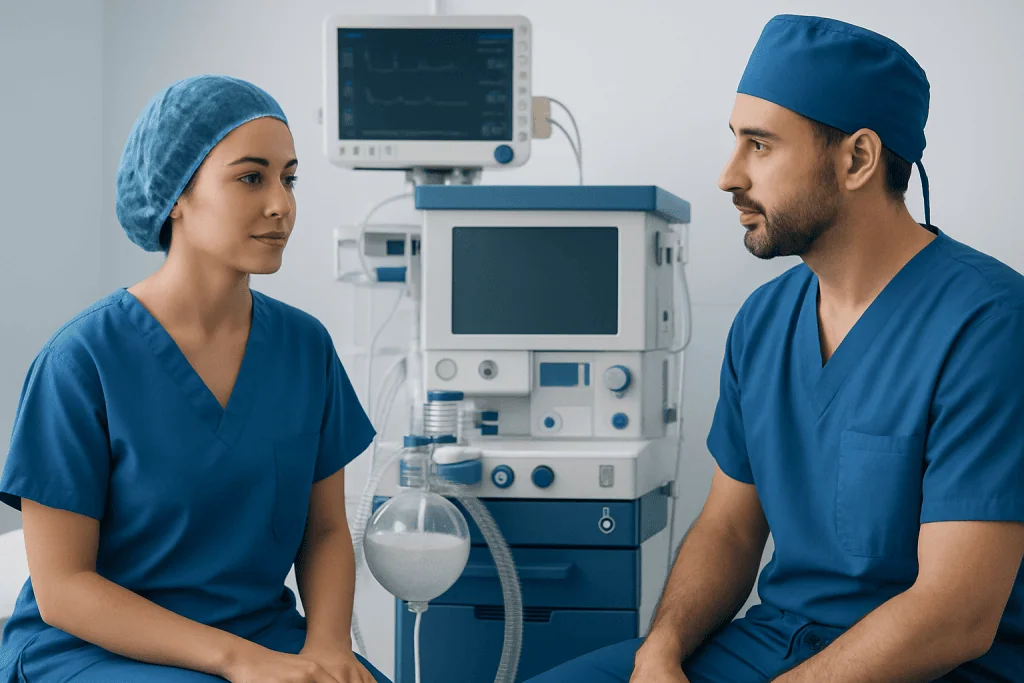
Before general anesthesia, you will usually meet an anesthesiologist or complete an anesthesia assessment. This is an important safety conversation, not simply an administrative step. Be prepared to discuss previous surgeries, prior reactions to anesthesia, allergies, ongoing conditions, recent illnesses and any symptoms such as chest pain, shortness of breath, fever or a new cough.
Please provide a complete list of prescription medicines, over-the-counter products, vitamins, herbal supplements and recreational substances. Some medicines may need to be continued, adjusted or temporarily paused, but do not make changes on your own. Your anesthesiologist or surgeon should give you instructions that fit your individual situation.
Bring copies of useful records when possible, especially reports about heart, lung, sleep apnea, diabetes, kidney or liver conditions, as well as prior anesthesia notes if you had a significant problem before. Depending on your health and procedure, the team may arrange blood tests, imaging, an electrocardiogram or other checks before confirming that it is appropriate to proceed.
- Tell the team if you are pregnant, might be pregnant or are breastfeeding.
- Report loose teeth, dental crowns, dentures or dental implants.
- Explain any history of severe nausea, vomiting or confusion after anesthesia.
- Share recent travel-related illness, infections or changes in your health.
Fasting, medicines and practical preparation

Your hospital will give you specific instructions about when to stop eating and drinking. Following these instructions closely is essential because food or liquid in the stomach can increase risks during anesthesia. The timing may differ for solid food, clear liquids, infant feeding and particular medical needs, so use the instructions given to you rather than relying on general internet advice.
Ask in advance which medicines you should take on the morning of treatment and whether you may take them with a small sip of water. This is especially important if you use medicines for blood pressure, diabetes, blood thinning, seizures, pain, asthma or mental health. If you are unsure, contact your coordinator or clinical team before the day of your procedure.
Wear comfortable, loose clothing for arrival and leave valuables, jewelry, contact lenses and non-essential items at your hotel or with your companion. Remove nail polish if your hospital asks you to, and avoid alcohol, smoking or vaping according to the instructions provided. Arrange a trusted adult to support you after discharge if you are having day treatment.
What happens on the day of your procedure
On arrival, you will check in and your identity, procedure and consent documentation will be verified. A nurse may check your temperature, blood pressure, pulse and oxygen level, and will ask when you last ate or drank. These repeated questions are a normal part of safety checks.
You may change into a hospital gown and have an intravenous line placed in your arm or hand. Your anesthesiologist will review key details with you, answer appropriate last-minute questions and explain the immediate plan. It is helpful to tell the team if you feel anxious, cold, nauseated or worried about needles; they can often take practical steps to improve your comfort.
Once you are in the operating area, staff will attach monitoring equipment and guide you through the process. You may notice oxygen being given through a mask before you fall asleep. A multidisciplinary team, including anesthesia and surgical professionals, remains with you throughout the procedure; you are not left unattended while under general anesthesia.
Recovery after general anesthesia
After the procedure, you will wake in a recovery area where trained staff continue to monitor you. It is common to feel sleepy, disoriented, thirsty, chilled or temporarily emotional as the anesthetic wears off. Some people experience a sore throat, dry mouth, mild nausea or discomfort at the site of the intravenous line; tell your nurse so symptoms can be assessed and managed.
You will move to your room, short-stay area or discharge area when the team is satisfied that you are recovering appropriately for your treatment plan. The timing varies considerably: a short procedure and a major operation have very different recovery needs. Your surgeon and anesthesiologist will advise whether an overnight stay, additional observation or a particular follow-up arrangement is recommended.
Acibadem International hospitals include JCI-accredited facilities, where care pathways are designed around patient identification, monitoring, communication and discharge safety. If you use an interpreter, ask for discharge instructions to be explained clearly and ensure you know whom to contact if you have questions after leaving the hospital.
Discharge, companions and travel after anesthesia
For day procedures, you will generally need a responsible adult to accompany you to your accommodation and stay available afterward. General anesthesia can temporarily affect memory, concentration, reaction time and judgement even when you feel awake. Do not drive, operate machinery, sign important documents, drink alcohol or make major decisions until your clinical team says it is safe.
International travel should be planned around the procedure and your recovery, not only around the anesthesia itself. The safe time to fly depends on your operation, your general health, your mobility and the risk of complications such as blood clots. Ask your treating team for individualized advice before booking your return flight, particularly after abdominal, orthopedic, chest, neurological or major surgery.
If you are staying in Istanbul, international patient services may be able to help with practical arrangements such as interpreters, accommodation guidance and transport coordination. Keep your discharge summary, medication plan, emergency contact details and follow-up instructions accessible during your stay and journey home.
Step by step
- Send your medical information early. Share your diagnosis, planned procedure, medical history, allergies and current medication list before you travel when requested. Include relevant reports in English where possible, or ask your coordinator whether translation support is needed.
- Complete the anesthesia assessment. Discuss your health history openly with the anesthesiologist and ask about fasting, regular medicines and expected recovery arrangements. Mention prior anesthesia concerns, sleep apnea, dental work and any recent illness.
- Follow fasting and medication instructions. Use the individualized instructions from your hospital for eating, drinking and medicines. If you accidentally eat, drink or take a medicine contrary to the plan, tell the team honestly as soon as possible.
- Arrive prepared on procedure day. Bring identification, medical documents, your medication list and any required payment or admission paperwork. Wear loose clothing and arrange for a companion if you are expected to go home the same day.
- Speak up about comfort and concerns. Tell the nursing or anesthesia team if you are anxious, feel unwell or have questions before entering the operating area. Interpreter support can help you communicate clearly if English is not your preferred language.
- Recover under observation. You will remain in a monitored recovery setting until the team determines that you are stable for the next stage of care. Let staff know about pain, nausea, dizziness, breathing discomfort or other symptoms rather than trying to manage them alone.
- Follow discharge and travel advice. Take medicines exactly as prescribed and keep your discharge paperwork with you. Confirm your follow-up plan and obtain personalized guidance about activity, companions and the timing of your return journey.
Your checklist
- Passport or government-issued photo identification
- Your hospital admission and appointment details
- A current list of all medicines, supplements and allergies
- Relevant medical reports, test results and previous anesthesia information
- Comfortable loose clothing and any requested personal care items
- Your fasting and medication instructions
- Contact details for your companion and accommodation
- A plan for transport after discharge
- Discharge folder, prescriptions and follow-up contact details
Key takeaways
- Your anesthesiologist uses your medical history, procedure and current health to create an individualized anesthesia plan.
- Fasting and medication instructions are central to safe preparation, so follow the hospital's exact guidance.
- You will be monitored continuously during general anesthesia and in the immediate recovery period.
- A companion and practical recovery arrangements are especially important after day procedures.
- Ask for clear discharge and travel advice before leaving Turkey, as return-flight timing depends on your procedure and recovery.
Frequently asked questions
Will I meet the anesthesiologist before general anesthesia in Turkey?
You will usually have a pre-anesthesia assessment before your procedure, either in advance or on the treatment day depending on the care plan. This is your opportunity to discuss health conditions, allergies, medicines, previous anesthesia experiences and concerns. The anesthesiologist will determine the appropriate plan based on your individual needs.
How long do I need to fast before general anesthesia?
Your hospital will give you specific fasting times for food and drinks. These instructions can vary according to the procedure, your health, your age and the type of liquids involved. Follow the instructions exactly and contact the clinical team if you are uncertain or accidentally consume something after the fasting time begins.
Can I take my regular medication before anesthesia?
Some medicines should be taken as normal, while others may need to be paused or adjusted before treatment. This is particularly important for diabetes medicines, blood thinners and certain blood pressure medicines. Do not stop or take a medication differently without direct instructions from your treating team.
Can someone stay with me after my procedure?
For many day procedures under general anesthesia, you will need a responsible adult to take you back to your accommodation and remain available afterward. Visitor arrangements inside the hospital may depend on the unit, clinical needs and hospital policy. Confirm companion access and discharge requirements before your admission day.
What side effects can happen after general anesthesia?
Sleepiness, grogginess, nausea, shivering, a dry mouth and a sore throat are relatively common short-term experiences. Your recovery team will monitor you and can provide treatment or advice based on your symptoms. Tell staff promptly if you have severe or worsening pain, difficulty breathing, persistent vomiting or any symptom that concerns you.
When can I fly after surgery with general anesthesia?
There is no single timeline that is safe for every patient. Your ability to fly depends mainly on the type and extent of surgery, your healing, mobility, overall health and risk factors for complications. Ask your surgeon for personalized travel clearance before arranging or changing your flight.
How can Acibadem International support international patients?
Acibadem International can help coordinate your treatment journey through international patient services, including communication support, interpreter arrangements and practical guidance for travel and accommodation. Clinical questions about anesthesia are addressed by your anesthesiologist and treating team. Ask your coordinator how support can be arranged around your specific hospital visit.
Add us as a Preferred Source to see more of our trusted health content across Google Search, AI Overviews and Discover.
More Patient Guides

Inpatient Stay in Turkey: What Happens from Admission to Discharge
Inpatient stay in Turkey means a planned journey from admission to discharge, with room orientation, daily care, family updates, and clear take-home…
9 min read
How to Plan Meals Around Tests and Procedures in Turkey
How to plan meals around tests and procedures in Turkey: follow fasting instructions exactly, stay hydrated when allowed, and confirm timing with…
8 min read
At Acibadem, What to Expect If Intensive Care Is Needed After Surgery
Intensive care after surgery at Acibadem means close monitoring, family updates, and practical support in Turkey if extra recovery help is needed.
9 min read