

How to Prepare for a Doctor Consultation in Turkey
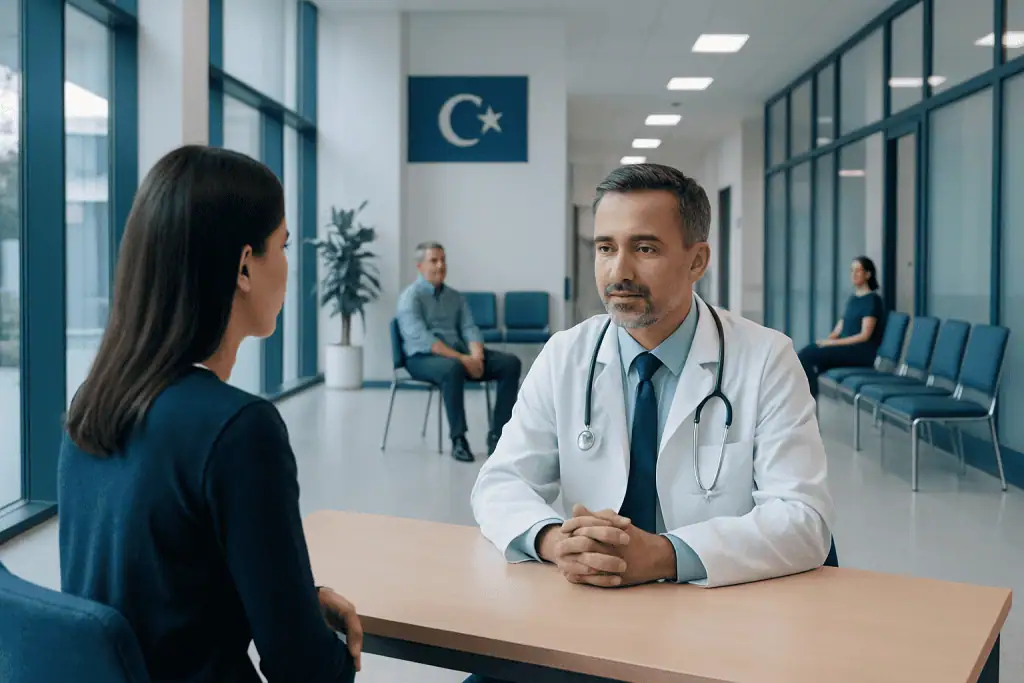
To prepare for a doctor consultation in Turkey, start two to four weeks ahead where possible. Gather recent reports, imaging files and a medication list, write down your top questions, arrange interpreter support if you need it, and keep your travel dates flexible in case the doctor recommends tests. Confirm what the consultation includes and how you will receive results before you leave.
You have an appointment booked in Turkey, and you are wondering what to bring, how early to arrive, and whether one visit will be enough. That uncertainty is normal. Most of it disappears when you prepare for a doctor consultation in Turkey with a few weeks of quiet planning, and this guide shows you exactly where to spend that effort.
A well-organised consultation is calmer, more focused, and far more likely to end with a plan you actually understand. Below you will find what to organise before you travel, how appointments work for visitors, what to expect on the day, how cost estimates are built, and how to set up follow-up before you fly home.
At a glance
- When to start: Two to four weeks before travel where possible; sooner for urgent cases
- Core documents: Recent reports, imaging files, medication list, passport, insurance details
- Language support: Interpreter assistance can be requested in advance, ask early
- Appointment format: Specialist review, examination, possible same-day or next-day tests, then a plan discussion
- Costs: No responsible hospital confirms a final total before assessment; ask what a quote includes and what may change
- Travel timing: Leave a flexible window after the first appointment for tests, results and rest
Start with a clear purpose for your consultation
Before anything else, decide what you need this appointment to do. You may be seeking a second opinion, confirming a diagnosis, comparing treatment options, planning surgery, or trying to understand whether a symptom needs attention at all. When you prepare for a doctor consultation in Turkey with a defined purpose, the medical team can route you to the right specialty before you arrive, and the appointment itself stays on track.
Write your main concern in one or two sentences. Then list the questions you most want answered, in order of importance, because appointment time passes quickly and you want the essential answers first. Typical questions include: Is my current diagnosis complete? Are more tests needed before a decision? What are my treatment options, and what happens if I choose none of them? How long might I need to stay in Turkey? What will follow-up look like once I am home? If you want a structured way to build this list, see our guide on how to prepare questions for your doctor before treatment in Turkey.
If you contact Acibadem International before your visit, the international patient team can collect your initial information, pass it to the relevant department, and tell you which documents are useful for a preliminary review. This coordination matters most when more than one specialty may be involved, oncology, cardiology, neurology and orthopaedics often overlap in complex cases, and it is better to discover that before travel than during it.
Many patients also arrange a remote conversation before booking flights. A short video call can confirm whether travel makes sense at all, which is a legitimate outcome to hope for, and preparing for that call works much like preparing for the in-person visit: same records, same questions, smaller scale.
Collect and translate your medical records
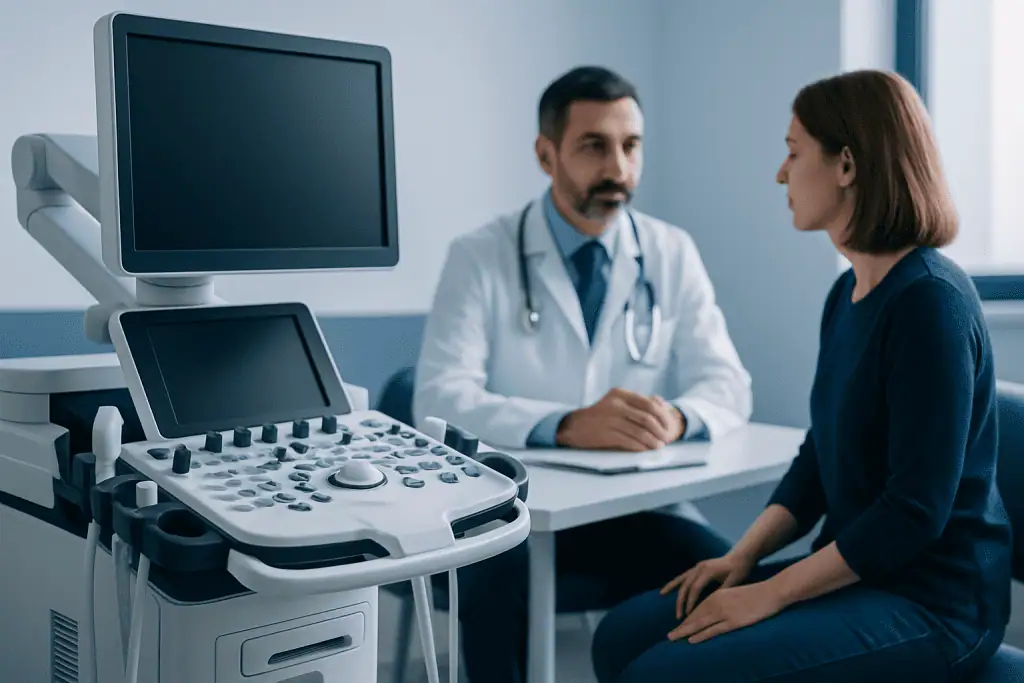
Your records are the foundation of a productive consultation. Bring the most recent and relevant documents, but do not panic if your file feels imperfect. The doctor needs enough background to understand your medical story, see what has already been done, and avoid repeating tests unnecessarily. A complete archive of every appointment since childhood is not the goal; a clear, current picture is.
Useful records typically include diagnosis reports, discharge summaries, surgery notes, biopsy or pathology results, laboratory tests, imaging reports, and the actual image files, CD, USB or secure digital link, for MRI, CT, PET-CT, ultrasound or X-ray. Printed radiology reports alone are less useful than the images themselves, because the specialist will usually want to look at the scans, not only read someone else’s summary of them. If you have chronic conditions, add a short history of major illnesses, allergies and previous operations.
- Organise records by date, newest first.
- Keep digital copies on your phone, in email, or in secure cloud storage as a backup.
- Carry original imaging files where available, not only printed reports.
- Write a one-page health summary in English if your records are in another language.
Your medication list deserves special care: include every prescription medicine, over-the-counter product and supplement, with doses and how often you take them. Do not stop or change anything before travel on your own: that decision belongs to your treating doctor. Our separate guide on preparing a medication list for treatment in Turkey shows a format that doctors can read at a glance.
On translation: you do not need every old document professionally translated. Prioritise pathology results, surgery reports, discharge summaries and recent imaging reports. Interpreters help with conversation on the day, but written documents are reviewed faster when the key details are already in English or Turkish. If you are travelling with a child, an older parent or a dependent adult, also bring consent documents and guardianship papers where applicable.
Seeing a doctor in Turkey as a visitor: how it actually works
If you are visiting Turkey as a tourist, you can book a private hospital consultation directly: you do not need a referral from a local doctor or any residency status. International patient departments exist precisely for this: you contact the hospital, share your concern and documents, and receive an appointment with the relevant specialist. Bring your passport, because it is used for registration.
A common question is whether tourists get free healthcare in Turkey. In general, no. Turkey’s public health system covers residents enrolled in the national insurance scheme; visitors are expected to pay for care privately or through travel or international health insurance. Emergency departments will assess and treat urgent cases, but treatment as a visitor is still normally billed. This is why checking your insurance terms before travel, including whether pre-authorisation is required, is part of sensible preparation rather than an afterthought.
One important boundary: a planned consultation is for non-urgent concerns. If you develop a symptom that feels time-critical, such as severe chest pain, sudden weakness, or serious difficulty breathing, do not wait for your appointment: call your local emergency number or go to the nearest emergency department now. In Turkey, 112 is the national emergency number.
Plan your travel around medical timing, not only flights

Your itinerary should allow for more than the consultation itself. Depending on your condition, the doctor may recommend blood tests, imaging, cardiology checks, an anaesthesia evaluation, or an opinion from a second specialist. Some of this can happen the same day; some of it takes several days, depending on the test, any preparation it requires, and scheduling. Anyone who wants to prepare for a doctor consultation in Turkey properly should treat the first appointment as the start of an evaluation, not the whole of it.
Practically, that means not booking your return flight tight against the appointment. Leave a flexible window so you can complete recommended tests, wait for results, discuss next steps and rest before travelling onward. This matters most if a procedure, medication review or additional evaluation might follow the first opinion. Plans genuinely do change after a doctor examines you: our guide on handling unexpected test or treatment changes in Turkey explains why this is normal and how to build slack into your schedule.
Acibadem International’s patient services can help you think through arrival dates, hospital location, airport transfers, hotel proximity and whether a companion should travel with you. They can also explain the small practical details that reduce first-day stress: where to check in, how early to arrive, and exactly which documents to carry on appointment day. None of this is complicated, but knowing it in advance changes how the day feels.
Prepare for language, consent and communication
Clear communication is the whole point of the appointment, and it is harder in a second language under stress. If you are not fully comfortable discussing medical topics in English or Turkish, request an interpreter in advance. A trained interpreter helps you describe symptoms precisely, understand recommendations, and ask follow-up questions, without putting a family member in the awkward position of translating difficult medical news.
When working through an interpreter, speak in short sentences and pause often so nothing is compressed or lost. Bring your written symptom description, medication list, allergy list and questions; handing over a page is faster and more reliable than reciting from memory. If a family member or friend attends with you, agree beforehand who speaks, who takes notes, and whether there are topics you want to discuss privately with the doctor. A well-briefed companion is one of the most underrated assets in a foreign consultation, see our guide on the companion’s role during doctor consultations in Turkey for how to divide the work.
You may be asked to sign consent forms, for tests, imaging, sharing medical information, or treatment planning. Read them, and ask what each one means before signing. You are entitled to ask about benefits, risks, alternatives, expected timelines, and what happens if you decide not to proceed with a recommended option. A doctor who answers those questions plainly is doing their job; you are not being difficult by asking.
Understand costs, quotes and what may change
Patients often search for a single figure: the cost of a consultation, or of a full health check-upbefore travelling. The honest answer is that there is no single figure, because pricing depends on structure, not a menu. What you can and should do is understand how a quote is built.
Before you travel, ask three things. First, what does the initial consultation fee include: the specialist’s time only, or a basic examination as well? Second, what is billed separately? Laboratory tests, imaging, pathology review, additional specialist opinions, procedures and hospital admission are usually distinct items. Third, what could change the estimate after the doctor examines you? A consultation frequently leads to a recommended diagnostic plan, so the eventual total depends on what the doctor finds necessary once your records and your examination are in front of them. The same logic applies to check-up packages: what is included varies by programme and by your age, history and risk factors, so compare contents, not headlines.
If you have international insurance, bring the policy documents and confirm whether pre-authorisation is required before any test or procedure. If you are self-paying, ask how payments are made, which currencies are accepted, and whether written estimates can be provided for each proposed next step. Avoid deciding anything on a headline figure alone; make sure you know what it covers and what it does not.
Acibadem International can help international patients request cost information where appropriate, but no responsible hospital can guarantee a final total before the medical assessment is complete. Budget with some flexibility, especially if same-day tests, extra specialist consultations or a change of plan are possible in your case.
What to expect on the consultation day
Arrive early. Registration, passport checks, file review and any payment formalities all take time, and rushing them sets the wrong tone for the appointment. Wear comfortable clothing that allows a physical examination. Bring water, a phone charger, your glasses or hearing aids if you use them, and any mobility aids you need.
A typical visit includes a nurse assessment, the specialist consultation, a physical examination, review of your previous results, and a discussion of next steps. The doctor may recommend additional tests before giving a complete opinion. This does not necessarily mean something is wrong; it usually means the team wants current, accurate information before advising you. If tests such as blood work or scans are ordered, our guide on preparing for blood tests, scans and pre-op checks at Acibadem explains what each one involves.
During the consultation, take notes or ask whether a written summary will be provided. Then repeat back what you understood: the diagnosis or suspected diagnosis, recommended tests, treatment options, timing, warning signs and the follow-up plan. Doctors expect this and it catches misunderstandings on the spot. If the pace is too fast, say so. Asking a doctor to slow down, explain again or prioritise the most urgent points is entirely acceptable, and far better than nodding through information you did not absorb.
Plan your follow-up before you leave Turkey
A good consultation does not end at the doctor’s door. Before leaving the hospital, confirm how you will receive test results, written reports, prescriptions, imaging copies and the consultation summarypatient portal, email, printed file or coordinator. Get a named contact and a way to reach them once you are home.
If treatment is recommended, ask what should be done in Turkey and what can safely wait until you return. If medication is prescribed, confirm the dose, timing, side effects to watch for, and whether the medicine is available in your country, and take any adjustments only from the treating doctor, never on your own initiative. If you had tests or a procedure, ask about activity restrictions, flying precautions and the specific signs that would mean you should seek urgent care.
Finally, connect your care at home. Share the final documents with your local doctor so nothing falls into the gap between two health systems; this is essential for chronic illnesses, cancer care, heart conditions and any post-operative monitoring. Acibadem’s international team can help set this up, see how we arrange remote follow-up with your local doctor for what that coordination looks like in practice.
Step by step
- Send your main concern before booking. Write a short description of your diagnosis, symptoms and what you hope to learn. This lets the patient coordination team route you to the right specialty and appointment type before you commit to travel dates.
- Gather your records in one folder. Include recent reports, imaging files, a full medication list, allergies, and previous surgery or pathology notes. Keep printed and digital copies so you are covered if one format fails on the day.
- Confirm interpreter and companion needs. Request interpreter support in advance if you need it. If a companion joins you, decide who takes notes and who handles logistics before you walk into the room.
- Plan arrival with extra time. Arrive in Turkey with time to rest before the appointment if possible, and do not book your return flight immediately after the consultation in case tests or follow-up discussions are needed.
- Prepare your question list. Put the most important questions at the top, because appointment time passes quickly. Cover diagnosis, options, timing, risks, travel safety and follow-up.
- Clarify payment and insurance details. Ask what the consultation includes, what is billed separately, and whether pre-authorisation is required. Bring insurance documents, your passport and a payment method the hospital accepts.
- Leave with a written plan. Confirm next steps, expected result dates, medication instructions and who to contact with questions. Take copies of reports and imaging for your doctor at home.
Your checklist
- Passport, visa documents if required, and travel insurance details
- Appointment confirmation, hospital address and coordinator contact information
- Recent medical reports, test results and discharge summaries
- Imaging files on CD, USB, secure link or a hospital-compatible digital format
- Medication list with doses, allergies and a chronic condition summary
- Written questions for the doctor, prioritised from most to least urgent
- Interpreter request confirmed, if needed
- Comfortable clothing, phone charger, glasses, hearing aids or mobility aids
- Payment method and any insurance pre-authorisation documents
Key takeaways
- A focused consultation starts with a clear purpose and organised medical records.
- Visitors can book private consultations directly, but healthcare in Turkey is not free for tourists, check your insurance before you travel.
- Leave flexibility in your schedule, because additional tests or specialist reviews are commonly recommended after a first examination.
- Interpreter support, written questions and a briefed companion help you communicate with confidence.
- Cost estimates depend on what the doctor finds necessary after assessment, understand what a quote includes rather than chasing a headline figure.
- Before leaving Turkey, confirm your written plan, how results will reach you, and who to contact once you are home.
Frequently asked questions
How much does a doctor’s consultation cost in Turkey?
There is no single fixed figure, because the fee depends on the hospital, the specialty and what the appointment includes. Any tests, imaging or additional specialist opinions are usually billed separately. The reliable approach is to ask the international patient team in writing what the consultation fee covers, what would be extra, and how estimates for next steps are provided.
How do I see a doctor in Turkey as a tourist?
Contact a private hospital’s international patient department, describe your concern, and share any relevant records. You do not need a referral or residency status; the team books you with the appropriate specialist. Bring your passport for registration, and arrange interpreter support in advance if you are not comfortable in English or Turkish.
Do tourists get free healthcare in Turkey?
Generally no. Turkey’s public system covers residents enrolled in the national insurance scheme, while visitors pay privately or through travel or international health insurance. Emergency departments will assess and treat urgent cases, but treatment as a visitor is still normally billed. Check your policy terms and any pre-authorisation requirements before you travel.
How much does a full health check-up cost in Turkey?
Check-up programmes vary widely in scope, so there is no single answer. The contents depend on your age, medical history and risk factors, and packages differ in which tests, imaging and consultations they include. Ask for the full list of what a specific programme covers and what would be billed on top, then compare contents rather than headline offers.
Do I need to translate all of my medical records?
No, prioritise the documents that matter most: pathology results, imaging reports, surgery notes, discharge summaries and current laboratory tests. Interpreter support helps during conversation, but doctors review written documents faster when the key details are already in English or Turkish. Old routine records rarely need professional translation.
Can I have tests on the same day as my consultation?
Sometimes, but it depends on the specialty, the test, scheduling, and whether preparation such as fasting is needed. The doctor usually reviews your case first and then decides which tests are appropriate. Keep your schedule flexible rather than assuming everything will be completed in a single visit.
Should I bring a companion to the appointment?
A companion helps with notes, transport, reminders and decision support, especially if you are anxious, elderly or expecting complex information. Agree roles beforehand: who speaks, who writes things down. If you prefer to discuss private matters alone, you can ask for part of the consultation to be one-to-one with the doctor.
Will I receive a treatment plan immediately?
You may receive an initial opinion at the consultation, but a full plan often requires updated tests, imaging or review by more than one specialist. This is common in complex cases and supports safer recommendations. Ask when the final summary will be ready and how it will be shared with you.
Add us as a Preferred Source to see more of our trusted health content across Google Search, AI Overviews and Discover.

Update history
- PublishedJune 8, 2026
- Medical review approvedSeptember 13, 2026
- Last content updateSeptember 12, 2026
References2
More Patient Guides

GHIC and EHIC in Turkey: Why They Do Not Cover You
The blue card that quietly covers you across Europe stops working at the Turkish border, and every summer, travelers discover this…

Do You Need Vaccinations for Turkey?
Here is the answer travel clinics give every day: no vaccinations are required to enter Turkey from anywhere in the normal course…

Flying With a Broken Leg or Cast: Airline Rules and Comfort
A broken leg does not cancel a flight, airlines carry passengers in casts every single day. What surprises travelers is that…

Travel Insurance After Cancer: What Patients Should Know
A cancer diagnosis changes how insurers read your name, but it does not end your traveling life. Thousands of people with…