

Companion’s Role During Doctor Consultations in Turkey

A companion's role during doctor consultations in Turkey is to support communication, not to lead it. You help the patient prepare documents and questions, take notes during the appointment, ask for a professional interpreter when medical details are complex, respect the patient's privacy and consent, and confirm the next steps before leaving. The patient speaks first; you fill gaps and keep the practical plan organised.
How much should you say in the consultation room, and when is it better to stay quiet? If you are travelling to Turkey with someone for medical care, that question arrives fast, often in the first appointment. The companion’s role during doctor consultations in Turkey is quieter than many people expect: you are there to help the patient communicate, remember and decide, not to speak for them.
This guide explains what to do before, during and after each appointment. It also answers the practical questions companions search for most: how consultations work in Turkey, what a consultation price depends on, and how to judge who is treating the patient. Where something is the treating doctor’s job, medication decisions, travel-safety clearance, we say so plainly.
At a glance
- Your main role: support communication, comfort and follow-up without taking over the patient’s choices
- Best preparation: documents in one folder, a written medication list, a short question list, and an agreed plan for who speaks when
- Language support: ask for a professional medical interpreter whenever diagnosis, consent or medication instructions are discussed
- Privacy: doctors may need the patient’s consent before sharing medical details with you: this is normal, not an obstacle
- During the visit: let the patient speak first, take notes, then summarise back to check you understood
- After the visit: review instructions, appointments, prescriptions and any travel-related advice together, in writing
Why the companion’s role during doctor consultations in Turkey matters
A consultation abroad carries more weight than one at home. The patient is often managing jet lag, an unfamiliar hospital, a language they do not speak and anxiety about what the doctor will say, all at once. Research on medical appointments consistently finds that patients forget a large part of what is said in the room, and stress makes that worse. That is the gap you fill.
You know the patient’s history, habits and worries in a way no coordinator can. You notice when they are tired, when they have stopped following the conversation, and when they are agreeing out of politeness rather than understanding. Used well, the companion’s role during doctor consultations in Turkey is a second memory and a steadying presence, not a second voice competing with the patient’s.
Be clear about the limits too. You do not interpret medical information on your own, you do not make decisions for a patient who can decide for themselves, and you do not answer personal medical questions on their behalf unless they ask you to. At Acibadem, international patient coordinators and interpreters handle much of the formal communication; your value sits alongside that, in the personal layer they cannot provide. If you are still deciding whether to travel together at all, start with when to bring a companion for treatment in Turkey.
How consultations in Turkey typically work
Understanding the system helps you support the patient inside it. Turkey runs a universal public health system alongside a large private hospital sector, and the Ministry of Health regulates both. International patients who travel for treatment are usually seen in private hospitals, where appointments are scheduled in advance and international patient departments coordinate the visit.
A first consultation for an international patient often follows a recognisable pattern: the doctor reviews the records you brought, examines the patient, may order tests or imaging the same day or the next, and then discusses findings and options, sometimes in a second sitting once results arrive. Appointments can move quickly, especially when tests are being scheduled around a travel window. That pace is exactly why preparation and note-taking matter.
Are the doctors good? That is a fair question, and the honest answer is that quality is judged case by case, not by country. Turkey trains large numbers of specialists, and reputable hospitals will tell you plainly who leads the patient’s care, what their training is, and how the team divides responsibility. You are entitled to ask. Acibadem explains its approach to this in how we explain doctor credentials, team roles, and who leads your carea useful checklist even if the patient is being treated elsewhere.
Before the appointment: prepare together
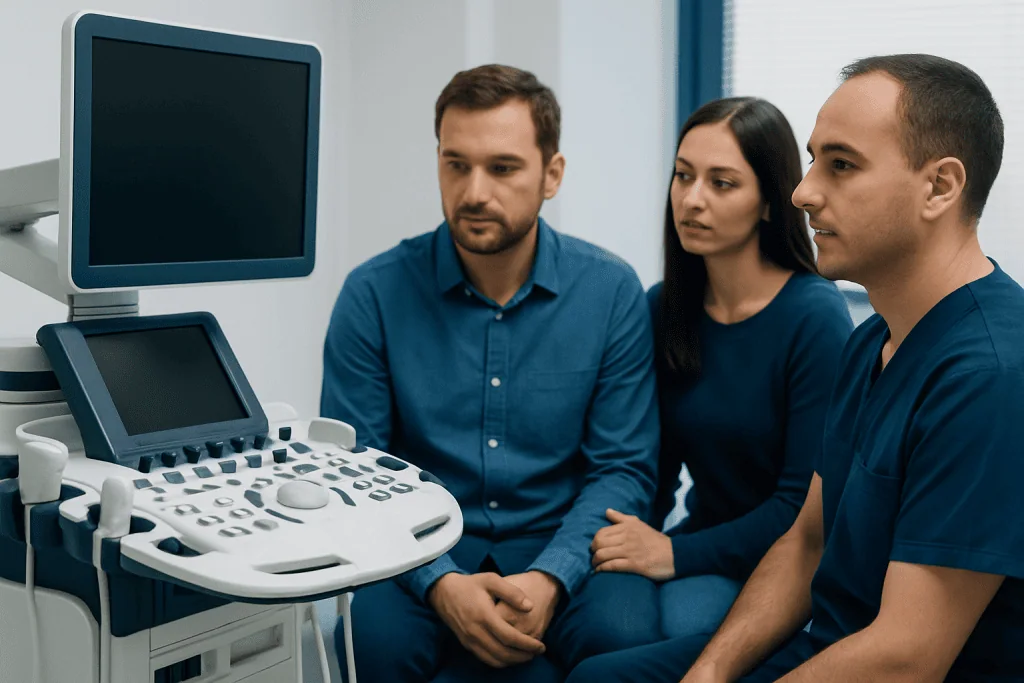
Preparation is the part of the companion’s role during doctor consultations in Turkey that happens entirely on your terms, with no time pressure. Sit with the patient the day before and build a simple summary: the main symptoms, when they started, what makes them better or worse, previous diagnoses, allergies, and every current medication with doses, including supplements and anything bought without prescription. If the patient has opinions or reports from doctors at home, arrange them in date order so the consulting doctor can follow the story.
Agree on the purpose of the visit. A second opinion, confirmation of a treatment plan, diagnostic tests, surgery planning and post-procedure follow-up are all different conversations. When the goal is clear, you can help keep the discussion on track without steering the medical assessment itself.
Then agree on your role in the room. Ask directly: do you want me to take notes, to ask questions, to add details if you forget something, or to sit quietly unless you invite me in? Companions who skip this conversation tend to either dominate or freeze. Five minutes settles it.
Pack one folder or small bag: passports or ID, medical reports, imaging files or access links, the written medication list, insurance documents if relevant, reading glasses, hearing aids, a phone charger, water and a notebook. If the patient has mobility, hearing, vision or anxiety-related needs, tell the international patient team in advance so support can be arranged where possible. For the wider preparation, see what to plan before you travel as a companion. One rule on medicines: never adjust doses yourselves, timing questions belong to the treating doctor.
Communication in the consultation room

Let the patient speak first. Always. The doctor needs to hear the symptoms in the patient’s own words, and the patient needs to feel that this is their consultation. Your moment comes when something important is forgotten, a timeline gets muddled, or the patient looks to you for help. Add the missing detail briefly, then hand the conversation back.
On language: even if you speak English or Turkish well, do not act as the medical interpreter. Everyday translation and medical interpretation are different skills. Diagnosis, risks, consent and medication instructions carry technical terms where a small error matters. Acibadem can arrange professional interpreter support for many international patients, ask the coordinator before the appointment how interpretation will work, so it is not improvised in the room. Your language skills remain useful for everything around the consultation: reception, pharmacy, transport, meals.
The single most effective technique is listen first, then summarise. With the patient’s permission, close the discussion with something like: “So the next step is blood tests today, imaging tomorrow, and we discuss the treatment plan after that, is that right?” This gives the doctor a chance to correct any misunderstanding before you leave the room, which is far easier than untangling it by phone later.
Taking notes and asking useful questions
Consultations compress a lot of information into a short time. Notes are your most practical contribution. Record: the diagnosis or working diagnosis, the tests ordered and why, treatment options discussed, the expected timeline, medication instructions as the doctor states them, warning signs to watch for, and the date and place of the next appointment. If a term is unfamiliar, ask for it to be repeated or written down, doctors are used to this.
Aim your questions at clarity and logistics rather than at testing the doctor. Questions that consistently earn useful answers:
- What is the purpose of this test, and when will the results be available?
- Are there activity, diet or lifting restrictions in the meantime?
- Who do we contact if symptoms change before the next appointment?
- Is there anything we need to arrange or avoid before flying home?
- What happens if the patient chooses to wait, or wants another opinion first?
If a procedure or treatment is on the table, encourage the patient to ask about benefits, risks, alternatives and what recovery involves. A calm companion helps ensure these topics are covered without pressing for an immediate decision unless the situation is genuinely urgent. If surgery is likely, the companion’s job expands considerably, see how to prepare for a complex-surgery companion role.
Privacy, consent and the patient’s voice
Supporting someone well includes knowing when to leave the room. The patient may want you present for the whole consultation, only part of it, or not at all for certain examinations or sensitive discussions. Ask in advance what they prefer, and step out without ceremony if they or the staff request it.
Doctors may need the patient’s explicit consent before discussing medical details with you. This is standard practice, not a barrier aimed at you. If the patient wants you to receive updates, handle records or speak with the care team on their behalf, ask the coordinator how that consent should be documented under hospital procedures, doing it once, properly, saves repeated friction later. For how information flows to family during an admission, see how companions can stay informed during hospital care in Turkey.
However involved you are, the decision belongs to the patient if they have the capacity to make it. You can slow the conversation down, ask for options to be compared, and request time to think. What you should not do is speak over the patient, negotiate with the doctor on their behalf, or answer personal questions for them uninvited. Families sometimes disagree about treatment; when that happens, ask the team to lay out options and risks clearly, then give the patient room to state their own wishes.
What a consultation costs, and what the price depends on
Companions often handle the money questions, so it helps to know how pricing works structurally. There is no single consultation price in Turkey. What you are quoted depends on the hospital or clinic, the specialty, the seniority of the doctor, whether the visit is a first consultation or a follow-up, and, most significantly, whether tests, imaging or interpreter services are bundled into the same visit. A “consultation” that includes same-day bloods and imaging is a different quote from a fifteen-minute review of existing records.
Practical steps: ask the international patient department for a written quote before travelling, ask what it includes and excludes, and ask how additional tests are priced if the doctor orders them on the day. Get any changes confirmed in writing. If insurance is involved, confirm before the appointment whether the hospital deals with the insurer directly or whether you pay and claim back. Your own costs as a companion, meals, transport, accommodation, sit outside the medical quote entirely; plan them separately with budgeting for companion expenses during treatment in Turkey.
After the consultation: turning advice into a plan
This is where your support becomes most concrete. Find a quiet spot, go through your notes with the patient and confirm what happens next: tests, imaging, pre-operative checks, prescriptions to collect, admission steps, payments, or a follow-up with another specialist. Write the plan in the patient’s preferred language where possible, with dates, times and locations. A shared written plan prevents most of the confusion that otherwise surfaces two days later.
International patients carry extra logistics, hotel nights, transfers, mobility support, return-flight timing. Coordinators can guide the non-clinical arrangements; only the medical team can advise on safety questions such as when flying is appropriate after a procedure. Do not guess on those. If anything in the plan is unclear, contact the assigned coordinator promptly rather than working from assumptions.
Make sure you both know the warning signs the doctor described and exactly whom to call if they appear. And be clear on the one non-negotiable: if the patient develops sudden severe symptoms, such as chest pain, difficulty breathing, heavy bleeding, or sudden weakness or confusion, call your local emergency number or go to the nearest emergency department now. Everything else goes through the care team’s stated contact route.
Step by step
- Agree on your role before the visit. Ask the patient how they want you to help: listening, note-taking, asking questions, managing documents or emotional support. Clarify whether you speak freely or only when invited.
- Organise the medical information. Collect recent reports, imaging, test results, the medication list and allergy details in one folder, in date order. If documents are in another language, ask the international patient team whether translation or a summary is recommended.
- Prepare a short question list. Most important questions first, because consultation time moves quickly. Cover tests, timing, restrictions, warning signs and follow-up.
- Arrange interpreter support early. For diagnosis, consent discussions or treatment planning, professional interpretation is safer than informal translation. Tell the team in advance if the patient is not fully comfortable in English or Turkish.
- Take clear notes in the room. Record the doctor’s main points, next steps and instructions. Ask for unfamiliar terms to be repeated or written down.
- Confirm the plan before leaving. Summarise what you understood and ask whether it is correct. Confirm whom to contact, where to go next and when results are expected.
- Review everything with the patient afterwards. Go through the plan calmly together. Check the patient is comfortable with the next steps and knows which changes require urgent contact with the care team.
Your checklist
- Patient passport or identification
- Previous medical reports, imaging and laboratory results, in date order
- Current medication list, including doses and supplements
- Allergy list and key medical history
- Notebook or phone for taking notes
- Prepared question list, most important first
- Interpreter request confirmed with the coordinator, if needed
- Contact details for the hospital coordinator and the care team’s out-of-hours route
- Written quote or confirmation of what the consultation includes
- Comfort items: glasses, hearing aids, charger, water
Key takeaways
- The companion’s role during doctor consultations in Turkey is to support communication and logistics: the patient’s voice and decisions come first.
- Agree your role and the patient’s privacy preferences before entering the room, not inside it.
- Use a professional medical interpreter for diagnosis, consent and medication instructions; keep your own language help for everything around the appointment.
- Good notes plus a summarised, confirmed plan prevent most post-consultation confusion.
- Consultation pricing has no single figure: it depends on specialty, doctor, and what the visit includes; get quotes in writing before you travel.
- Acibadem’s international patient services can support coordination, interpretation and travel logistics; medical and travel-safety decisions stay with the clinical team.
Frequently asked questions
Can I join the patient inside the doctor consultation in Turkey?
Usually yes, if the patient agrees and hospital policy allows it. The doctor or nurse may ask for the patient’s consent before discussing medical details with you present. For sensitive examinations or private discussions, you may be asked to step outside temporarily: this is standard practice, not a judgement on you.
How much does a doctor’s consultation cost in Turkey?
There is no single figure. The price depends on the hospital or clinic, the specialty, the doctor’s seniority, whether it is a first visit or a follow-up, and whether tests, imaging or interpreter services are included in the same visit. Ask the international patient department for a written quote before travelling, and ask exactly what it covers and how any extra tests ordered on the day would be handled.
How is the healthcare system structured in Turkey?
Turkey has a universal public health system alongside a large private hospital sector, with the Ministry of Health regulating both. International patients travelling for treatment are usually seen in private hospitals, where appointments are booked in advance and international patient departments coordinate scheduling, interpretation and non-clinical logistics.
Are the doctors in Turkey good?
Quality is best judged case by case rather than by country. Turkey trains large numbers of specialists, and reputable hospitals will state plainly who leads the patient’s care, what their training and experience are, and how the team shares responsibility. As a companion, help the patient ask those questions directly and expect clear, specific answers rather than general reassurance.
Should I translate for the patient if I speak English or Turkish?
Help with everyday communication, yes, reception, pharmacy, transport. But for diagnosis, risks, consent and medication instructions, ask for a professional medical interpreter. Medical interpretation is a distinct skill, and small errors in those conversations carry real consequences for both the patient and the doctor.
What should I do if the patient becomes anxious or overwhelmed?
Stay calm, speak gently, and ask whether they need a short pause, water or a moment to breathe. You can ask the doctor to slow down or explain something in simpler terms: that request is always reasonable. Review the plan together after the appointment, once the patient feels steadier.
What if the patient and family disagree about the treatment plan?
Disagreement is common when decisions feel urgent or complex. Ask the medical team to set out the options, risks and alternatives clearly, and give the patient room to express their own wishes without pressure. If the patient has decision-making capacity, their informed choice guides the plan: the family’s role is to make sure it is genuinely informed.
What should we confirm before leaving the hospital?
Confirm the diagnosis or working diagnosis, any tests ordered, medication instructions as the doctor stated them, warning signs to watch for, and the next appointment’s date and place. Know whom to contact and through which route, including out of hours. If you are flying soon, ask the medical team directly whether anything restricts the return journey, do not assume.
Add us as a Preferred Source to see more of our trusted health content across Google Search, AI Overviews and Discover.

Update history
- PublishedJune 8, 2026
- Medical review approvedSeptember 13, 2026
- Last content updateSeptember 12, 2026
References2
- Talking With Your Doctor: MedlinePlus medlineplus.gov
- Turkey: CDC Travelers' Health destination page wwwnc.cdc.gov
More Patient Guides
Medical Travel with a Companion: Who Should Come and Why
Medical travel with a companion can make treatment in Turkey easier by providing practical help, communication support and reassurance before and after…

How Family Members Can Help Without Disrupting Recovery
Family support during recovery helps when you listen, organize practical tasks and follow the care plan without taking over, in Turkey or…
Need a Family Member to Travel With You? A Companion Decision Guide
A companion travel guide for treatment in Turkey: decide who should travel with you, plan practical support, and prepare for Istanbul care.

Unexpected Overnight Stay in Turkey: What Patients and Companions Should Be Ready For
Unexpected overnight stay in Turkey? Here is what patients and companions should prepare for, from essentials and updates to hospital logistics in…