

Budgeting for Companion Expenses During Treatment in Turkey

Budget for your companion in three layers: confirmed costs (flights, accommodation, transfers), estimated daily spending (meals, transport, mobile data, laundry, small essentials), and a buffer for extra nights or schedule changes. Before booking, ask in writing what your medical quote includes and what your companion pays separately, companion accommodation and meals are often not part of the treatment quote.
How much will it cost to bring someone with you? It is one of the first questions international patients ask, and one of the easiest to answer badly. Budgeting for companion expenses during treatment in Turkey is not about one big number. It is about a handful of predictable categories, accommodation, meals, transport, communication, plus a buffer for the days that do not go to plan.
This guide walks through each category, explains what treatment quotes usually do and do not cover, and shows you how to build a companion budget you can actually use. It deliberately contains no price figures, because your real costs depend on the city, the season, the length of stay and the choices you make. What we can give you is the structure, so the estimate you build is your own and it holds up.
At a glance
- Plan before booking: companion accommodation, airport transfers, daily meals and local transport: these drive most of the total
- Often overlooked: laundry, mobile data, pharmacy items, hospital snacks, baggage fees and extra hotel nights
- Confirm in writing: what your medical quote includes and what your companion pays separately, never assume companion meals or rooms are covered
- Payment planning: a mix of card and modest local currency, one backup card kept separately, receipts saved throughout
- Budget in three layers: confirmed costs, estimated daily spending, and a buffer for schedule changes and recovery-related extensions
Why companion expenses matter when budgeting for treatment in Turkey
Your companion may be a spouse, adult child, parent, sibling or close friend. Their role is both practical and emotional: moving with you between appointments, listening during explanations, taking notes, keeping documents in order, arranging meals, and supporting you after discharge. Because they are present every day, their expenses are part of the real cost of your trip, not an optional extra bolted onto the treatment quote.
Most patients budget carefully for the treatment itself, the flights and their own accommodation. The companion’s costs are where estimates tend to slip. A second person eats every day, travels every day, needs clean clothes, needs mobile data, and needs somewhere to sleep, sometimes for longer than originally planned, because treatment schedules can shift with test results, medical review or recovery pace. When you plan these items early, you arrive calmer, and your companion can make small daily decisions without worrying about what each one costs.
There is a practical division of labour worth knowing. At Acibadem, the international patient services team can help you understand the non-medical parts of your trip, airport transfers, interpreter coordination, accommodation options near the hospital. They cannot predict your personal spending, but they can help you separate what is coordinated through your care plan from what you should budget privately. That separation is the foundation of any honest companion budget, and the rest of this guide builds on it. For the fuller picture of what support is available, see how families and companions are supported during treatment travel.
Start with what is included and what is separate
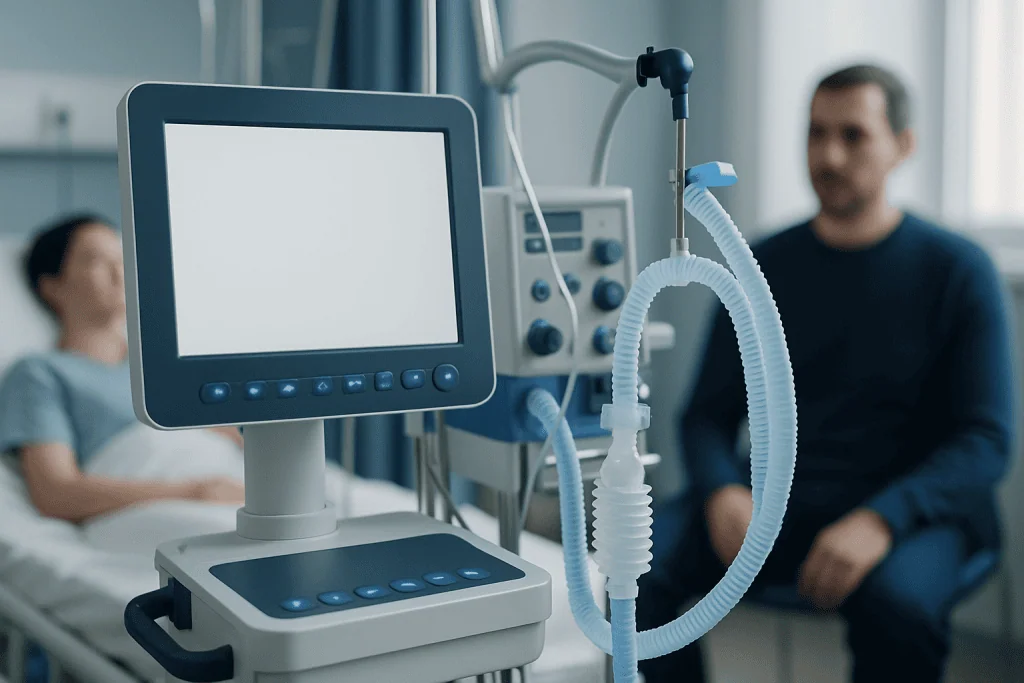
Before you can budget anything, you need a clear line between covered and personal costs. Review your medical quote and travel arrangements carefully, and ask for the answers in writing. Verbal reassurance is easy to misremember three weeks later at a hotel reception desk.
Items worth clarifying before travel:
- Airport–hospital–hotel transfers, and whether the companion is included in each leg
- Interpreter support during consultations and admission
- Whether your companion can stay in your hospital room, and under what conditions
- Meals for the patient during admission, and, separately, meals for the companion
- Pre-operative tests and post-discharge follow-up appointments
- Any hotel nights arranged or recommended as part of your plan
Companion room policies deserve particular attention. Whether an accompanying person can stay overnight depends on the department, the room type, your clinical condition and infection-control rules, intensive care and some specialised units have stricter limits than standard inpatient rooms. It is always better to confirm than assume, because the answer changes your accommodation budget substantially. Our guide on booking a companion room in Turkey covers the specific questions to ask.
The same applies to food. Even when patient meals are part of the hospital stay, companion meals often are not. Some hospitals offer companion meal options for a fee; others expect companions to use the cafeteria or nearby restaurants. Knowing which applies to you turns a daily uncertainty into a simple line in the budgetcompanion meals during a hospital stay in Turkey explains the usual arrangements.
Accommodation: hotel nights, hospital stays and extra days

Accommodation is usually the largest companion expense after flights. If your companion can stay in your hospital room during admission, that reduces hotel nights considerably, which is exactly why the room policy needs confirming before you book anything. If they need a hotel, the cost depends on location, season, room type and distance from the hospital.
When comparing options, think beyond the nightly rate. A hotel close to the hospital can cost more per night and still work out better overall, because it cuts taxi journeys and lets your companion visit early or return late without a long commute across an unfamiliar city. Practical features matter more than star ratings during a medical trip: a lift, breakfast included, laundry access, a small kitchenette, and a pharmacy or supermarket within walking distance all reduce daily friction and daily spending.
Plan for extra nights from the start. Treatment schedules shift for ordinary reasons: a test result that needs repeating, a medical review, recovery that takes a little longer, or flight timing after discharge. Holding a small accommodation buffer is far more comfortable than negotiating an extension at the last minute, particularly during busy travel seasons in Istanbul.
- Ask whether the hospital has partner hotels or recommended nearby options.
- Check cancellation and date-change policies before booking, flexibility is worth paying for on a medical trip.
- Confirm whether breakfast, taxes and service fees are included in the quoted rate.
- Choose a location your companion can manage safely on their own, including after dark.
Daily living costs: meals, water, laundry and small essentials
Daily living expenses feel trivial one at a time and substantial over one or two weeks. Coffee while waiting, bottled water, snacks, toiletries, fruit, a takeaway after a long hospital day, a pharmacy purchase: these are normal costs of accompanying someone, and they belong in the plan rather than in the category of unpleasant surprises. A realistic approach is to set a daily miscellaneous allowance per person and stop tracking the individual items.
Meals are the biggest daily variable. A companion spending long hours at the hospital will usually rotate between the cafeteria, nearby restaurants and delivery apps. A companion staying in an apartment or hotel with a kitchenette can shop for groceries, which lowers costs and gives more control over food during recovery days, useful if either of you follows a restricted diet.
Laundry is the classic forgotten item. On stays longer than about a week, your companion needs clean clothes, and you may need extra comfortable clothing after treatment. Hotels typically charge a premium for laundry; local laundries or self-service options are usually more economical. Hotel reception or your international patient coordinator can point you to practical options nearby. For a broader breakdown of these day-to-day categories, see daily expenses during medical travel in Turkey.
Transport and communication in Istanbul or other Turkish cities
Transport costs depend on where you stay and how often your companion moves between hospital, hotel, pharmacy and airport. If transfers are arranged through the hospital or a trusted provider, confirm whether the companion is included on each journey. For daily movement, taxis, ride-hailing apps and public transport are all realistic optionshow to travel around Istanbul during treatment compares them in detail.
Do not build a transport budget that assumes every day goes perfectly. There will be days when a taxi is the right choice even though the metro is cheaper, because you are tired, carrying medication, wearing a dressing, or travelling shortly after a procedure. Budgeting for companion expenses during treatment in Turkey means leaving room to choose comfort when comfort is what recovery requires. A budget that only works if everyone takes the tram is not a budget; it is a hope.
Communication is a small fixed cost with a large practical payoff. A local SIM card, an eSIM or an international roaming plan keeps your companion in contact with the hospital, interpreter, hotel, driver and family at home. Before choosing, check that the phone is unlocked and that your preferred messaging and map apps work reliably. Reliable data also matters if your companion is sending daily updates to relatives at home.
Why there are no numbers in this guide, and how real quotes work
You will find pages online listing prices for treatment and companion packages in Turkey. Treat them cautiously. A genuine quote is built from your specific case: the procedure or treatment plan, the expected length of stay, the room category, the tests required before and after, and the follow-up schedule. Two patients with the same diagnosis can receive different quotes for legitimate clinical reasons. Any figure published for a whole category of treatment is, at best, someone else’s average.
The same logic applies to companion costs. A week in Istanbul in high season, in a hotel beside the hospital, with restaurant meals every day, is a different budget from a fortnight in an apartment with a kitchen in the low season. The honest answer to “how much money is enough?” is: it depends on choices you have not made yet. What you can do, and what this guide is for, is identify every category before you travel, get written confirmation of what is covered, and attach your own estimates using current hotel rates, current flight prices and a realistic daily allowance. That produces a number you can trust, because you built it.
One structural point worth understanding: treatment quotes and companion budgets are separate by design. The hospital quotes what the hospital provides. Your companion’s flights, hotel, meals outside the hospital, transport and personal spending sit outside that quote almost everywhere, even when the hospital helps coordinate them. Confusion between the two is the single most common source of budget stress for accompanied patients. Our companion-focused guide on budgeting for meals, transport and extra nights goes deeper into the separate-costs side.
How to build a realistic companion budget
Budgeting for companion expenses during treatment in Turkey works best as a document simple enough to consult every day. Organise it into three columns:
- Confirmed: costs already quoted or booked, flights, visa if applicable, hotel or apartment, planned transfers, travel insurance.
- Estimated: variable daily items, meals, local transport, mobile data, laundry, snacks, small personal purchases. Set a daily figure, multiply by your planned number of days.
- Buffer: a separate reserve for extra nights, changed flights, additional taxis, pharmacy purchases and comfort needs during recovery.
The buffer deserves a word of defence. Setting money aside for schedule changes is not pessimism; it is what lets your companion make sensible decisions calmly. When a follow-up appointment moves by two days, a family with a buffer extends the hotel and orders dinner. A family without one starts recalculating everything at the worst possible moment. The buffer is not a prediction that something will go wrong: it is the price of not having to care whether it does.
If your companion has not travelled with you for treatment before, it also helps to agree in advance who tracks spending and how. A shared note on a phone, updated once a day, is enough. The point is not accounting precision; it is that neither of you carries the numbers alone.
Keeping payments safe and organised
Before travelling, tell your bank you will be in Turkey and ask about foreign transaction fees, small percentages add up across two weeks of daily card use. Carry at least one primary card and one backup payment method, kept in separate places. Your companion should also have access to funds independently, in case you are resting, in a consultation, or simply not in a position to handle payments yourself.
Cards are widely accepted in Turkish cities, but a modest amount of Turkish lira is useful for taxis, tips, small shops and quick purchases. Avoid carrying large amounts of cash. Keep receipts for medical-related expenses, hotel stays, transport and pharmacy purchases, insurers and employers sometimes request documentation after the trip, and reconstructing it from memory is difficult.
Finally, ask your care coordinator which payments go to the hospital and which go directly to hotels, transport providers or other services. Clear documentation on this point protects your companion from having to make financial judgements under pressure, which is not a role they should have to play.
Step by step
- Confirm the medical quote and included services. Ask, in writing, which services are part of your treatment plan and which are personal expenses. Clarify transfers, interpreter support, companion room rules, hospital meals and follow-up visits before booking travel.
- Map your expected length of stay. Ask for the recommended arrival date, expected hospital stay and likely post-discharge follow-up period. Add flexible days where possible, because recovery and scheduling vary.
- Choose companion-friendly accommodation. Prioritise a safe location close to the hospital, easy transport, lift access, breakfast or kitchen options, and flexible booking terms.
- Estimate daily companion spending. Set a daily amount covering meals, snacks, water, transport, mobile data and small essentials. Multiply by the number of days, then add extra for long hospital days.
- Plan communication and navigation. Decide between roaming, an eSIM or a local SIM before departure. Reliable maps, messaging and calling underpin everything else on this list.
- Prepare a payment system. Mix card and modest local cash, keep a backup card separate from the main wallet, save receipts, and maintain a shared expense note.
- Keep a contingency reserve. Set aside funds for extra hotel nights, changed flights, additional transport or comfort needs during recovery, and agree not to touch it for anything else.
Your checklist
- Written confirmation of what is included in your medical quote
- Companion policy for hospital room stays, meals and visiting hours
- Hotel or apartment booking with flexible date-change terms
- Estimated daily budget for meals, transport and personal items
- Local SIM, eSIM or roaming plan for your companion
- Backup bank card and a modest amount of Turkish lira
- Copies of passports, insurance documents and appointment details
- Receipts folder or digital expense tracker
- Extra budget for laundry, pharmacy items and schedule changes
- Emergency contact list for hospital, hotel, driver and family
Key takeaways
- Companion expenses in Turkey usually cover accommodation, meals, local transport, mobile communication, laundry and small daily essentials.
- Treatment quotes and companion budgets are separate by design, always confirm in writing what is included and what your companion pays privately.
- Accommodation close to the hospital often reduces overall stress and transport spending, especially during early recovery.
- Build the budget in three layers, confirmed, estimated, buffer, and protect the buffer for genuine schedule changes.
- Published price lists are unreliable substitutes for a quote built on your specific case, stay length and choices.
Frequently asked questions
How much does medical treatment cost in Turkey?
There is no single honest figure, because a genuine quote is built from your specific case: the procedure, the expected length of stay, the room category, the tests required and the follow-up plan. Two patients with the same diagnosis can receive different quotes for legitimate clinical reasons. Published price lists for whole categories of treatment are, at best, someone else’s average, use them for orientation, not for budgeting.
How much money is enough for one week in Turkey as a companion?
It depends on choices you have not made yet: accommodation type and location, season, whether you cook or eat out, and how you travel around the city. The reliable method is to price your actual hotel and flights at current rates, set a daily allowance for meals, transport, data and essentials, multiply by your planned days, and add a buffer for extensions. That produces a number specific to your trip rather than a generic estimate.
Can my companion stay with me in the hospital room in Turkey?
Often yes, but it depends on the department, room type, your clinical condition and infection-control rules, intensive care and some specialised units have stricter limits than standard inpatient rooms. Confirm the policy for your specific care plan before travelling, because the answer significantly changes your accommodation budget.
Are companion meals included in the treatment cost?
Not always, even when patient meals are part of the hospital stay. Some hospitals offer companion meal options for a fee; others expect companions to use the cafeteria or nearby restaurants. Ask which applies to you before travel, and budget separately for your companion’s breakfast, lunch, dinner, drinks and snacks.
How many extra days should we budget for?
The right buffer depends on the treatment type, the medical review schedule and your travel distance. As a planning habit, keep funds available for additional accommodation and meals in case follow-up appointments, recovery checks or flight timing extend the stay. Your medical team advises on when travel is appropriate; your budget’s job is to make that advice easy to follow.
Should my companion carry cash in Turkey?
A modest amount of Turkish lira is useful for taxis, tips and small purchases where cards may not be accepted. Avoid carrying large amounts of cash, use cards where practical, and keep one backup payment method stored separately in case a card is lost, blocked or unavailable.
What expenses do patients most often forget to include?
Mobile data, laundry, bottled water, coffee, snacks, pharmacy purchases, extra taxis, baggage fees and hotel extensions. None is large on its own, but together they add up over one or two weeks. A daily miscellaneous allowance per person absorbs them without stress.
Can the hospital help with non-medical arrangements?
International patient services teams typically support the practical side of a visit, guidance on airport transfers, interpreters, appointment coordination and nearby accommodation options. They help you understand what is coordinated through your care plan and what sits outside it. Personal spending such as meals, shopping and private transport choices remains your own budget line.
Add us as a Preferred Source to see more of our trusted health content across Google Search, AI Overviews and Discover.

Update history
- PublishedJune 16, 2026
- Medical review approvedSeptember 13, 2026
- Last content updateSeptember 12, 2026
References1
More Patient Guides

Private MRI, CT and Check-Up Costs in Turkey: How Scans Are Priced
How private MRI, CT, PET-CT and full check-up packages are priced in Turkey, modality, region, contrast, reporting, and what a…

Cataract Surgery Cost in Turkey: Per-Eye Prices and Lens Options
Cataract surgery in Turkey is priced per eye and the lens decides the quote. Biometry, both eyes on one trip, and what…

Lip Filler Cost in Turkey: Per-ml Prices Explained
Lip filler in Turkey is priced per millilitre with licensed hyaluronic acid brands and physician injectors. Volume, product, dissolving, safety and what…

Botox Cost in Turkey: Per-Area and Per-Unit Prices
How Botox is priced in Turkey, per area or per unit, brand, physician injectors, medical indications, and what a serious…