

How to Prepare for Hospital Discharge in Turkey if You Are Recovering Alone
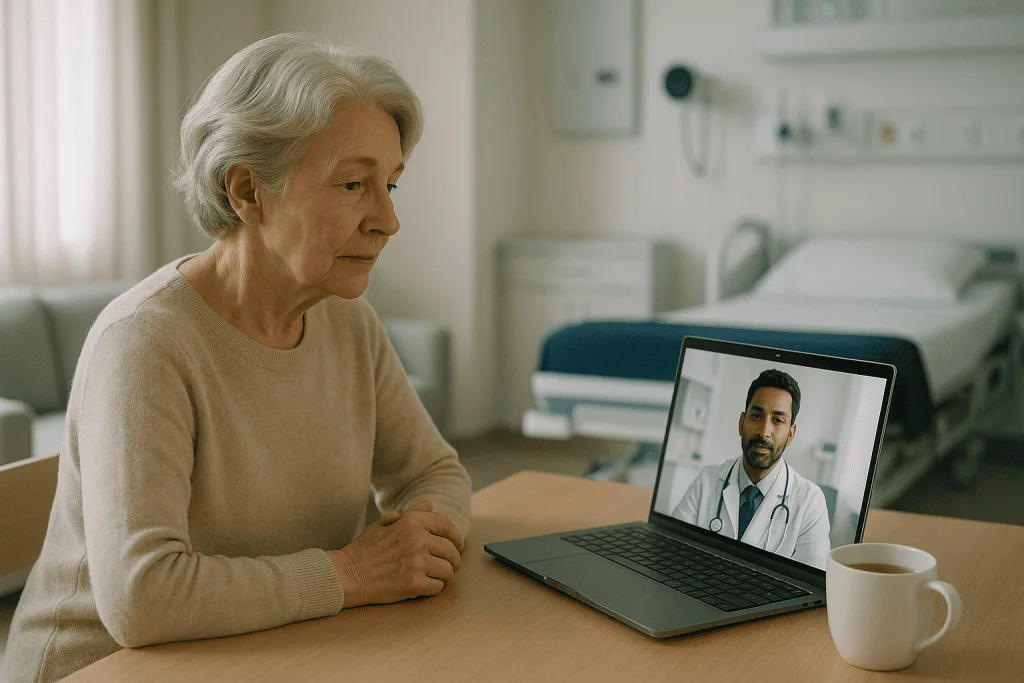
Start planning 24–48 hours before you leave. Confirm your discharge summary, prescriptions and follow-up plan in writing, collect all medicines the same day, and book door-to-door transport to a room set up for rest. If you are recovering alone in Turkey, arrange a daily check-in person and save the hospital's contact routes before discharge day, not after.
Who carries your bag up to the room? Who knows your schedule if you sleep through the morning? These questions tend to arrive on the last day in hospital, when you are tired and ready to go. They are much easier to answer a day or two earlier.
If you are leaving hospital in Turkey without a friend or family member beside you, a written discharge plan does most of the work that a companion would otherwise do. This guide shows you how to prepare for hospital discharge in Turkey if you are recovering alone: what to confirm on the ward, what to collect before you walk out, how to set up your room, and how to keep yourself connected during the first days.
At a glance
- When to start: 24–48 hours before your expected discharge, or as soon as your team mentions a date
- Core documents: Discharge summary, prescriptions, test results, follow-up plan, fit-to-fly guidance if relevant
- Key logistics: Door-to-door transport, a recovery-ready room, medicines collected the same day
- Support to arrange: Interpreter if needed, hospital contact route, a daily check-in person at home
- Do not leave without: Written warning signs for your procedure and the contact route that goes with each one
Why you should prepare for hospital discharge in Turkey if you are recovering alone
Discharge is not just the moment you are medically cleared to leave. It is the moment responsibility transfers to you: taking medicines correctly, protecting a wound, getting to follow-up appointments, feeding yourself and resting properly. When you are recovering alone in an unfamiliar city, possibly in a second language and in temporary accommodation, each of those tasks carries a little more friction than it would at home.
None of this makes solo recovery unmanageable. It makes preparation more valuable. The goal is simple: leave the hospital with everything written down in plain language, so you never have to rely on memory when you are tired. That means knowing what each medicine is for, what activity to avoid and for how long, which symptoms are expected, which ones are not, and exactly which number or route to use for each kind of question.
Hospitals that regularly treat international patients, including Acibadem, usually have patient services teams who help coordinate interpreters, transport, follow-up scheduling and accommodation questions before discharge. If you travelled without a companion, that coordination is worth using deliberately rather than incidentally. If you are still in the planning stage of your trip, the guide to travelling to Turkey for surgery alone covers the decisions that come before admission; this one covers the days after it.
What to arrange before you leave the hospital
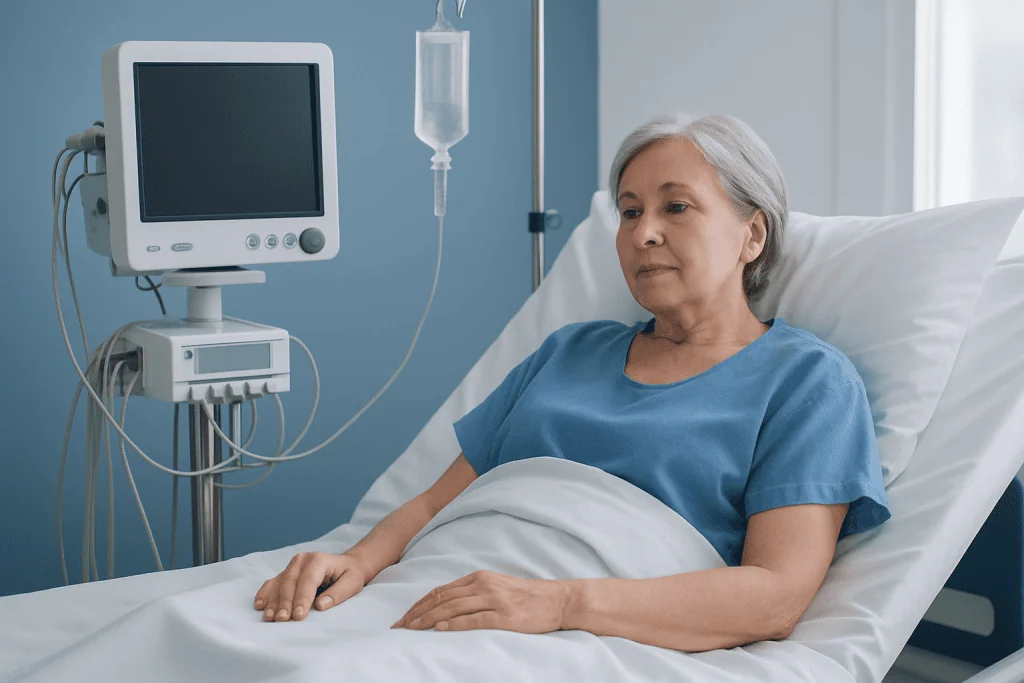
Do not wait for the final hour. As soon as your team suggests a likely discharge day, start a checklist. Confirm where you will stay, how long the journey takes, whether there are stairs or a lift, and whether you will need help with luggage. If your mobility is limited, ask whether a wheelchair transfer from the ward to the vehicle can be arranged.
Documents
Your discharge summary is the single most important item you take with you. It describes your diagnosis, what was done, the medicines you leave with and the follow-up that is planned. Read it before you leave the ward, not at the airport, and ask for it in English or another language you understand well. If anything in it does not match what you were told verbally, raise it there and then, corrections take minutes on the ward and much longer once you are home. The guide to what discharge documents you receive before you travel home explains what each paper is for and why your doctor at home will want copies.
Medicines
Ask the nurse, doctor or international patient coordinator to go through your medicines one by one: what each is for, when to take it, whether food matters, and what side effects should prompt a question. Make sure you understand which items are new and whether anything about your usual medicines changes, any decision to start, stop or adjust a medicine belongs to your treating doctor, so get it stated clearly in writing rather than working it out yourself later. Collect every prescribed item, including dressings and any injection supplies, on the same day you leave. Do not assume you will feel like going back out once you reach your room. A written record helps here too; see how to prepare a medication list for treatment in Turkey for a format that works before and after admission.
Follow-up
Confirm the follow-up plan in writing: the date and location of your next appointment, whether blood tests or imaging are needed before it, when stitches or dressings should be checked, and whether your team considers you fit to fly and from what date. If you are staying in Istanbul or elsewhere in Turkey for a short recovery period, ask how the team prefers to receive non-urgent questions between discharge and review: a named route saves you guessing later.
- Read the discharge summary before leaving the ward
- Collect all prescribed medicines and supplies the same day
- Save the key phone numbers in your mobile, not on paper alone
- Ask for instructions in English or your preferred language
A separate walkthrough, what to check before leaving the hospital on discharge day, works through this final review item by item.
Setting up your accommodation for a safe recovery

Choose your room for recovery, not for tourism. You want a clean, quiet space with easy bathroom access, a lift if stairs are difficult, reliable heating or cooling for the season, and a bed you can get in and out of without strain. If your treatment leaves you fatigued or moving carefully, even a short walk to a shop can feel like too much in the first days, plan as though it will.
Set the room up before you rest, not after. Put drinking water, simple food, tissues, your phone charger, medicines, discharge papers and any dressing or hygiene supplies within arm’s reach of the bed. Keep the floor between bed and bathroom clear, and leave a light on or within reach if you expect to wake at night. If your treatment affects balance, strength or vision, good lighting stops small problems becoming falls.
If you arranged your trip with support from an international patient team, ask what practical accommodation help is available. Acibadem’s international patient services often assist with travel and stay logistics, which can matter when what you need is a room near the hospital on a simple transport route rather than a hotel chosen for sightseeing. Preparing for hospital discharge in Turkey when you are recovering alone is largely about removing small obstacles before they meet a tired version of you.
Transport, communication and daily support
The journey from ward to room is the most overlooked part of discharge. If you are tired, sore or moving slowly, public transport is rarely the right choice, whatever it costs in comparison. Book door-to-door transport, confirm the driver knows the exact drop-off point, and make sure you will not carry heavy bags alone. Ask the ward whether help is available getting from your room to the vehicle.
Communication matters as much as transport. Before you leave, save in your phone: the hospital department number, your international patient coordinator if you have one, your hotel reception, a reliable taxi app, and one trusted person at home who knows your daily schedule. If Turkish is not your language, keep your hospital’s name and address, your accommodation address and your key medical details written in both English and Turkish in a phone note you can show to any driver or receptionist.
If you genuinely have no one with you in Turkey, build a check-in system. Ask a family member or friend at home to message or call at fixed times each day for the first 48 hours, and agree in advance what they should do if you do not answer, which hospital to phone, which local number to try. This costs nothing to set up and replaces the most important thing a companion provides: someone who notices.
Eating, resting and managing yourself day to day
Recovery goes better when the basics are easy. Before discharge, decide how meals, water and supplies will reach you without overexertion: a grocery within a short walk, room service, a delivery app installed and tested, or meals arranged through your accommodation. Choose simple foods your team has said are suitable, especially if your appetite is low or certain foods interact with your medicines: that detail belongs in the medicine review on the ward, so ask while you are still there.
Build your day around rest, hydration and medicines taken on time. Set phone alarms for doses and dressing changes if you are worried about forgetting. Keep a short daily log, medicine times, how you feel, your temperature if you were asked to monitor it, and questions for your next review. When you are tired, a written note is more reliable than memory, and it makes your follow-up appointment far more useful because you can describe your recovery precisely instead of approximately.
Do not expect to feel steadily better every hour. Tiredness, discomfort and flat days are a normal part of recovering from treatment. What matters is knowing what your team expects for your procedure and what falls outside that range, which is a question to settle before you leave the ward, not one to guess at from your room. Practical detail on the first days out of hospital, including dressings and what your team means by red flags, is covered in managing wound care, dressings and red flags after discharge in Turkey.
Costs, insurance and how paying works
Two questions come up constantly from international patients, so it is worth answering them plainly. First: medical care in Turkey is not free for tourists. Turkey’s public health system covers people enrolled in its social security scheme; visitors are generally expected to pay for treatment themselves or through insurance. Travel insurance policies differ widely in what they cover, and many exclude planned treatment abroad, so check your policy’s wording before you travel rather than after.
Second: there is no single answer to what a hospital visit costs, because the amount depends on the type of treatment, the length of stay, the tests and imaging involved, the hospital itself and whether anything unplanned occurs. For planned treatment, hospitals typically prepare an itemised quote in advance. The useful questions are structural ones: what exactly does the quote include, what would sit outside it, how would an extra night or an additional test be handled, and what documentation will you receive for an insurance claim. Ask for the answers in writing before treatment, and keep every invoice and receipt with your discharge papers.
Warning signs, travel timing and knowing your limits
Every good discharge includes a written list of warning signs specific to your treatment. Ask your team to spell them out before you leave: the wound changes they would want to know about, the level of pain that falls outside the expected range, and symptoms such as fever, bleeding or breathlessness where these are relevant to your procedure, together with the contact route that goes with each one. Generic lists are a starting point; a list written for your operation, in a language you read easily, is what you actually want in your phone.
Be equally realistic about travel. Your team will tell you when review is needed and when flying is reasonable for your procedure; leaving earlier than advised trades a day of convenience against your recovery. A common mistake among solo patients is scheduling sightseeing or a return flight tightly against discharge, on the logic that the hardest part is over. In practice, the first day or two out of hospital is often when fatigue catches up. Keep those days empty. When your team does clear you to travel, preparing for discharge and your flight home after treatment covers the journey itself.
If your hospital is part of a large system such as Acibadem, ask before discharge how a problem would be handled if one appeared after you left, which department holds your records, how a review would be arranged, and which route applies out of hours. Knowing the pathway in advance is very different from working it out at midnight.
Step by step: discharge planning in ten steps
- Confirm your discharge timing early. As soon as your team says discharge is likely, ask whether it means today, tomorrow or later. Every extra hour of notice makes the rest of this list easier.
- Read your discharge summary line by line. Go through it with a nurse, doctor or coordinator before you leave the ward, and ask questions until nothing in it is unclear.
- Understand every medicine before you leave. What it is for, when to take it, whether food matters, and what any change to your usual medicines means, confirmed in writing by your treating doctor.
- Collect all medicines and supplies the same day. Prescriptions, dressings, support items, everything, before you reach your room, so tiredness never forces a second trip.
- Confirm follow-up in writing. Appointment dates, any tests needed beforehand, when dressings or stitches are checked, and how to send non-urgent questions in between.
- Ask about fitness to fly and minimum stay. Get the earliest reasonable travel date for your procedure from your team, and book flexibly around it rather than tightly against it.
- Book door-to-door transport. Match the transfer to your condition, not the fare. Confirm the drop-off point and how your bags reach your room.
- Set up your room before you rest. Water, medicines, charger, food, tissues and documents within reach; the path to the bathroom clear; a light within reach at night.
- Arrange a daily check-in routine. Fixed contact times with someone at home for at least the first 48 hours, with an agreed plan for what they do if you do not answer.
- Keep a simple recovery log. Medicine times, symptoms, temperature if asked, and questions for review. It keeps you honest about how recovery is actually going.
Your checklist
- Discharge summary in English or a language you understand
- Prescription medicines and dressing supplies collected before leaving hospital
- Written list of warning signs and the contact route for each
- Follow-up appointment date, time and location confirmed in writing
- Fit-to-fly guidance and earliest travel date noted
- Door-to-door transport booked from hospital to accommodation
- Room prepared with water, food, medicines and easy bathroom access
- Phone charged, with hospital, coordinator, hotel and family contacts saved
- Daily check-in person arranged for the first 48 hours
- Invoices, receipts and insurance paperwork kept with your discharge papers
Key takeaways
- Start discharge planning the moment a discharge day is mentioned, not on the day itself.
- Leave with everything in writing: summary, medicines, follow-up, warning signs and contact routes.
- Collect medicines and set up your room before fatigue arrives, not after.
- Replace a companion with systems: door-to-door transport, saved contacts and daily check-ins.
- Keep the first days after discharge empty, and let your team set your travel date.
Frequently asked questions
Can a hospital discharge you if you can’t take care of yourself?
Discharge is a medical decision, and part of that decision is whether you can manage safely with the plan in place, instructions, medicines, transport and follow-up. If you are alone and worried about coping, raise it with the ward team early, because the plan can often be adjusted before the date is fixed rather than after.
What are the 10 steps of discharge planning?
There is no single official list, but a practical version is: confirm timing early; review the discharge summary; understand every medicine; collect medicines the same day; confirm follow-up in writing; ask about fitness to fly; book door-to-door transport; set up your room; arrange daily check-ins; and keep a recovery log. The step-by-step section above expands each one.
Is medical care free in Turkey for tourists?
No. Turkey’s public system covers people enrolled in its social security scheme, and visitors are generally expected to pay for care themselves or through insurance. Check your travel insurance wording carefully, as many policies exclude planned treatment abroad.
How much does a hospital visit cost in Turkey?
It depends on the treatment, the length of stay, the tests involved and the hospital, so no single figure is honest. For planned care, hospitals usually prepare an itemised quote in advance. Ask what the quote includes, what sits outside it, and what documentation you will receive for any insurance claim.
What documents should I ask for before discharge?
Your discharge summary, prescriptions, relevant test or imaging reports, written follow-up details and fit-to-fly guidance if you are travelling soon. Ask for the key instructions in English or another language you read well, and keep digital copies as well as paper ones.
How should I get back to my hotel or apartment after discharge?
Choose a door-to-door option matched to your energy and mobility rather than the cheapest route. If you are weak, sore or carrying medical supplies, ask the hospital or international patient team to help arrange a practical transfer instead of using public transport.
What if I do not speak Turkish well?
Keep your hospital’s name and address, your accommodation address and key medical details written in both English and Turkish in a phone note. International patient services at hospitals such as Acibadem can often provide interpreter support around discharge and follow-up, ask what is available before discharge day.
How long should I stay in Turkey after discharge?
There is no universal rule, because it depends on your treatment, how your recovery is going and the follow-up your team has planned. Your treating team will tell you when review is needed and from what date flying is reasonable for your procedure; book travel flexibly around that advice rather than tightly against it.
Add us as a Preferred Source to see more of our trusted health content across Google Search, AI Overviews and Discover.

Update history
- PublishedAugust 14, 2026
- Medical review approvedSeptember 13, 2026
- Last content updateSeptember 13, 2026
References3
- Medical Tourism: Travel to Another Country for Medical Care: CDC Travelers' Health wwwnc.cdc.gov
- Being discharged from hospital: NHS nhs.uk
- After Surgery: MedlinePlus medlineplus.gov
More Patient Guides

Septoplasty Recovery: Week by Week
Learn what to expect after deviated septum surgery: a week-by-week septoplasty recovery timeline, when it is usually safe to fly home, and…

Gallbladder Surgery Recovery: Week by Week
Learn what to expect after gallbladder surgery: a week-by-week recovery timeline, pain, diet, wound care, when it is safe to fly home…
Robotic Hysterectomy Recovery: Week by Week
Recovery from robotic hysterectomy week by week: pain, lifting, wounds, driving, flying home safely, warning signs and questions to ask before you…

Breast Reconstruction Recovery: Week by Week
DIEP flap recovery week by week: hospital stay, drains, pain, walking, showering, driving, when it is usually safe to fly home, and…