

Planning Safe Sightseeing Around Medical Treatment in Turkey

Yes, most medical travellers can enjoy some sightseeing in Turkey, provided outings fit around appointments, energy levels and the treating doctor's instructions. The safest approach is to sightsee before treatment or on medically cleared rest days, keep each outing short and close to your hotel, use pre-arranged transport, and book only flexible activities you can cancel without losing anything.
You have travelled a long way, you have a few free hours between appointments, and the city is right outside your hotel. Should you go out? Usually yes, as long as the outing fits around your appointments, your energy level, and your medical instructions.
This guide walks through planning safe sightseeing around medical treatment in Turkey, choosing the right days, the right places and the right pace, so that outings support your trip instead of competing with it. None of it replaces the instructions your treating doctor gives you; those always come first.
At a glance
- Best timing: Sightsee before treatment or on rest days your doctor has cleared, not while fasting, preparing, or waiting for results
- Key rule: Your doctor’s instructions outrank every tour plan, guidebook and hotel recommendation
- Best pace: One short outing at a time, with seated breaks, shade, and pre-arranged transport
- Bookings: Flexible and refundable only, until your medical schedule is confirmed
- Carry: Passport copy, hospital and hotel details, medication list, water if permitted, sun protection
Start with the treatment plan, then build the sightseeing around it
Planning safe sightseeing around medical treatment in Turkey starts in the wrong place if it starts with a list of attractions. It starts with your medical schedule. Before you look at museums, boat trips or bazaars, find out which days of your visit are likely to be suitable for light activity and which should stay completely free for rest, tests, preparation or observation. Your treating team can tell you this in a way no travel website can, because the answer depends on your procedure, your health, and how your visit is sequenced.
Many international patients feel pressure to fill every open hour. You have flown a long way; an empty afternoon can feel like a waste. It is not. Rest days are working days for your body, and a realistic itinerary treats sightseeing as an optional extra rather than a fixed obligation. If an appointment overruns, if you feel tired, or if your instructions change, a good plan bends without breaking.
If you are still shaping the overall trip, dates, arrival buffer, accommodation, appointment sequence, the step-by-step medical travel planning guide covers that groundwork. This guide assumes the medical plan exists and focuses on fitting the enjoyable parts around it. Once you know exactly when appointments, transfers and rest windows fall, it becomes much easier to see honestly where free time actually sits.
Choose the right moment: before, between, or after appointments
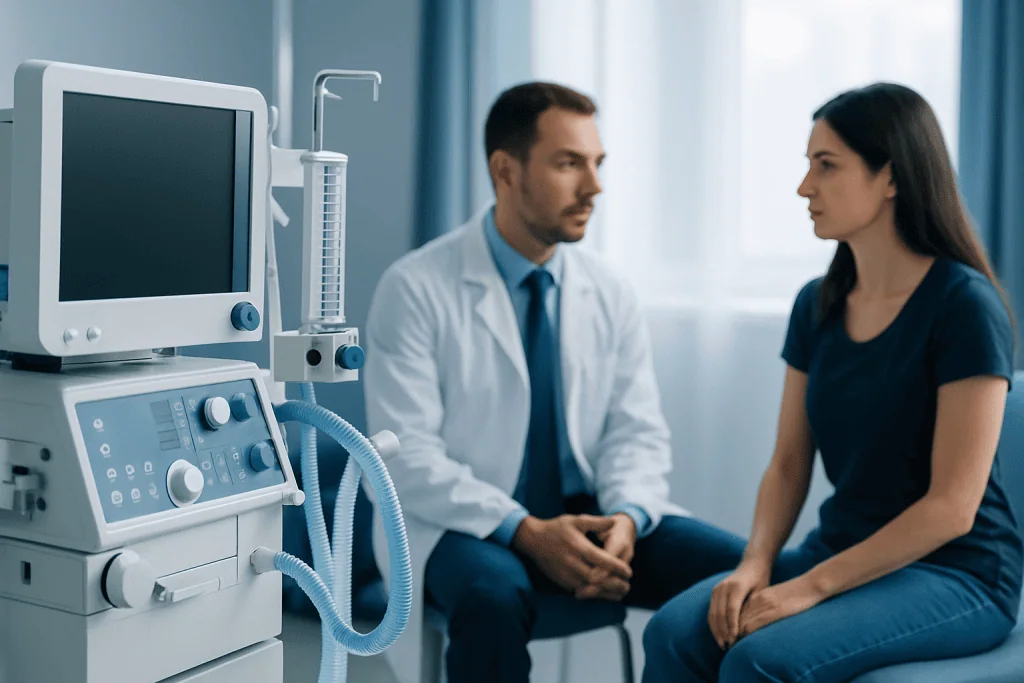
Before treatment is often the most comfortable window, especially if you arrive a day or two early. Gentle outings help you settle into local time, learn your hotel surroundings, and arrive at your first appointment oriented rather than disoriented. Keep them light all the same: flight fatigue lingers longer than most people expect, and pre-procedure instructions about food, drink or medication timing apply on sightseeing days exactly as they do on hospital days.
Between consultations and tests, plan only short, nearby activities. A café with a view, a quiet museum, a scenic drive, or a flat walk near the hotel is easier to manage than a long walking tour. If you are waiting for results or preparing for a procedure, avoid anything that could delay your return or interfere with fasting, medication timing or rest instructions. The question to ask before any between-appointment outing is simple: if the hospital called now, how quickly could you be back?
After treatment, the timing depends entirely on your recovery plan. Some patients are encouraged to take short, gentle walks; others are told to avoid crowds, stairs, heat, lifting, bending, swimming, long journeys or prolonged standing for a set period. These limits vary widely by procedure, so ask what applies to your specific situation rather than relying on general travel advice. The same logic governs when you can fly homeplanning return travel around medical clearance explains how discharge and fitness-to-fly decisions shape the end of the trip.
Pick recovery-friendly places and activities
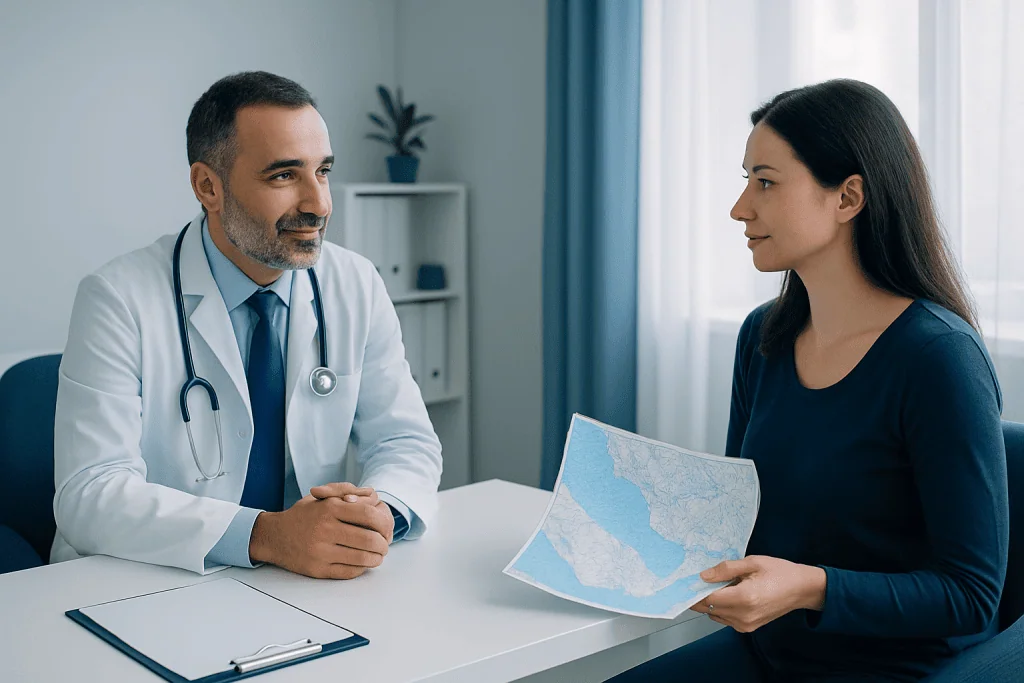
Safe sightseeing around medical treatment is less about seeing everything and more about choosing the right type of experience. Recovery-friendly activities share a pattern: short, flexible, low-effort, close to your hotel or hospital, with seating, shade, toilets, predictable transport and, crucially, the option to leave early without losing anything.
In Istanbul and other Turkish cities, that pattern points towards a scenic car route, a short Bosphorus viewpoint stop, a relaxed meal near your hotel, a small museum at a quiet hour, or a brief visit to a historic district with a driver waiting nearby. On the coast, a shaded seaside promenade usually suits a recovering patient better than a full beach day. Be cautious with activities that sound simple but become demanding in practice.
| Activity | Why it can work | What to watch |
|---|---|---|
| Scenic drive or viewpoint stop | Seated, flexible, easy to shorten | Traffic on the return leg; agree a firm end time |
| Small museum at a quiet hour | Indoors, climate-controlled, benches | Stairs and queues at larger sites |
| Café or restaurant near the hotel | Minimal walking, easy exit | Heavy or unfamiliar food close to procedure days |
| Seaside or park promenade | Flat, shaded stretches, plenty of seating | Midday heat in summer; go early or late |
| Grand bazaars and old-town streets | Memorable, but crowded and often steep | Long standing, uneven paving, hard to exit quickly |
| Hammam, sauna, pools | Traditional experience | Heat, steam and soaking are commonly restricted after procedures, ask your doctor before booking |
| Boat trips and multi-stop day tours | Low walking on paper | Fixed schedules, strong sun, no early exit once under way |
If a demanding activity matters to you, ask your care team whether a shorter version fits your plan: a one-hour bazaar visit with a driver waiting is a different proposition from an afternoon on foot.
Plan transport as part of your safety strategy
Transport decides whether an outing feels pleasant or punishing. After flights, consultations, tests or treatment, you may not want to manage unfamiliar streets, language barriers, stairs, crowded public transport or a last-minute taxi search. Private or pre-arranged transport is especially valuable when you must be back at a fixed time, or when walking distance needs to stay short.
Ask how long a journey takes in real traffic, not on a map. Istanbul traffic shifts sharply with the time of day, weather, local events and the choice of bridge or tunnel route. A nearby attraction can still mean a slow crawl back, while a well-planned scenic drive may be more comfortable than a crowded central destination. Build the return journey into your time budget, not just the outbound one.
If you travel with a companion, agree in advance where you will be dropped off, where the driver will wait, and how you will shorten the outing if you tire. Keep your hospital contact number, hotel address and appointment details on your phone and on paper, offline copies matter when batteries or signal fail. The guide on keeping valuables and medical documents safe during treatment travel covers what to carry and what to leave in the hotel safe.
Protect your energy, hydration, medication and comfort
Your body may be using more energy than usual even when you feel well. Medical travel stacks flights, time-zone changes, emotional load, new foods, hospital appointments and disrupted sleep on top of the treatment itself. Sightseeing should stay gentle enough that you can still attend every appointment, follow every instruction, eat properly and rest.
Carry a light bag only. Bring water if your care plan allows it, small snacks if they fit your instructions, sun protection, a hat, tissues, hand sanitiser, and any medication you may need while out, in original packaging where possible. If you have been given specific instructions about fasting, fluid limits, wound care, compression garments, mobility or foods to avoid, those instructions apply on tourist days exactly as they do on hospital days. Never adjust medication timing to suit a tour; that decision belongs to your treating doctor.
Turkey is hot in summer and busy during holidays, weekends and evenings. Heat and crowds increase fatigue, and for some patients they worsen swelling or discomfort. Plan outings for earlier in the day or quieter hours, and go back to the hotel before you are tired rather than after you are exhausted. If your dates fall across a religious holiday or the summer peak, planning medical travel during peak holiday seasons explains how crowds and closures change the calculation.
- Set a time limit before you leave, and keep it.
- Take seated breaks before you feel tired, not after.
- Do not skip meals, fluids or prescribed rest to fit in a tour.
- Treat every instruction from your care team as valid outdoors, not just in the hospital.
Build a plan you can cancel without losing anything
A safe plan for sightseeing around medical treatment in Turkey includes built-in permission to cancel. Energy during medical travel changes day to day, and not every day will feel like a holiday. A quiet hotel morning, a short walk nearby, or room service with a view is sometimes the wisest use of free time, not a failure of planning, but the plan working as designed.
This is why flexible bookings matter more than ambitious ones. Refundable tickets, tours that can be moved, and restaurants that do not need reservations mean a rest day costs you nothing. It also helps to decide the shape of each day in the morning rather than the week before: check how you feel, check the weather and traffic, check your appointment times, and only then commit.
Before you leave the hospital or clinic, your treating team will tell you which activity limits apply to you and for how long. Those individual instructions replace any general advice, including everything in this guide. And if your health changes before you even depart for Turkey, the guide on when to delay a medical trip for safety reasons explains how postponement decisions are made.
Honest answers about medical travel to Turkey
Because this guide sits inside a bigger decision, it is worth answering the wider questions plainly.
Is travelling to Turkey for medical reasons a good idea? It can be a reasonable choice when it is planned like a medical trip rather than a holiday with a procedure attached: enough days either side of treatment, a clear follow-up plan, travel insurance that covers medical travel, and honest disclosure of your full medical history to the treating team. It is a poor idea when the itinerary is compressed, the follow-up plan is vague, or sightseeing ambitions crowd out recovery time. International bodies such as the CDC publish general medical tourism guidance that is worth reading before any cross-border treatment, whatever the destination.
What is Turkey known for medically? Turkey hosts a broad hospital sector serving international patients across many fields, among them aesthetic and reconstructive surgery, hair restoration, dentistry, ophthalmology, orthopaedics, cardiology, fertility treatment and oncology. Breadth is the honest headline; no single specialty defines the country.
Which hospital is “the best”? There is no official ranking that answers this, in Turkey or anywhere else, and any page that names one should be read sceptically. What you can verify is concrete: whether the hospital is licensed by the Turkish Ministry of Health, the credentials and specialisation of the specific doctor treating you, how the institution handles international patients and interpretation, and what its written follow-up arrangements look like after you fly home.
Is Turkey the world’s number-one medical tourism destination? Rankings of medical travel destinations vary by who compiles them and what they measure, and there is no single authoritative league table. Turkey is consistently among the countries receiving large numbers of international patients; precise rankings beyond that are marketing, not fact.
Step by step
- Raise sightseeing while the trip is being planned. When your treatment schedule is being arranged, mention that you hope to do some light sightseeing. Knowing your priorities lets the team point out realistic windows around consultations, tests, treatment and follow-up, before you book anything.
- Ask your doctor what is safe for your situation. Not the hotel, not a tour guide, not an online forum. Ask specifically about walking, stairs, heat, crowds, swimming, hammams, long drives and heavy meals, and for how long any limits apply.
- Leave buffer days in the itinerary. Avoid a packed schedule immediately before or after treatment. Buffer time absorbs changed appointments, extra tests, shifted discharge timing, or simply more tiredness than expected.
- Plan one simple outing at a time. One short activity, then reassess. If you feel well afterwards, add another gentle outing later; if you feel tired, you return to rest without losing a full day of bookings.
- Arrange comfortable transport in advance. Pre-arranged transfers or a trusted driver, especially after treatment or before a fixed appointment. Confirm the pick-up point, waiting arrangements, realistic traffic timing and the fastest route back.
- Carry essential information every time you go out. Passport copy, hotel address, hospital contact details, medication list, allergy information, emergency contacts, on your phone and on paper, with offline copies in case battery or signal fails.
- Review the plan each morning. Check your energy, medication timing, the weather, the traffic and your appointment schedule. Commit to the day’s outing only after that check, and keep the exit option open once you are out.
Your checklist
- Doctor’s approval for the type and timing of sightseeing you are considering
- Clear appointment schedule with real allowance for traffic and rest
- Hospital and patient coordinator contact details saved and printed
- Medication list, allergy information and any written instructions with you
- Comfortable shoes, loose clothing, sun protection and a light bag
- Water or approved fluids, plus snacks only if your care plan permits
- Pre-arranged transport or a reliable way to return quickly
- A companion or driver who understands your limits and the plan
- Flexible, refundable bookings that can be changed if you need rest
Key takeaways
- Plan sightseeing around medical instructions, never the other way round.
- The best outings are short, flexible, nearby, shaded and easy to leave.
- Pre-arranged transport reduces walking, stress and timing problems.
- After treatment, confirm your individual activity limits before going out.
- Carry hospital contacts, medication details and key documents on every outing.
- Rest days are part of a successful medical trip, not wasted time.
Frequently asked questions
Is it a good idea to travel to Turkey for medical reasons?
It can be, when the trip is planned as a medical trip first: buffer days either side of treatment, a written follow-up plan, appropriate insurance, and full disclosure of your medical history to the treating team. It becomes a poor idea when the itinerary is compressed or holiday ambitions crowd out recovery time. General medical tourism guidance from bodies such as the CDC is worth reading before any cross-border treatment.
What medical treatment is Turkey famous for?
Turkey’s hospital sector treats international patients across many fields, including aesthetic and reconstructive surgery, hair restoration, dentistry, ophthalmology, orthopaedics, cardiology, fertility treatment and oncology. The honest answer is breadth rather than one signature procedure, which is why your research should focus on the specific specialty and doctor relevant to you.
Which hospital in Turkey is considered the best for plastic surgery?
No official ranking answers this question, and pages that name a single “best” hospital are marketing. What you can verify: the hospital’s licensing by the Turkish Ministry of Health, the credentials and case focus of the specific surgeon, how international patients and interpretation are handled, and what written follow-up arrangements exist after you fly home.
What is the number-one medical tourism destination in the world?
There is no single authoritative league table; rankings vary by who compiles them and what they count. Turkey is consistently among the countries receiving large numbers of international patients, alongside destinations such as Thailand, India, Mexico and several European countries. Treat any precise “number one” claim as promotional rather than factual.
Can I go sightseeing before my medical treatment in Turkey?
Often yes, and the days before treatment are usually the most comfortable window, provided you have recovered from the flight and you keep outings gentle. Any fasting, medication-timing or other pre-procedure instructions apply on sightseeing days exactly as on hospital days, so plan around them rather than through them.
Is sightseeing after treatment safe?
It depends entirely on your procedure, general health and recovery instructions. Some patients are encouraged to take short walks; others are told to avoid crowds, stairs, heat, bending, lifting, swimming or long drives for a set period. Your treating doctor’s individual instructions are the answer for your situation, general travel advice cannot substitute for them.
Should I book tours before I travel?
Avoid non-refundable or physically demanding tours until your medical schedule is confirmed. Appointment times, test results and recovery needs can all shift. If you book anything in advance, choose flexible options that can be moved or cancelled, and plan one outing at a time rather than a fixed multi-day programme.
What are good low-effort sightseeing options in Istanbul?
A short scenic drive, a Bosphorus viewpoint stop, a quiet café with a view, a small museum at an off-peak hour, or a gentle walk near your hotel. Look for seating, shade, toilets and easy vehicle access, and skip long queues and dense crowds on days when energy is limited or your instructions restrict exposure.
Add us as a Preferred Source to see more of our trusted health content across Google Search, AI Overviews and Discover.

Update history
- PublishedJune 22, 2026
- Medical review approvedSeptember 13, 2026
- Last content updateSeptember 12, 2026
References2
More Patient Guides
CyberKnife Radiosurgery in Turkey: Candidacy, Treatment Schedule, and Travel Plans
CyberKnife radiosurgery in Turkey involves eligibility review, several planning steps and short outpatient visits; international patients can arrange care in Istanbul.

Traveling to Turkey for Biopsy Review: What Happens Before Treatment Is Confirmed
Biopsy review in Turkey helps confirm your diagnosis before treatment, using pathology slides, reports and specialist assessment in Istanbul.

Flying to Turkey with Recent Scan Results: How to Organize Reports and Images
Organize recent scan results for travel to Turkey by bringing reports, original image files, dates, and a clear medical summary for your…

Complications During Treatment Abroad: How International Patients in Turkey Can Prepare
Complications during treatment abroad can be managed with planning, clear contacts and follow-up support for international patients in Turkey.