

Same-Day Procedure in Turkey: Can You Return to Your Hotel Safely?

Often, yes. After many day procedures you can return to your hotel the same evening, provided your medical team formally discharges you. That decision rests on how you recover on the day: anaesthesia type, stability, pain control, mobility and available support, not your travel schedule. Arrange direct transport, a companion if advised, and a prepared room in advance, then follow the written discharge instructions you are given.
You have a same-day procedure booked, and one question sits behind all the others: will you actually be sleeping in your hotel room that night? For many people the answer is yes. But it holds only when your medical team confirms discharge is safe, and when the practical pieces around it are already in place before you walk into the hospital.
Those pieces are ordinary ones. Transport that does not involve waiting or walking. A companion, if you are told you need one. Medication timing you can actually follow. A room arranged so the evening asks almost nothing of you. This guide explains how the discharge decision is made, what to prepare, and where the plan should bend rather than break.
At a glance
- Short answer: Often yes, once your medical team formally discharges you
- Deciding factor: Your recovery on the day, not your booking or flight schedule
- Usually needed: Pre-arranged direct transport, and an adult companion if advised after sedation or general anaesthesia
- First-night priorities: Rest, fluids, medication timing, and discharge instructions within easy reach
- Less suitable when: Heavy sedation, reduced mobility, uncontrolled discomfort, or no support is available overnight
Can you return to your hotel after a same-day procedure in Turkey?
Often, yes. A same-day procedure in Turkey typically follows one pattern: you are assessed, treated, monitored through a recovery period, and discharged later that day if your vital signs are stable and your doctor is satisfied you can continue recovering safely outside the hospital. The hotel becomes your recovery room for the night. That is workable, provided the hotel, the journey and the evening have been planned with recovery in mind, not sightseeing.
What matters is not the label on the procedure but your state afterwards: the type of anaesthesia or sedation you had, how your pain is controlled, and how much help you need to move around. Two people having the same treatment can leave with different discharge plans depending on age, medical history, how they respond on the day, and whether someone can stay with them.
The hospital team weighs practical questions as well as clinical ones. Can you walk safely, or at least transfer into a car? Can you drink fluids and keep them down? Is your pain manageable with what you have been prescribed? Do you understand your instructions? Is your accommodation suitable, and do you have a reliable way to reach help overnight if something changes?
What “same-day” actually means, and what it does not
The phrase covers two different ideas, and it pays to separate them. The first is same-day discharge: you go home, or back to your hotel, the evening of the procedure. The second is a same-day result: the treatment is completed in one visit. A same-day crown, for example, is designed and fitted in a single appointment. “Same-day dental implants” usually means an implant placed with a temporary tooth attached immediately, but the implant itself still needs months to integrate with the bone before the final restoration is fitted.
Neither meaning implies same-day healing. Tissue recovers on its own timetable, whatever the marketing says. So when you read that something is a same-day procedure in Turkey, ask which meaning applies: leaving hospital the same day, seeing a visible result the same day, or both. The honest answer is frequently “discharge yes, finished result no”, and knowing that in advance saves disappointment and helps you plan the rest of your trip realistically.
How the discharge decision is made
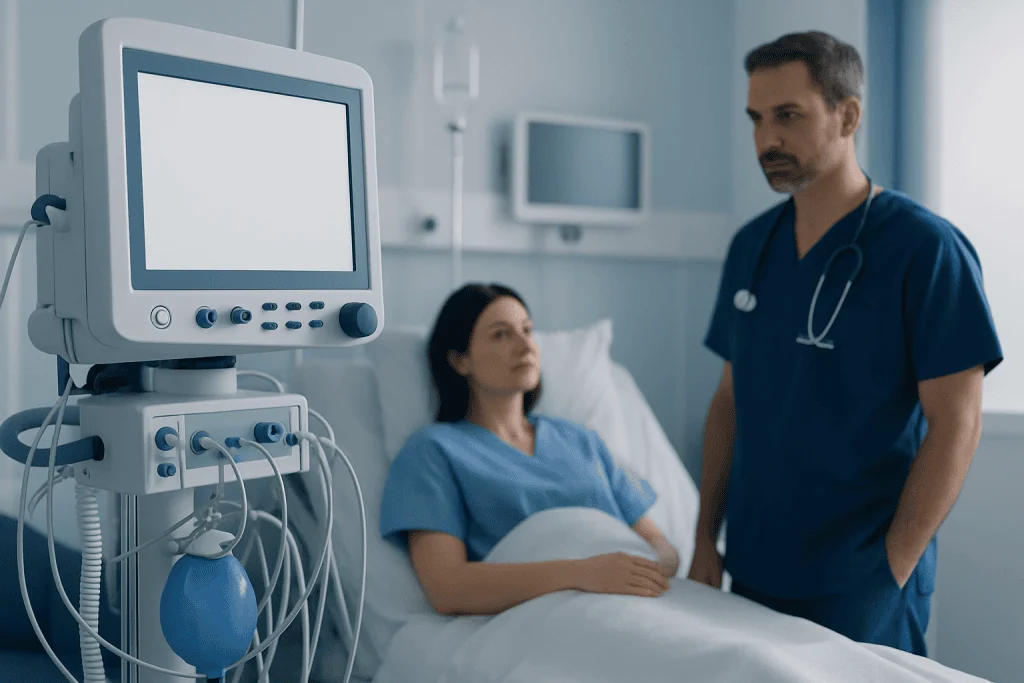
Discharge depends on your recovery status, not on a fixed timetable. Before you leave, the team checks that you are awake enough, stable enough and comfortable enough to continue resting at your hotel rather than staying under observation. They also weigh anything in your history that could complicate the first night, sleep apnoea, diabetes, heart or lung disease, reduced mobility, or a tendency towards dizziness or nausea after anaesthesia.
The type of anaesthesia shapes the evening more than most people expect. The table below is orientation only; your own team sets the exact rules for your case.
| Anaesthesia used | What the first evening usually looks like | Common conditions on discharge |
|---|---|---|
| Local anaesthetic only | You are typically alert and can often walk out; the treated area may stay numb for hours | Protect the numb area, follow eating and drinking advice, avoid driving if told to |
| Sedation | Drowsiness that outlasts the feeling of being “fine”; judgement and reactions are affected for the rest of the day | An adult companion is often required; no driving, alcohol or important decisions for the period your team specifies |
| General anaesthetic (day case) | A longer monitored recovery in hospital first; grogginess or nausea are possible afterwards | Supervision is typically advised for the first night, with strict limits on activity set out in your instructions |
Support is part of the assessment, not an afterthought. Some patients are specifically advised not to be alone for the first 12 to 24 hours, particularly after sedation, or when they may need help walking, eating, keeping track of medication times or noticing changes. If you are travelling without a companion, this is worth raising during planning rather than on procedure day; the guide on travelling to Turkey for surgery alone covers the options in detail.
Expect discharge to be a structured process, not a casual handoff: written instructions, the limits that apply to you, and a clear route for follow-up once you are back at your accommodation. If any part of it is unclear, the time to say so is while you are still in the building.
The journey back: transport that works when you are tired

The journey from hospital to hotel is the part patients most often underestimate. A short ride feels longer when you are sleepy, sore, or moving carefully around a dressing. The safest plan is direct transport with minimal walking, waiting or navigating: a pre-booked car that leaves when you are discharged, not when a queue clears.
Avoid public transport immediately after treatment if you have had sedation, carry dressings, have limited mobility, or were told not to lift, twist or climb stairs. Metro staircases and crowded trams are manageable on a normal day; they are the wrong setting for your first hours out of a recovery unit.
Think about the destination as carefully as the drive. In Istanbul, distance is measured in traffic time, not kilometres: a plain hotel ten minutes from the hospital can serve you better on the first night than a scenic one across the water. Within the hotel, what matters is a lift, step-free access where you need it, a short walk from reception to your room, a private bathroom, and easy access to food and water. If your room is cramped or awkward to reach, ask the hotel whether a more practical option is available before procedure day, not after.
Setting up your hotel room before procedure day
Arrange the room as if you will want to do as little as possible when you return, because you will. Set out bottled water, light food your team has approved, tissues, a phone charger, your passport, your medication list and any prescribed items where you can reach them without effort. If bending or lifting may be uncomfortable afterwards, move bags and daily essentials to waist height before you leave in the morning. The checklist in what to bring for a day procedure in Turkey covers the hospital side of the same preparation.
Plan for a deliberately quiet evening. You may be told not to drink alcohol, not to smoke, not to drive, not to sign important documents, and not to shower until a set time. Choose entertainment that demands little concentration, and lay out loose, easy clothing for the trip back. Extra pillows help with almost every kind of positioning instruction.
Medicines deserve their own corner of the room: somewhere consistent, away from heat and sunlight, where doses are easy to track when you are tired. The guide on storing medicines safely in your hotel room in Turkey goes through this properly, including what to do about anything that needs refrigeration.
Finally, decide in advance where your discharge instructions will live, bedside table, not the bottom of a bag, and save the hospital number, your coordinator’s details and your companion’s number in your phone before the procedure, not after. A broader run-through of the whole day, from arrival to discharge, is in the same-day hospital visit checklist.
When a hotel is not the right place for the first night
Sometimes returning to a standard hotel room is possible but not ideal. If you are expected to have significant discomfort, need frequent medication, have drains or bulky dressings, feel faint on standing, or have been told not to stay alone, a higher-support arrangement suits the first night better.
That does not automatically mean hospital admission. It can mean a companion staying over, accommodation very close to the hospital, an accessible room, or extra assistance arranged through patient services. The right choice depends on how independent you are realistically likely to be that evening, judged honestly, not optimistically.
Extra caution makes sense if you are older, travelling with children, working in a language that is not your strongest, or planning to fly soon after the procedure. Fatigue and unfamiliar surroundings make small recovery hiccups feel much larger at midnight. Building in support early is practical, not excessive.
And if your doctors recommend observation instead of discharge, follow that recommendation even though it disrupts your itinerary. A safe first night outranks a hotel booking, a tour reservation, and every plan you made before you knew how the day would go.
How long you stay in Turkey before flying home
Same-day discharge is not the same as same-day departure. Being cleared to rest in a hotel across town is a different decision from being cleared to sit in a pressurised cabin for hours, far from the team that treated you. For many day procedures a short buffer is sensible; for surgical procedures it is usually essential, because your surgeon will often want to review you before agreeing you are fit to fly.
This is where people searching for quick cosmetic trips are most often misled. Breast surgery, liposuction and abdominal etching are surgical operations, whatever the travel packaging suggests: they typically involve garments, sometimes drains, and a stay in Turkey measured in days rather than hours, with the exact length set by the operating surgeon for your individual case. Anyone quoting you a universal number before examining you is guessing.
The practical consequence: do not lock in a rigid return flight before you know your surgeon’s expected timeline, and build in room to move it. The guide on booking flexible return flights after treatment in Turkey explains how to do that without paying for flexibility you will not use.
What a same-day procedure costs, and why no average is useful
You will find plenty of “average cost” figures online for surgery in Turkey. Treat them as noise. The real number for you depends on which procedure you are having, the anaesthesia involved, how long you occupy a theatre or clinic room, the materials or devices used, an implant brand, a crown material, a stent, the imaging and tests around the procedure, the medicines you leave with, and what follow-up is included.
What you can control is the quality of the quote. Ask for it itemised, so you can see what each line covers, and ask explicitly what is excluded: pre-procedure tests, an extra night if discharge is delayed, follow-up visits, transfers, interpreter support. Exclusions decide whether two quotes are genuinely comparable. There is a full method for this in how to compare two treatment quotes for the same procedure.
The same logic answers the “which hospital is best” question more honestly than any ranking can. For a day procedure, what serves you is a hospital that assesses you properly before quoting, handles day cases as a routine part of its work, gives you a named point of contact, and can admit you overnight without drama if your recovery calls for it. Those are questions you can ask directly, and the clarity of the answers tells you a great deal.
Your discharge instructions: read them before you leave the building
Everything about managing the first night at the hotel comes back to one document. Your discharge instructions set out your medication timing, any change to medicines is your treating doctor’s call, never something to improvise, plus eating and drinking advice, wound and dressing care, showering limits, activity restrictions, your follow-up plan, and the warning signs relevant to your specific procedure along with the steps to take if they appear.
Read them while a nurse is still in the room, not later in the taxi. If English is not your strongest language, ask for a version you can comfortably understand, and have your companion read them too, after sedation, memory for verbal instructions is unreliable even when you feel clear-headed. Discharge means you are well enough to continue recovering outside the hospital; the instructions exist so that neither you nor your companion has to guess what the night should look like.
Step by step
- Ask about discharge criteria before procedure day. Find out from your treating team what conditions must be met for same-day discharge, whether a companion is required, and what would change the plan, before treatment, not after it.
- Arrange direct transport in advance. Plan a simple route from hospital to hotel with minimal walking and waiting. A pre-booked car that leaves when you are discharged beats hunting for a taxi while sore and tired.
- Choose accommodation for recovery, not scenery. Prioritise a lift, step-free access, a short walk from reception, a private bathroom and easy food and water. In Istanbul traffic, proximity to the hospital is worth more than a view.
- Prepare the room before you leave in the morning. Water, approved food, chargers, medicines, documents and comfortable clothes within reach; bags at waist height if bending may be difficult later.
- Understand your discharge instructions completely. Medication timing, eating and drinking, showering, activity limits, warning signs and follow-up, ask for anything unclear to be repeated or written in a language you follow easily.
- Do not stay alone if advised not to. After sedation or certain procedures, an adult should remain with you for the first night. Solo travellers should raise this during planning so support is arranged rather than improvised.
- Keep the first night, and your return flight, flexible. No shopping, sightseeing or airport runs the same evening, and no rigid flight booking before you know the timeline your doctor expects.
Your checklist
- Ask whether you are expected to return to a hotel or stay under observation
- Confirm whether you need an adult companion for the first 12 to 24 hours
- Pre-book direct transport from hospital to accommodation
- Choose a room with easy access, a lift if needed, and a private bathroom
- Set out water, approved snacks, charger, medicines and documents before procedure day
- Decide where discharge instructions and medicines will be kept in the room
- Save hospital, coordinator and companion numbers in your phone before treatment
- Review discharge instructions in a language you fully understand
- Keep flights, long walks and evening plans off the schedule until your doctor confirms the timeline
Key takeaways
- Many patients safely return to their hotel after a same-day procedure in Turkey, but only after formal discharge clearance based on how they recovered that day.
- Anaesthesia type, symptoms, mobility, medical history and available support all shape whether a hotel stay is appropriate for the first night.
- “Same-day” can mean same-day discharge or same-day results: it never means same-day healing, and the difference matters for planning.
- Direct transport, a prepared room and instructions you actually understand make the first evening far more manageable.
- Same-day discharge is not same-day departure: your surgeon’s timeline, not your original itinerary, decides when you fly home.
Frequently asked questions
Will I definitely be able to go back to my hotel after a same-day procedure in Turkey?
Not definitely. Many patients do, but the final decision depends on how you recover on the day, the anaesthesia or sedation used, and whether your doctor considers your hotel setup safe for the first night. Treat the hotel return as the likely plan, not a certainty, and keep the evening flexible.
How long do you stay in Turkey for breast surgery or other cosmetic procedures?
Longer than the procedure itself. Breast surgery, liposuction and abdominal etching are surgical operations, usually involving garments and follow-up review before you are cleared to fly: a stay measured in days, not hours. The exact length is set by your operating surgeon for your individual case, so avoid booking a rigid return flight before you know that timeline.
What is the average cost of surgery in Turkey?
There is no average worth relying on. Cost depends on the procedure, anaesthesia, theatre time, materials or devices used, tests, medicines and included follow-up. The useful question is not “what is the average” but “what does an itemised quote for my case include and exclude”: that is what makes quotes comparable.
Which hospital in Turkey is best for plastic surgery?
“Best” depends on your procedure and your case, and rankings rarely capture what matters to a day patient. Look for a hospital that assesses you before quoting, treats day cases as routine work, provides itemised quotes and written aftercare, and can admit you overnight without difficulty if your recovery requires it.
Can I take a taxi or public transport back to the hotel?
A pre-arranged private car is the practical choice: you leave when discharged, sit comfortably, and avoid stairs, crowds and waiting. Public transport is a poor fit immediately after sedation, with dressings, or under lifting and mobility restrictions, even for a short route.
Do I need someone to stay with me overnight?
Sometimes, yes, particularly after sedation or general anaesthesia, or if you may need help moving around, keeping track of medication times or noticing changes. If your team advises supervision, arrange it before procedure day rather than improvising afterwards.
Is it safe to fly or sightsee right after the procedure?
That depends on your procedure, your recovery and your doctor’s advice. As a rule, keep the same evening and often the following day free, and do not confirm a return flight until your treating team has indicated the timeline for your case.
What if I feel unwell once I am back at the hotel?
This is exactly what your written discharge instructions are for. They describe what is expected after your specific procedure, what is not, and the steps to follow, which is why they belong on the bedside table, read before you left the hospital, with your companion knowing where they are too.
Add us as a Preferred Source to see more of our trusted health content across Google Search, AI Overviews and Discover.

Update history
- PublishedJuly 6, 2026
- Medical review approvedSeptember 13, 2026
- Last content updateSeptember 12, 2026
References2
- Surgery: MedlinePlus, U.S. National Library of Medicine medlineplus.gov
- Anaesthesia: NHS nhs.uk
More Patient Guides

Septoplasty Recovery: Week by Week
Learn what to expect after deviated septum surgery: a week-by-week septoplasty recovery timeline, when it is usually safe to fly home, and…

Gallbladder Surgery Recovery: Week by Week
Learn what to expect after gallbladder surgery: a week-by-week recovery timeline, pain, diet, wound care, when it is safe to fly home…
Robotic Hysterectomy Recovery: Week by Week
Recovery from robotic hysterectomy week by week: pain, lifting, wounds, driving, flying home safely, warning signs and questions to ask before you…
Breast Reconstruction Recovery: Week by Week
DIEP flap recovery week by week: hospital stay, drains, pain, walking, showering, driving, when it is usually safe to fly home, and…