

Sharing Care Tasks Between Family Companions in Turkey
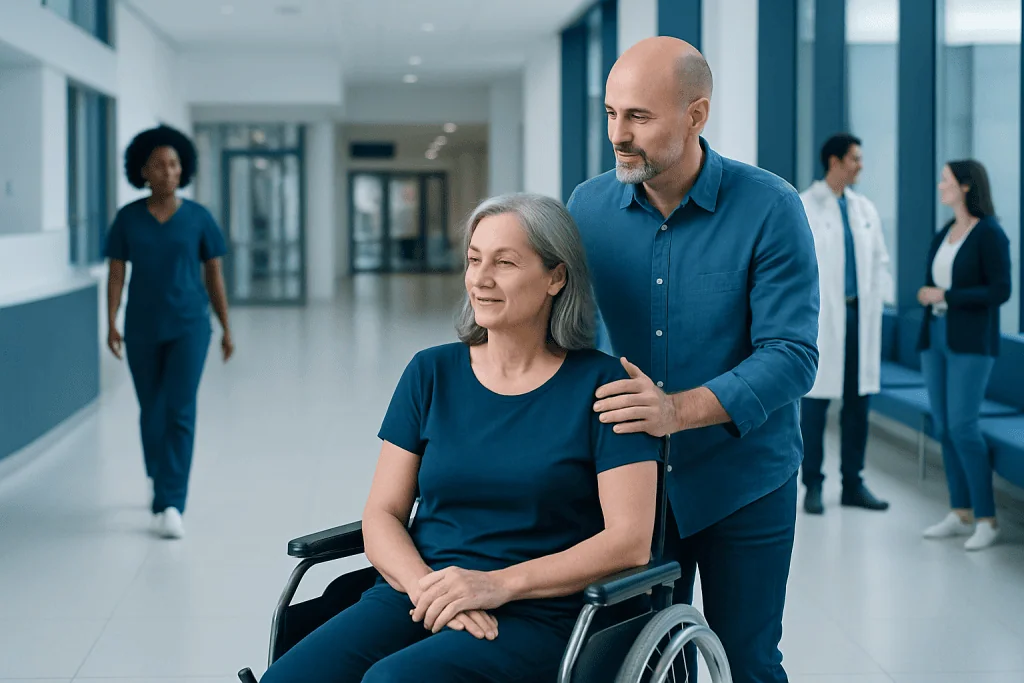
Choose one main family contact and a backup, then divide tasks by strength: hospital notes, logistics, updates for relatives at home, and comfort support. Hand over with a short written note at each shift change, build rest and meals into the daily schedule, and keep the clinical team as the only source of medical instructions. Coordinators and interpreters can help with the practical side.
Who sits in on the appointment, who calls home tonight, and who finally gets some sleep? If two or more family members are travelling with you to Turkey, these small questions decide whether the hospital stay feels calm or exhausting.
Clear roles make a treatment stay calmer, safer and less tiring for everyone. This guide explains how sharing care tasks between family companions in Turkey works in practice: who does what, how to hand over between shifts, and how to protect rest for the patient and for yourselves. It covers the tools that experienced families rely on, a daily schedule, handover notes, a contact list and a rest plan, and shows where Acibadem’s international patient services can take practical weight off your shoulders.
One boundary runs through the whole guide. Companions handle logistics, comfort and communication. Medical decisions, care instructions and anything to do with medicines belong to the treating clinical team. A good companion plan never blurs that line; it makes it easier to respect.
At a glance
- Best for: Patients travelling with two or more companions
- Main goal: Share practical support without confusion or burnout
- Key tools: A daily schedule, written handover notes, one contact list and a rest plan
- Helpful services: Interpreters, international patient coordination and travel support
- Important boundary: Medical decisions and care instructions come only from the clinical team
- If something urgent happens: The local emergency route always comes first, never wait for a message reply
Why sharing care tasks between family companions in Turkey matters
Travelling to Turkey for treatment brings relief and hope, but also a long list of practical details: registration, consultations, transport, accommodation, meals, documents and a steady flow of messages from relatives at home. When several family members come along, the instinct is often for everyone to stay close, hear every update and help with every request. That instinct is kind, but without a plan it produces the opposite of what you want: a tired, crowded room, repeated questions to staff, and a patient who cannot rest.
Sharing care tasks between family companions in Turkey is not about strict rotas or hierarchy. It is about agreeing, in advance, who is responsible for what, so that at any given moment one person is present and alert, one is rested, and nobody is guessing. A clear plan protects the patient’s quiet time, keeps communication with the hospital orderly, and lets each companion eat properly, sleep enough and manage their own emotions. Good support is not doing everything at once; it is doing the right thing at the right time.
Many international patients arrive at Acibadem hospitals with a spouse, adult children, a sibling or a close friend. The international patient services team can explain hospital routines, arrange interpreter access and point you to accommodation and transport options: you can read more about that in how families and companions are supported during treatment travel. The clinical team remains your only source of medical guidance. Your family’s job is narrower and just as valuable: stay organised, communicate clearly, and be a calm, consistent presence.
If you have not yet travelled, the best time to agree roles is before you fly. A short family discussion at home prevents most of the friction that appears later under fatigue and time pressure. Our guide to preparing a family care plan before travelling to Turkey walks through that pre-departure conversation in detail.
Choose a main contact and a backup companion
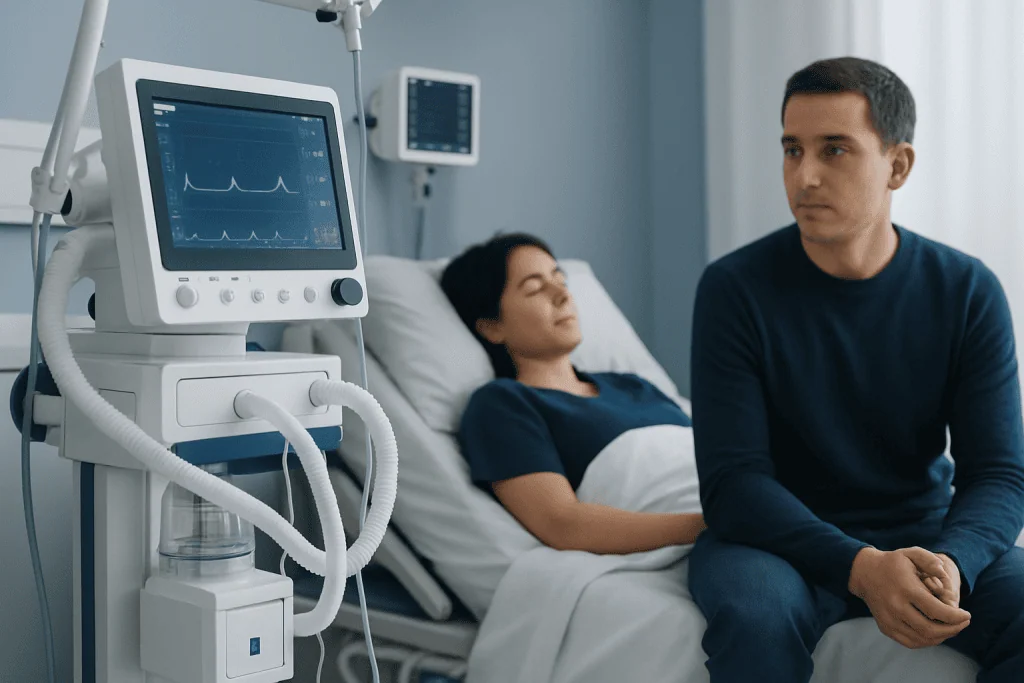
The single most useful decision a travelling family makes is naming one main contact. This is the companion who speaks with the hospital team most often, keeps the notes, receives logistical updates and coordinates the others. Having a main contact does not sideline anyone. It simply means the same question is asked once, the answer is written down once, and everyone reads the same version. Hospitals work more smoothly with families organised this way, and the family itself argues less.
Choose a backup as well. The main contact will sometimes be asleep, in transit between hotel and hospital, emotionally overwhelmed, or dealing with a problem at home. The backup should know where the documents are kept, which numbers to call and what has already been discussed, so that a shift change does not mean starting from zero. Continuity is the whole point.
Pick these two people before you arrive, if you can. Jet lag, language differences and a packed first-day schedule are a poor environment for negotiating family roles. Share the main contact’s name and phone number with your Acibadem coordinator and confirm how the hospital or patient services team prefers to be reached. If family dynamics are sensitive, keep the framing strictly practical: the main contact is not the most senior or most important relative. They are simply the person best able to keep communication tidy, calm under pressure, comfortable taking notes, and reachable.
One caution on privacy: hospital staff may need the patient’s consent before sharing certain information with companions, however close the relationship. Ask the patient early on what they are happy for the family to know and pass on. It is far easier to agree this on day one than to untangle it mid-treatment. For more on how information reaches companions during a stay, see how companions can stay informed during hospital care in Turkey.
Divide daily tasks into simple categories

Families cope better when companion duties are sorted into a handful of clear categories rather than a vague sense that “everyone helps”. One relative may be a careful listener who takes accurate notes; another may be better at booking taxis, sorting laundry and finding a pharmacy; a third may be the natural diplomat who fields calls from home. Match tasks to strengths and you remove most day-to-day tension.
A practical way to split the work looks like this:
| Category | Typical tasks | Good fit for |
|---|---|---|
| Hospital communication | Attending planned discussions, preparing questions, writing down answers, keeping appointment times and room details in one place | The main contact, calm, organised, comfortable writing |
| Comfort support | Sitting with the patient, charging phones, managing personal belongings, small requests | The companion the patient finds most restful |
| Travel and accommodation | Hotel arrangements, transport, meals, clothing, errands outside the hospital | Someone practical who does not mind moving around the city |
| Family updates | Sending one or two structured updates a day to relatives at home, answering their questions | Someone patient with repeated questions and time zones |
| Rest management | Making sure companions actually take breaks, eat and sleep | Anyone willing to be firm with the others |
Two cautions. First, always check with the ward before assuming several companions can be present in the same area at the same time; policies vary by unit, room type and the patient’s condition. Second, keep the categories loose enough to swap. Sharing care tasks between family companions in Turkey works best when roles are clear but not rigid, if the note-taker is exhausted, someone else takes the notebook for a day.
If the patient’s schedule includes gaps between tests and treatment, the logistics companion can also plan how the family uses that time. Our guide to managing time between appointments in Turkey covers this in more depth.
Create a calm handover routine between companions
When companions take turns at the hospital, the habit that matters most is a short, consistent handover. Without it, small but important details slip: which questions were already answered, when the next update is expected, what the patient asked for, which documents were handed to staff. None of these are dramatic on their own. Together, over a two-week stay, they are the difference between an organised family and a confused one.
Set aside five to ten minutes whenever one companion leaves and another arrives. If the conversation might be tiring or emotional for the patient, step outside the room. Stick to practical facts: what happened, what is planned next, who has been contacted, what the patient needs, and what remains unclear. Resist the temptation to interpret medical information beyond what the team actually said. If something is uncertain, write it down as a question for the next appropriate conversation, do not fill the gap with guesswork, because a guess repeated through three handovers starts to sound like fact.
Most families keep handovers in a shared phone note or a small messaging group. Keep the language plain and factual, especially when relatives in other time zones are reading along. A format that works well:
- Today’s scheduleappointments, planned discussions, expected timings
- Key updatespractical facts only, in the team’s own words where possible
- Patient comfortrequests, mood, sleep, anything they need brought in
- Open questionswhat to ask at the next opportunity
- Items to bringchargers, clothing, documents, toiletries
- Next on dutywho arrives, when, and how to reach the person leaving
This structure takes pressure off memory, keeps distant relatives included without them phoning the patient, and gives the backup contact everything needed to step in at short notice.
Plan rest, meals and emotional breaks for companions
Companions consistently underestimate how tiring a hospital stay is, particularly on top of international travel. Many feel that leaving the patient’s side is disloyal. It is not. An exhausted companion listens badly, decides slowly and offers thinner support than a rested one. Rest is part of good caregiving, not a break from it.
Build a daily schedule that gives every companion sleep, proper meals, a shower, fresh air and some quiet time. If your hotel or apartment is near the hospital, treat it as a recovery base, not a luggage store. Where the ward permits an overnight companion, the person who stayed the night should hand over to a daytime companion and go and sleep, genuinely sleep, not sit in the hotel answering messages. Confirm overnight companion rules with the ward team, as they differ by unit, room type and the patient’s condition.
Emotional breaks matter as much as physical ones. One family member may need time to call children at home, to pray, to walk outside, or to speak privately with another relative. Build that time in deliberately rather than hoping it appears. Watch each other for the early signs of burnout: irritability, skipped meals, snapping over small logistics. When you see them, adjust the schedule that evening, do not wait for someone to break down first.
Whether rest is easy or hard to organise also depends on the shape of the treatment itself. A day-case pathway with a hotel base places very different demands on companions than a ward admission. If that decision is still open, our guide to choosing between inpatient and outpatient care in Turkey explains the practical differences for accompanying family.
Use interpreters and coordinators wisely
Even when some family members speak English or Turkish comfortably, hospital conversations feel different from everyday talk. Interpreter support helps you understand appointments, instructions and logistics accurately rather than approximately. When an interpreter is present, let the main contact lead while the others listen and note down follow-up questions. A conversation with four relatives speaking over each other is hard for any interpreter to render faithfully.
Before an important discussion, agree as a family on the questions you most need answered, and rank them. This stops the meeting becoming crowded or circular, and it means the questions that matter get asked even if time runs short. During the conversation, pause when you need clarification, and avoid side discussions in your own language: they make interpretation harder and can leave staff unsure what has been understood. Afterwards, the main contact summarises the key points for the rest of the family using the shared notes, so everyone reads one version rather than four memories.
Acibadem’s international patient services support patients from many countries and can help with coordination, language support, travel-related questions and accommodation guidance. These services work best when your family communicates through one clear contact person and keeps phone numbers up to date. Remember again that staff may need the patient’s consent before sharing certain information with companions, respecting this is part of the job, not an obstacle to it.
Respect privacy, boundaries and hospital routines
When many relatives are worried, the patient can end up fielding constant questions, advice and phone calls, often the same question from five people. During recovery this is genuinely draining. One of the kindest tasks a companion can take on is guarding quiet time and managing the flow of information so the patient does not have to.
Agree in advance how often relatives at home will hear from you. One structured message in the morning and one in the evening is enough for most families, with an extra message only if something genuinely changes. This stops the pattern where several people call the patient or the hospital separately, each getting a slightly different answer. If the patient wants certain details kept private, respect that fully and share only what they have agreed to share, even with close family.
Hospital routines deserve the same respect. There will be times when staff need the room, when visitors must wait outside, or when only one companion is permitted. Follow the ward team’s instructions, keep corridors quiet, and ask before bringing food, flowers, equipment or additional visitors. A calm, cooperative family presence helps the patient feel supported and helps the care environment run properly, which is, in the end, what everyone travelled for.
When plans change: urgent situations and after discharge
However well you organise, treatment stays involve moments when the plan changes. Most changes are ordinary: a rescheduled scan, a delayed discharge, an extra consultation. Handle these through your normal routine: the main contact confirms the new information with staff, writes it into the shared note, and updates the family once.
A small number of changes are not ordinary. If the patient develops a sudden, serious change, severe difficulty breathing, chest pain, heavy bleeding, collapse, or new confusion, call your local emergency number or go to the nearest emergency department now. In Turkey, the general emergency number is 112. Do not wait for a message reply, a coordinator callback or the next scheduled appointment. This applies whether you are in the hospital’s neighbourhood, at your hotel, or travelling between cities. If you are inside the hospital, alert the nearest member of staff immediately.
After discharge, companions often take on a new set of shared tasks: watching a wound, keeping to rest instructions, and knowing which warning signs mean the situation is no longer routine. Divide these the same way you divided hospital duties, and make sure every companion, not just the main contact, knows the red flags the clinical team described. Our guide to managing wound care, dressings and red flags after discharge in Turkey explains what to watch for and how to act. Never adjust, pause or restart any medicine on your own judgement; every medicine question, however small it seems, goes to the treating doctor.
Step by step
- Hold a family planning call before travel. Discuss who is travelling, where everyone will stay and who will act as the main contact and backup. Agree now that plans may shift once the hospital team confirms schedules and visitor arrangements.
- Create one shared information folder. Keep passports, appointment details, insurance or payment documents, medication lists and hospital contacts in one secure place. A digital copy helps, but protect sensitive information and share it only with trusted companions.
- Assign the first 48-hour roles. Arrival, registration, consultations and settling in make the first two days the busiest. Decide who stays with the patient, who manages transport and the hotel, and who updates family at home.
- Set a daily companion schedule. Divide the day into realistic shifts rather than expecting everyone to be present all the time. Include rest breaks, meals and time for each companion to return to the hotel or step outside.
- Use a simple handover note. At every shift change, record what happened, what is planned next, what the patient requested and which questions remain open. Keep medical content limited to what the care team actually said.
- Coordinate interpreter use for key conversations. Gather and rank your questions in advance, and let the main contact lead the discussion so the interpreter and the team can give clear, organised answers.
- Review the plan every evening. Spend a few minutes checking what worked and what needs changing tomorrow. If someone is exhausted or anxious, adjust the schedule that night rather than waiting for burnout.
Your checklist
- Main family contact and backup contact confirmed and shared with the patient
- Acibadem coordinator contact saved on every companion’s phone
- Shared folder prepared for documents, appointment details and travel information
- Daily companion schedule agreed, including rest and meal breaks
- Handover note format chosen and tested before the first shift change
- Interpreter needs discussed for key conversations, questions prepared and ranked
- Family update routine agreed with relatives at home (frequency and channel)
- Hotel, transport and overnight companion arrangements checked with the ward
- Patient’s privacy preferences discussed and written down
- Every companion knows the discharge red flags and the local emergency route
Key takeaways
- Choose one main contact and one backup before you travel; it removes most communication friction.
- Divide tasks by strength: hospital notes, logistics, family updates, comfort support and rest management.
- Use a short written handover at every shift change, and never let guesswork stand in for the team’s words.
- Plan rest and meals as seriously as appointments: a rested companion is a useful companion.
- Protect the patient’s privacy and quiet time by limiting repeated calls and agreeing an update routine with home.
- Routine changes go through your normal plan; sudden serious changes go through the local emergency route, never through waiting.
Frequently asked questions
Can more than one family companion stay with the patient in the hospital?
It depends on the hospital area, room type, the patient’s condition and current visitor policies. In some situations only one companion is allowed at a time, while others wait or rotate. Ask your Acibadem coordinator or the ward team what applies to your specific stay, and build your shift plan around the answer rather than around assumptions.
Who should be the main family contact?
Someone calm, organised and comfortable taking notes. The main contact does not need to be the oldest relative or the person who arranged the trip; they should be the person best able to keep communication clear. Always name a backup for the hours when the main contact is resting or unavailable.
How often should we update relatives back home?
A predictable routine works best for most families, typically once or twice a day at agreed times. This reduces repeated calls and protects the patient’s rest. If something genuinely changes, the main contact sends an additional update. Everything flows through one person, so relatives read one consistent version of events.
What should a companion handover include?
The day’s schedule, practical updates in the care team’s own words, the patient’s comfort needs, items to bring, open questions and who is on duty next. Keep it factual and avoid interpreting medical information. If you are unsure what something means, write it down as a question for the team rather than guessing.
Can Acibadem help if our family does not speak Turkish?
Yes. International patient services can coordinate interpreter support and guide you through many practical hospital processes. For important conversations, prepare and rank your questions in advance and speak through one main family contact: this keeps the discussion clear for the interpreter, the team and your own notes.
How can companions avoid burnout during a long stay?
Plan rest as seriously as you plan appointments. Rotate shifts, eat proper meals, sleep when off duty and give each companion private time to recover emotionally. Watch each other for early signs, irritability, skipped meals, short tempers, and adjust the schedule the same evening rather than pushing through.
What if family members disagree about care decisions or communication?
Separate emotional concerns from practical tasks and return to the patient’s own preferences wherever possible. Medical decisions and instructions are discussed with the clinical team, with the patient’s consent and involvement as appropriate. If disagreements persist, ask for a calm, structured conversation through the proper hospital channel rather than debating at the bedside.
What should companions do if the patient suddenly gets much worse?
For a sudden, serious change, severe difficulty breathing, chest pain, heavy bleeding, collapse or new confusion, call your local emergency number or go to the nearest emergency department now. In Turkey the general number is 112. If you are inside the hospital, alert the nearest staff member immediately. Do not wait for a callback or a message reply.
Add us as a Preferred Source to see more of our trusted health content across Google Search, AI Overviews and Discover.

Update history
- PublishedJune 9, 2026
- Medical review approvedSeptember 13, 2026
- Last content updateSeptember 12, 2026
References2
- MedlinePlus: Caregivers medlineplus.gov
- MedlinePlus: Caregiver Health medlineplus.gov
More Patient Guides
Medical Travel with a Companion: Who Should Come and Why
Medical travel with a companion can make treatment in Turkey easier by providing practical help, communication support and reassurance before and after…

How Family Members Can Help Without Disrupting Recovery
Family support during recovery helps when you listen, organize practical tasks and follow the care plan without taking over, in Turkey or…

Need a Family Member to Travel With You? A Companion Decision Guide
A companion travel guide for treatment in Turkey: decide who should travel with you, plan practical support, and prepare for Istanbul care.

Unexpected Overnight Stay in Turkey: What Patients and Companions Should Be Ready For
Unexpected overnight stay in Turkey? Here is what patients and companions should prepare for, from essentials and updates to hospital logistics in…