

Sleeping Pills and Sedatives After Treatment in Turkey

Sleeping pills and sedatives after treatment in Turkey are safest when you take exactly what was prescribed, at the dose and time on your discharge plan, and nothing more. The main risks come from combining them with alcohol, opioid pain relief or other sedating medicines, and from taking doses during travel without your doctor's agreement. Keep medicines in original packaging with your prescription when you fly home.
A strange hotel bed, a body still recovering, and a flight home in two days. It is no surprise that sleep is one of the most common worries international patients raise before discharge. If your doctor has prescribed a sleeping pill or sedative, this guide explains how these medicines work in your situation, what makes them riskier after a procedure, and how to plan for the nights in your hotel and the journey home.
It is not a substitute for your discharge plan. Every instruction here defers to what your treating doctor has written for you.
At a glance
- The main rule: take only what your doctor prescribed, at the dose and timing on your discharge plan. Dose changes are a decision for the prescriber, not the patient.
- Highest-risk combinations: alcohol, opioid pain relief, sedating antihistamines and anti-anxiety medicines can all deepen sedation when taken together.
- Duration: after treatment, sedatives are usually prescribed as a short course with a planned stop date. Ask what that date is before you leave.
- Travel: keep medicines in original packaging, in hand luggage, with your prescription and discharge summary. Some sleep medicines are controlled drugs in other countries.
- Time zones: “take at bedtime” needs a definition when Istanbul night is not your home night. Ask how to space doses across the journey.
Why sleeping pills and sedatives after treatment in Turkey need extra care
Poor sleep after a procedure is normal. You may be in a new time zone, in an unfamiliar room, adjusting to pain medicine, or simply anxious about recovery and the trip home. In this setting, a doctor may prescribe a short course of a sleeping pill or sedative so you can rest. Used as prescribed, these medicines are a reasonable tool. Used casually, they carry more risk in the days after treatment than at almost any other time.
The reason is stacking. After surgery or a significant procedure, your body may still be clearing anaesthetic agents, and you may be taking pain relief, anti-nausea medicine or antihistamines, several of which cause drowsiness on their own. A sedative added on top does not act in isolation; it adds to everything else in your system. Sedatives also slow reaction time, affect balance, and can worsen breathing in some people, particularly those with sleep apnoea or lung disease. That is why questions about sleeping pills and sedatives after treatment in Turkey deserve a proper conversation before discharge, not a quick answer at the pharmacy counter.
At Acibadem International, discharge planning can include medication reconciliation, a structured check of everything you take, and translated instructions where needed. Before you leave, it is entirely reasonable to ask the team to explain each medicine in plain language: what it is for, when to take it, what to avoid, and when it ends.
What counts as a sedative or sleeping pill
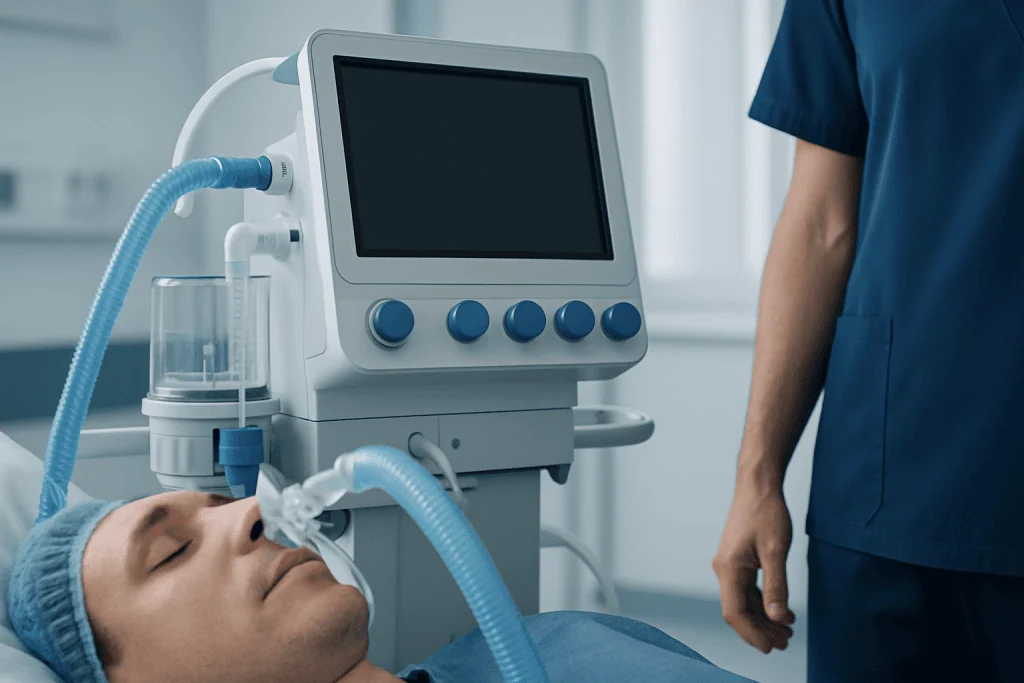
“Sedative” is a broad word. It covers medicines prescribed mainly for sleep, medicines for anxiety, muscle relaxants, and drugs used around procedures to keep you calm. It also covers medicines that were never intended as sleep aids but make you drowsy anyway, certain pain medicines, anti-nausea tablets, allergy medicines and cough preparations among them. After treatment, you may be taking two or three of these at once without realising they overlap.
Brand names change at the border
Medicine packaging and brand names in Turkey often differ from what you know at home, even when the active ingredient is identical. Do not rely on box design or tablet colour. Ask for the generic name, the dose, the schedule and the purpose of each medicine, and keep the written version. If your instructions come in both Turkish and English, keep both copies: a pharmacist or doctor in your home country can work faster from the original document than from your description of “a small white tablet.” This matters again when you land: the guide on returning home with new medicines after treatment in Turkey covers what your home doctor will want to see.
Tell the team what you already take
Your Turkish care team can only plan around what they know. Mention everything: prescription sleeping pills from home, anti-anxiety medicines, antidepressants, herbal sleep aids, melatonin, alcohol habits, and over-the-counter cold or allergy tablets. Supplements count. Many patients assume herbal products are irrelevant because they are “natural”; several of them sedate, and duplication is one of the most common avoidable problems in post-treatment medication plans.
Key safety rules before you take a dose

Stay inside the prescription. Do not take an extra tablet after a difficult night, do not double a dose before a long flight, and do not share the medicine with a companion, what suits your body after your procedure may be unsuitable for theirs. If the label says “as needed,” pin down what that means in practice before discharge: the maximum in twenty-four hours, the latest safe time to take it, and how many days the course should run.
Keep alcohol out of the picture. Alcohol intensifies drowsiness, impairs breathing and judgement, and raises fall risk. This is not a minor caution. The combination of alcohol with sedatives, or with opioid pain medicines, is one of the most consistent causes of serious medication harm in people who are otherwise taking everything correctly.
Understand the pain-medicine overlap. Many post-treatment patients take pain relief in the evening, exactly when a sleeping pill would also be taken. Some pain medicines multiply a sedative’s effect on breathing and alertness. Ask specifically whether the two can share an evening and how far apart they should sit. The guides on pain control after surgery in Turkey and questions to ask about pain control cover this conversation in more depth.
Take the first dose in a safe setting. Be in your hotel room or recovery accommodation, not about to walk outside, manage stairs, sign documents or handle luggage. Sedatives affect people differently, and a first dose after treatment is not the moment to discover you are more sensitive than usual. Keep your phone within reach, and let your companion or coordinator know when you have taken it.
Questions to ask before discharge in Turkey
Ask the care team to review your medication schedule as one complete plan rather than a stack of separate boxes. A nurse, pharmacist or doctor can mark which medicines cause drowsiness and which combinations to avoid, five minutes of annotation that saves confusion at midnight in a hotel.
Useful questions include:
- “Is this for sleep, anxiety, muscle relaxation or something else?”
- “How many nights should I take it, and when does the course end?”
- “Can it share an evening with my pain medicine?”
- “What is the latest time I can safely take it?”
- “Should I take it, skip it or reschedule it around my flight?”
- “Is this a controlled medicine in my home country?”
If you have sleep apnoea, lung disease, a history of falls, are pregnant or breastfeeding, are an older adult, or have reacted badly to sedatives before, make sure the prescriber knows. These factors change what is appropriate, and the plan should reflect them. Acibadem International patient services can arrange interpretation so you are not guessing at instructions; if anything is unclear, ask for it written down using the generic medicine name and read it back. A short clarification at the desk prevents a long confusion at the airport.
Using sedatives safely at your hotel or recovery accommodation
Most medication problems after discharge happen in ordinary moments: getting up at night, taking pain medicine too close to a sedative, forgetting a dose was already taken, or waking disoriented in a room you do not know. Prepare the room before the first dose. Water, phone, glasses and any mobility aid within reach; the path to the bathroom clear; a light you can find without thinking.
If you are travelling with a companion, agree a simple routine. They note the time you took the medicine, keep an eye out for unusual confusion, and help if you are unsteady. If you are alone, be more conservative: no late-night walks, no balcony, no cooking, no smoking, and no hot shower immediately after a dose.
Keep one written medication log, a phone note works, with the medicine name, dose, time taken and how you slept. It answers the 3 a.m. question of whether you already took tonight’s tablet, and it gives your follow-up team accurate information instead of a guess. Medication is only one part of sleeping well in recovery: positioning, room setup and routine matter too, and the guides on sleeping comfortably after surgery in Turkey and sleeping better before and after treatment cover the non-drug side properly.
Flying home with sleeping pills or sedatives
The journey home adds three separate questions: paperwork, timing, and whether to take a dose in the air at all.
Paperwork
Keep all medicines in their original packaging, in hand luggage, never checked baggage, which can be delayed or lost. Carry the prescription and your discharge summary or medication letter alongside them. This matters most for sedatives, because several sleep and anxiety medicines are classed as controlled drugs in some countries, and rules differ by destination and sometimes by airline. Loose tablets in an unmarked container are the single easiest way to create a problem at security or customs that a printed prescription would have prevented. Check your home country’s rules for the specific medicine before you travel.
Timing across time zones
“Take at bedtime” stops being a clear instruction when Istanbul’s night and your home night are hours apart. Taking a dose too close to the previous one deepens drowsiness at exactly the moment you need to manage passports, connections and luggage. Ask your prescriber how to space doses across the journey and on the first night home: it is a thirty-second question with a specific answer.
A dose in the air is a separate decision
Do not take a sedative for the flight unless your treating doctor has said it is appropriate for your situation. After many procedures, the team wants you moving regularly during the flight, drinking fluids and staying alert enough to notice how you feel, aims that deep sedation in an aircraft seat works against, especially combined with pain medicine. A tablet that feels safe in a hotel bed is a different proposition at 11,000 metres. Whether and when to fly at all is its own question, covered in after surgery in Turkey: when is it safe to fly home? If your journey includes a long layover, arrange airport assistance in advance rather than hoping you will feel sharper than you do.
Risks worth understanding, and why courses are kept short
It helps to know what prescribers are guarding against when they limit these medicines, because the limits then stop feeling arbitrary.
Over-sedation and breathing. The most serious risk with sedatives is suppressed breathing, and it rises sharply when they are combined with alcohol or opioid pain relief. This is the reason for the strict rules about combinations, and why doses are never adjusted informally.
Falls and next-day effects. Sedatives can leave a residue of grogginess into the morning, slower reactions, weaker balance, patchier memory. In a recovering body, in an unfamiliar room, that residue translates into fall risk. It is also why driving and important decisions are kept away from the hours after a dose.
Dependence and rebound. With longer use, some sleep medicines become less effective, and sleep can temporarily worsen when they end. This is the main reason post-treatment prescriptions come with a planned stop date rather than an open-ended supply. A short course, taken exactly as written and ended on schedule, avoids most of this territory.
Unusual reactions. A small number of people experience confusion, agitation, memory gaps or unusual behaviour during sleep on these medicines. Prescribers ask about previous reactions precisely because responses vary; your history is part of the prescription.
None of this makes a properly prescribed short course dangerous. It explains why the prescription looks the way it does, specific dose, specific timing, specific end, and why the safest version of these medicines is the one that follows the paper exactly.
Step by step
- List every medicine and supplement you use. Before discharge, show your care team all prescription medicines, over-the-counter products and supplements you brought from home, including herbal sleep aids and melatonin. This is how duplicate sedatives and risky combinations get caught.
- Confirm the purpose and the stop date. Ask whether each medicine is for sleep, anxiety, muscle spasm or something else, how many days the course runs, and how it fits around your flight.
- Pin down the pain-medicine question. Ask specifically whether the sleeping pill and your pain medicine can share an evening and how many hours apart they should sit.
- Prepare your room before the first dose. Clear the floor, keep a light reachable, place water and your phone at the bedside, and stay off stairs and balconies afterwards. Tell your companion when you take it.
- Keep medicines in original packaging for travel. Carry medicine, prescription and discharge summary together in hand luggage. Never decant tablets into unmarked containers for a border crossing.
- Keep alcohol and unapproved sleep aids out of the plan. No alcohol, no extra sleeping tablets, no herbal products or sedating antihistamines added on your own initiative while the course runs.
- Keep your documents and contacts organised. Save your discharge summary, medication list, insurance details and care contacts in one place, phone and paper, before you leave the facility, so nothing depends on searching for paperwork later.
Your checklist
- Your discharge summary lists the generic name, dose and timing of any sedative or sleeping pill.
- You know the maximum daily dose, the latest safe time to take it, and the planned stop date.
- The team has checked your pain medicines and other sedating medicines against the sleeping pill.
- You have asked how the medicine fits around your flight and across time zones.
- You understand that alcohol stays off the table while the course runs.
- Medicines are in original packaging with prescription documents in your hand luggage.
- You have checked whether the medicine is a controlled drug at your destination.
- Your room is set up to reduce fall risk if you wake during the night.
- Your medication log, discharge papers and contact details are stored together.
Key takeaways
- Sleeping pills and sedatives after treatment in Turkey belong inside a written prescription: exact dose, exact timing, planned end.
- The biggest hazards are combinations, alcohol, opioid pain relief and other sedating medicines, and informal extra doses.
- Ask for instructions in a language you understand, built around the generic medicine name, before you leave the hospital.
- For the flight home, original packaging plus prescription in hand luggage is the standard; a dose in the air is a separate decision for your doctor.
- Short courses with stop dates exist for good reasons: breathing risk, falls, next-day grogginess and dependence with longer use.
Frequently asked questions
Can I take a sleeping pill after surgery or treatment in Turkey?
Only if your treating doctor has prescribed or approved it. What is safe depends on the procedure you had, whether you received anaesthesia, which pain medicines you are taking, and conditions such as sleep apnoea or lung disease. The prescription written for your specific situation is the answer, not a tablet brought from home or borrowed from a companion.
Is it safe to take sedatives with pain medicine?
Some pain medicines, particularly opioid-type medicines, multiply the sedating effect of sleeping pills and raise the risk of breathing problems, falls and confusion. Whether the two can be combined, and how many hours apart, depends on the specific medicines and doses, so it is a question for the doctor or pharmacist who can see your full list.
Can I drink alcohol while taking a sleeping pill?
No. Alcohol deepens drowsiness, suppresses breathing further and impairs balance and judgement, and it does all of this more strongly in a body still recovering from treatment. The safe amount of alcohol alongside a sedative course is none.
Should I take a sedative before my flight home?
Not unless your doctor has said it is suitable for you. After treatment, the plan often depends on you moving during the flight, drinking fluids and staying reasonably alert, aims that sedation works against. The decision depends on your procedure, your recovery stage and the length of the journey, which is why it belongs to your treating team.
What documents should I carry for sedatives when leaving Turkey?
The medicine in its original packaging, plus your prescription and discharge summary or medication letter, all in hand luggage. Some sleep and anxiety medicines are controlled drugs in other countries, and rules vary by destination, so check your home country’s requirements for the specific medicine before you travel.
What if the medicine name in Turkey is different from the one at home?
Brand names often change between countries even when the active ingredient is identical. Ask for the generic name, dose and purpose, keep the written discharge plan, and photograph the box alongside it. Pharmacists and doctors at home work from generic names, not Turkish brand packaging.
Can I use melatonin or herbal sleep aids instead of a prescribed sedative?
Not as a private substitution. Melatonin and herbal products still act on the body, can add to the effect of other sedating medicines, and vary widely in strength and quality. If you prefer a non-prescription option, raise it with your prescriber before discharge so the whole plan stays consistent.
How do time zones affect my sleeping pill schedule?
“At bedtime” becomes ambiguous when your departure city and home are hours apart, and doses taken too close together deepen drowsiness. Ask your prescriber how to space doses across the journey and on the first night home: the answer depends on the medicine’s duration of action and your itinerary.
Add us as a Preferred Source to see more of our trusted health content across Google Search, AI Overviews and Discover.

Update history
- PublishedJune 16, 2026
- Medical review approvedSeptember 13, 2026
- Last content updateSeptember 12, 2026
References3
- Insomnia: NHS nhs.uk
- Travelling with controlled medicines: GOV.UK gov.uk
- Medicines for sleep: MedlinePlus medlineplus.gov
More Patient Guides

Flying With Medication: Airline Rules, Documents and Packing
Every day, travelers hold up security lines worrying about a bag full of tablets that nobody actually wants to confiscate. The rules…
How to Send Your Medical Files Securely Before Treatment in Turkey
Send medical files securely before treatment in Turkey by using approved channels, clear file names and a complete health summary.
Pain Control After Treatment in Turkey: What Patients Should Expect and Ask About
Pain control after treatment in Turkey usually includes a tailored medicine plan, clear warning signs, and follow-up support before you leave Istanbul.

Managing Medicines Across Borders After Treatment in Turkey
Managing medicines across borders after treatment in Turkey means carrying clear documents, checking import rules, and planning refills before you fly.