

How to Sleep Better in Turkey Before and After Treatment

Start shifting your bedtime towards Turkish time a few days before you fly, use morning daylight and short walks after arrival, and keep the night before treatment simple and organised. After treatment, balance naps with a regular bedtime, control light and noise in your room, and leave decisions about sleeping pills or supplements to your treating doctor. Most sleep disruption settles within a few nights.
You will probably sleep worse than usual for a few nights around treatment abroad. That is normal, it is temporary, and most of it responds to planning rather than willpower.
This guide explains how to sleep better in Turkey before and after treatment: what to adjust before you fly, how to handle jet lag and the night before a procedure, how to set up a room for recovery, and what the rules around sleeping pills in Turkey actually look like.
At a glance
- Best for: International patients planning treatment and recovery in Turkey
- Main goal: Reduce sleep disruption from jet lag, pre-treatment stress, hospital routines and early recovery
- Most useful timing: From about a week before travel through your first week after treatment
- What helps most: Gradual time-zone adjustment, morning daylight, a calm room setup and realistic expectations
- What to leave to your doctor: Any decision about sleeping pills, sedatives, supplements or changes to your regular medicines
Why it is harder to sleep better in Turkey before and after treatment
Sleep changes when you travel for medical care, even if you sleep well at home. A new time zone, an early flight, unfamiliar food, a hotel bed and the quiet background stress of an upcoming appointment all push against your normal rhythm. If your treatment is in Istanbul or another large city, street noise, bright signage and the general momentum of the place can keep you alert for a night or two longer.
Treatment adds its own layer. Pre-procedure fasting, early blood tests, scan appointments and changed medication timing can all move your evening routine. Afterwards, discomfort, restricted positions, daytime drowsiness from anaesthesia or pain relief, and worry about how recovery is going can each fragment your nights for a while. None of this is unusual, and none of it means your trip is going badly.
The useful shift is to treat sleep as part of your travel logistics rather than something that will sort itself out. You plan your passport, your transfers and your medicines; planning your sleep the same way is what actually helps you sleep better in Turkey before and after treatment. The rest of this guide works through that plan in order: before departure, arrival, the night before treatment, and recovery.
How to prepare before you fly to Turkey
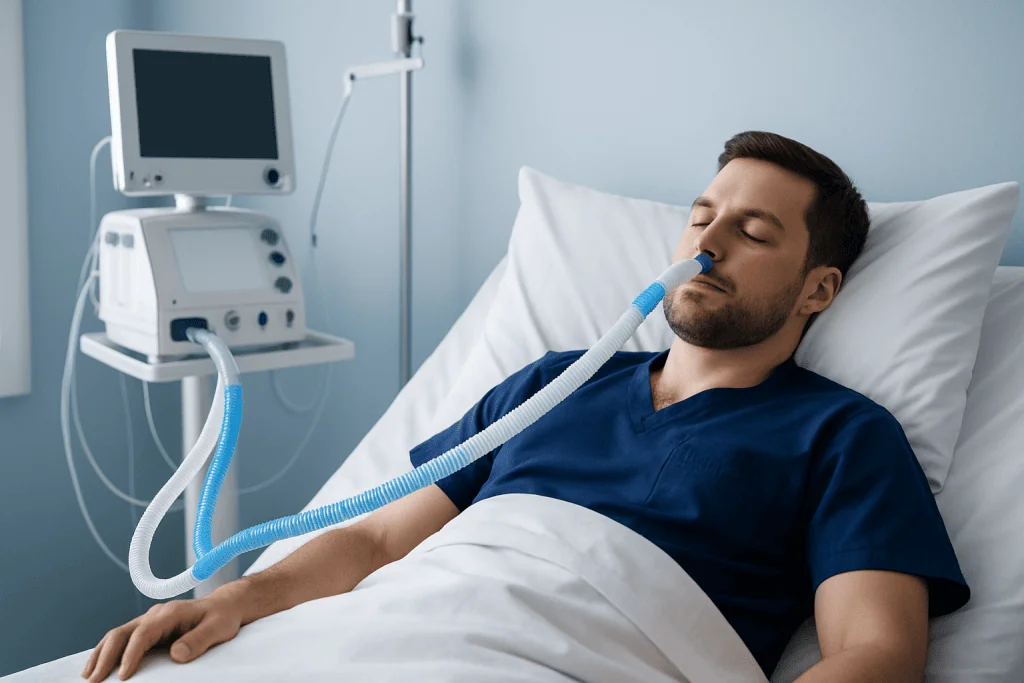
The cheapest, easiest sleep improvements happen before you leave home. Turkey stays on the same time zone all year (UTC+3), which puts it two to three hours ahead of the UK depending on the season, one to two hours ahead of most of continental Europe, and considerably further from North America or the Gulf’s eastern neighbours. If your gap is small, you may barely notice it. If it is large, start moving your bedtime and wake time towards Turkish time in small daily steps during the last few days at home. Gradual shifting is easier on your body than switching everything on arrival day.
Keep the basics steady in the week before travel: regular meals, sensible hydration, some daytime activity, and less screen time late in the evening. If you already rely on a sleep mask, earplugs, white noise or a familiar pillowcase, pack them in your hand luggage. Familiar cues make a hotel or hospital room feel less foreign at 2am.
Review your medicines early, too. Bring enough of your regular prescriptions for the whole trip, in original packaging, in your hand luggage, with a written medication list. If you sometimes use over-the-counter sleep aids or herbal products at home, do not assume they fit around anaesthesia or the medicines you will be given; whether they do is a question for your treating doctor, ideally raised during pre-treatment planning rather than the night before. You can read more about how this works in practice in our guide to how medicines are managed before and after treatment.
- Shift your sleep schedule gradually if the time-zone gap is significant.
- Pack the comfort items you already know work for you.
- Keep prescriptions and a medication list in your hand luggage.
- Raise any sleep aid or supplement you use with your treating doctor before travel, not after.
- If you use a CPAP machine, bring it, along with a plug adapter; hospital and hotel stays go more smoothly with your own equipment.
Managing jet lag and your first nights in Istanbul

Once you land, your job is to convince your body clock that Turkish time is now real time. Daylight is the strongest signal you have. Get outside, or at least sit near a window, during the morning and early part of the day. A short, gentle walk helps too, both for the light exposure and because mild activity makes evening sleepiness arrive closer to when you want it.
If you arrive wrecked, a short nap is fine; a three-hour nap at 6pm is not, because it pushes your bedtime deep into the night. Set an alarm and keep naps brief. Hydration matters more than most travellers expect, long flights and air conditioning leave you dry, and a dehydrated night is a lighter, more broken one. Eat at local meal times from the first day, even if the portions are small.
Your room matters as well. In the evening, lower the lights, silence non-essential notifications and set the temperature slightly cool. If you are in a hotel, a room away from the lift and the street is worth requesting at check-in. These are small levers, but pulled together they are usually enough to sleep better in Turkey before and after treatment without any medication at all.
Sleeping well the night before your procedure
The night before treatment is emotionally loaded even when everything is organised. Many patients put pressure on themselves to get a perfect night’s sleep and then lie awake worrying about not sleeping. Here is the honest position: one restless night before a procedure is common and does not, by itself, derail your preparation. What matters far more is following your instructions precisely, fasting times, which medicines to take or hold, and when to arrive. If you have general anaesthesia ahead of you, our guide to how to prepare for general anaesthesia in Turkey walks through that evening in detail.
Keep the evening deliberately boring. Eat only if your instructions allow it, skip late caffeine and alcohol, and finish the practical tasks early: documents in one folder, clothes laid out, transfer time confirmed. Last-minute packing and repeated route-checking are exactly the activities that keep your mind in planning mode when you want it winding down.
If anxious thoughts keep looping, write tomorrow’s plan down on paper, wake-up time, what to bring, where to be. Externalising the plan stops your brain from rehearsing it all night. Then put the paper down and stop refining it.
What to expect from sleep after treatment
After a procedure, expect your sleep to be different for a while. You may feel heavily drowsy at odd hours in the first day or two, anaesthesia, pain relief and the sheer effort of the trip all contribute, and then find nights lighter and more interrupted than usual as things wear off. Discomfort, dressings, drains, stiffness and restricted sleeping positions all make settling harder. Short-term disruption like this is expected, not a sign that recovery is going wrong.
Balance rest with structure. Nap when you genuinely need to, especially early on, but avoid long naps late in the day. If your team has encouraged walking or gentle movement, use it: it supports circulation and digestion and nudges your sleep rhythm back towards normal. Position matters enormously after many procedures: our guide to sleep positions after surgery covers the practical mechanics, from pillow arrangements to how long position restrictions typically apply.
It also helps to know that poor sleep in recovery usually has a specific, fixable cause, pain relief timing, nausea, reflux, a dressing that pulls when you turn. Nursing teams ask about sleep during recovery checks precisely because these details can be adjusted. Sleep quality is useful information about how your recovery is going, not something to grit your teeth through in silence.
Setting up a sleep-friendly recovery room
Whether you recover in hospital, a hotel or a short-term apartment, think about the room from a comfort-and-safety angle before the first night. Keep water, tissues, your phone and charger, medicines and any approved snacks within arm’s reach of the bed, so you are not getting up repeatedly. If your movement is restricted, clear the path to the bathroom of bags and cables, night-time trips while groggy are when small trip hazards matter most.
Control light and sound. Use blackout curtains if the room has them, cover or unplug glowing device lights, and use a sleep mask or earplugs if nothing about your procedure makes them impractical. Build a short, repeatable wind-down: wash, take the medicines you have been prescribed at their set times, dim the lights, set out tomorrow’s items, stop planning. If a companion is staying with you, agree in advance that calls, room service and logistics happen earlier in the evening, not from the next bed at midnight.
If you are choosing accommodation for recovery rather than just tourism, the criteria change, lift access, bed height, quiet floors and food options all matter more than the view. Our guide to what to check before booking a recovery hotel covers this in detail, and it is worth stocking up on basics before you leave the hospital rather than searching for them at night.
Sleeping pills, supplements and pharmacies in Turkey
A common search question is whether you can get sleeping pills in Turkey. The structural answer: pharmacies (signed Eczane) are widespread in Turkish cities, pharmacists are trained professionals, and in every district some pharmacies take turns staying open overnight as the duty pharmacy (nöbetçi eczane). However, prescription sleeping medicines and sedatives are controlled in Turkey and are dispensed against a prescription from a doctor licensed there: a foreign prescription is generally not enough, and stronger sedatives sit under stricter prescription rules than ordinary medicines. Some milder sedating antihistamine products exist over the counter, as in many countries.
Availability is not the real question, though. Around treatment, the real question is interaction: sedating medicines can stack with anaesthesia, opioid pain relief and other prescriptions in ways that are not safe to judge on your own. Whether any sleep medicine, supplement, melatonin product or herbal remedy fits your situation is a decision that belongs entirely to your treating doctor, who knows what else is in your system. The same applies to alcohol, which fragments sleep and mixes poorly with many recovery medicines. Our separate guide to sleeping pills and sedatives after treatment in Turkey goes deeper into how these decisions are made.
And the other kind of turkey: does eating it make you sleepy?
Because of how this page’s topic reads, some readers arrive asking about turkey the food. The short, honest answer: turkey meat contains tryptophan, an amino acid involved in sleep chemistry, but so do chicken, cheese, eggs and many other everyday foods, in broadly similar amounts. The drowsiness people associate with turkey dinners is far better explained by the size of the meal than the bird. There is no realistic quantity of turkey you could eat to reliably make yourself sleepy, and a heavy late meal is more likely to disturb your night, particularly during recovery, than to help it.
When disrupted sleep is telling you something
Most sleep disruption around medical travel fades as routine returns: local time settles in, appointments finish, discomfort eases. When it does not fade, the cause is usually identifiable, unmanaged pain, nausea, a medication timed awkwardly, or anxiety that has practical roots. That is why aftercare conversations routinely include questions about how you are sleeping; the answer often points to something adjustable.
Keeping a simple note for a few days, when you slept, when you napped, what woke you, which medicines you took and when, turns a vague complaint into concrete information for your follow-up appointments. It is also worth knowing which post-surgical symptoms matter beyond comfort; our guide to warning signs to report after surgery, before flying home covers that ground separately from sleep.
Step by step
- Start adjusting your body clock before departure. If the time-zone gap is significant, move your bedtime and wake time towards Turkish time in small steps over the last few days at home. Arrival day is much easier when the shift is already half done.
- Pack a small sleep kit in your hand luggage. Earplugs, a sleep mask, lip balm, a travel pillow, your regular medicines in original packaging and a written medication list. If you use a CPAP machine, it travels with you, not in the hold.
- Use daylight and movement after you arrive. Morning light, local meal times and a gentle walk are the three strongest signals you can send your body clock. Keep any arrival-day nap short and alarmed.
- Keep the night before treatment calm and finished early. Documents, clothes and transfer details sorted before the evening; fasting and medication instructions followed exactly; the plan written down on paper so your mind can stop rehearsing it.
- After treatment, balance rest with routine. Sleep when your body demands it in the first day or two, then rebuild structure: consistent bedtime, limited late naps, approved movement during the day, and the sleeping positions your procedure requires.
- Treat poor sleep as information, not endurance. Recovery sleep problems usually trace to something specific, pain timing, positioning, nausea, a noisy room, and specifics can be adjusted. A short sleep diary makes those specifics visible at follow-up.
Your checklist
- Passport, treatment documents and key contacts kept together in one folder
- Full-trip supply of regular prescriptions, original packaging, hand luggage
- Written medication list, including any supplements or sleep aids you use at home
- Sleep mask, earplugs and other familiar comfort items packed
- CPAP machine and plug adapter, if you use one
- Fasting and medication instructions for treatment day reviewed the evening before
- Transfer time and next-day appointment timing confirmed early in the evening
- Bedside setup on night one: water, phone, charger, medicines within reach, clear path to the bathroom
Key takeaways
- Sleep disruption during medical travel is common and usually improves with planning and routine, not medication.
- The most effective tools to sleep better in Turkey before and after treatment are gradual time-zone adjustment, morning daylight, short naps only, and a quiet, dark, organised room.
- One restless night before a procedure is normal; following fasting and medication instructions matters far more.
- Sleeping pills and sedatives are controlled in Turkey, and whether any sleep aid fits around anaesthesia and pain relief is a decision for your treating doctor alone.
- Poor sleep in recovery usually has a specific, adjustable cause, note the pattern and bring it to your follow-up appointments.
Frequently asked questions
Is it normal to sleep badly for the first few nights in Turkey?
Yes. Time-zone change, travel fatigue, a new bed and pre-treatment nerves commonly disturb the first nights. For most patients, sleep settles once local time takes hold and the schedule becomes predictable, usually within a few days.
Can you get sleeping pills in Turkey?
Pharmacies are widespread and some stay open overnight on a duty rota, but prescription sleeping medicines and sedatives are controlled and require a prescription from a doctor licensed in Turkey: a foreign prescription is generally not accepted. More importantly, around anaesthesia and pain relief, whether any sedating product is appropriate for you is a decision for your treating doctor, not the pharmacy counter.
Does eating turkey actually make you sleepy?
Not meaningfully. Turkey meat contains tryptophan, but in amounts comparable to chicken, cheese and many other foods. The drowsiness after a big turkey dinner is mostly the size of the meal, not the bird, and there is no quantity of turkey that works as a reliable sleep aid. A heavy late meal is more likely to disturb recovery sleep than improve it.
What should I do if I cannot sleep the night before my treatment?
Do not chase perfect sleep. Follow your fasting and medication instructions exactly, keep the evening simple, write the morning plan on paper and rest quietly even if you are not asleep. One restless night before a procedure is common and does not by itself compromise your preparation.
How can I reduce jet lag when I arrive in Istanbul?
Switch to local time immediately: get morning daylight, eat at local meal times, take a gentle walk if your condition allows, keep any nap short, and stay hydrated. Turkey does not change clocks seasonally, so the gap from your home time zone stays constant year-round.
Why is my sleep strange after anaesthesia?
Anaesthesia and pain-relief medicines commonly cause heavy drowsiness at odd hours in the first day or two, followed by lighter, more fragmented nights as they wear off. Combined with restricted sleeping positions and general recovery effort, temporary sleep changes are expected after many procedures.
How long does sleep disruption usually last around treatment?
There is no fixed timeline, but for most patients it tracks the sources of disruption: jet lag eases over the first days, pre-treatment nerves end with the procedure, and recovery-related disruption fades as discomfort and position restrictions ease. A pattern that persists is worth noting down and discussing at follow-up, because it usually points to something adjustable.
Add us as a Preferred Source to see more of our trusted health content across Google Search, AI Overviews and Discover.

Update history
- PublishedAugust 6, 2026
- Medical review approvedSeptember 1, 2026
- Last content updateSeptember 1, 2026
References3
- Jet Lag: CDC Yellow Book (Travelers' Health) wwwnc.cdc.gov
- Insomnia: NHS nhs.uk
- Healthy Sleep: MedlinePlus medlineplus.gov
More Patient Guides

When a Hospital Stay in Turkey Becomes Longer Than Planned: What to Arrange
If your hospital stay in Turkey is longer than planned, arrange medical updates, accommodation, travel changes, insurance and support for your companion.
Waiting for Test Results in Turkey: How to Use Time Between Appointments
Waiting for test results in Turkey is easier with a clear plan for appointments, rest, records, questions and support in Istanbul.

Unexpected ICU Stay in Turkey: What Patients and Families Should Expect
Unexpected ICU stay in Turkey: learn what patients and families can expect, from communication and visiting to care updates and travel support.

How to Manage Special Diets During Medical Travel in Turkey
Special diets during medical travel in Turkey are easier to manage when you share your needs early, confirm meals and carry safe…