

Soft Foods to Eat After Dental Implant Surgery: 50 Ideas
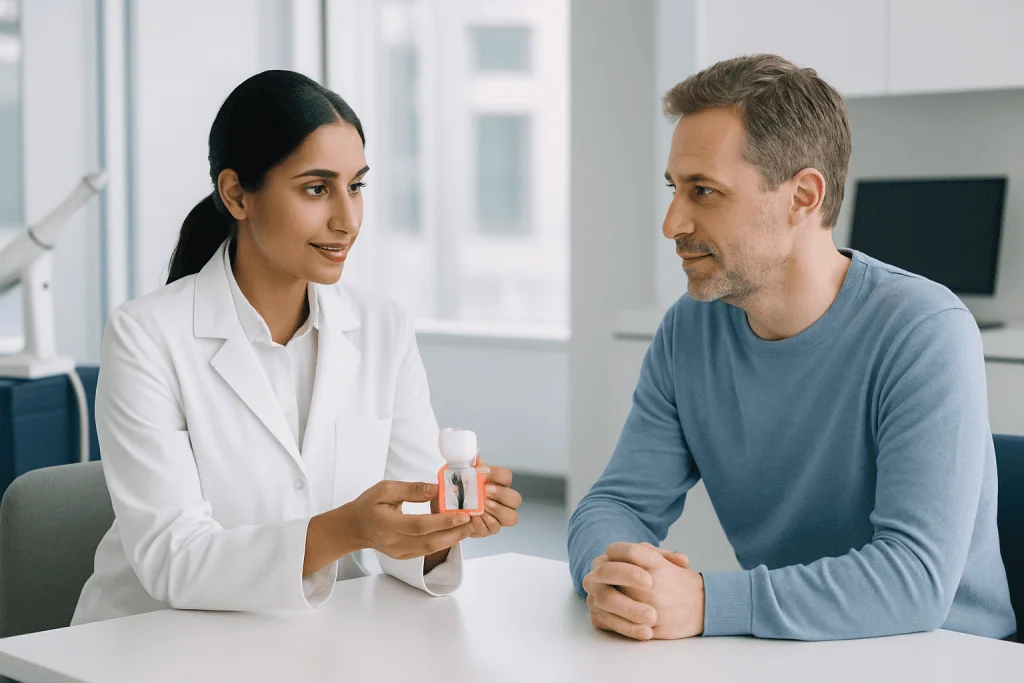
In the first day, choose cool, smooth foods that need no chewing: yoghurt, blended soups, custard, apple purée. Over the following days add mashed vegetables, scrambled eggs, porridge and flaky fish. Most people stay on soft foods for several days to one or two weeks, though bone grafting or multiple implants can extend that. Your surgeon's individual plan overrides any general list.
You have had implant surgery, your mouth is tender, and you want to know what you can actually eat tonight. The short answer: cool or lukewarm foods that need little or no chewing. Yoghurt, blended soups, mashed vegetables, scrambled eggs and smooth porridge all work. Keep any chewing away from the surgical site. This guide lists 50 specific soft foods to eat after dental implant surgery, a realistic timeline for moving up in texture, and the foods worth avoiding until the site has settled.
One caveat comes before everything else. Your own surgeon’s instructions take priority over this or any other food list. The number and position of your implants, whether you had bone grafting or a sinus lift, whether a temporary tooth was fitted on the day, and the type of anaesthesia or sedation used can all change what is appropriate for you and for how long.
At a glance
- First 24 hours: Cool, smooth foods that need no chewing, plus plenty of fluids
- Typical soft-food phase: Often several days to 1–2 weeks; longer after grafting, sinus work or multiple implants
- Temperature: Cool or lukewarm; avoid very hot food and drinks at first
- Chewing: Away from the implant area, and only once your surgeon permits chewing at all
- Avoid: Hard, crunchy, sticky, spicy and seedy foods, plus straws, smoking and alcohol for the period advised
- Best source of advice: Your treating dental surgeon and their written aftercare plan
What can you eat after dental implant surgery?
The most useful soft foods to eat after dental implant surgery share three qualities: they are smooth or easily mashed, they are cool or lukewarm rather than hot, and they need no forceful chewing. In practical terms that means plain yoghurt, blended vegetable soups, mashed potato, scrambled eggs, oatmeal, smoothies eaten with a spoon, and flaky fish once you are a few days in. These foods let you stay hydrated and nourished without loading the surgical area.
Your exact diet depends on your treatment plan. A single, uncomplicated implant may allow a faster return to gentle chewing than multiple implants, an immediate temporary bridge, a sinus lift or a bone graft. If your surgeon has told you to stay on liquids longer, to keep pressure off a particular area, or to avoid a whole side of your mouth, that instruction beats anything written here. A general list cannot see inside your mouth; your surgeon has.
If you travelled abroad for treatment, it is worth confirming two things before discharge: when you can progress beyond liquids or soft foods, and which side of your mouth you may use for chewing. A written aftercare plan you fully understand is worth far more than any general food list once you are back home.
Your food timeline after implant placement
Healing is individual, so treat this timeline as a practical framework rather than a fixed schedule. Swelling, tenderness, the type of restoration placed and any additional surgical work all affect when you can safely increase food texture. Some people move faster; others need longer at each stage. Neither is a failure.
| Recovery period | Food texture to consider | Practical guidance |
|---|---|---|
| Day 0 to Day 1 | Cool liquids and very smooth foods | Choose foods requiring no chewing at all. Avoid hot drinks, alcohol, straws and vigorous rinsing unless your surgeon says otherwise. |
| Days 2 to 3 | Soft, spoonable foods | Add yoghurt, mashed vegetables, scrambled eggs and blended soups once you are comfortable. |
| Days 4 to 7 | Soft foods with gentle chewing | Only if approved, chew carefully away from the surgical site. Continue avoiding crunch, seeds and sticky textures. |
| Week 2 | Soft, fork-tender meals | Flaky fish, very tender pasta and well-cooked vegetables may return if pain and swelling are clearly improving. |
| Weeks 3 to 8 and beyond | Gradual return as advised | The implant must stay protected while it integrates with bone. Your surgeon’s limits on chewing and hard foods apply throughout this period. |
It helps to know what normal healing looks like against this timeline. Discomfort and swelling that peak in the first days and then steadily improve are the usual pattern. Pain that worsens after the first few days, fever, a persistent bad taste, discharge, or a temporary restoration that starts to feel loose fall outside that pattern: our guide to pain after a dental implant explains the difference in detail. One thing not to do under any circumstances: testing the implant by chewing something hard to see whether it is ready. Osseointegration cannot be felt from the outside, and the site gains nothing from the experiment.
50 soft food ideas for dental implant recovery
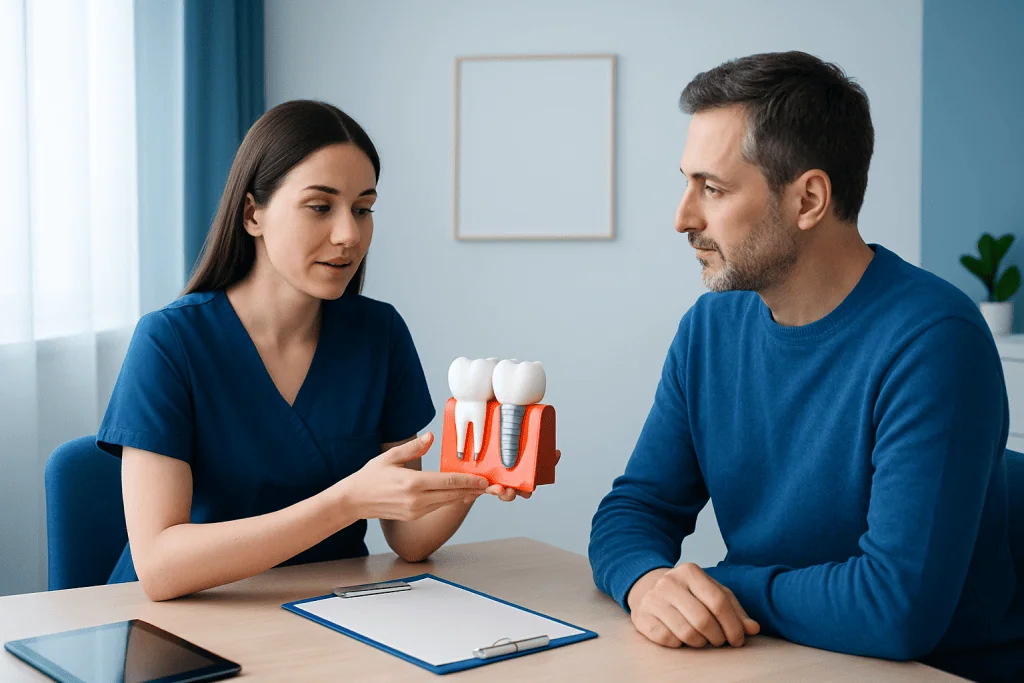
The list below covers the full range of soft foods to eat after dental implant surgery, roughly grouped from dairy and fruit through grains, vegetables, soups, proteins and treats. Choose plain versions where possible in the earliest stage, and let hot food cool before eating. If something contains seeds, skins, nuts, crispy toppings or small grains that could lodge near the wound, blend it, strain it or save it for later. One regional note: some surgeons advise skipping dairy items for the first days, if yours has, see why some clinics say no dairy after dental implants and follow your own instructions.
- Plain Greek yoghurt
- Natural yoghurt with smooth fruit purée
- Kefir
- Cottage cheese
- Ricotta
- Soft cream cheese
- Milk pudding
- Rice pudding, if very soft
- Custard
- Unsweetened applesauce
- Mashed banana
- Avocado mash
- Stewed pear purée
- Peach purée
- Soft melon, mashed if needed
- Oatmeal or smooth porridge
- Semolina porridge
- Cream of wheat
- Congee or very soft rice porridge
- Well-cooked polenta
- Mashed potato
- Sweet potato mash
- Cauliflower purée
- Carrot purée
- Butternut squash purée
- Pea purée
- Blended lentil soup
- Blended tomato soup, if not irritating
- Blended pumpkin soup
- Blended chicken and vegetable soup
- Broth with blended vegetables
- Soft scrambled eggs
- Poached eggs with a soft yolk
- Omelette without crisp edges, if comfortable
- Silken tofu
- Soft tofu scrambled gently
- Hummus without coarse pieces
- Well-blended beans
- Flaky baked fish
- Soft fish pie filling without a crisp topping
- Finely minced, tender chicken in sauce
- Very tender pasta with a smooth sauce
- Macaroni with a smooth cheese sauce
- Soft noodles in broth
- Well-cooked couscous, if your team approves
- Soft pancakes without nuts or seeds
- French toast softened with milk or yoghurt
- Smooth protein shake eaten with a spoon
- Meal-replacement drink, if recommended
- Smooth fruit-and-yoghurt smoothie without seeds
To turn the list into actual meals, pair a protein with something energy-rich and soft: scrambled eggs with mashed avocado, blended lentil soup finished with yoghurt, flaky fish alongside sweet potato mash. Small, frequent meals often work better than a large plate when appetite is low. If you have diabetes, food allergies, kidney disease, swallowing difficulties or another condition that shapes your diet, your doctor or dietitian should adapt these ideas rather than you improvising alone. For a structured plan that maps these foods onto each recovery day, see our day-by-day diet guide after dental implant surgery.
Foods and habits to avoid while healing
Hard and crunchy foods place unwanted pressure on the implant area and can disturb nearby healing tissue. Until your surgeon confirms otherwise, avoid nuts, crisps, crackers, popcorn, crusty bread, raw vegetables, hard fruit, hard sweets, ice and tough meat. The bite force these foods demand is exactly what a newly placed implant should not receive.
Sticky foods present a different problem. Chewing gum, toffee and thick caramel can pull on temporary restorations and are difficult to clean away from the surgical site. Small-particle foods, sesame seeds, chia seeds, granola, seeded berries, seeded breads, can lodge near the wound early on. Spicy, acidic or heavily salted foods may sting while the area is sensitive; this is uncomfortable rather than dangerous, but there is no reason to endure it.
Habits matter as much as textures. Smoking and nicotine products can interfere with healing, which is why most surgeons set a specific abstinence period around implant surgery. Alcohol may interact with prescribed medication and contributes to dehydration, so most aftercare plans include a sensible waiting period there too. And do not drink through a straw during the initial recovery period unless your surgeon specifically says it is acceptable: the suction can disturb the healing site.
Eating comfortably when you are staying in Turkey
If you are recovering in Istanbul or another Turkish city after implant treatment, plan simple meals before the procedure rather than after it, when you will be tired and possibly still numb. Most hotels can provide plain yoghurt, soup, mashed potato, eggs, oatmeal or soft pasta on request. Ask for food served lukewarm, without crusty bread, nuts, seeds, spicy pepper flakes or crunchy garnishes.
Turkish cuisine offers several genuinely gentle options: plain yoghurt, soft rice pudding (sütlaç), smooth lentil soup (mercimek çorbası), mashed vegetable dishes and softly cooked eggs. Restaurant recipes vary, though, so ask about texture and seasoning rather than relying on a dish name: the same soup can arrive blended smooth in one kitchen and studded with croutons and chilli flakes in another. The first days after surgery are not the moment to explore unfamiliar, heavily spiced dishes. Our guide to planning a soft-food diet after dental treatment in Turkey goes deeper on shopping, hotel requests and menu language.
Before leaving Turkey, make sure you understand your medication plan as your surgeon prescribed it, your follow-up arrangements, and whether your planned flight date suits your particular treatment, cabin travel soon after oral surgery has its own considerations, and your surgeon can confirm the timing that fits what was done.
Hydration, oral hygiene and returning to normal meals
Drink water regularly in small sips, especially if sedation or pain medication has dulled your appetite. Dehydration makes you feel generally unwell and can contribute to constipation, particularly alongside certain pain medicines. Cool water is usually more comfortable than hot drinks in the first day or two.
Oral hygiene remains important, but the surgical site needs gentleness. Your surgeon will tell you when and how to brush, whether to use a prescribed rinse, and when gentle salt-water rinses may begin: the timing differs between procedures, which is why it is set individually rather than printed on a universal schedule. Do not probe the area with fingers, tongue, toothbrush or cutlery, however curious you are about how it feels.
Move back towards normal meals based on comfort and your surgeon’s advice rather than the calendar alone. If chewing causes sharp pain, pressure, bleeding or movement in a temporary restoration, the sensible response is to drop back to softer choices: the site is telling you it is not ready. The full journey from soft foods to an unrestricted diet, including how final restorations change what you can bite, is covered in how long after dental implants you can eat normally. Protecting the site now is an investment in the months of bone integration that follow.
Step by step
- Prepare soft foods before your procedure. Stock your hotel room or kitchen with yoghurt, soup, eggs, oats, mashed vegetables and bottled water. Choose things you can eat with a spoon that need no cooking when you are tired.
- Start with cool, smooth choices. During the first hours, eat only when numbness has reduced enough that you will not accidentally bite your cheek or lip. Keep food cool or lukewarm and avoid anything that needs chewing.
- Protect the surgical side. If your surgeon permits chewing, use the opposite side and keep bites small. Do not chew directly on the implant area or a temporary restoration unless you have been told it is designed to take load.
- Build protein into your meals. Protein supports general recovery and fits easily into soft foods: eggs, yoghurt, tofu, cottage cheese, blended lentils, soft fish. If appetite is low, eat small meals more often instead of forcing a large plate.
- Avoid suction, heat and irritants initially. No straws, smoking or alcohol during the period your surgeon advised. Skip very hot food and drinks, which can increase discomfort or bleeding shortly after surgery.
- Progress texture slowly. Add fork-soft foods only when pain and swelling are improving and your instructions allow it. If a new food is uncomfortable, return to softer choices for another day or two, nothing is lost by waiting.
- Keep your aftercare plan to hand. Store your written instructions, prescribed medication schedule and follow-up dates somewhere you can find them, especially if you are travelling. Knowing your plan removes guesswork at exactly the moments you are least equipped for it.
Your checklist
- Keep cool or lukewarm soft foods available for the first 2–3 days.
- Drink water regularly in small sips.
- Eat slowly and keep chewing away from the implant site.
- Choose protein-rich soft foods such as yoghurt, eggs, tofu, soft fish or blended lentils.
- Avoid straws unless your surgeon says they are safe for you.
- Avoid hard, crunchy, sticky, spicy and seedy foods until cleared.
- Avoid smoking, nicotine and alcohol for the period your surgeon advised.
- Follow your prescribed medication plan and do not place tablets against the surgical area.
- Keep your written aftercare instructions and follow-up dates accessible.
Key takeaways
- Start with cool, smooth foods and progress slowly to soft, fork-tender meals.
- Keep pressure off the implant area, especially from hard, crunchy or sticky foods.
- Protein, fluids and gentle oral hygiene are working parts of recovery, not extras.
- The timing for normal chewing varies widely; your surgeon’s instructions are the safest guide.
- Improving pain and swelling is the normal pattern: a plan that progresses with comfort beats one that races the calendar.
Frequently asked questions
How long do I need to eat soft foods after dental implant surgery?
Many people stay on soft foods for several days to one or two weeks, but the honest answer is that it varies by treatment. Multiple implants, bone grafting, sinus procedures or an immediate temporary restoration usually mean a longer restricted phase. Your surgeon sets the timeframe based on what was actually done in your mouth, and that instruction outranks any general figure.
Why do some surgeons say no dairy after dental implants?
Advice on dairy differs between countries and clinics. Some surgeons ask patients to avoid it for the first days, citing concerns such as mouth acidity or interactions with certain medications; others recommend yoghurt from day one as an easy protein source. The evidence behind a blanket dairy ban is limited, which is why the advice is inconsistent. Follow the instruction on your own aftercare sheet, whichever direction it takes.
Can I eat macaroni and cheese after dental implant surgery?
Yes, usually within the first week, provided the pasta is cooked very soft and the sauce is smooth. It is one of the more forgiving comfort foods for this phase. Let it cool to lukewarm, avoid crispy baked toppings or breadcrumbs, and chew away from the surgical site. In the first day or two, when only no-chew foods are sensible, it is still too early.
Can you eat pizza with dental implants?
Not during the soft-food phase. Pizza combines a chewy, often crusty base with hot cheese and toppings that demand real bite force, everything a fresh surgical site should avoid. Once healing is complete and your surgeon has cleared you for a normal diet, pizza returns to the menu like most other foods. Fully integrated implants with final restorations are designed for ordinary eating.
What helps dental implants heal faster?
There is no shortcut, but several things support the healing process: following your surgeon’s instructions precisely, eating enough protein and nutrients through soft foods, staying hydrated, resting in the first days, keeping the site clean as directed, and avoiding smoking, alcohol and pressure on the implant. Our guide on how to heal faster after dental implant surgery covers each factor in detail.
Can I eat immediately after dental implant surgery?
You can usually eat once you feel alert and numbness has reduced enough to avoid biting your cheek or lip, subject to the timing your surgeon gave you. Begin with cool, smooth foods that require no chewing, and keep hot food and drinks off the menu for the first day unless told otherwise.
Are smoothies safe after dental implant surgery?
A smooth, seed-free smoothie is a convenient early option, particularly eaten with a spoon rather than through a straw, since suction can disturb the healing site. Skip seeded berries, crunchy additions, ice and very acidic ingredients if they irritate the area. Check whether straws are restricted in your individual case before using one.
Can I drink coffee after dental implant surgery?
It is sensible to avoid very hot coffee during the first day, or for as long as your surgeon recommends, because heat can increase discomfort or bleeding soon after surgery. Caffeine may also sit poorly after sedation. When you resume, choose coffee lukewarm and avoid alcohol-containing coffee drinks during the advised abstinence period.
Add us as a Preferred Source to see more of our trusted health content across Google Search, AI Overviews and Discover.

Update history
- PublishedAugust 18, 2026
- Medical review approvedSeptember 2, 2026
- Last content updateSeptember 2, 2026
References2
- Dental Implants: Cleveland Clinic my.clevelandclinic.org
- Dental implants: MedlinePlus Medical Encyclopedia medlineplus.gov
More Patient Guides

Septoplasty Recovery: Week by Week
Learn what to expect after deviated septum surgery: a week-by-week septoplasty recovery timeline, when it is usually safe to fly home, and…

Gallbladder Surgery Recovery: Week by Week
Learn what to expect after gallbladder surgery: a week-by-week recovery timeline, pain, diet, wound care, when it is safe to fly home…
Robotic Hysterectomy Recovery: Week by Week
Recovery from robotic hysterectomy week by week: pain, lifting, wounds, driving, flying home safely, warning signs and questions to ask before you…

Breast Reconstruction Recovery: Week by Week
DIEP flap recovery week by week: hospital stay, drains, pain, walking, showering, driving, when it is usually safe to fly home, and…