

When Intensive Care May Be Needed After Surgery in Turkey
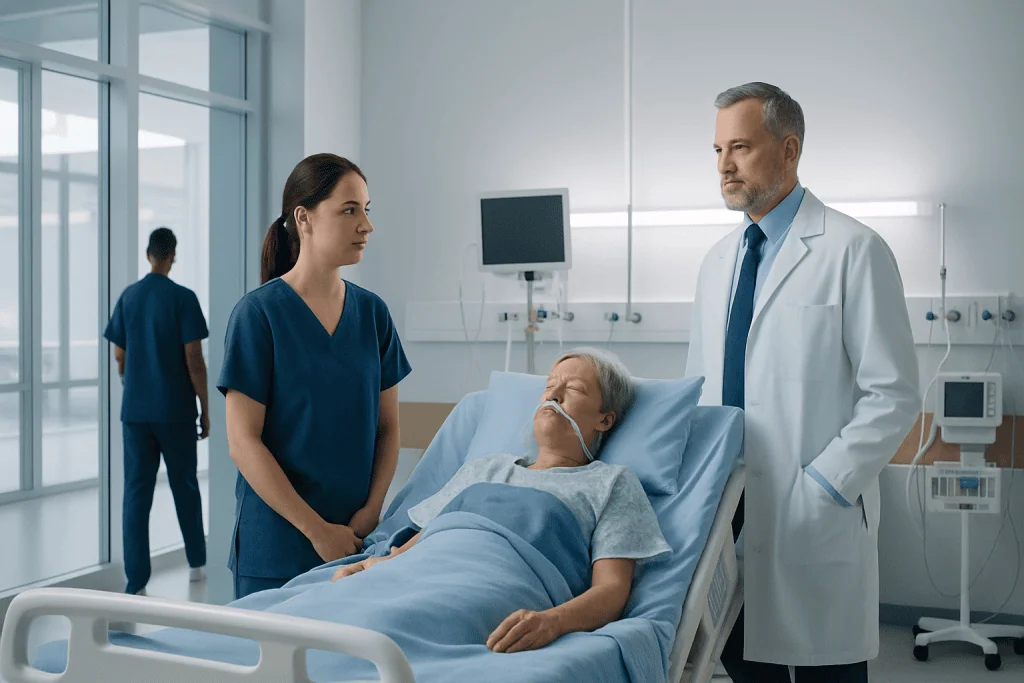
Intensive care may be needed after surgery in Turkey when your operation is major, lengthy or complex, or when existing conditions such as heart, lung or kidney disease make close monitoring the safer choice. Often the stay is planned before the operation and lasts a short time. It is a monitoring decision made by your surgical and anaesthesia team, not automatically a sign that something has gone wrong.
Someone on your care team has mentioned “intensive care”, and now you are wondering whether that means trouble. In most cases it does not. Intensive care may be needed after surgery in Turkey for a simple reason: your team wants to watch you more closely during the first hours of recovery, when your body is doing its hardest work.
A short ICU stay is often planned before the operation even begins. It is a monitoring decision, not an emergency one. This guide explains when intensive care may be needed after surgery in Turkey, how doctors make that call, what the unit actually feels like, and what you and your companion can do to prepare — especially if you are travelling from abroad.
At a glance
- What it means: ICU is often used for planned close monitoring after major surgery, not only for emergencies
- Who may need it: Patients having complex or lengthy operations, older patients, and those with heart, lung, kidney or metabolic conditions
- How the decision is made: Before surgery by the surgical and anaesthesia teams, or during surgery if closer observation becomes the safer choice
- Typical length: Often short; it depends on your operation, your health and how quickly you stabilise — no fixed number applies to everyone
- Family updates: ICU visiting is more controlled than ward visiting; hospitals set update routines and usually prefer one family contact person
- What to prepare: Organised medical records, a full medication and allergy list, emergency contacts, and flexible travel dates
Why intensive care may be needed after surgery in Turkey
The phrase “intensive care” carries emotional weight. Most people picture emergencies, alarms and crisis treatment. After surgery, the reality is usually different. An intensive care unit (ICU) is a place where one nurse looks after very few patients, where vital signs are tracked continuously, and where doctors can respond within moments to any change. That level of attention is valuable in the first hours after a big operation — whether or not anything unexpected happens.
Your surgeons and anaesthesiologists may plan an ICU stay in advance if they expect you will benefit from closer monitoring straight after theatre. This is common after major abdominal, heart, chest, brain, spine or complex cancer surgery, and after long operations where fluid balance, breathing, blood pressure or pain control need extra attention in the early hours. Operations handled by cardiovascular surgery, thoracic surgery and neurosurgery teams often include a planned ICU stage as a routine part of the pathway.
Some patients also live with conditions that make closer observation a sensible precaution: heart disease, lung disease, diabetes, sleep apnoea or kidney problems, among others. In these cases the ICU is not a reaction to anything going wrong. It is the team building a margin of safety into your recovery from the start.
In hospitals across Turkey, including Acibadem hospitals, ICU care is woven into the surgical pathway for selected patients. The team plans ahead for monitoring, specialist input, and a safe transfer back to a regular inpatient room or a step-down unit once you are stable. If you want a closer look at how this stage works within Acibadem specifically, see what to expect if intensive care is needed after surgery at Acibadem.
What the ICU is like and what you may notice
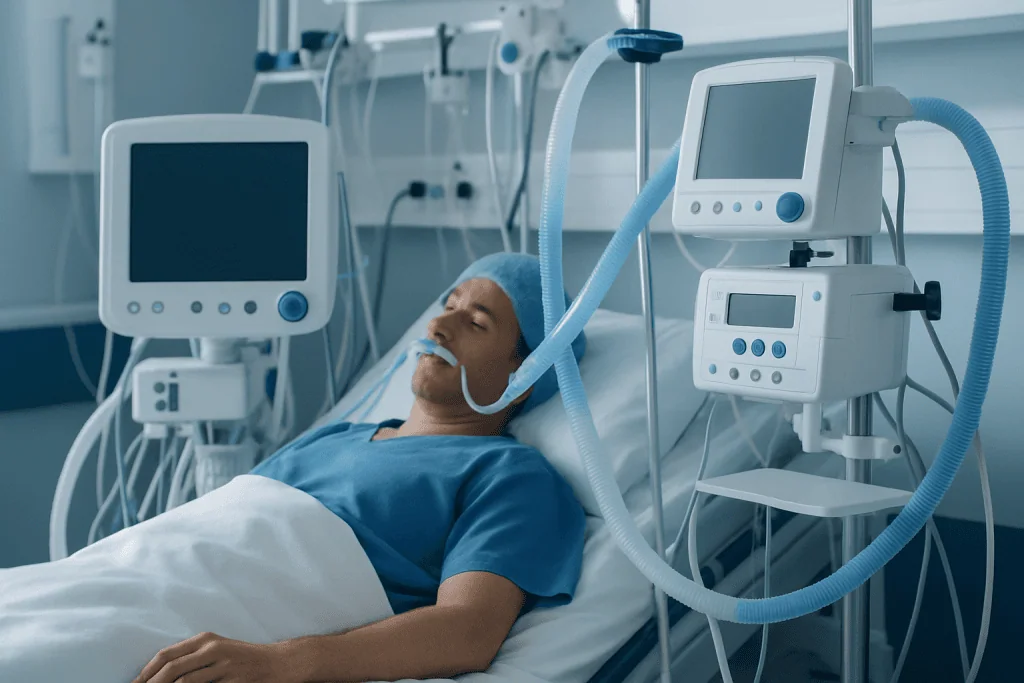
An ICU is built around continuous monitoring. Expect more equipment than in a standard hospital room: heart monitors, oxygen support devices, infusion pumps, and lines that let the team track your blood pressure, fluids and medications in real time. The environment can feel bright, busy and highly structured, because safety checks happen frequently and around the clock. That structure is the point.
When you first wake, you may feel sleepy, cold, thirsty, confused or uncomfortable. This is common after anaesthesia and major surgery, and it usually eases as the anaesthetic wears off. Depending on your operation, you may temporarily have a urinary catheter, wound drains, an oxygen mask or nasal cannula, compression devices on your legs, or monitoring pads on your chest and arms. Each of these has a job, and each is removed as soon as it is no longer needed. Ask the nurses what anything attached to you is for — they expect the question.
You will likely notice the nursing ratio is higher than on a general ward. In practical terms, this means someone is close by to respond quickly to changes and to help with breathing exercises, pain relief, positioning and the first small steps of recovery. Pain is managed actively in the ICU rather than waiting for you to raise it; our guide on pain control after surgery in Turkey explains how that usually works. If you are an international patient, interpreter support can be arranged so you and your family understand what is happening as it happens, rather than piecing things together afterwards.
Two honest points worth knowing. First, ICUs are rarely quiet. Monitors chime, staff move constantly, and lights may stay on longer than you would like. Second, time can feel distorted — many patients cannot say afterwards whether they were in the unit for hours or days. Neither of these things means your recovery is going badly. They are simply features of a place designed for vigilance rather than comfort.
How doctors decide who needs postoperative ICU care

The decision rests on your whole picture, not just the name of the operation. Before surgery, your team reviews your age, medical history, current medications, previous experiences with anaesthesia, test results, and the expected complexity and length of the procedure. They weigh how much monitoring and support you are likely to need in the first hours afterwards, and whether a ward could realistically provide it.
Sometimes the ICU admission is decided weeks in advance and written into your surgical plan. Sometimes the call is made during or immediately after surgery — for example, if the operation ran longer than expected, if fluid shifts were larger than planned, or if the anaesthesia team simply prefers a cautious first night. A decision made in theatre does not automatically mean a complication occurred. It often reflects an individualised, careful approach rather than a problem.
Factors that make a postoperative ICU stay more likely include:
- Major or lengthy surgery, particularly on the heart, chest, brain, spine or abdomen
- Existing heart, lung, kidney or neurological conditions
- Older age or reduced physical reserve
- A higher expected risk of bleeding or significant fluid shifts
- The need for closer breathing, blood pressure or pain management in the first hours
- Complex reconstruction or several procedures combined into one operation
Notice what is not on that list: routine, short, low-complexity procedures in otherwise healthy patients. Most of those do not involve intensive care at all. Recovery happens in a recovery room and then a standard inpatient room. Whether intensive care may be needed after surgery in Turkey is, in the end, a question your own surgeon and anaesthesiologist can answer for your specific case — and it is a fair question to ask at the planning stage.
Is it normal to go into intensive care after surgery?
For major surgery, yes — a planned ICU stay is a standard part of many surgical pathways worldwide, not something unusual to Turkey. Cardiac operations, major thoracic and abdominal procedures, complex spinal and brain surgery, and some large cancer operations routinely include an ICU stage because the first hours after these procedures demand close attention to breathing, circulation and fluid balance.
What matters is the distinction between planned and unplanned admission. A planned admission is a precaution built into your pathway before you ever reach theatre. An unplanned admission happens when something during or after surgery makes closer monitoring the safer choice. Even then, it does not always mean a complication in the dramatic sense; it can mean the team saw something they wanted to watch rather than assume. Either way, the ICU exists so that changes are noticed early, when they are easiest to manage.
If your operation is smaller — many aesthetic, orthopaedic or day-case procedures, for instance — intensive care is usually neither planned nor expected. Patients considering procedures through plastic, reconstructive and aesthetic surgery or general surgery departments will typically hear from their surgeon whether ICU is part of the plan, a remote possibility, or not relevant to their case at all.
How long do you stay in intensive care after surgery?
There is no single answer, and any page that gives you one number is simplifying. The length of an ICU stay depends on the operation you had, your overall health going in, and how quickly your breathing, circulation and alertness stabilise afterwards. Some patients stay only for observation over the first hours or overnight. Others need longer support before a ward can safely take over.
Rather than fixating on a number, it helps to understand the milestones the team is watching for. Broadly, you are ready to leave the ICU when:
- You breathe comfortably without intensive support
- Your blood pressure and heart rhythm are stable without continuous adjustment
- Your pain is controlled with medication a regular ward can manage
- You are alert enough to participate in your own recovery — coughing exercises, sitting up, early movement
- Any drains, lines or monitors that require ICU-level attention have been removed or downgraded
Ask your team before surgery what a typical stay looks like for your specific procedure, and what would extend it. That conversation gives you a realistic frame, which is more useful than a generic figure ever could be.
What kind of surgery is Turkey known for — and does it change the ICU question?
Turkey has become a significant destination for international patients across a wide range of specialties: cardiovascular and cardiac surgery, oncology and complex cancer operations, neurosurgery, orthopaedics, bariatric and metabolic surgery, transplant medicine, and a large volume of aesthetic and reconstructive procedures, including rhinoplasty and hair restoration.
The ICU question tracks the procedure, not the country. A patient having heart surgery in Turkey will encounter the same planned ICU stage they would encounter in London or Berlin. A patient having a rhinoplasty will almost certainly not need intensive care, in Turkey or anywhere else. Bariatric surgery sits in between: many patients go straight to a ward, while some — usually those with sleep apnoea or other conditions affecting breathing — may have a precautionary night of closer monitoring. What changes for international patients is not the medicine but the logistics: distance from home, language, and travel timing, all of which reward a little advance planning.
What families and companions should expect
If you are travelling to Turkey for surgery, your companion may feel especially anxious when ICU is mentioned. It helps to know in advance that ICU visiting is more controlled than standard ward visiting. Hospitals usually set specific visiting times, limit the number of visitors at the bedside, and may restrict access depending on your condition, infection-control rules or the time of day. This is normal ICU practice, not a sign of concealment.
Your family should ask early how updates are shared, who the main contact person on the medical side will be, and which numbers to use. Choosing one family spokesperson is the single most useful thing relatives can do: it prevents mixed messages, spares the nursing team from repeating the same update to five people, and keeps everyone at home informed through one channel.
Companions should also expect a different pace. ICU care involves monitoring and medical tasks that can delay a visit or push back a transfer without anything being wrong. Bringing chargers, identification and key documents, and keeping the day’s schedule loose, reduces stress while the team focuses on the patient. There is a fuller companion-focused walkthrough in our guide on what families should expect when ICU care may be needed after surgery in Turkey.
How to prepare before you travel or before surgery
You do not need to assume you will require intensive care. But if your surgery is major, or your doctor has mentioned the possibility, preparing for it costs little and pays off. The most practical step for international patients is building flexibility into flights, accommodation and return dates. A short ICU stay, or simply a slower-than-average first week, can shift discharge timing even when everything is going exactly as planned. Tight, non-refundable travel around a major operation creates pressure that helps no one.
Before surgery, keep a clear, current list of your medications, allergies, medical conditions, previous operations and emergency contacts. Make sure your team knows if you use blood thinners, insulin, a CPAP machine, inhalers or any implanted device — these details directly shape anaesthesia and monitoring plans. Do not adjust any medication on your own initiative; how each one is handled around surgery is a decision for your treating doctors. If you have recent test reports or specialist letters from home, bring them in one organised folder or digital file.
Direct questions to ask at the planning stage:
- Is ICU care planned, possible, or unlikely after my procedure?
- What would the team be monitoring most closely in the first hours?
- What does a typical stay look like for this operation, and what could extend it?
- When and how will my companion receive updates?
- What milestones tell you I am ready to move to a regular room?
Moving out of ICU and continuing your recovery
The purpose of postoperative ICU care is to carry you through the earliest, most closely watched part of recovery. Once your breathing, circulation, pain control and overall condition are stable, you are transferred to a regular inpatient room or a step-down unit. This move is a good sign: it means you no longer need that level of monitoring.
Recovery continues in stages after the transfer. You may still feel tired, foggy, swollen or emotionally flat for some days — a well-recognised aftermath of anaesthesia, major surgery and disrupted sleep. Nurses and doctors keep checking your pain, mobility, wound care, eating and drinking, bowel function, and anything specific to your operation. The workload gradually shifts from the team to you: walking a little further, breathing exercises, eating normally.
Before discharge, ask for a written plan covering medications, warning signs, wound care, mobility limits and follow-up appointments. If you are returning home internationally, the timing of your flight matters more than most patients expect — cabin pressure, immobility and distance from your surgical team all factor in. Our guide on when it is safe to fly home after surgery in Turkey covers what your team weighs when clearing you to travel. The final word on flying always belongs to your treating doctors.
Step by step
- Raise the ICU question during surgical planning. Ask your surgeon or anaesthesiology team whether intensive care is planned, possible, or only relevant in specific situations. A straight answer at this stage lets you prepare emotionally and practically instead of being surprised later.
- Organise your medical information. Keep a current medication list, allergy list, surgical history and recent test results in one folder or file. Flag heart, lung, sleep, kidney or diabetes-related conditions before admission — these shape monitoring plans directly.
- Build flexibility into travel arrangements. Avoid booking return travel tightly around the operation date. A short ICU stay or a slower first week can shift discharge timing even when recovery is going entirely to plan.
- Choose one family contact person. Decide who will receive updates from the hospital and relay them to everyone else. One channel means fewer mixed messages and simpler communication with the care team.
- Prepare your companion for ICU routines. Explain that visiting may be limited and updates may come at set times. They should carry identification, keep their phone charged, and plan for waiting periods rather than fighting them.
- Learn the milestones that matter. Find out what the team will watch for — stable breathing, blood pressure, pain control, alertness. Knowing the milestones helps you understand when transfer out of ICU becomes possible, and turns a vague wait into a measurable one.
- Review discharge and onward travel plans carefully. Before leaving hospital, confirm medication instructions, activity limits, follow-up timing and travel precautions, and make sure you know who to reach in Turkey if questions come up after discharge.
Your checklist
- Passport, ID and hospital registration documents
- Full medication and allergy list, including devices such as CPAP
- Recent medical reports, scans and test results in one folder
- Emergency contact details for family and companion
- Loose, comfortable clothing for after transfer to a regular room
- Phone charger and a power adapter if travelling internationally
- Flexible flight and accommodation arrangements where possible
- A written list of questions about ICU, visiting rules and discharge
Key takeaways
- Intensive care may be needed after surgery in Turkey for planned monitoring, not only for emergencies — often the stay is decided before the operation begins.
- Major procedures, long operations and existing health conditions increase the likelihood of a short ICU stage.
- There is no universal ICU length; discharge from the unit depends on stable breathing, circulation, pain control and alertness.
- Families should agree one spokesperson and ask early about visiting rules and update routines.
- Flexible travel plans and organised medical records make the international side of recovery far easier.
- Moving from ICU to a regular room is usually a sign of progress, not a demotion in care.
Frequently asked questions
Is it normal to go into intensive care after surgery?
After major surgery, yes. Heart, chest, brain, spine and large abdominal operations often include a planned ICU stage as a routine part of the pathway, in Turkey and elsewhere. For smaller procedures, ICU is usually neither planned nor expected. The key distinction is planned versus unplanned admission — and even an unplanned one can simply reflect a cautious team rather than a serious complication.
How long do you stay in intensive care after surgery in Turkey?
It varies with the operation, your overall health and how quickly you stabilise. Some patients stay only for observation over the first hours or overnight; others need longer monitoring or support. Rather than a fixed number, teams work to milestones — stable breathing, circulation, pain control and alertness. Ask your surgeon what is typical for your specific procedure.
Does needing ICU after surgery mean something went wrong?
Not necessarily. In many cases the ICU stay is planned before the operation because closer monitoring is simply the safest way to spend the first hours of recovery. Even a decision made during surgery often reflects caution — the team preferring to watch something closely rather than assume — not a crisis.
Can my family visit me in the ICU?
Usually yes, but visiting is more restricted than on a regular ward. Hospitals typically limit visitor numbers, set specific visiting hours, and may adjust access based on your condition and infection-control rules. Companions should ask the unit’s staff about the exact policy and agree one family spokesperson for updates.
Will I be awake if I go to ICU after surgery?
Many patients wake in the ICU feeling drowsy or disoriented at first, which is common after anaesthesia. Depending on your surgery and condition, you may wake quickly or need more time and support before feeling alert. The team will explain any tubes, drains or monitors you notice — most are temporary and removed as you progress.
How long should you stay in Turkey after a nose job?
Rhinoplasty almost never involves intensive care, but it does involve a stay near your surgeon. Most surgeons ask patients to remain in Turkey until the splint is removed and the first follow-up review is complete, which commonly means staying for about a week after the operation. Your own surgeon sets the exact timeline and clears you to fly — follow that plan rather than a generic one.
What should international patients ask before surgery?
Ask whether ICU is planned or possible for your procedure, what the team would be monitoring, how updates reach your companion, and what could affect discharge timing. It is also sensible to ask about interpreter support and whether your return travel dates should stay flexible.
When is it safe to fly home after an ICU stay?
There is no single answer — fitness to fly depends on your operation, your recovery progress and any ongoing medical needs. Your treating team confirms when travel is appropriate. Before leaving Turkey, make sure you understand your medications, follow-up plan and any warning signs that should delay travel.
Add us as a Preferred Source to see more of our trusted health content across Google Search, AI Overviews and Discover.

Update history
- PublishedAugust 14, 2026
- Medical review approvedSeptember 1, 2026
- Last content updateSeptember 1, 2026
References2
- Critical Care — MedlinePlus, U.S. National Library of Medicine — medlineplus.gov
- Intensive care — NHS — nhs.uk
More Patient Guides

HoLEP in Turkey: How It Compares With TURP and What Recovery Involves
HoLEP in Turkey treats enlarged prostate tissue with laser enucleation; learn how it compares with TURP, recovery, travel and follow-up.
13 min read
Porcelain Veneers in Turkey: Who Is Suitable and How Many Visits Are Needed?
Porcelain veneers in Turkey can enhance tooth shape and colour in two visits for suitable patients after a personalised dental assessment.
14 min read
How to Prepare for a Sedation Procedure in Turkey
Prepare safely for a sedation procedure in Turkey with guidance on fasting, medicines, travel, recovery and follow-up.
12 min read
Treatment Delays in Turkey: What Happens If Tests or Recovery Change Your Schedule
Treatment delays in Turkey can happen if tests or recovery change your plan. Learn how to manage appointments, travel, accommodation and follow-up.
8 min read