

When Is It Safe to Resume Exercise After Treatment in Turkey?
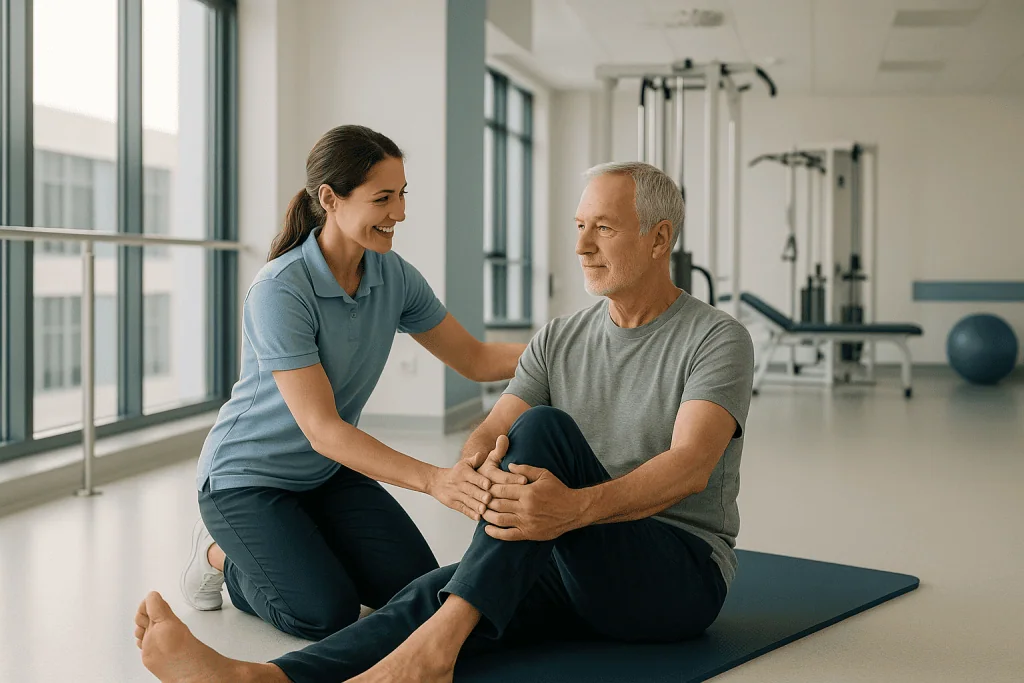
It is safe to resume exercise after treatment in Turkey only in stages, and only within the limits your treating doctor sets. Gentle walking is usually the first step. Strenuous training, running, lifting, swimming, contact sports, waits until your doctor clears it, which depends on the procedure, the area treated and how your recovery is progressing. There is no single date that fits everyone.
You feel better than expected. The hotel gym is downstairs, Istanbul is outside, and sitting still feels like wasted time. So, is it safe to resume exercise after treatment in Turkey? The honest answer: it is safe in stages, not on a single date. Your body decides part of the timeline. Your doctor decides the rest.
This guide explains how the return to exercise usually works, what typical timelines look like for common proceduresdental extractions, implants, Botox, surgery under anaesthesia, and how travel days change the picture. It cannot replace your discharge instructions. It can help you understand them.
At a glance
- Best approach: Follow your discharge plan and increase activity one step at a time
- First activity: Gentle walking is usually the safest starting point
- Main rule: Strenuous exercise waits until your treating doctor clears it
- Typical caution windows: Around 24 hours after Botox, several days after a tooth extraction, a week or more after implants or surgery, always confirmed case by case
- Travel factor: Flights, transfers and luggage affect swelling, hydration and fatigue
- Judge by: How you feel that evening and the next morning, not just during the activity
Is it safe to resume exercise after treatment in Turkey?
Yes, eventually, gradually, and on your doctor’s schedule rather than your gym schedule. Feeling well enough to walk around Sultanahmet or manage an airport does not mean your stitches, gum tissue, bone graft or abdominal wall are ready for load. Healing follows its own pace, and it does not always announce itself through pain.
The safest timeline depends on four things: what treatment you had, where on your body it was done, how the procedure went, and your general health. A person recovering from a simple filling can move normally almost immediately. Someone recovering from orthopaedic surgery, bariatric treatment or a long procedure under general anaesthesia may need weeks of structured, supervised progression. Both of them are asking the same question, is it safe to resume exercise after treatment in Turkey, and both get a different answer.
Your discharge instructions are the most important document you will carry home. Before you leave the hospital or clinic, they should tell you when to walk, what to avoid lifting, when wounds can get wet, and when your next check is due. If any of it is unclear, perhaps because you are juggling flights and hotel checkouts, ask your treating team to go through it again before discharge. That five-minute conversation prevents most of the guesswork that follows.
What ‘exercise’ means during early recovery
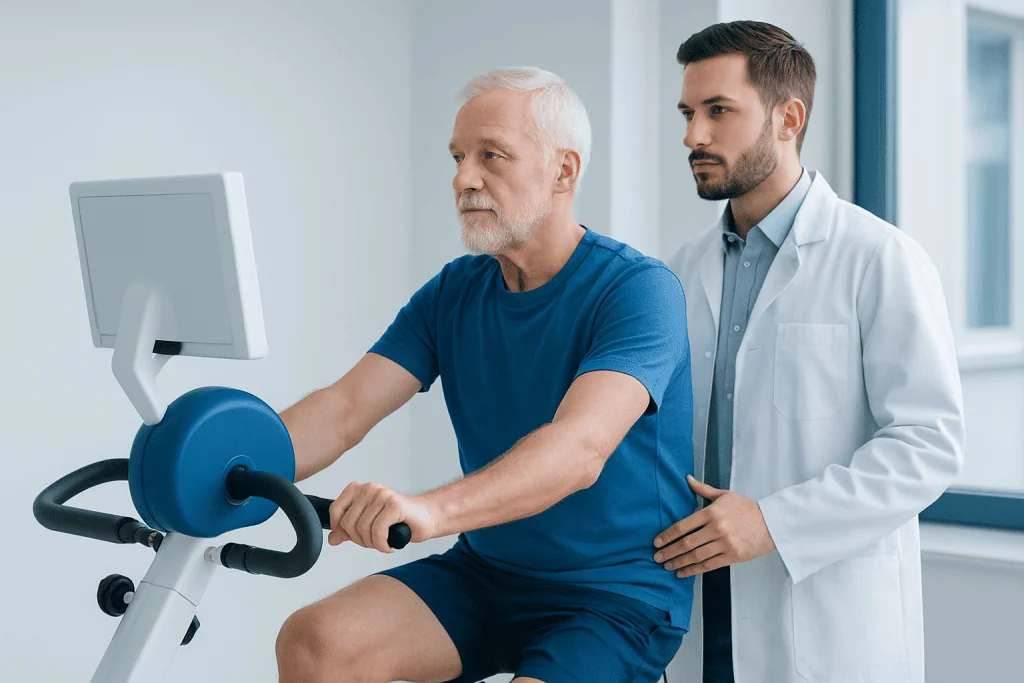
In the first stage of recovery, exercise does not mean training. It means safe movement: getting up, walking short distances, changing position regularly, and doing any breathing or mobility exercises your care team prescribed. This kind of movement supports circulation, reduces stiffness and helps counter the risks of staying still for too long, which matters even more when your week also includes long flights and airport queues.
Training is different. Running, weightlifting, swimming, Pilates, intense yoga, core work, contact sports and long cardio sessions all place real stress on healing tissue. If you are normally active, think in three phases: movement first, then light exercise, then a gradual return to your previous level. Skipping a phase is the most common way people set themselves back.
If you are unsure whether something counts as too much, run it through three questions. Does it strain the treated area? Does it raise your heart rate and blood pressure sharply? Does it involve lifting, twisting, impact, or bracing hard? A yes to any of these usually means it belongs in a later phase.
- Usually safe early: short walks at a comfortable pace, posture changes, prescribed mobility or breathing exercises.
- Usually needs clearance: gym machines, weights, swimming, outdoor cycling, abdominal exercises, jogging.
- Usually latest to return: contact sports, high-intensity intervals, and anything with fall risk or direct pressure on the treated area.
What affects your timeline
The procedure itself. Recovery after a dental extraction is nothing like recovery after abdominal surgery. Procedures involving bone, joints, the abdomen, the chest or internal repair carry stricter and longer restrictions, because strain can affect healing you cannot see or feel.
The location. Anything that raises pressure at the treated site matters. Heavy lifting raises pressure in the abdomen and the head. Bending forward increases facial swelling. Impact travels through joints. This is why a restriction can apply even when the exercise seems unrelated to the treatment area: a heavy deadlift stresses a healing extraction socket through blood pressure alone.
Your own health. Age, fitness, smoking, diabetes, circulation problems and body weight all influence healing speed. Being fit before treatment helps you tolerate recovery, but it does not override your surgeon’s restrictions. Tissue heals at tissue speed, not at your usual training pace. If you have had dental implants placed, smoking is a particular concern: the guide on smoking after dental implants explains why.
How recovery is actually going. A straightforward recovery earns faster progression. Any complication, infection, delayed wound healing, unexpected swelling, resets the clock, and only your treating team can tell you the new timeline.
Travel. If you came to Turkey for treatment, you are balancing recovery against transfers, hotel stays and a return flight. Long sitting, luggage, dehydration and disrupted sleep all drain the energy your body wants for healing. Build your exercise plan around the travel, not in spite of it.
Typical timelines by treatment type
The table below shows the caution windows commonly advised for exercise after frequent procedures. These are general patterns, not personal clearance: your own instructions always take priority, especially if your procedure was more complex than standard.
| Treatment | Light activity (walking) | Strenuous exercise typically waits |
|---|---|---|
| Botox or similar injectables | Immediately | Around 24 hours; avoid rubbing the area and lying flat for the first hours as instructed |
| Simple tooth extraction | Same day, gently | Usually 48–72 hours; longer if bleeding or discomfort persist |
| Surgical or wisdom tooth extraction | Next day, gently | Often up to a week, sometimes more |
| Dental implant placement | Next day, gently | Often a week or more; longer where bone grafting or a sinus lift was done |
| Cosmetic surgery (e.g. abdominal, breast, facial) | Short walks from the first days | Commonly several weeks, staged by the surgeon |
| Surgery under general anaesthesia (abdominal, orthopaedic, cardiac) | As prescribed, often early and supervised | Weeks to months, set procedure by procedure |
Notice the pattern: walking returns quickly almost everywhere, while load, impact and pressure return slowly. That is also why exercise timing and flight timing are related questions, both depend on the same healing processes. If you are planning your journey home, the guide to flying after surgery, procedure by procedure, covers the travel side of the same timeline.
Exercise after dental work: extractions, implants and the gym
Dental treatment is one of the most common reasons people travel to Turkey, so the gym questions come up constantly. Here is what the general clinical guidance looks like.
Tooth extraction
After an extraction, a blood clot forms in the socket and protects the healing bone underneath. Strenuous exercise raises your heart rate and blood pressure, which can restart bleeding or disturb that clot, and a lost clot means a painful setback known as dry socket. This is why dentists commonly advise avoiding vigorous exercise for at least 48 to 72 hours after a simple extraction, and often up to a week after a surgical or wisdom tooth extraction. Working out three days after a simple extraction is often acceptable at a gentle intensity if healing is settled, but heavy lifting, straining and anything that leaves you red-faced usually waits longer. Bending forward with your head below your heart also increases pressure at the site, so early sessions should avoid it.
Dental implants
Implants add a second consideration: the implant needs to integrate with the bone, and the surgical site needs to heal without pressure spikes. Most patients are advised to avoid heavy lifting and hard training for at least a week after implant placement, and noticeably longer where bone grafting or a sinus lift was involved, straining against a heavy weight raises pressure in the head and face exactly where you do not want it. Light cardio usually returns before weights do. Your implant surgeon will stage this for you, because the answer genuinely differs between a single straightforward implant and a full-arch case with grafting.
Botox and injectables
The caution window here is short but real. Vigorous exercise in the first hours after Botox increases blood flow and facial movement, which can encourage the product to spread beyond the intended muscles. Most practitioners advise avoiding strenuous exercise for around 24 hours, along with rubbing the area or lying flat in the first few hours. Running three days after Botox falls outside the usual caution window for most people, but if your practitioner gave you a longer restriction, theirs is the instruction to follow.
Signs your body is coping, and signs it is not
Good signs that you are ready to do a little more: stable pain, improving mobility, no new bleeding or discharge, swelling that is settling rather than growing, and daily tasks that no longer leave you drained. If gentle walking does not cause a setback later in the day, your body is probably tolerating the progression.
Signs of doing too much are often delayed. Activity that felt fine at the time can show up hours later as increased swelling, throbbing at the treatment site, disturbed sleep from pain, or a next-morning fatigue that seems out of proportion. These patterns generally mean the activity level exceeded what the healing tissue could handle at that stage: the response is to step back to the previous level, not to push through. Increasing pain, new swelling, bleeding, fluid from a wound, spreading redness or fever are all signs that recovery is being stressed rather than helped; your discharge paperwork explains what to do about symptoms, and it is worth keeping it accessible throughout your trip.
A common mistake deserves naming: the first good day. Many people feel noticeably better one morning, do far too much, and lose two days of progress. Gentle, consistent increases beat dramatic jumps every time.
Exercise, flights and travel days
Travel days are not rest days, even though you spend most of them sitting. Airports involve walking, standing, queues and luggage; flights involve dehydration and hours of immobility. If your return flight falls within your early recovery, treat that day as your activity for the day, do not add a workout on either side of it.
A few practical points for the recovery-plus-travel week:
- Walk little and often rather than in one long outing. Keep sightseeing light and flexible.
- Do not carry suitcases if you have lifting restrictions. Use trolleys, porters and wheeled bags, and let travel companions do the lifting.
- Stay hydrated and eat regularly, recovery and jet lag both punish skipped meals.
- Ask before using hotel pools, saunas or spas. Open wounds, fresh extraction sites and recent surgical incisions usually rule these out; the guide on showering after surgery covers water and wound care in detail.
- If your procedure involved sedation or anaesthesia, its after-effects influence both travel and exertion in the first days, see flying home after sedation or anaesthesia.
Once you are home, share your discharge plan with your local doctor or physiotherapist if you want to restart structured exercise or begin rehabilitation. A local professional can build your programme back up while respecting the restrictions your treating team set in Turkey. Broader timing questions about the journey itself are covered in when is it safe to fly after treatment in Turkey.
Building back confidence
Start lower and slower than you think you need to. Most active people feel mentally ready before they are physically ready: that gap is where setbacks happen. A short walk that leaves you comfortable is worth more than an ambitious session that inflames the treatment site.
Use simple markers to judge tolerance: pain during movement, swelling by evening, energy the next morning, and whether the treated area still looks settled. A brief recovery note on your phone, how far you walked, how you felt afterwards, makes patterns visible and gives you better questions to bring to follow-up.
And give yourself permission to recover at recovery’s pace. Safe return to exercise is not inactivity; it is a structured progression. Asked plainly, is it safe to resume exercise after treatment in Turkey?: the answer is yes, in phases, with your doctor setting the gates between them.
Step by step
- Get specific advice before discharge. Ask exactly what is allowed, what is restricted and what is not yet safe. If you are unsure about stairs, lifting, swimming, gym work or running, ask about each one rather than assuming.
- Start with gentle daily movement. Short, easy walks and regular position changes come before formal exercise. Stop before you feel strained, dizzy or noticeably more sore.
- Increase one variable at a time. Once cleared to do more, raise time, distance or intensity, not all three together. This makes it obvious whether your body is coping.
- Protect the treated area. Avoid movements that pull on incisions, stress joints, spike blood pressure or risk impact until you are told they are safe. That may mean delaying weights, twisting motions and anything that makes you brace hard.
- Judge by the aftermath, not the moment. Some people feel fine during activity and develop swelling, throbbing or fatigue hours later. Rate each increase by that evening and the next morning.
- Plan around travel. Treat flight and transfer days as full activity days. Leave energy in reserve for logistics rather than spending it on a workout.
- Step back when recovery changes. New pain, swelling, bleeding or wound changes mean the current level was too much. Return to the previous level and raise the change with your treating team at follow-up rather than pushing through.
Your checklist
- Your doctor has told you what level of activity is currently safe
- You understand any lifting, bending, twisting or swimming restrictions
- You have your discharge summary, medication list and follow-up details to hand
- You can do short walks without a significant increase in pain
- You know what doing too much looks like for your procedure
- Your travel plans do not require carrying heavy bags or rushing
- You have arranged follow-up in Turkey or at home if needed
- You are staying hydrated, eating regularly and sleeping enough
Key takeaways
- There is no universal date for resuming exercise after treatment in Turkey; your doctor’s instructions come first.
- Walking returns quickly after most procedures; load, impact and pressure return slowly.
- Typical caution windows run from about a day after Botox to several days after extractions and a week or more after implants or surgery, confirmed case by case.
- Judge each increase by how you feel that evening and the next morning, not just during the activity.
- Travel days count as activity days; plan flights, luggage and sightseeing into the same energy budget as exercise.
Frequently asked questions
Is it okay to workout 3 days after tooth extraction?
Often yes at a gentle intensity after a simple extraction, provided bleeding has stopped and the site feels settled. Strenuous training usually waits longer, because raised blood pressure can disturb the protective clot in the socket. Surgical and wisdom tooth extractions typically need a longer break: your dentist’s instructions take priority over general timelines.
Can I run 3 days after Botox?
For most people, yes. The usual advice is to avoid vigorous exercise for around 24 hours after Botox, so that increased blood flow does not encourage the product to spread beyond the intended muscles. By day three the standard caution window has normally passed, but if your practitioner set a longer restriction, follow theirs.
How long after a dental implant can I lift weights?
Heavy lifting is commonly avoided for at least a week after implant placement, and longer where bone grafting or a sinus lift was involved, because straining against a heavy weight raises pressure in the head and face. Light cardio usually returns before weights. Your implant surgeon will stage this based on exactly what was done.
How long can I not exercise after tooth extraction?
Dentists commonly advise avoiding strenuous exercise for 48 to 72 hours after a simple extraction, and often up to a week after a surgical or wisdom tooth removal. Gentle walking is usually fine much sooner. If exercise triggers renewed bleeding, throbbing or swelling, the site needs more time before you try again.
When is it safe to return to the gym after surgery?
Later than basic daily movement, and only after specific clearance. Machines, weights, core work and cardio classes all load healing tissue, so ask your surgeon which exercises are allowed at each stage and which are still off-limits. After major surgery this progression is often measured in weeks, staged one phase at a time.
What if I feel fine but my discharge instructions seem strict?
Follow the written instructions anyway. Pain is not a reliable measure of healing, some restrictions protect internal tissue, incisions, implants or grafts that can be damaged before any symptom appears. Restrictions are usually set for the healing process, not for how you happen to feel on a good day.
Can I go sightseeing in Istanbul while recovering?
Light sightseeing is realistic for many patients, but it draws on the same energy budget as exercise. Keep outings short, avoid long periods of standing or walking in heat, skip anything that involves carrying bags if you have lifting restrictions, and treat a full day out as your activity for that day, not something to add a workout to.
Add us as a Preferred Source to see more of our trusted health content across Google Search, AI Overviews and Discover.

Update history
- PublishedAugust 21, 2026
- Medical review approvedSeptember 13, 2026
- Last content updateSeptember 12, 2026
References3
- Wisdom tooth removal: NHS nhs.uk
- Dental implants: Cleveland Clinic my.clevelandclinic.org
- After Surgery: MedlinePlus medlineplus.gov
More Patient Guides

Septoplasty Recovery: Week by Week
Learn what to expect after deviated septum surgery: a week-by-week septoplasty recovery timeline, when it is usually safe to fly home, and…

Gallbladder Surgery Recovery: Week by Week
Learn what to expect after gallbladder surgery: a week-by-week recovery timeline, pain, diet, wound care, when it is safe to fly home…
Robotic Hysterectomy Recovery: Week by Week
Recovery from robotic hysterectomy week by week: pain, lifting, wounds, driving, flying home safely, warning signs and questions to ask before you…

Breast Reconstruction Recovery: Week by Week
DIEP flap recovery week by week: hospital stay, drains, pain, walking, showering, driving, when it is usually safe to fly home, and…