

Flying After Surgery: How Soon Is Safe, Procedure by Procedure

There is no single safe interval. After minor procedures, flying may be possible within days; after major abdominal, orthopaedic, chest, brain or certain eye operations, surgeons often advise waiting several weeks. Timing depends on the operation, your recovery, flight length and your individual blood-clot risk. The deciding voice is always your treating surgeon's fitness-to-fly assessment, not a general chart.
You have a return ticket and one question: is it too soon to board? The honest answer is that flying after surgery has no universal waiting period. Some minor procedures allow travel within days. Many operations need one to six weeks, sometimes longer, because cabin pressure, hours of sitting still and the temporary rise in blood-clot risk after surgery all affect how safely you can travel.
Whatever a timeline chart suggests, your own surgeon’s clearance comes first. That matters even more before a long international flight home from Turkey, where the journey may involve transfers, waiting time and several hours in a seat. If you are planning treatment abroad, our guide on when it is safe to fly home after surgery in Turkey covers the return leg in detail.
At a glance
- Main decision: Your surgeon’s individual fitness-to-fly assessment
- Minor procedures: Travel may be possible within days if recovery is uncomplicated
- Major surgery: Waits of four to six weeks or longer are common
- Long-haul flights: Need more caution than short ones because you sit still for longer
- Central concern: Deep vein thrombosis (DVT) and pulmonary embolism after surgery
- Absolute stop: Never fly with an intraocular gas bubble until it has fully absorbed
- Planning rule: Build recovery days and a pre-departure review into your travel schedule
When can you fly after surgery?
How soon you can fly after surgery depends on four things: the operation itself, how your recovery is progressing, the length and complexity of the journey, and your personal risk factors for blood clots or complications. After a small, uncomplicated procedure, your surgeon may allow travel within a few days. After abdominal, orthopaedic, chest, brain, eye or major reconstructive surgery, the recommended wait is usually measured in weeks, not days.
Note the word usually. Timelines published online, including the table further down this page, are planning ranges. They tell you roughly how much time to leave between an operation and a return ticket. They do not tell you whether you are fit to fly. Two patients can have the same operation on the same day and receive different travel advice, because one walks the corridor comfortably on day two and the other has swelling, poor pain control or a clotting history that changes the calculation.
Your treating surgeon is the right person to clear you for travel. They know exactly what was done, how your wound is healing, whether anaesthesia caused any problems and whether you need further review before departure. At Acibadem, care teams can help you plan a discharge date around the expected recovery period and prepare the documents you may need for the journey, but the fitness-to-fly decision itself is a clinical one, made close to your travel date rather than at the time of booking.
Why flying is restricted after surgery
Understanding the reasons behind the waiting periods makes them easier to plan around. Flying after surgery raises three separate issues, and different operations are sensitive to different ones.
- Cabin pressure and trapped gas. Aircraft cabins are pressurised to the equivalent of roughly 1,800–2,400 metres of altitude, not sea level. Any gas trapped in the body, in the eye after certain retinal procedures, around the lung after chest surgery, inside the skull after neurosurgery, or in the bowel and abdomen after laparoscopic operations, expands as cabin pressure falls. Depending on where that gas sits, expansion can range from uncomfortable to genuinely dangerous.
- Lower oxygen levels. The reduced cabin pressure also means slightly less oxygen in the air you breathe. A healthy passenger barely notices. A patient recovering from lung, heart or major surgery, or one who lost significant blood, has less reserve to absorb that drop.
- Prolonged immobility. Surgery temporarily makes blood more prone to clotting, and sitting still for hours adds to that effect. This is why blood clots on planes receive so much attention in post-operative advice: the flight itself does not create the risk, but it stacks immobility on top of a body that is already in a clot-prone state.
Add the practical demands of an airport, queues, luggage, distances, limited access to medical care mid-flight, and it becomes clear why a short domestic hop and a long-haul journey should never be treated as equivalent. The operation may be the same; the exposure is not.
Procedure-by-procedure flying timeline
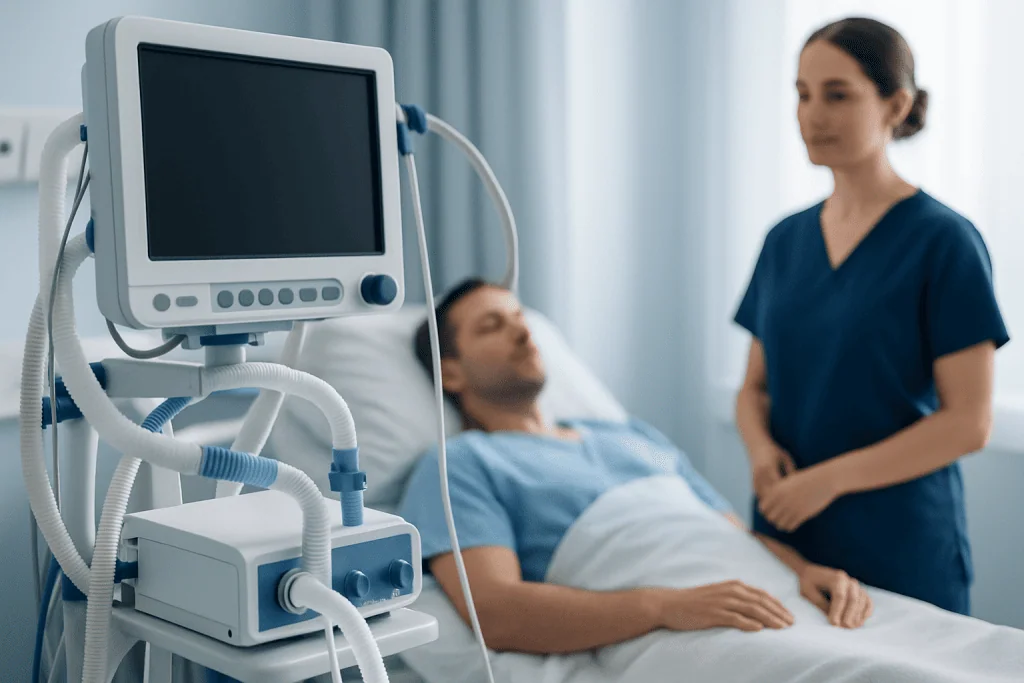
The ranges below are general planning guidance, not a personal clearance to fly. Recommendations vary with the exact technique, any complications, your mobility, your clotting history and the distance you plan to travel. If your surgeon gives you a longer interval than the table suggests, follow the longer one.
| Procedure or situation | General travel planning range | Why timing matters |
|---|---|---|
| Minor skin or dental procedures | Often 1–3 days if well | Pain, bleeding, swelling and medication effects need to settle first. |
| Cataract surgery (uncomplicated, no gas) | Often within days, after review | Standard cataract surgery does not usually involve gas; the early follow-up check matters more than the flight itself. |
| Simple laparoscopic surgery | Often 1–2 weeks | Residual gas, abdominal discomfort and early clot risk can affect travel. |
| Open abdominal surgery | Often 4–6 weeks | Wound healing, bowel recovery, reduced mobility and clot prevention all need time. |
| Hip, knee or major lower-limb surgery | Often 4–6 weeks or longer | Clot risk and mobility limits can be significant; prevention plans are individual. |
| Breast, body-contouring or major plastic surgery | Often 2–6 weeks | Swelling, wound care, drains, seating position and clot risk must be assessed. |
| Chest or lung surgery | Often several weeks | Flying can be unsafe with unresolved lung problems or residual air around the lung. |
| Brain or neurosurgery | Often several weeks or longer | Timing depends on healing, neurological status and any air remaining after surgery. |
| Retinal surgery with a gas bubble | No flying until the gas has fully absorbed | Cabin pressure changes make the bubble expand, which can dangerously raise eye pressure. |
Treat these timelines as a scheduling starting point rather than a checklist to self-clear. A review shortly before departure is standard practice after major surgery, and it is where questions about fever, wound healing, swelling and mobility get answered by someone who can examine you.
Is it safe to fly two weeks after surgery?

For some people, yes. Two weeks after a minor or uncomplicated operation, a patient who is walking comfortably, eating and drinking normally, managing pain with simple measures and cleared by their surgeon may travel without difficulty. For many major abdominal, orthopaedic, chest, neurological or complex reconstructive procedures, two weeks is still inside the window where surgeons prefer patients not to fly at all, particularly not long-haul.
Distance changes the answer. A one-hour flight involves far less continuous sitting than an eleven-hour journey with a connection, and the total door-to-door time, transfers, check-in, waiting, the flight itself, is what your body actually experiences. A patient who would be cleared for a short flight at two weeks might reasonably be asked to wait longer for an intercontinental one.
Some situations postpone travel regardless of the calendar. If you still need oxygen, ongoing intravenous treatment, frequent wound care, a drain or close monitoring, the journey either waits or has to be arranged with specialist medical transport. When your surgeon assesses your travel plans, give them the full picture: the route, total travel time, transfers and whether you will be travelling alone. Decisions about compression stockings, anticoagulant medication and seating are made against that specific journey, not a generic one. Anticoagulants in particular are prescription decisions: they are not suitable for everyone, and any change to them belongs with your treating doctor.
Blood clots after surgery: the risk that shapes the timelines
Most of the caution around post-operative flying comes down to venous thromboembolism: a blood clot after surgery forming in a deep vein (deep vein thrombosis, usually in the leg) or travelling to the lungs (pulmonary embolism). Surgery temporarily tips the blood towards clotting; tissue injury, inflammation and reduced movement all contribute. Long periods of sitting then add a second layer of risk on top.
Patients often ask how common are blood clots after surgery, and there is no single figure that honestly applies to every traveller. The likelihood depends on the type and duration of the operation, how mobile you are afterwards, the length of the journey, and personal factors: a previous clot, older age, obesity, active cancer, pregnancy or the postpartum period, smoking, hormone-containing medication and certain inherited clotting conditions. Two people on the same flight after the same operation can carry very different levels of risk, which is why prevention plans are written individually rather than copied from a leaflet.
The risk is also not confined to the aircraft. Long car transfers, hours in a departure lounge and an overnight layover in a chair all count as immobility. When surgeons talk about the journey rather than the flight, this is why.
How do you prevent blood clots after surgery and during travel?
Asking how to avoid blood clots after surgery is really asking about a layered plan, and your surgical team builds it from some combination of the following:
- Early, regular movement. Walking as soon as it is safe is the foundation of clot prevention. During travel, that translates into standing and walking the aisle periodically when permitted, and doing ankle circles and calf pumps while seated.
- Hydration. Cabin air is dry, and dehydration thickens the blood. Fluids matter throughout the journey unless a clinician has set a restriction. Alcohol works against you here and can interact with medicines.
- Graduated compression stockings. Helpful for many post-operative travellers, but they must be the right type and fit, and they are not appropriate for everyone. Our guide on compression socks for flying after surgery explains how surgeons decide.
- Prescribed anticoagulants. Some patients continue clot-preventing injections or tablets for a defined period after surgery, sometimes covering the flight home. Whether you need them, at what dose and for how long is entirely a decision for your treating doctor.
Flying with blood clots already diagnosed is a different and more serious question, with its own assessment before any travel: we cover it separately in flying to Turkey with recent blood clots. For completeness: the signs clinicians assess when a clot is suspected include new one-sided leg swelling, pain or warmth, and sudden breathlessness or chest symptoms. Recognising them is part of every good discharge briefing, and the standing clinical notice on this site applies to all of it.
Which surgeries require the longest wait before flying?
Operations involving the chest, lungs, brain, major blood vessels, abdomen, hips, knees or extensive body contouring commonly carry the longest travel restrictions. The reason is not simply the size of the incision. These procedures combine longer recoveries, higher clot risk and restricted mobility, and several of them require confirmation that no trapped air or fluid remains that could expand at cabin altitude.
Eye surgery deserves special attention because the range is so wide. Uncomplicated cataract surgery sits at the permissive end, many patients can fly relatively soon once their surgeon has reviewed the eye, as explained in our dedicated guide to flying after cataract surgery. Retinal surgery involving an intraocular gas bubble sits at the opposite end: flying is unsafe until the ophthalmologist confirms the bubble has completely disappeared, because falling cabin pressure makes the gas expand and can push eye pressure to dangerous levels. This is one of the few genuinely absolute restrictions in post-operative travel.
Chest surgery and pneumothorax follow a similar logic: travel waits until the treating specialist confirms the lung has fully re-expanded and no significant air remains in the chest. Neurosurgery is highly individual, because residual intracranial air, seizure risk, neurological status and wound healing all need assessment first. Major joint surgery restricts travel mainly through clot risk and mobility: our guide to flying after knee or hip replacement surgery covers that journey specifically.
Flying before surgery: does the journey in matter?
There is no universal rule that you must stop flying a set number of days before an operation, but arriving too close to your surgery date is impractical and sometimes unwise. A long-haul flight can leave you dehydrated, tired and stiff; delays or lost luggage can interfere with pre-operative testing, medication schedules and fasting instructions. For planned treatment in Turkey, it is sensible to arrive with enough time for your consultation, any required tests and, where advised, a settled night before surgery. Your hospital team will tell you the recommended arrival window for your specific procedure.
The recent flight itself is also clinically relevant. Long journeys involve exactly the immobility that raises clot risk, so a pre-operative team will want to know about any new leg swelling, pain, breathlessness or illness that appeared after travelling. Mention it during your pre-operative assessment along with your full medication list: it is routine information for the anaesthetic and surgical teams, and it is exactly what those appointments exist to capture.
Making the journey home more manageable
Once you are cleared to travel, plan the door-to-door journey rather than the flight alone. Arrange a comfortable transfer, allow generous time at the airport, pre-book wheelchair assistance if long walks are difficult, and choose an aisle seat so you can stand and move without climbing over neighbours. Keep your medicines, discharge letter, prescription copies, wound supplies and care-team contact details in your hand luggage, never in the hold.
During the journey, wear loose clothing and avoid lifting heavy bags, early wound healing and heavy luggage do not mix. Drink fluids unless a clinician has restricted them, move your feet and ankles regularly, and take short walks when the seatbelt sign allows and your surgeon has said it is safe. Follow your specific instructions on compression garments, stockings, pain relief and any injections; if sedating pain medicines are part of your plan, factor in how they affect your alertness in a busy airport. Our guide on flying home after sedation or anaesthesia looks at that side of readiness in more detail.
At Acibadem, international patient services handle the practical layer around a medical journey, interpreter support, documentation, accommodation planning and local transport, while the medical team remains responsible for the fitness-to-fly decision itself. Before you leave, make sure you understand your follow-up plan: who reviews you next, how your records are shared with a doctor at home, and what your written discharge summary contains.
Step by step
- Discuss travel before you book. Tell your surgeon the intended flight date, route, total journey time and whether you will travel alone. Ask whether your procedure or health history changes the recommended wait.
- Allow a recovery buffer in Turkey. Do not plan the return flight for the earliest theoretical date. Leave room for post-operative reviews, a recovery that runs slower than expected, and airline delays.
- Attend your pre-departure review. After major surgery, a final assessment shortly before travel is standard. It is where wound healing, mobility, swelling and any new symptoms are examined properly.
- Get the travel plan in writing. Request a discharge summary, medication instructions and details of any mobility or clot-prevention measures, plus a hospital contact number and a clear follow-up plan for home.
- Arrange airport support early. Pre-book wheelchair or special assistance if you cannot comfortably manage distances or luggage. Plan a low-stress transfer and avoid lifting bags in early recovery.
- Check airline requirements. Some carriers ask for a fitness-to-fly form after recent surgery or when special assistance is needed. Confirm this well before departure so paperwork does not decide your travel date.
- Move and hydrate throughout the journey. Do gentle ankle exercises in your seat, walk periodically if your surgeon has said it is safe, drink fluids as advised and avoid alcohol, which dehydrates and can affect medicines.
Your checklist
- Surgeon’s explicit clearance for your planned flight and total journey length
- Written discharge summary and operative information
- Medication list, prescriptions and enough medicine in hand luggage
- Compression stockings or anticoagulant injections, if prescribed, with instructions
- Travel insurance details and emergency contact information
- Airport wheelchair or special assistance booked, if needed
- Airline fitness-to-fly form, if your carrier requires one
- Aisle seat and comfortable, loose clothing
- Wound-care supplies and any approved compression garment
- Follow-up appointment plan and contact details for your care team
Key takeaways
- Safe timing for flying after surgery ranges from days to six weeks or more, and is procedure-specific.
- Two weeks may be enough after some uncomplicated operations but is often too early after major surgery, especially long-haul.
- Surgery and prolonged sitting both raise clot risk; prevention plans, movement, hydration, stockings, sometimes prescribed anticoagulants, are individual.
- Chest, brain, major orthopaedic, open abdominal and gas-bubble eye procedures carry the longest restrictions; an intraocular gas bubble rules out flying entirely until it has absorbed.
- The table on this page is for planning; the decision to fly belongs to your treating surgeon, made close to the travel date.
Frequently asked questions
Can you fly after cataract surgery?
Usually yes, and often sooner than after most other operations. Standard cataract surgery does not normally involve a gas bubble, so cabin pressure is not the main constraint: the early post-operative review is. Many surgeons allow flying within days of an uncomplicated procedure once they have checked the eye. If your operation was combined with a retinal procedure using gas, the rules change completely and flying must wait until the gas has fully absorbed.
How long after surgery can you fly?
Anywhere from a day or two to six weeks or more, depending on the procedure. Minor skin and dental work often allows travel within days; simple laparoscopic surgery commonly needs one to two weeks; open abdominal and major joint surgery often needs four to six weeks; chest, brain and gas-bubble eye surgery can need longer or carry absolute restrictions. These are planning ranges: the actual clearance comes from your surgeon after reviewing your recovery.
Is it safe to fly 5 days after surgery?
After a minor, uncomplicated procedure, possibly, some patients are cleared within that window. After most significant surgery, five days is early: trapped gas from laparoscopic operations may not have absorbed, wounds are in the most fragile phase of healing and clot risk is near its peak. Flight length matters too; a short flight at five days is a different proposition from a long-haul journey. The only reliable answer comes from the surgeon who performed your operation.
Can I fly after general anaesthesia?
The drugs themselves usually wear off before discharge, so the anaesthetic is rarely the limiting factor: the operation and your overall recovery are. You should be alert, medically stable and able to manage pain and nausea before travelling, and if you are taking sedating pain medicines, consider how they affect your ability to navigate airports safely.
Should I wear compression stockings when flying after surgery?
Many post-operative travellers are advised to, but stockings are not universal and must fit correctly to work. Your surgeon or another qualified clinician should confirm whether you need them, which grade and for how long. They complement, never replace, walking, hydration and any prescribed anticoagulant treatment.
Can I fly with surgical drains or dressings?
Sometimes, with individual approval and a clear care plan. You need to know how the drain will be managed in transit, what output or wound changes to monitor and where your follow-up will happen. Many surgeons prefer to remove drains and confirm stable healing before a long international journey, which is one more reason to build buffer days into your schedule.
Do airlines need a medical certificate after surgery?
Requirements vary by carrier, procedure and how recent the operation was. Some airlines request a fitness-to-fly form or medical certificate after significant surgery or when special assistance is needed, and a few use their own medical clearance process for recent hospital stays. Check your airline’s rules early, before the paperwork becomes the thing that delays your flight, and ask your hospital team for the relevant documentation at discharge.
Add us as a Preferred Source to see more of our trusted health content across Google Search, AI Overviews and Discover.

Update history
- PublishedAugust 19, 2026
- Medical review approvedSeptember 2, 2026
- Last content updateSeptember 2, 2026
References3
- Deep vein thrombosis (DVT): NHS nhs.uk
- Deep Vein Thrombosis & Pulmonary Embolism: CDC Travelers' Health wwwnc.cdc.gov
- Deep Vein Thrombosis: MedlinePlus medlineplus.gov
More Patient Guides

Septoplasty Recovery: Week by Week
Learn what to expect after deviated septum surgery: a week-by-week septoplasty recovery timeline, when it is usually safe to fly home, and…

Gallbladder Surgery Recovery: Week by Week
Learn what to expect after gallbladder surgery: a week-by-week recovery timeline, pain, diet, wound care, when it is safe to fly home…

Robotic Hysterectomy Recovery: Week by Week
Recovery from robotic hysterectomy week by week: pain, lifting, wounds, driving, flying home safely, warning signs and questions to ask before you…

Breast Reconstruction Recovery: Week by Week
DIEP flap recovery week by week: hospital stay, drains, pain, walking, showering, driving, when it is usually safe to fly home, and…