Body Contouring
Body contouring reshapes selected areas by removing excess fat and tightening loose skin after weight loss, pregnancy, or aging. Treatment is personalized to body goals and surgical suitability.

Quick answer
Body contouring is a group of surgical procedures that reshape areas of the body by removing excess fat, excising loose skin and tightening underlying tissue where needed. Common options include liposuction, tummy tuck, arm lift, thigh lift and lower body lift. It is usually considered after major weight loss, pregnancy or age-related change, once weight is stable, and is planned around each patient's anatomy and health.
What Is Body Contouring?
Body contouring is a group of surgical procedures that reshape selected areas of the body by removing excess fat, excising loose skin and, where needed, tightening the tissue underneath. It includes liposuction, tummy tuck surgery, arm lift, thigh lift, lower body lift, back lift and breast reshaping, performed alone or in combination. It is usually considered by adults whose weight is stable but whose shape no longer reflects their health, most often after major weight loss, pregnancy, ageing or previous surgery.
The situation is familiar to many people who reach this page. The number on the scale has improved. Health markers are better. Yet the body does not show the effort behind that progress. Loose skin hangs from the abdomen or arms, fat deposits resist every diet, stretched abdominal tissue changes how clothing fits, and proportions feel unfamiliar. These changes affect comfort, physical activity and confidence, not only appearance.
Body contouring is not a single operation and not a one-size-fits-all cosmetic treatment. It is a personalised surgical plan built around your anatomy, skin quality, weight stability, medical history, lifestyle and goals. Many international patients arrange body contouring in Turkey so that assessment, surgery and early follow-up happen within one hospital-based pathway, but geography should never decide the plan. The plan is decided by your body and your health, and confirmed only after a proper examination.
Patients exploring body contouring often describe mixed feelings. They are proud of losing weight but frustrated by hanging skin. They feel healthy but uncomfortable in fitted clothing. They worry about scars, anaesthesia, recovery time, and whether the result will look natural. Others are simply unsure whether they need liposuction, a tummy tuck, a lift procedure or a combination. These concerns are appropriate, and this page addresses each of them plainly.
How does body contouring work?
Body contouring works in two ways: it removes fat, and it removes or repositions skin. Which of the two your plan relies on, or whether it needs both, depends on the balance between fat excess and skin excess in each area, and on how much elasticity your skin has kept.
Fat removal is done with liposuction. Through small incisions, slender cannulas loosen and remove localised fat from areas such as the abdomen, waist, hips, thighs, arms, back or under the chin. Liposuction refines contour, but it does not remove large folds of loose skin, and it cannot make stretched skin contract beyond its natural capacity.
Skin excess needs excision. When skin is stretched, heavy or hanging, as it often is after major weight loss or pregnancy, an excisional procedure removes the redundant tissue and repositions what remains more smoothly. Excision can be combined with repair of the abdominal wall when the muscles have separated. Excisional procedures produce lasting improvement in shape, but they leave scars, and honest planning always weighs the trade between contour and scar.
What is the difference between body contouring and body sculpting?
Body sculpting is another name for body contouring; the two terms describe the same family of procedures. In everyday marketing, however, some clinics use body sculpting to mean only non-surgical device treatments, while others use it for surgery. If you are comparing clinics, ask precisely what is being offered: a device session that chills or heats fat is a very different undertaking, with very different results, from an operation that removes tissue.
Is body contouring the same as weight loss surgery?
No. Body contouring does not treat obesity and does not replace healthy weight management. Some people search for weight loss surgery after weight loss surgery, and what they usually mean is exactly this: plastic surgery to deal with the loose skin that bariatric surgery leaves behind. The distinction matters. Bariatric and metabolic surgery reduces weight and improves metabolic health; body contouring reshapes what remains once that weight has been lost and has stabilised. The two disciplines often work in sequence for the same patient, but they answer different questions. If your weight is still changing significantly, contouring surgery is premature, new weight loss creates new loose skin, and weight gain stretches a fresh result.
Who May Need Body Contouring?
People seek body contouring for many reasons, but most share one concern: certain areas do not respond to exercise, diet or time in the way they hoped. The problem may be excess skin, stubborn fat, weakened abdominal muscles, asymmetry, or a combination of all of these.
Typical concerns include loose abdominal skin after pregnancy or weight loss, a lower belly fold that rubs or becomes irritated, stretched abdominal muscles, fat pockets around the waist or hips, sagging upper arms, loose inner thigh skin, and folds around the back and lower body. Some patients struggle to find clothing that fits, because the body has changed unevenly, slim in one place, heavy or loose in another.
Assessment begins with a detailed consultation. A specialist in plastic, reconstructive and aesthetic surgery examines the skin, fat distribution, scars from previous operations, muscle tone and body proportions. The discussion covers weight history, pregnancies, previous bariatric surgery if applicable, current medications, smoking or nicotine use, chronic illness, and any history of blood clots or wound-healing problems. None of this is a formality; each factor changes what can be done safely.
For international patients, assessment often begins remotely, with a review of medical records and photographs, and a video consultation where appropriate. The final surgical plan, however, is confirmed only after an in-person examination. Skin quality, tissue thickness, abdominal wall strength and scar position simply cannot be judged reliably from photographs alone, and a plan that is not examined is a guess.
Good candidates are usually adults in stable general health, with realistic expectations and the ability to commit to the recovery process. Weight stability matters most: significant gain or loss after surgery will change the result. Patients who smoke or use nicotine in any form are advised to stop well before and after surgery, on their surgeon’s guidance, because nicotine impairs blood flow to healing tissue and raises wound risks. Patients after bariatric surgery are usually asked to wait until weight has settled and nutrition is adequate before excisional surgery is planned.
What Body Contouring Can Address
Body contouring treats a range of aesthetic and functional problems linked to loose skin, localised fat and altered body shape. Many patients pursue it for appearance, but the practical gains, comfort, hygiene, mobility, clothing fit, are often what they value most afterwards.
After major weight loss, excess skin may hang from the abdomen, arms, thighs, chest, back or lower body. These folds can cause friction, sweating, recurrent rashes and difficulty exercising. A tummy tuck, arm lift, thigh lift, back lift or lower body lift may be considered to remove the redundant tissue and refine the silhouette, often in stages when several large areas need correction.
After pregnancy, the abdomen may remain stretched because of loose skin and separation of the abdominal muscles, known as diastasis recti. A tummy tuck removes the excess skin and can include repair of the abdominal wall when clinically appropriate. Liposuction may be added to contour the waist or flanks, depending on tissue quality and what can be done safely in one session.
Localised fat deposits are another common indication. Fat distribution is influenced by genetics, hormones, age and previous weight changes, which is why some pockets persist despite disciplined habits. Liposuction contours these areas well, provided the overlying skin has enough elasticity to adapt to the new shape underneath it.
Contouring can also address sagging of the upper arms, inner thighs, lower back, buttocks or chest. In men, it may be considered for excess chest tissue, abdominal fullness or loose skin after weight loss. In women, body contouring is sometimes combined with breast lift or breast reshaping when the upper body has changed after pregnancy, ageing or weight reduction.
Not every concern needs surgery. Some patients are better served by continued weight stabilisation, medical treatment for skin conditions, physiotherapy, or non-surgical options. A careful consultation determines whether surgery is appropriate at all, and if so, which procedure offers the safest and most predictable path to your goal.
What is skin removal surgery?
Skin removal surgery is the excisional side of body contouring: an operation that cuts away redundant, stretched skin and closes the remaining tissue under controlled tension. It is the only reliable answer when skin has been stretched beyond its ability to recover, no cream, exercise or device makes a hanging fold contract. The cost of that reliability is a permanent scar, placed as discreetly as each patient’s anatomy allows: low on the abdomen for a tummy tuck, along the inner arm for an arm lift, along the inner thigh for a thigh lift, and around the lower torso for a lower body lift. Scar quality varies with genetics, skin type, tension and aftercare, and most scars flatten and fade over months.
Do non-invasive body contouring treatments work?
Non-invasive body contouring treatments, devices that use cold, heat, ultrasound or radiofrequency to reduce fat or stimulate skin, can produce modest improvement in the right patient, but they cannot do what surgery does. Non-invasive fat loss methods suit small, well-defined fat pockets under skin with good elasticity; they cannot remove folds of loose skin, repair separated abdominal muscles, or reshape a body after massive weight loss. Liposuction sits between the two worlds: it is a minimally invasive body contouring procedure, performed through small incisions rather than long ones, yet it removes fat definitively in a way no external device matches. An honest clinic will tell you which category your problem falls into before recommending anything. If a device treatment is sold as an alternative to skin removal surgery, be sceptical: the two address different problems.
How Body Contouring Is Performed
Personalised planning before surgery
Body contouring begins with a comprehensive assessment. The surgeon listens to your goals and examines the areas that concern you, but also evaluates everything that influences safety: body mass index, weight stability, skin elasticity, nutritional status, previous scars, hernias, medications, chronic conditions and risk factors for blood clots.
Preoperative preparation may include blood tests, an anaesthesia evaluation, imaging when clinically needed, and review of previous operative reports. If you have had bariatric surgery, the team may assess markers such as iron, protein and vitamin levels, because correcting nutritional deficiencies before surgery supports better healing.
The surgical plan defines which areas will be treated, where incisions are likely to sit, whether liposuction will be combined with skin excision, and whether the work should be done in one session or staged. Staging is often the safer approach when several large areas need correction: it lets the body heal between operations and reduces surgical stress. A surgeon who recommends staging is usually protecting you, not inconveniencing you.
Before surgery you receive instructions covering your current medications and supplements, which your treating doctor reviews with you, as well as eating and drinking before anaesthesia, skin preparation, compression garments and travel planning. Smoking and nicotine products are stopped in advance according to the surgeon’s guidance. You are also advised to arrange help for the early recovery period, because mobility is limited at first.
What happens during the operation?
Body contouring is usually performed under general anaesthesia, although smaller procedures may sometimes use other anaesthesia techniques. The exact steps depend on the procedure, but the general sequence is consistent:
- Markings are drawn on the skin while you stand, mapping the planned incisions and contouring zones.
- Anaesthesia is administered and monitored throughout by an anaesthesia physician.
- Fat is removed by liposuction where planned, with fluid used to reduce bleeding and improve comfort.
- Excess skin is excised where planned, and the abdominal wall is tightened if muscle separation is present.
- The remaining tissue is repositioned and closed in layers; the navel may be brought through a new opening in a tummy tuck, depending on technique.
- Drains may be placed temporarily to remove fluid during early healing, and dressings and compression garments are applied.
In liposuction, the surgeon contours gradually, checking symmetry and proportion throughout rather than removing fat in bulk. In a tummy tuck, the incision is placed low on the abdomen when possible, so clothing conceals it. In an arm lift or thigh lift, incisions follow lines where anatomy allows the scar to sit most discreetly. In a lower body lift, the incision often extends around the lower torso, addressing the abdomen, hips, outer thighs and buttock area in one coordinated reshaping.
Modern anaesthesia monitoring, energy-assisted or power-assisted fat removal where appropriate, and careful control of bleeding all support precision and safety. Imaging helps in selected cases, evaluating a hernia, for instance, or planning around previous abdominal surgery. The most important element, though, is not a device. It is the correct use of the right technique for the right patient.
How long does body contouring surgery take?
Duration varies widely with the scope of the plan. A limited liposuction procedure may take a relatively short time, while a tummy tuck, lower body lift or combined operation can take several hours. Larger procedures may require overnight hospital observation or a longer stay. Your surgical team explains the expected duration, hospital stay, anaesthesia plan and activity restrictions before treatment, so nothing about the day itself should surprise you.
What is recovery like after body contouring?
Recovery depends on the extent of surgery, the number of areas treated and your baseline health. Swelling, bruising, tightness and fatigue are normal in the early period. Discomfort is managed with prescribed medication and eases steadily; if you want to understand how hospital teams handle this in practice, see pain control after surgery in Turkey. Compression garments are worn to support the tissues, limit swelling and help the body settle into its new contour.
You are encouraged to walk soon after surgery, usually with assistance at first, because gentle movement supports circulation and reduces certain risks. Strenuous exercise, heavy lifting and intense stretching wait until the surgeon clears them. If drains are used, you receive instructions on caring for them and when they are likely to come out.
Scars are a normal part of excisional contouring. They typically mature over months, becoming flatter and lighter with time, and the team may recommend scar care once incisions have healed sufficiently. Early results are visible soon after surgery, but swelling obscures the final shape; the body continues to settle over several months. A stable weight, a protein-rich balanced diet, the prescribed garments and attended follow-up visits all contribute to a smoother course.
| Time period | What patients can expect |
|---|---|
| Day 1 | Monitoring after anaesthesia, gentle walking with assistance, and instructions for pain control, wound care, garments and drains if used. |
| First week | Swelling, bruising, tightness and fatigue are common. Light walking is encouraged; lifting, bending and strenuous movement are restricted. |
| First month | Many patients gradually resume normal daily routines, depending on the procedure. Compression garments may continue and swelling slowly improves. |
| Three to six months | The contour becomes more visible as tissues settle. Exercise is advanced with surgical approval, and scars begin to mature. |
| Longer term | Results can remain stable when weight is maintained, future pregnancy plans are considered, and healthy habits continue. |
Does Body Contouring Work?
Yes, when the right procedure is matched to the right problem in a suitable patient. Excisional surgery removes loose skin definitively, and liposuction removes fat cells from treated areas permanently. What surgery cannot do is prevent future weight change, stop ageing, or create symmetry that never existed; every body carries natural asymmetry, and every excision leaves a scar. The result you keep depends on the result you maintain: a stable weight and steady habits protect the contour, while significant gain or loss reshapes it again.
| Benefit | What it means for you |
|---|---|
| Improved body proportion | Selected areas are reshaped so the abdomen, waist, arms, thighs or lower body sit in better balance with the rest of your frame. |
| Removal of excess skin | Loose folds after weight loss, pregnancy or ageing are reduced, which can improve comfort, hygiene and how clothing fits. |
| Reduction of resistant fat deposits | Liposuction refines localised fat pockets that have not responded to diet and exercise, when skin quality is suitable. |
| Greater physical comfort | Less rubbing, heaviness and skin irritation, and easier movement and exercise once redundant tissue is gone. |
| More confidence in daily life | With realistic expectations, patients often feel more at ease in clothing, in movement and in social settings. |
How Much Does Body Contouring Cost?
There is no single price for body contouring, because it is not a single procedure. The cost of any plan is built from its parts: which areas are treated, whether liposuction is combined with skin excision, whether the abdominal wall needs repair, how long the operation takes, the type of anaesthesia, the length of hospital stay, garments and dressings, and the follow-up schedule. Two patients asking for “a tummy tuck” can need operations of very different scope, and the price follows the scope.
Why is there no useful average cost?
An average blurs the very differences that matter. A short liposuction session and a staged lower body reconstruction after massive weight loss are both “body contouring”, yet they are entirely different undertakings, and averaging them tells you nothing about your own case. This is true wherever in the world you have surgery. Figures published online without an examination should be treated as advertising rather than a plan: a genuine price can only be set after a surgeon has assessed your anatomy, defined the procedures and confirmed whether they should be done in one session or staged. Whatever is quoted, make sure you understand exactly what it includes, hospital stay, anaesthesia, garments, follow-up visits, and what it does not.
Why Timing Matters, and the Risks of Waiting Too Long
Body contouring is elective, so timing should be thoughtful rather than rushed. But indefinite delay carries its own costs. Excess skin folds trap moisture, which leads to irritation, chafing, odour and recurrent rashes. Some patients limit exercise because hanging skin is painful or unmanageable during movement: an unfortunate irony for people who lost weight precisely to become more active.
For patients after major weight loss, waiting for weight stability is essential. Once stability and medical readiness are reached, however, a proper evaluation clarifies the options and prevents years of uncertainty. A surgeon can determine whether you are ready, whether nutritional issues need correcting first, and whether procedures should be staged.
Delay also has an emotional cost. Some patients avoid swimming, intimacy, social events or whole categories of clothing because of loose skin. Surgery is not the answer for everyone, but an expert assessment lets you decide from real information rather than from incomplete impressions or unrealistic online images.
Finally, some findings deserve medical review in their own right. A bulge in the abdomen may be a hernia rather than fat, which is assessed by general surgery specialists. Persistent rashes under skin folds may need dermatological care. Pain, swelling or asymmetry after a previous operation should be evaluated before any contouring plan is made. A responsible pathway begins with diagnosis, not assumptions.
What Influences a Good Body Contouring Result?
A good result is shaped by more than surgical technique. It depends on patient selection, preparation, anatomy, healing biology and the working partnership between patient and team. The best plans are realistic, safe and tailored, and they are honest about the following factors.
Weight stability. Patients still losing significant weight may develop new loose skin after surgery; patients who gain weight afterwards stretch the tissues and blur the contour. A stable, sustainable weight is the foundation of a lasting result.
Skin quality. Elastic skin contracts better after fat removal; stretched or damaged skin usually needs excision. Stretch marks, sun damage, age, genetics and previous weight fluctuations all affect how skin responds, and no technique changes your skin’s biology.
Overall health. Diabetes, anaemia, clotting disorders, autoimmune disease, heart or lung conditions and certain medications all influence planning. They do not always prevent surgery, but they must be managed deliberately. Nutritional health matters particularly after bariatric surgery, because protein, iron and vitamin deficiencies increase healing risks.
Nicotine avoidance. Smoking, vaping, patches and every other nicotine product reduce blood flow to healing tissue, raising the risk of wound separation, skin injury, infection and poor scarring. Tell your medical team the truth about nicotine use, so surgery can be scheduled safely rather than optimistically.
Procedure selection. Liposuction is effective for localised fat but cannot correct significant skin excess. A lift removes loose skin but leaves longer scars. Combinations can improve balance, but not every combination is appropriate for every patient. The surgeon’s job is to recommend the plan that offers meaningful improvement within safe limits, and sometimes to recommend less than the patient initially asks for.
Expectations. Body contouring improves shape and comfort. It does not create perfection, stop ageing, prevent future weight change or eliminate every irregularity. Scars are permanent, though they usually fade. A strong consultation includes a frank discussion of what can and cannot be achieved for your body specifically.
Recovery behaviour. Wearing garments as instructed, walking early without overexerting, caring for incisions, staying hydrated, eating well and attending follow-up appointments all directly affect healing. Patients travelling internationally also need to follow guidance on flight timing and mobility during travel.
Coming to Turkey for Body Contouring: How the Pathway Works
International patients planning body contouring in Turkey follow a structured pathway rather than a single appointment, and understanding it in advance makes the whole undertaking calmer. A typical care pathway looks like this:
- Remote assessment. Medical records, weight history and photographs are reviewed, and a video consultation may follow where appropriate. This produces a provisional plan, which areas, which procedures, one stage or several.
- Arrival before surgery. You arrive with time for the in-person examination, blood tests and the anaesthesia evaluation. The final plan is confirmed only now, because skin and tissue must be examined directly.
- Surgery and hospital stay. The operation is performed in a hospital setting, with overnight observation or a longer stay for larger procedures.
- Early follow-up. Postoperative visits check the wounds, manage drains if used, and adjust garments. You remain nearby during this phase rather than travelling immediately.
- Clearance and the journey home. Before you fly, the team confirms that healing is on track. Long flights soon after surgery carry specific considerations, so plan your return around medical clearance: the guide on when you can fly after surgery in Turkey explains what this depends on, procedure by procedure.
- Follow-up from home. Continued review is arranged through photographs and written reports, and your local doctor can be kept informed with your operative documentation.
Practical planning matters as much as medical planning. Book accommodation for the full recommended stay rather than the shortest one, since larger procedures need longer local monitoring before travel. Bring loose, front-opening clothing, arrange a companion for the first days if you can, and keep your medical documents with you for the journey home.
Which country is the best for body contouring?
No country is inherently “best”: the quality of a specific hospital and a specific surgical team matters far more than the flag on the map. Wherever you go, judge the same things: hospital-based surgical and anaesthesia standards, the surgeon’s experience with your specific procedure, honest preoperative assessment, structured postoperative monitoring, and communication you fully understand. Turkey is a practical destination for many patients because its healthcare infrastructure is accustomed to receiving people from abroad, but convenience should never outrank those clinical criteria. Body contouring is personal; it is also serious surgery, and it deserves to be judged as such.
Body Contouring at Acibadem
At Acibadem, body contouring is treated as a medical procedure as much as an aesthetic one. It involves anaesthesia, wound healing, fluid management and genuine medical risk assessment, so it is performed within hospital settings prepared not only for the planned operation but for careful monitoring and response if additional medical support is needed.
Treatment plans are individualised rather than chosen from a fixed menu. A patient after massive weight loss may need a staged lower body approach. A patient after pregnancy may need abdominal wall repair combined with skin excision. A patient with good skin elasticity may need liposuction alone. A patient with medical risk factors may be advised to delay surgery, optimise health first, or choose a more limited procedure, and that advice is given even when it is not what the patient hoped to hear.
Multidisciplinary input is available when a case needs it. Patients who have had bariatric surgery may need nutritional assessment or coordination with metabolic specialists. Abdominal bulges may need hernia evaluation. Chronic skin irritation may need dermatological care. Anaesthesia physicians assess safety before surgery, and nursing teams support recovery afterwards: the approach to comfort in the early days is described in how Acibadem controls pain after surgery and invasive procedures.
International patient services support the practical side: appointment scheduling, hospital admission guidance, interpreter support in multiple languages, travel-related coordination and help with medical documentation. Communication is emphasised throughout, because expectations must be aligned before surgery. You should understand where scars will sit, how much improvement is realistic, how long swelling lasts, whether drains may be used, when you can fly home and what follow-up looks like after you return, before you consent, not after.
A Considered Decision
Body contouring can be a meaningful step for people who have worked hard through weight loss, pregnancy recovery or lifestyle change and still live with loose skin or resistant fat that affects daily comfort. The right plan starts with a careful medical evaluation and an honest conversation about goals, safety, scars, recovery and long-term maintenance. Take the time to understand which procedures fit your anatomy, whether your weight and health make you ready now, and what the realistic outcome looks like for your body, then decide from knowledge rather than from hope.
Preparation
- A plastic surgeon evaluates your health, skin quality, fat distribution, and expectations to plan the safest approach. Preoperative blood tests, anesthesia assessment, and imaging or photos may be requested. Patients are usually advised to stop smoking, avoid blood-thinning medicines, and maintain a stable weight before surgery.
Aftercare
- Compression garments are commonly worn to reduce swelling and support the new contours. Mild bruising, tightness, and swelling are expected and improve gradually. Follow-up visits monitor healing, and strenuous activity should be avoided until the surgeon confirms it is safe.
Frequently Asked Questions
What affects the cost of body contouring?
The main factors are the areas treated, the amount of excess skin or fat, whether liposuction and skin tightening are combined, hospital stay, anaesthesia, surgeon experience, garments, tests, medications, and follow-up needs. Travel and accommodation may also affect the overall budget for international patients.
How can I get a personalised quote for body contouring in Turkey?
A personalised quote usually requires photos, medical history, weight stability information, previous surgery details, and your goals. A specialist review helps decide whether you are suitable for surgery and what should be included. You can request a free consultation for an individual treatment plan and quote.
Are body contouring packages all-inclusive?
Package content varies by provider. Some packages may include consultation, surgery, anaesthesia, hospital stay, standard tests, garments, transfers, and follow-up coordination, while other items may be quoted separately. Always ask for a written list of inclusions and exclusions.
Does combining procedures reduce the overall cost?
Combining procedures may reduce duplicated costs such as hospital preparation or travel, but it is not always medically appropriate. Safety, anaesthesia time, healing capacity, and overall health determine whether procedures can be combined or should be staged.
Will insurance cover body contouring?
Body contouring is often considered elective when performed for cosmetic reshaping. Coverage may be considered in selected cases with medical symptoms, but this depends on the insurer, policy, and documentation. Patients should confirm directly with their insurer before planning treatment.
Medically reviewed by the Acıbadem International Medical Board September 13, 2026
See our medical review board →
Update history
- PublishedJune 8, 2026
- Medical review approvedSeptember 13, 2026
- Last content updateSeptember 12, 2026
Trusted care for international patients
From the Acibadem Blog

What Happens During Body Contouring Surgery: Markings, Anesthesia and Operating Time
During body contouring surgery, the surgeon first draws the planned incisions and areas of fat removal on your skin while you stand, an anesthesia…

Body Contouring After Bariatric Surgery: Nutrition, Healing and What Surgeons Check First
Body contouring after bariatric surgery is a group of plastic surgery operations that remove excess skin and fat once weight has stabilized, usually a…
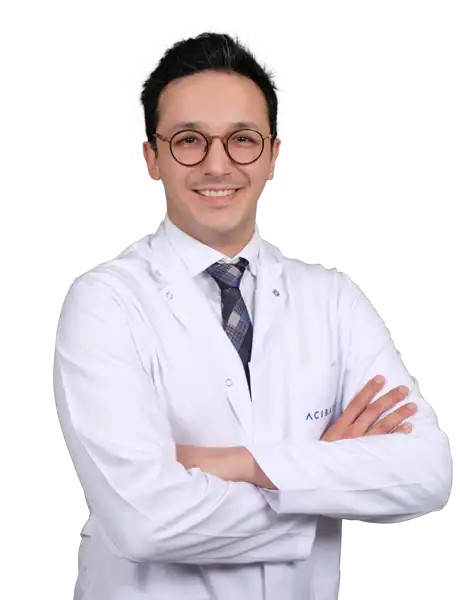
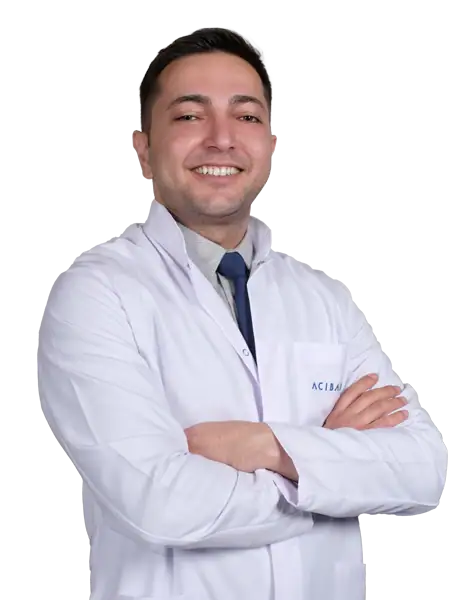
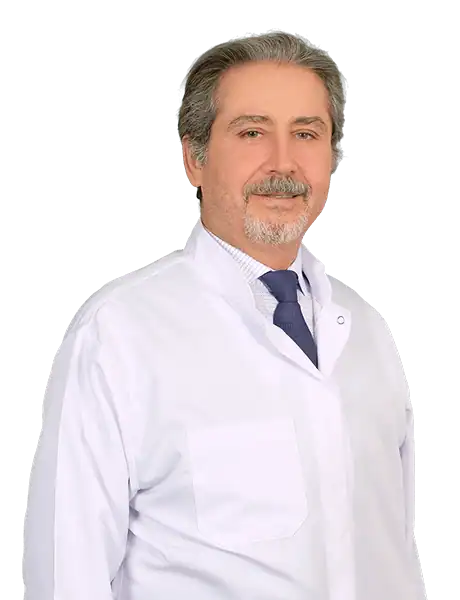
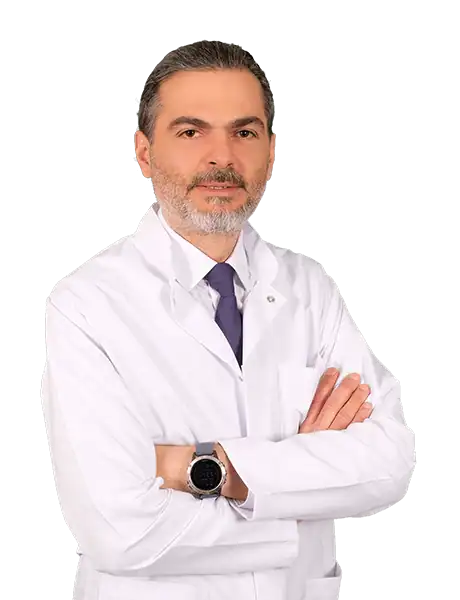
Doctors Performing This Treatment


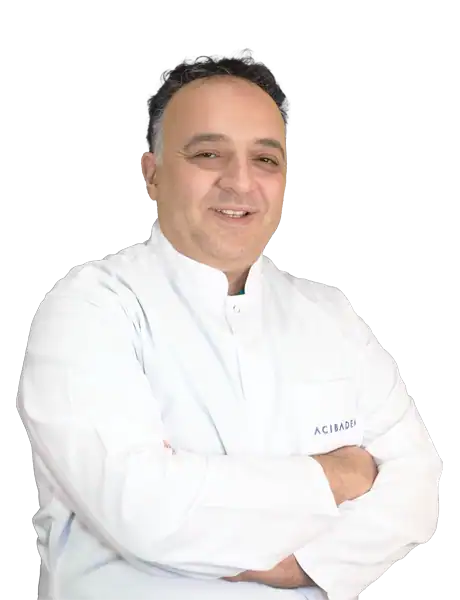
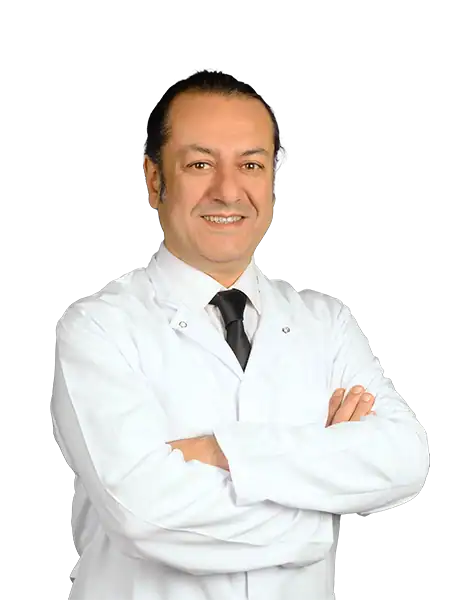
Aesthetic Plastic & Reconstructive Surgery
Prof. Mehmet Veli Karaaltın, MD

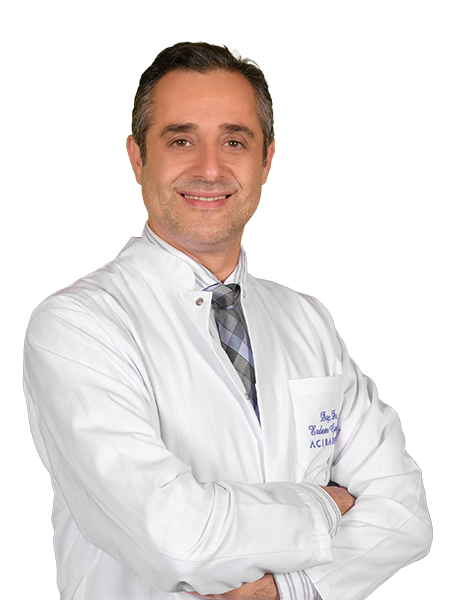
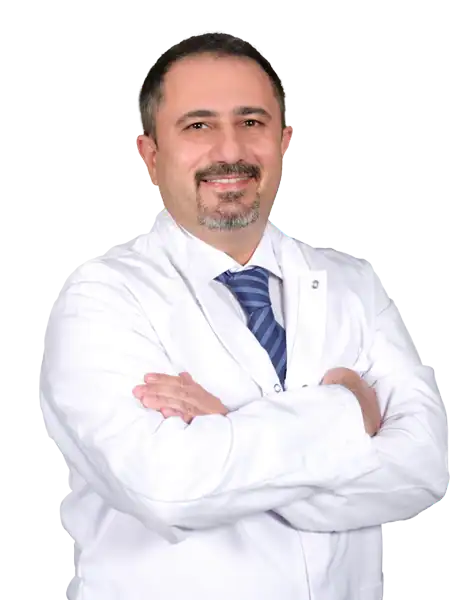
Aesthetic Plastic & Reconstructive Surgery
Assoc. Prof. Erdem Güven, MD

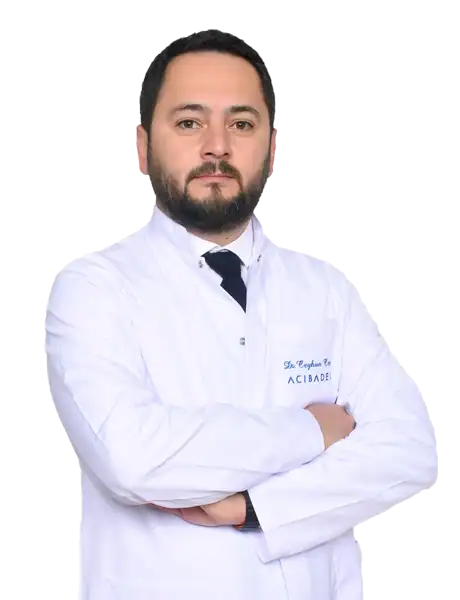
Aesthetic Plastic & Reconstructive Surgery
Assoc. Prof. Ahmet Küçükçelebi, MD
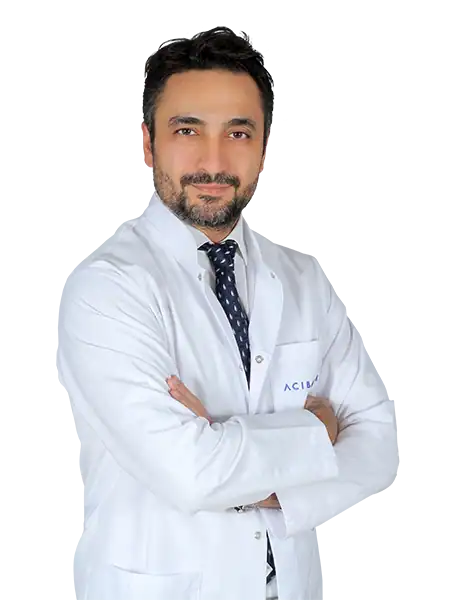
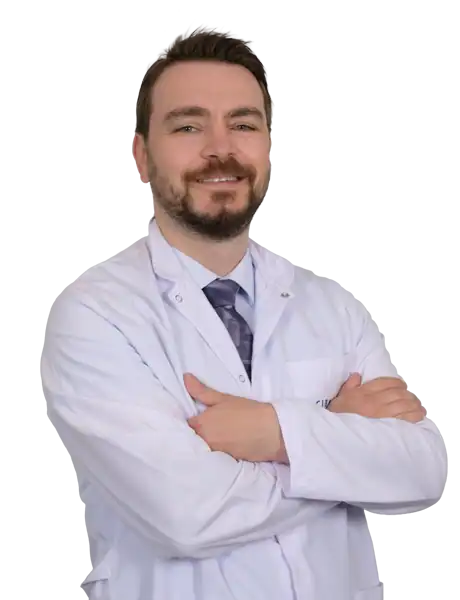
Aesthetic Plastic & Reconstructive Surgery
Assoc. Prof. Mehmet Altıparmak, MD

Aesthetic Plastic & Reconstructive Surgery