

Salpingo-oophorectomy at Acibadem Hospital
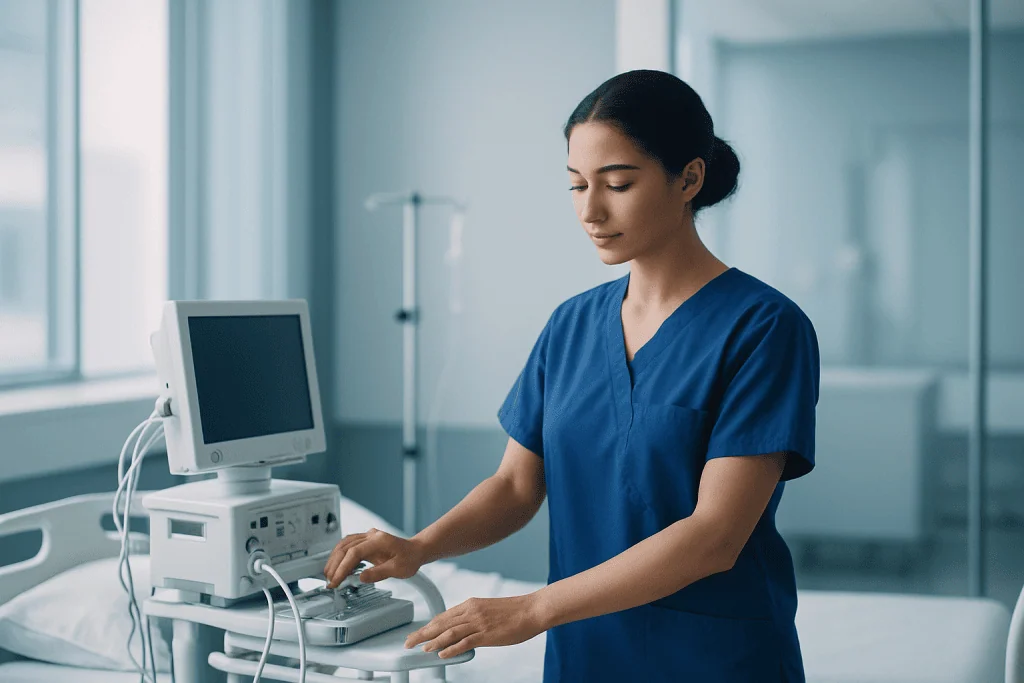
Salpingo-oophorectomy: Why Patients Choose Acibadem Hospital for Gynecologic Surgery?
Choosing the right medical facility for gynecologic care is a big decision for your health. At Acibadem Hospital, we offer world-class clinical excellence for those needing a salpingo-oophorectomy. Our team knows the physical and emotional challenges of these procedures. We put patient safety first, using the latest technology for the best results. Our surgeons are experts in precise ovary removal surgery. This makes our hospital a top choice for quality care.
We use new techniques with care to help your recovery. Patients from the United States trust our specialists for their focus on precision and comfort. By choosing us, you get a team dedicated to your needs. We’re here to help you through every step of your treatment. We offer clear and professional care.
Understanding the Salpingo-oophorectomy (Ovary removal surgery) Procedure
A salpingo-oophorectomy is a surgery to treat ovarian and tubal issues. It helps manage chronic pain, treat cysts, and lower cancer risk. Knowing about this surgery is key at Acibadem Hospital.
Anatomical Overview and Surgical Purpose
The female reproductive system has ovaries and fallopian tubes. Ovaries make eggs and hormones, while fallopian tubes carry eggs to the uterus. Surgeons remove one or both of these to fix health problems. Precision is key in this delicate area for safety and health.
Distinguishing Between Oophorectomy and Salpingo-oophorectomy
Oophorectomy and salpingo-oophorectomy are different surgeries. An oophorectomy removes ovaries, while a salpingo-oophorectomy removes ovaries and fallopian tubes.
Choosing the right surgery depends on your health and diagnosis. Our team at Acibadem will decide if you need one or both sides removed. Clear communication ensures you’re well-informed before surgery.
Why Patients Choose Acibadem Hospital for Gynecologic Surgery
Choosing the right medical facility is key when facing gynecologic surgery. At Acibadem Hospital, we use the latest technology and care deeply about our patients. This ensures the best results for you.
Advanced Surgical Infrastructure and Technology
Our hospital has top-notch operating rooms with the newest medical tools. We focus on precision and safety with high-definition imaging and minimally invasive methods. This helps our surgeons do complex surgeries with more accuracy and less harm.
Our modern setup makes surgeries more efficient. Patients get to go home sooner and get back to their lives faster. Our place meets the highest standards for surgery and patient comfort.
Multidisciplinary Care Teams
Success in surgery comes from a team effort. We have gynecologists, oncologists, and anesthesiologists working together. This team looks at all parts of your health before, during, and after surgery.
This team approach is key for handling tough cases and helping you recover better. Our experts share their knowledge to create personalized care plans for you. This teamwork is what makes our gynecologic surgery top-notch.
Indications for Medical Treatment Oophorectomy
Knowing why a doctor suggests a procedure is key to feeling confident in your care. A medical treatment oophorectomy is usually advised when removing the ovary could improve health or solve a pressing issue.
Doctors look at each case closely to decide if surgery is best. They weigh the benefits of surgery against its effects on hormones.
Managing Ovarian Cysts and Benign Masses
Many patients need a surgical oophorectomy for complex ovarian cysts that won’t go away with other treatments. While most cysts are harmless, some can cause pain, rupture, or even ovarian torsion, a serious emergency.
Removing a complex or risky mass stops further problems. Timely action is key to protect the pelvic area. Surgeons aim to remove only what’s needed to restore comfort and function.
Risk Reduction for Hereditary Cancer Syndromes
For those at high risk of ovarian or fallopian tube cancer due to genes, surgery is a vital option. People with certain gene mutations, like BRCA1 or BRCA2, have a much higher risk of cancer.
In these cases, a medical treatment oophorectomy is a proactive step to lower cancer risk. By removing the ovaries and fallopian tubes, patients can manage their health better. This preventative approach is recommended for those at high risk, as identified by genetic counseling.
Diagnostic Protocols Before Surgery
Getting a correct diagnosis is key for a successful surgical oophorectomy at Acibadem Hospital. Our team works hard to check everything carefully. This ensures every step is based on solid, personal health data.
Imaging Techniques and Laboratory Testing
Our pre-surgery process includes advanced imaging. Doctors use high-tech ultrasound or MRI scans to see the pelvic area. They check for any masses.
In some cases, we also use hysterosalpingography to get a full picture of your anatomy.
We also do blood tests to get a full health picture. These tests include tumor marker screenings. They help surgeons know what to expect during the surgical oophorectomy.
These tests help us spot any risks early. They make sure you’re ready for the surgery.
Consultation with Gynecologic Oncology Specialists
Working with gynecologic oncology specialists is a big part of our care. They look at your test results to plan the best surgery. This teamwork makes sure your treatment is safe and works well.
This team effort means your surgical oophorectomy gets the best care. We think talking openly with the oncology team is key for your health.
Surgical Approaches at Acibadem
Modern medicine has changed how we do gynecologic surgeries. At Acibadem, we use the latest techniques to make surgeries safer and less painful. These methods mean smaller cuts, which lessens damage to nearby tissues and helps you heal faster.
Laparoscopic Hysterectomy and Oophorectomy Techniques
A laparoscopic hysterectomy uses a thin, lighted tube with a camera. This lets surgeons see the pelvic area clearly on a monitor. It means less pain and a shorter stay in the hospital for you.
Our team uses the same precise techniques for surgical oophorectomy. This method is great for removing ovarian masses without harming nearby areas. We aim to give you top care with the least impact on your body.
Robotic-Assisted Surgical Precision
For tougher cases, Acibadem offers robotic-assisted surgery. This tech gives surgeons unmatched dexterity and 3D vision during surgery. The robotic arms make the surgeon’s hand movements into tiny, precise actions inside the body.
This precision is crucial for delicate surgeries where accuracy matters most. By using these robots, we make surgeries safer and more efficient. Our aim is to mix cutting-edge tech with caring service to support your health for the long term.
Preparing for Your Procedure
Getting ready before your surgery can make a big difference. It helps you feel better and recover faster. By preparing your body and mind, you set yourself up for success at Acibadem Hospital.
Pre-operative Lifestyle Adjustments
Healthy habits before surgery are key for your body’s strength. Eat well to boost your immune system and help your body heal. Drinking plenty of water and doing gentle exercises can also help.
If you smoke, quitting is very important. Smoking can slow down healing and raise the risk of breathing problems under anesthesia. Making these changes will prepare your body for surgery.
Medication Management and Anesthesia Planning
It’s important to manage your medications before surgery. Tell your team about all the medicines you’re taking. Some might need to stop to reduce bleeding risk.
You’ll also talk to our anesthesia experts about your health history. This helps create a safe and comfortable anesthesia plan for you. Always follow your team’s fasting instructions to keep you safe.
Managing Oophorectomy Complications and Risks
A medical treatment oophorectomy is a common procedure. But, our surgical team is always on the lookout for health risks. We think being open and prepared is key to a good outcome for every patient.
Intraoperative Safety Measures
Our surgeons watch vital signs closely during the surgery. This meticulous attention to detail helps catch and fix oophorectomy complications early.
Our operating rooms have the latest technology for a clean environment. Following strict safety rules, we lower the chance of problems during surgery. Your care is always our main focus.
Post-operative Monitoring and Infection Prevention
After surgery, our nurses watch you closely in the recovery unit. This is when we catch any issues early and act fast.
We use strong infection prevention strategies, like antibiotics and special wound care. These steps help you heal well after a medical treatment oophorectomy. You’ll feel better and get back to your life sooner.
We teach patients to spot early signs of oophorectomy complications, like pain or fever. Working together, we make sure your healing is closely watched and supported by our skilled team.
Navigating Surgical Menopause
Understanding surgical menopause is key to your recovery. It’s different from natural menopause, which takes years. Being ready for these changes can make your recovery better.
Hormonal Changes and Physiological Impact
When your ovaries are removed, hormone levels drop fast. This can cause sudden hot flashes, night sweats, and sleep changes right after surgery.
Some people also feel mood swings or changes in bone density. These changes are because your body is adjusting to new hormone levels. Your medical team at Acibadem will watch these changes closely to keep you healthy.
Strategies for Managing Menopausal Symptoms
Managing surgical menopause involves lifestyle changes and medical help. Hormone replacement therapy can be a good option. Talk to your specialist to find the best plan for you.
Healthy habits are also important. Exercise, a balanced diet, and stress-reduction can help. Proactive steps help you stay in control and live well during recovery.
Recovery Timeline and Post-operative Care
Your healing journey starts right after your surgery. At Acibadem Hospital, we focus on your comfort and safety. We have a plan to support you as you get stronger.
Immediate Hospital Recovery Phase
After surgery, you’ll go to a special recovery area. Nurses will watch your vital signs closely. Effective pain management is our top priority in these first hours.
Most patients start sitting up or walking short distances within 24 hours. This is essential for avoiding problems and keeping blood flowing. Our team will help you with these steps to make sure you’re safe.
Returning to Daily Activities and Long-term Healing
At home, balance rest with some light activity. Most people can do basic tasks in a few weeks. But, wait to do heavy lifting or hard exercise until your doctor says it’s okay. Gradual progression is key to a smooth recovery.
As you recover, you might start to feel the effects of surgical menopause. This happens because your body adjusts to the hormone level change. We provide resources to help you manage these symptoms and keep your quality of life high.
Long-term healing means regular check-ups to track your progress. Your care team will help you with a plan that meets your health needs. By being proactive, you can have a successful and healthy recovery as you get back to your routine.
Comparing Ovarian Cystectomy to Full Removal
At Acibadem, our team focuses on organ preservation when it’s safe for the patient. When a mass is found, we check if an ovarian cystectomy is a good option instead of removing the whole ovary. This helps keep the patient’s hormonal balance and reproductive chances.
When Organ Preservation is Possible
Younger patients or those wanting to keep natural hormone levels often choose organ preservation. An ovarian cystectomy removes the cyst but keeps the healthy part of the ovary. This works well for benign masses like dermoid cysts or endometriomas.
This method helps avoid the long-term effects of surgical menopause. Advanced imaging and surgery techniques help our team succeed. Patients get a quicker recovery and keep their gynecological health better.
Criteria for Deciding Between Cystectomy and Oophorectomy
Choosing between an ovarian cystectomy and a full oophorectomy depends on several things. Surgeons look at the mass’s size, location, and look during imaging. If the mass looks cancerous or the ovary is badly damaged, removing it all might be safer.
Other important factors include the patient’s age, family cancer history, and genetic markers. Our specialists do a thorough evaluation to make sure the chosen surgery fits the patient’s health goals. We explain clearly why one surgery might be better for someone else’s case.
The Role of Minimally Invasive Surgery
Minimally invasive surgery is a big step forward in patient care. It uses advanced technology for unparalleled precision. This way, surgeons can do complex procedures with less harm to the body.
Benefits of Laparoscopic Procedures
Patients getting a laparoscopic hysterectomy don’t need big cuts. The surgery lets doctors see inside the body clearly with a camera.
Because it’s less invasive, patients feel less pain after surgery. This helps the body heal faster during the first few days.
Reducing Scarring and Hospital Stay Duration
Modern gynecologic care also means less scarring. Whether it’s an ovarian cystectomy or other surgeries, doctors aim for minimal scarring.
These methods also mean patients can go home sooner. This quick recovery is key at Acibadem Hospital.
Patient-Centered Support Services at Acibadem
At Acibadem, we know healing is more than just surgery. We believe a successful surgery is just one part of your health journey. Our comprehensive support system meets your emotional and physical needs at every recovery stage.
Psychological Support and Counseling
Many patients find surgery emotionally challenging. Our team offers professional counseling to help you through your recovery. We create a safe space for you to talk about your concerns, making sure you feel supported and heard.
By focusing on your mental health, we help you stay positive. Mental well-being is key to your physical healing. Our specialists help you find ways to stay strong and calm.
Nutritional Guidance for Post-surgical Health
Good nutrition is vital for quick and effective recovery after surgery. Our clinical dietitians give personalized nutritional advice based on your health needs. We aim to help you develop lasting eating habits for better health.
Your diet after surgery is designed to aid in tissue repair and boost your immune system. We recommend nutrient-dense foods to help you regain energy. By following these professional tips, you can improve your health and feel great during recovery.
Long-term Health Considerations After Surgery
Your recovery journey doesn’t stop after the initial healing phase at Acibadem Hospital. The success of your surgery is just the beginning. Your long-term health depends on ongoing monitoring and proactive care. By paying attention to your body’s needs, you can keep living a high-quality life.
Bone Health and Cardiovascular Monitoring
The sudden change in hormone levels after surgery can affect your bones and heart. Bone density screenings are key to catch any bone loss early. This can help prevent osteoporosis and keep you mobile for years.
It’s also important to watch your heart health closely. Your doctors might recommend regular blood pressure and lipid tests. These steps can help manage risks and keep your heart healthy for the long run.
Follow-up Schedules and Routine Screenings
Keeping up with follow-up appointments is vital for your ongoing care. These visits are a chance to talk about any new symptoms or worries with your doctors. Routine screenings help make sure you’re recovering well and catch any small problems before they get big.
Your care plan will tell you how often to see your doctors. Staying in touch with your healthcare team helps avoid long-term Oophorectomy complications. Managing your follow-up schedule is a big step towards keeping your health and peace of mind.
Advancements in Gynecologic Oncology Care
The future of women’s health is being shaped by groundbreaking research and technological advancements. Medical professionals are constantly refining their approach to gynecologic surgery. This ensures patients get the most effective care possible.
By integrating new scientific discoveries into daily practice, hospitals can significantly improve recovery times and overall patient wellness.
Research and Innovation at Acibadem
Acibadem Hospital remains at the forefront of medical progress through its dedicated research initiatives. Our teams actively participate in clinical trials that explore innovative surgical techniques and diagnostic tools. This commitment to discovery allows us to offer cutting-edge solutions that were previously unavailable.
Data-driven decision-making is a cornerstone of our clinical philosophy. By analyzing outcomes from thousands of procedures, our specialists continuously optimize every aspect of gynecologic surgery. This rigorous approach ensures that our patients benefit from the latest evidence-based practices in the field.
Future Outlook for Ovarian Health Treatments
The landscape of ovarian health is shifting toward highly personalized treatment plans. We are moving away from one-size-fits-all methods and toward precision medicine that targets the unique needs of each individual. This evolution promises to enhance long-term health outcomes while minimizing the impact on a patient’s daily life.
Looking ahead, we anticipate even greater integration of artificial intelligence and advanced imaging in surgical planning. These tools will provide surgeons with unprecedented clarity, making gynecologic surgery safer and more predictable than ever before. We remain dedicated to leading these advancements to ensure a brighter, healthier future for all our patients.
Commitment to Excellence in Women’s Surgical Health
Acibadem Hospital is dedicated to top-notch gynecologic care. Every patient gets personal attention to focus on long-term health and recovery.
They use advanced tools and robotic-assisted platforms for precise surgeries. Surgeons aim to reduce trauma and improve results.
The support team creates a caring environment for women’s healing. They address both physical and emotional needs. This helps patients feel confident in their recovery.
Finding the right medical partner is key for reproductive health. Acibadem Hospital offers the expertise and guidance needed. Contact the clinical staff to talk about your health goals and start your recovery journey.
FAQ
Q: What is the clinical difference between an oophorectomy and a salpingo-oophorectomy?
A: A standard oophorectomy removes one or both ovaries. A salpingo-oophorectomy also removes the fallopian tube. This is often chosen to prevent future problems or as part of a treatment plan for reproductive health.
Q: Why should I choose Acibadem Hospital for my ovary removal surgery?
A: Acibadem Hospital is a top choice for gynecologic surgery. It has the latest technology and a team of experts. They work together to ensure your safety and the best recovery.
Q: What are the primary indications for a medical treatment oophorectomy?
A: A medical oophorectomy is needed for complex ovarian cysts, benign masses, or chronic pelvic pain. It’s also a preventive measure for those with hereditary cancer syndromes, like BRCA gene mutations, to lower cancer risk.
Q: What diagnostic protocols are required before undergoing gynecologic surgery?
A: Before surgery at Acibadem, patients get advanced imaging and lab tests. They also have a detailed consultation with gynecologic oncology specialists. This is to tailor the surgery to the patient’s needs.
Q: Does Acibadem Hospital utilize minimally invasive techniques like laparoscopic hysterectomy?
A: Yes, Acibadem Hospital uses minimally invasive methods when possible. This includes laparoscopic hysterectomy and robotic-assisted surgeries. These methods are more precise and cause less trauma than traditional surgery.
Q: How should I prepare for my upcoming ovary removal surgery?
A: To prepare, make lifestyle changes like quitting smoking and eating well. Our team will guide you on medication and anesthesia planning. This ensures you’re ready for the surgery.
Q: What are the possible oophorectomy complications and how are they managed?
A: Complications like infection, bleeding, or anesthesia reactions can happen. Acibadem uses strict safety measures and monitors patients closely after surgery. This helps catch and treat any issues right away.
Q: What is surgical menopause and how is it managed?
A: Surgical menopause happens when both ovaries are removed, causing a sudden drop in hormones. Acibadem offers strategies like hormonal replacement therapy and lifestyle support. This helps patients deal with the changes.
Q: What does the recovery timeline look like after a laparoscopic procedure?
A: After a laparoscopic surgery, recovery in the hospital is usually quick. Patients can go home in 24 to 48 hours. They can start light activities in one to two weeks. But, it may take up to six weeks to fully recover and return to strenuous activities.
Q: Is an ovarian cystectomy an alternative to removing the entire ovary?
A: Yes, an ovarian cystectomy can be done instead of removing the whole ovary. It removes only the cyst, leaving the healthy tissue. The choice depends on the cyst’s size, type, and the patient’s health.
Q: What support services are available for patients at Acibadem?
A: Acibadem offers support that includes psychological counseling and nutritional guidance. This helps patients manage the emotional and physical aspects of surgery and recovery.
Q: What long-term health monitoring is required after an oophorectomy?
A: After removing the ovaries, it’s important to watch bone density and heart health. Acibadem sets up a follow-up plan and screenings. This helps prevent long-term issues like osteoporosis.