Ozone Therapy
Ozone therapy is a complementary treatment in which a small, measured mixture of oxygen and ozone gas is introduced into the body, most often for chronic back pain, knee osteoarthritis or slow-healing…
Quick answer
Ozone therapy is a complementary treatment that introduces a measured oxygen-ozone gas mixture into the body by blood re-infusion, injection, skin application or rectal insufflation. It is offered mainly for chronic back or joint pain and slow-healing wounds. Evidence is limited, it is not an approved standard treatment, and it carries small but real risks.
What is ozone therapy?
Ozone therapy is a complementary treatment in which a mixture of medical-grade oxygen and ozone gas is introduced into the body. Ozone (O3) is a form of oxygen made of three oxygen atoms instead of the usual two. It is a highly reactive gas. In ozone therapy, a small, carefully measured concentration of ozone is mixed with oxygen and then given in one of several ways: mixed with a sample of the patient’s own blood and re-infused (a method called autohemotherapy), injected into or around a joint or muscle, applied to the skin inside a sealed bag or cup, or introduced into the rectum through a small tube (rectal insufflation).
It is important to understand from the start that ozone therapy is classed as a complementary or alternative therapy in most health systems. It is not a standard, guideline-recommended treatment for any disease, and regulators in several countries, including the United States Food and Drug Administration, have stated that ozone is a toxic gas with no proven medical use. Some clinics and practitioners, mainly in Europe and Latin America, do offer it, and small studies have explored it for a number of conditions. The strength of that evidence is generally low, and results vary widely.
Conditions for which ozone therapy is most often offered include:
- Chronic low back pain, especially pain linked to a bulging or herniated (slipped) spinal disc.
- Knee and other joint pain from osteoarthritis (wear-and-tear arthritis).
- Slow-healing wounds, such as diabetic foot ulcers, where ozone is applied to the skin.
- Some chronic infections and inflammatory conditions, though evidence here is especially limited.
- General wellness or fatigue claims, for which there is no reliable supporting evidence.
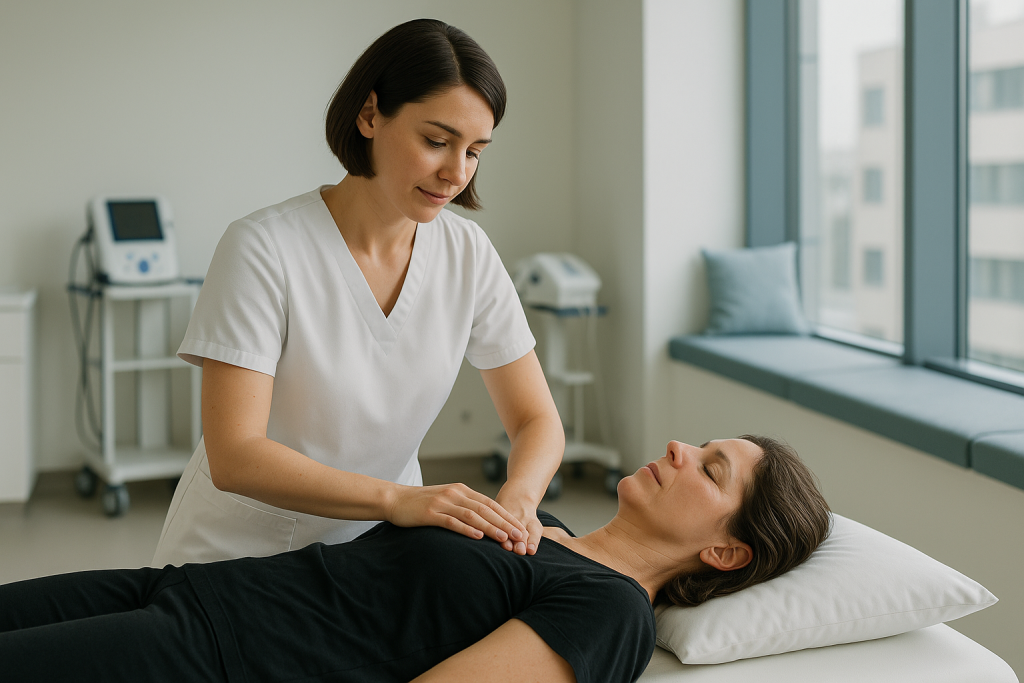
In hospital settings where it is available, ozone therapy is often provided within pain-management or rehabilitation programs. At Acibadem, treatments of this kind for musculoskeletal (muscle, bone and joint) pain are managed within the Physical Medicine & Rehabilitation department, alongside conventional options such as physiotherapy and exercise programs.
Who is a candidate: who needs ozone therapy and when it is not suitable
Because ozone therapy is not a first-line treatment, the honest answer to the question of who needs ozone therapy is that no one needs it in the way a person may need surgery or antibiotics. It is usually considered, if at all, as an add-on for people who have persistent pain or slow-healing wounds and who have already tried standard treatments without enough relief. A doctor may discuss it with you if:
- You have chronic back, neck or joint pain that has not improved with exercise therapy, physiotherapy or conventional pain relief.
- You have a diabetic or other chronic wound that is healing slowly despite good wound care and control of the underlying condition.
- You prefer to explore non-surgical options before considering a more invasive procedure.
Ozone therapy is generally considered unsuitable, or requires great caution, in the following situations:
- Favism (G6PD deficiency), an inherited condition that makes red blood cells fragile. Ozone can trigger the breakdown of red blood cells in these patients, so blood-based ozone therapy is usually avoided.
- Pregnancy, because safety has not been established.
- Overactive thyroid (hyperthyroidism) that is not well controlled.
- Serious heart disease, recent heart attack, or severe uncontrolled high blood pressure.
- Bleeding disorders or blood-thinning medication, particularly for injection-based methods.
- Active bleeding, including internal bleeding or heavy menstrual bleeding, and recent alcohol intoxication.
- Any situation where ozone would be inhaled. Breathing ozone damages the lungs, so it must never be given directly into the airway.
A specialist should review your full medical history before any decision is made, and ozone therapy should never replace treatment that is proven to work for your condition.
How the ozone therapy procedure works
The exact steps depend on the delivery method chosen. The description below covers the most common approaches in plain language.
Before the procedure
You will usually have a consultation in which the doctor reviews your diagnosis, imaging (such as an MRI scan for back pain) and current medications. A blood test may be ordered to check for G6PD deficiency and to assess general health. The doctor should explain that the treatment is complementary, what the realistic aims are, and the alternatives available.
During the procedure
- Major autohemotherapy: A small volume of your blood is drawn into a sterile container, mixed with an oxygen-ozone gas mixture, and then slowly returned to your vein through the same line. This takes roughly 30 to 60 minutes. You remain awake and can usually talk or read.
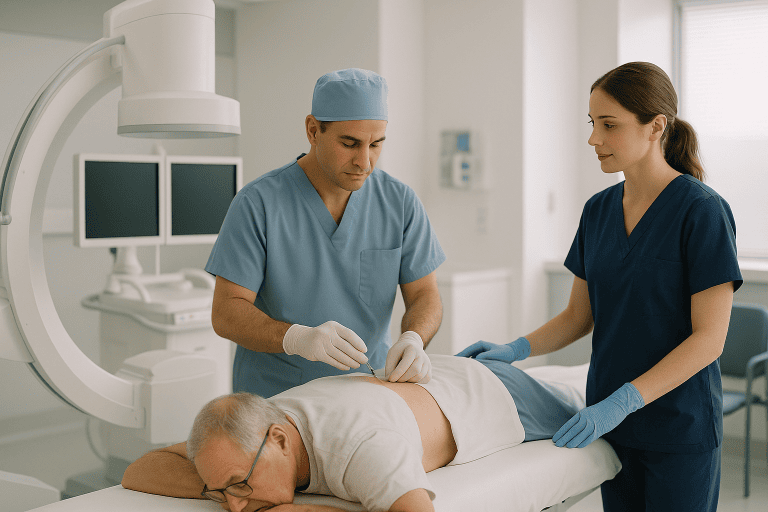
- Joint or paraspinal injection: The skin is cleaned and, in many cases, numbed with a local anesthetic (medication that numbs a small area). The doctor then injects a small volume of the gas mixture into the joint space or the muscles beside the spine. For disc-related back pain, injections are sometimes guided by X-ray or CT imaging so the needle is placed precisely. The injection itself takes a few minutes.
- Topical bagging: The affected limb or wound is placed in a sealed plastic bag or cup, and the gas mixture is circulated over the skin for around 15 to 30 minutes before being safely removed.
- Rectal insufflation: A thin, lubricated tube is placed a short distance into the rectum and a measured volume of gas is introduced over a few minutes. This is generally painless but may feel unusual.
All methods use a medical ozone generator that produces a set concentration from pure oxygen. The equipment should include safe disposal of unused gas so that ozone is not released into the room air.
After the procedure
Most sessions are done on an outpatient basis, meaning you go home the same day. You may be observed for a short period, especially after blood-based treatment or spinal injections. Ozone therapy is typically given as a course of several sessions spread over weeks rather than as a single treatment.
Preparation for ozone therapy
Preparation is usually simple, but a few practical steps are often recommended:
- Bring a list of all medications and supplements you take. Tell the doctor about blood thinners, diabetes medication and any allergies.
- Eat a light meal and drink water before the session unless told otherwise. Being well hydrated may make drawing blood easier and may reduce light-headedness.
- Avoid alcohol for at least 24 hours beforehand.
- For injection-based treatment, wear loose, comfortable clothing that allows easy access to the treatment area.
- If you have diabetes, check your blood sugar as advised, since fasting or stress can affect it.
- Arrange transport home if you are having spinal injections or feel anxious, since you may be advised not to drive immediately afterward.
Ask what to do about your regular medication on the day; in most cases it is continued, but your doctor may adjust blood thinners before injections.
Recovery and ozone therapy recovery time
One of the reasons people ask about ozone therapy is that recovery is usually quick compared with surgery. Ozone therapy recovery time is typically measured in hours to a couple of days rather than weeks.
- Same day: Many patients return to normal light activities the same day. Mild tiredness, a feeling of warmth, or slight light-headedness after blood-based treatment usually settles within a few hours.
- First 24 to 48 hours: After joint or spinal injections, it is common to feel soreness, pressure or a temporary increase in pain at the injection site. This often eases within one to two days. Ice packs and rest are usually enough. Strenuous exercise, heavy lifting and hot baths or saunas are often discouraged for a day or two.
- Between sessions: Any benefit, if it occurs, tends to build gradually over a course of treatments rather than appearing immediately. Your doctor will often ask you to keep a simple record of pain levels or wound appearance to judge whether the treatment is worthwhile continuing.
Aftercare recommendations typically include keeping injection sites clean and dry for 24 hours, continuing any prescribed physiotherapy or exercise program, and reporting unusual symptoms promptly. Ozone therapy is usually intended to support, not replace, movement-based rehabilitation for back and joint pain.
Risks and side effects: ozone therapy risks and benefits in balance
Any honest discussion of ozone therapy risks and benefits must acknowledge that the benefits are uncertain and the risks, while usually minor when performed correctly, can be serious when it is not.
Common, usually mild side effects
- Pain, bruising or swelling at needle sites.
- Temporary flare-up of pain in the treated joint or back area for a day or two.
- Tiredness, light-headedness or headache after blood-based treatment.
- Cramping, bloating or an urge to pass gas after rectal insufflation.
- Skin dryness or irritation after topical application.
Less common but more serious risks
- Inhalation of ozone from equipment leaks, causing coughing, chest tightness, eye irritation or, in higher exposures, lung injury.
- Air or gas embolism, where gas enters a blood vessel and blocks blood flow. This is a rare but potentially life-threatening complication, mainly linked to unsafe direct injection of gas into veins.
- Infection at injection sites or in joints, as with any injection.
- Nerve injury or bleeding around the spine following injections near the spinal column.
- Breakdown of red blood cells in people with G6PD deficiency.
- Allergic-type reactions to the anesthetic or to materials used.
There have been published reports of serious harm and, rarely, death associated with ozone therapy, usually involving direct gas injection into veins or unsterile technique. Reputable providers avoid direct intravenous gas injection entirely. The potential benefit, where it exists at all, appears to be modest, short-term relief of pain or improved wound healing in some individuals. Weighing an uncertain benefit against a small but real chance of serious harm is a personal decision that should be made with a qualified specialist.
Results and outlook
The evidence base for ozone therapy is limited and mixed. Some small trials and observational studies have reported reduced pain and improved function in people with lumbar disc herniation and knee osteoarthritis after oxygen-ozone injections, and some wound-care studies have described faster healing of chronic ulcers with topical ozone. However, many of these studies are small, lack a proper comparison group, or have other design weaknesses, so it is difficult to know how much of the reported improvement is due to ozone itself rather than to natural recovery, placebo effect or accompanying treatments such as physiotherapy.
Systematic reviews, which pool the results of many studies, have generally concluded that more rigorous research is needed before ozone therapy can be recommended as a standard treatment. Major health authorities have not endorsed it, and in the United States it is not an approved medical treatment. For claims relating to cancer, viral infections, autoimmune disease or general well-being, there is no reliable evidence of benefit, and choosing ozone therapy instead of proven treatment for such conditions can be harmful.
In practical terms, if a doctor offers ozone therapy for chronic musculoskeletal pain, it is reasonable to view it as an optional add-on that may help some people for a limited time, rather than a cure. Any improvement is often temporary, and ongoing exercise, weight management and conventional care remain the foundation of treatment.
Cost considerations
Ozone therapy is rarely covered by public health systems or private insurance because it is considered experimental or complementary. Patients usually pay out of pocket. Factors that influence the overall cost include:
- The number of sessions in the recommended course, since treatment is usually repeated over several weeks.
- The delivery method, with imaging-guided spinal injections generally costing more than topical or rectal application because of the equipment and specialist time involved.
- Pre-treatment testing, such as blood tests for G6PD deficiency and imaging of the spine or joint.
- Setting, as hospital-based treatment with specialist physicians and sterile facilities generally costs more than a small clinic, though it may also offer safer monitoring.
- Follow-up consultations and any combined rehabilitation or physiotherapy program.
Because coverage is uncommon, it is sensible to ask for a full written estimate of the whole course before starting, and to ask what happens if treatment is stopped early.
Frequently asked questions
What is ozone therapy used for?
Ozone therapy is most commonly offered for chronic back pain related to disc problems, knee osteoarthritis pain and slow-healing wounds such as diabetic ulcers. It is also promoted for many other conditions, but for most of these there is little or no reliable evidence. It is considered a complementary therapy rather than a standard medical treatment.
Is the ozone therapy procedure painful?
The procedure itself is usually only mildly uncomfortable. Blood-based treatment feels like having a blood test. Joint or spinal injections may cause a brief sharp sensation and a feeling of pressure as the gas is introduced, and local anesthetic is often used. Soreness afterward is common and usually fades within a day or two.
How long is ozone therapy recovery time?
Recovery is generally short. Many patients return to light daily activities the same day. Temporary soreness or tiredness typically settles within 24 to 48 hours. Your doctor may advise avoiding strenuous exercise and heat for a day or two after injections. Any benefit usually develops gradually over a course of sessions.
What are the main ozone therapy risks and benefits?
Possible benefits include modest, often temporary relief of joint or back pain and, in some wound-care settings, improved healing, though evidence is limited. Risks range from mild soreness, bruising and tiredness to rare but serious problems such as infection, nerve injury, lung irritation from inhaled gas and gas embolism. Direct injection of gas into a vein is considered unsafe.
Who needs ozone therapy, and who should avoid it?
No one strictly needs ozone therapy, because it is not a first-line treatment for any condition. It may be discussed as an add-on for people with persistent pain or chronic wounds who have not improved with standard care. It is generally avoided in pregnancy, G6PD deficiency, uncontrolled thyroid disease, serious heart disease, active bleeding and in anyone taking blood thinners without medical review.
Is ozone therapy approved or scientifically proven?
It is not approved as a medical treatment in the United States, and major health authorities have not recommended it. Some small studies suggest benefit for certain pain conditions, but larger, well-designed trials are lacking. Health professionals therefore describe it as experimental or complementary, and it should not replace proven treatments.
How many ozone therapy sessions are usually recommended?
Courses vary widely between practitioners and conditions. A course of several sessions over a few weeks is common for pain conditions, while wound treatment may continue until the wound improves or it becomes clear that it is not helping. A responsible plan includes regular review so that treatment is stopped if there is no meaningful benefit.
When to see a doctor
If you are living with ongoing back, neck or joint pain, or a wound that has not healed within a few weeks, you should be assessed by a doctor before considering ozone therapy or any other complementary treatment. A proper diagnosis matters because pain and slow healing can have causes that need specific, proven treatment. A specialist in physical medicine and rehabilitation, orthopedics or wound care can explain the full range of options and where, if anywhere, ozone therapy might fit.
Seek urgent medical attention after an ozone therapy session if you experience any of the following:
- Sudden shortness of breath, chest pain, coughing or wheezing.
- Confusion, severe headache, weakness or numbness in the face, arms or legs, difficulty speaking, or vision changes, which could indicate a gas embolism or stroke.
- New or worsening leg weakness, numbness between the legs, or loss of bladder or bowel control after spinal injections.
- Fever, chills, or increasing redness, warmth, swelling or discharge at an injection site or treated joint.
- Severe or rapidly worsening pain that is not relieved by rest and simple pain relief.
- Dark urine, yellowing of the skin or eyes, or unusual paleness and fatigue after blood-based treatment, which may suggest red blood cell breakdown.
These symptoms are uncommon, but they can signal serious complications that need immediate assessment in an emergency department.
Preparation
- Bring a list of all medications and supplements, and tell your doctor about blood thinners, diabetes, thyroid disease, pregnancy or known G6PD deficiency. Eat a light meal, drink water and avoid alcohol for 24 hours beforehand. Wear loose clothing for injection-based treatment and arrange transport home if you are having spinal injections.
Aftercare
- Rest for the remainder of the day and avoid strenuous exercise, heavy lifting, hot baths and saunas for one to two days after injections. Keep needle sites clean and dry for 24 hours and use ice for soreness. Continue any prescribed physiotherapy or exercise program, keep a simple record of symptoms between sessions, and seek urgent care for breathing difficulty, neurological symptoms, fever or worsening pain.
Medically reviewed by the Acıbadem International Medical Board September 13, 2026
See our medical review board →
Update history
- PublishedSeptember 13, 2026
- Medical review approvedSeptember 13, 2026
- Last content updateSeptember 13, 2026