

What Happens to the Brain During Neurological Recovery Post-Trauma?
Quick answer
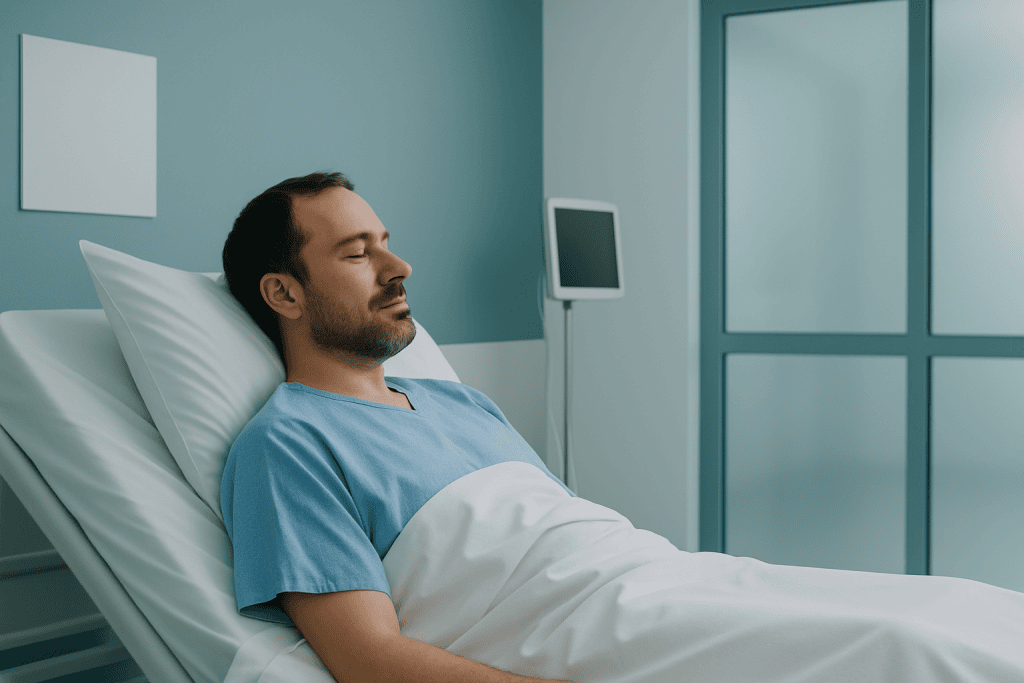
After brain trauma, neurological recovery happens as swelling settles, surviving brain cells reconnect, and the nervous system gradually relearns lost functions such as movement, speech, memory, or attention. In Turkey, Acibadem’s neurology, neurosurgery, rehabilitation, and imaging teams evaluate the type and extent of injury and guide recovery with monitoring, medication when needed, and personalized rehabilitation programs.
What Happens to the Brain During Neurological Recovery Post-Trauma?
The human brain has a special ability to change and heal itself. When trauma hits, the brain starts a complex repair process. This is key to long-term healing and getting back to normal. We use advanced medical technology and proven methods to help the brain heal. Knowing how the brain can change is the first step to recovery. We make sure each patient gets a care plan that’s just right for them.
Key Takeaways
- The brain uses its own ways to fix damaged areas.
- Neuroplasticity is the main way to get back to normal.
- Modern technology makes rehab more effective.
- Support and research-backed care are key for success.
- Understanding the healing process helps patients on their journey.
The Immediate Biological Response to Brain Trauma
When a traumatic brain injury happens, the skull starts a complex process. This acute phase is key because the brain tries to handle sudden stress. Our team works fast to lessen long-term harm.
Right after the injury, the brain’s inflammation goes up. This is the body’s way to protect the brain, but it can also raise pressure inside the skull. Lowering these markers is our main goal to stop further damage.
The brain also changes how it uses energy after an injury. This can lead to a crisis where the brain needs more glucose than it has. By watching these changes, we can help the brain recover by keeping healthy tissue alive.
We use advanced tools to track these changes as they happen. We know quick action is key for better results. By focusing on stabilizing and protecting the brain, we lay the groundwork for recovery.
| Biological Factor | Clinical Impact | Intervention Goal |
|---|---|---|
| Inflammatory Response | Increased intracranial pressure | Reduce swelling and pressure |
| Metabolic Shift | Cellular energy crisis | Restore glucose balance |
| Neural Integrity | Risk of secondary damage | Preserve viable tissue |
Understanding Neuroplasticity After Injury
Understanding neuroplasticity after injury is key in modern neurological care. This process lets the brain adapt and change. When we get hurt, our brain tries to make up for lost areas.
The brain makes new, strong connections between healthy cells. This helps the nervous system get around damaged spots. This natural ability is what guides our treatment plans.
We use this amazing ability to tailor recovery plans for each patient. By focusing on neuroplasticity after injury, we help the brain heal and adapt. Our goal is to use science to help patients get better in the long run.
The Role of Neural Rewiring in Functional Restoration
The human brain works hard to regain lost abilities through neural rewiring. It creates new paths for communication by avoiding damaged areas. Recovery is not just sitting back and waiting; it’s a change in how the brain is built.
Repeating certain tasks is key to this process. Patients help their brains connect new areas for functions. This targeted neuroplasticity keeps the brain involved in its healing.
Our team uses advanced imaging to watch these changes happen. We see how the brain adapts and adjust rehab plans. This way, every step helps the brain’s neural rewiring process.
| Recovery Factor | Traditional Approach | Modern Rewiring Strategy |
|---|---|---|
| Pathway Focus | Static Compensation | Active Neural Rewiring |
| Stimulation Type | General Exercise | Targeted Task-Specific |
| Monitoring Method | Clinical Observation | Advanced Diagnostic Imaging |
| Outcome Goal | Symptom Management | Functional Restoration |
Stages of Cognitive Recovery After Injury
We have a detailed plan to help patients recover from brain injuries. This plan starts with getting stable and then moves to improving daily functions. Our team makes sure each patient gets the right help for their recovery.
The first step is about getting stable and aware. Here, compassionate clinical oversight is key to watch for brain changes. As patients get better, we start working on more complex skills like memory and planning.
We make sure each step of recovery is backed by evidence-based practices. We adjust our treatments to fit what each patient needs. This approach helps improve their long-term brain health.
The table below shows the main steps of cognitive rehabilitation and what our team focuses on:
| Recovery Phase | Primary Clinical Focus | Expected Outcome |
|---|---|---|
| Acute Stabilization | Medical monitoring and safety | Physiological stability |
| Early Rehabilitation | Basic sensory and motor tasks | Increased alertness |
| Functional Integration | Complex problem solving | Return to daily activities |
| Advanced Maintenance | Long-term cognitive health | Sustainable independence |
Our strict plan helps those trying to get back their brain skills. We are committed to giving the best care at every step of their recovery.
Neurorehabilitation Techniques and Clinical Approaches
Recovering from brain trauma needs a detailed, team-based plan. Our medical centers use many neurorehabilitation methods to meet each patient’s needs. We use the latest technology to make sure our treatments are based on the newest research.
Our teams work together, combining physical, occupational, and speech therapies. This teamwork helps make neuroplasticity therapy work better for everyone. We think a team effort is key to getting back lost abilities and improving life quality.
We offer full care to help patients get better. Physical therapy helps with moving and getting stronger. Occupational therapy helps with everyday tasks. And speech therapy works on talking and thinking skills, helping patients become independent.
We’re all about being the best in medical science. By always improving our neuroplasticity therapy, we give patients the best shot at getting better. We’re committed to making neurorehabilitation better through new ideas and caring for our patients.
The Impact of Neuroplasticity Exercises on Motor Skills
The road to physical recovery is filled with neuroplasticity exercises that change the brain. These exercises focus on specific movements to help the brain control the body. This is key for those trying to get back on their feet after a big injury.
Getting back in control of our bodies needs hard work and repetition. Doing the same tasks over and over changes the brain. These changes help connect the brain to the muscles, fixing the damage from injuries.
Our team uses the latest tools to make these neuroplasticity exercises safe and effective. We use advanced robots and sensors to create a perfect environment for healing. This tech lets us watch how well each patient is doing closely.
We’re all about giving our patients from around the world the best care. We make sure each person gets exercises that fit their needs. This focus on each patient helps them reach their recovery goals.
Molecular Mechanisms Driving Brain Plasticity
Brain plasticity is based on complex cellular signals. These signals help the nervous system adapt after a traumatic event. At the microscopic level, the brain repairs damaged pathways and restores lost functions.
Neurotrophic factors are key proteins that support neuron survival and growth. They create an environment for new connections to form. This growth helps the brain to bypass damaged areas and create new, healthy paths.
Synaptic strengthening is important for keeping new connections stable. When neurons fire together often, the connections between them get stronger. This strengthening process helps keep the gains from rehabilitation over time.
Our researchers study these tiny interactions to create better treatments. By focusing on specific molecular pathways, we aim to boost the brain’s natural healing. This focus on scientific excellence gives patients access to advanced care options.
Understanding these cellular mechanisms is a major goal for our teams. As we learn more about brain plasticity, we improve our support for patients. This ongoing research keeps our healthcare solutions at the edge of modern medicine.
Challenges in Neural Pathways After Trauma
The journey to fix damaged neural pathways after trauma is tough. When the brain gets hurt, the networks that help us move and think get messed up. Natural recovery processes often can’t fix these problems, leaving patients with lasting issues.
Doctors face big challenges in fixing these damaged networks. They deal with inflammation, scar tissue, and lost connections. Without the right help, the brain can’t get around these problems, making long-term recovery hard.
We tackle these tough issues with advanced surgery and non-invasive neural rewiring methods. Our team uses top-notch neuro-mapping tech to find and fix broken connections. Then, we use special plans to wake up dormant areas and grow new connections.
We’re dedicated to finding complete solutions for patients. With innovative therapeutic approaches, we help patients regain their independence. Our goal is to give each person the care they need to overcome the hurdles of damaged neural pathways after trauma.
The Influence of Nutrition and Lifestyle on Recovery
Nutrition and lifestyle are key to healing the brain. Metabolic health is the base for brain repair. Eating foods rich in nutrients helps a lot in cognitive recovery after injury.
We focus on health beyond just medical care. We give patients the tools to heal in a supportive environment. This way, everyone can make progress in their recovery.
A healthy lifestyle, including good sleep and managing stress, helps the brain. When the body gets the right food, the brain can repair itself better. This is key for cognitive recovery after injury.
We keep working to make these healthy habits part of our care. We want our patients to be active in their healing. Our team keeps improving to help everyone reach their recovery goals.
Advanced Neuroplasticity Therapy Innovations
We’re pushing the limits of recovery with cutting-edge tech. Our global network of hospitals uses the latest tech to boost neuroplasticity after injury. This ensures each patient gets the best care possible today.
Robotics are key in modern rehab. They offer repetitive, intense movement patterns. This lets patients do neuroplasticity exercises with more consistency than manual therapy. It helps the brain make new pathways faster.
Virtual reality (VR) is changing our clinics. It creates immersive environments for neuroplasticity therapy. Patients tackle cognitive and motor challenges at once. This speeds up the brain’s adaptation and reorganization after trauma.
Brain-computer interfaces (BCI) are the next big thing. They connect neural activity to external devices for real-time feedback. This tech is vital for those with severe neuroplasticity after injury challenges.
We’re driven by our commitment to innovation, inspired by the Creator archetype. By mixing neuroplasticity exercises with advanced engineering, we aim for better patient results. Our goal is to build a future for neurological health with sustainable, high-tech solutions.
Psychological Factors Affecting Cognitive Rehabilitation
The journey to recover from brain injuries is as much about the mind as it is about the body. While doctors work on fixing brain paths, the patient’s mindset plays a big role in cognitive rehabilitation. We see that mental toughness is key for lasting success in our care.
Motivation is what drives progress in therapy. When patients stay positive, they dive into tough exercises better. Emotional support from loved ones and doctors helps the brain heal without stress.
We make sure to include mental health in every cognitive rehabilitation plan. We tackle anxiety, depression, and frustration early. This way, we help patients overcome mental blocks that slow down healing. We focus on the mind as much as the body for a full recovery.
The table below shows how mental factors affect recovery in our special places.
| Psychological Factor | Impact on Recovery | Clinical Strategy |
|---|---|---|
| Mental Resilience | High | Cognitive Behavioral Therapy |
| Patient Motivation | Critical | Goal-Oriented Milestones |
| Emotional Support | Significant | Family Counseling Integration |
| Cognitive Rehabilitation | Essential | Evidence-Based Neuroplasticity |
Measuring Progress in Neurological Recovery
Tracking recovery after a brain injury needs a mix of watching closely and using advanced tech. We focus on data-driven insights to see how neural pathways after trauma get better. Our team uses set metrics to track each step of healing.
Good neurorehabilitation means we can measure small changes in how patients do things. We use tools like functional MRI and tests to see how the brain changes. These tools show us how neural pathways after trauma get stronger over time.
We want to be open with patients and their families. Sharing updates builds trust and helps everyone work together. This way, we can change treatment plans based on what we learn right away.
| Assessment Metric | Primary Focus | Clinical Utility |
|---|---|---|
| Functional MRI | Brain Activity Mapping | High Precision |
| Cognitive Battery | Memory and Logic | Standardized Scoring |
| Motor Skill Index | Physical Coordination | Functional Tracking |
| Quality of Life Survey | Patient Well-being | Subjective Feedback |
We use many different ways to check on brain health. This rigorous methodology helps us give top-notch care. We keep working to make these methods even better for our patients.
The Future of Brain Injury Recovery Research
Medical science is moving into a new era of brain healing. Our team is leading the way in finding new ways to help patients recover from brain injuries. We think that deep scientific study is key to making real progress in treatment.
Right now, we’re testing new medicines and technologies to help the brain heal. These treatments aim to wake up the brain’s natural healing powers. Our scientists are working hard to turn these ideas into real treatments for patients.
Recovering from brain injuries is not just about medicine. It also needs a strong support system. We’re building advanced facilities for patient care and research. This way, we can keep leading in healthcare for years to come.
Innovation is at the heart of what we do. We believe in making the brain’s healing process manageable. This lets our doctors achieve better results. We’re excited to invest in the future of brain medicine!
Sustaining Long-Term Neurological Health
Recovering from a brain injury takes a lot of work and dedication. Our team is here to help you keep improving over time. We offer the care you need to stay on track.
We use the latest technology and tailor each treatment plan to fit your needs. This way, we make sure you get the best care for your brain’s recovery.
We’re always looking for new ways to help our patients. Our research helps us find better ways to care for you. We aim to make healthcare better for everyone, everywhere.
Protecting the environment is very important to us. We use green practices in our facilities. This helps keep our patients and the planet safe for the future.
Check out our resources to help you on your journey to better brain health. Our team is here to support you with the latest care and dedication.
FAQ
Q: What exactly is neuroplasticity after injury and how does it facilitate recovery?
A: Neuroplasticity after injury means the brain can change and adapt after trauma. It helps the brain find new ways to work around damaged areas. Our team uses this to create personalized recovery plans for each patient.
Q: What happens during the immediate biological response to brain trauma?
A: When the brain gets hurt, it goes through big changes. These include inflammation and changes in how it uses energy. We work to keep these changes from getting worse and help the brain heal.
Q: How does neural rewiring contribute to regaining lost capabilities?
A: Neural rewiring is when the brain finds new ways to do things. We use special tools to watch these changes. This helps the brain learn new ways to move and think.
Q: What are the defined stages of cognitive recovery after injury?
A: Getting better after a brain injury takes time and steps. First, we stabilize the brain. Then, we help it learn new things. Our plans change as needed to help each patient.
Q: Which neurorehabilitation techniques are utilized to maximize recovery?
A: We use many ways to help the brain heal. This includes physical and speech therapy. We also use special exercises to help the brain adapt.
Q: How do neuroplasticity exercises improve physical motor skills?
A: Neuroplasticity exercises help the brain learn new ways to move. Doing these exercises over and over helps the brain get better. Our therapists help patients do these exercises to improve their skills.
Q: What molecular mechanisms are responsible for driving brain plasticity?
A: Brain plasticity is driven by tiny changes in the brain. These changes involve special chemicals and how brain cells connect. Our researchers study these to find better ways to help the brain heal.
Q: What innovations are currently transforming neuroplasticity therapy?
A: New technologies like robotics and virtual reality are changing how we help the brain heal. These tools create immersive experiences that help the brain recover faster. We stay up-to-date with these advancements.
Q: How do nutrition and lifestyle influence the brain’s ability to heal?
A: What we eat and how we live affects how the brain heals. Eating right and living healthy helps the brain repair itself. We teach patients how to support their brain’s recovery.
Q: How is progress measured during the restoration of neural pathways after trauma?
A: We track how well the brain is healing using special tools. This helps us adjust treatment plans to meet each patient’s needs. We keep families updated on their loved one’s progress.
Q: What role do psychological factors play in cognitive rehabilitation?
A: Mental strength, motivation, and support are key to getting better. We focus on the mind as much as the body. This helps patients heal fully and lastingly.