

What Is Cancer A Friendly Guide to Understanding It
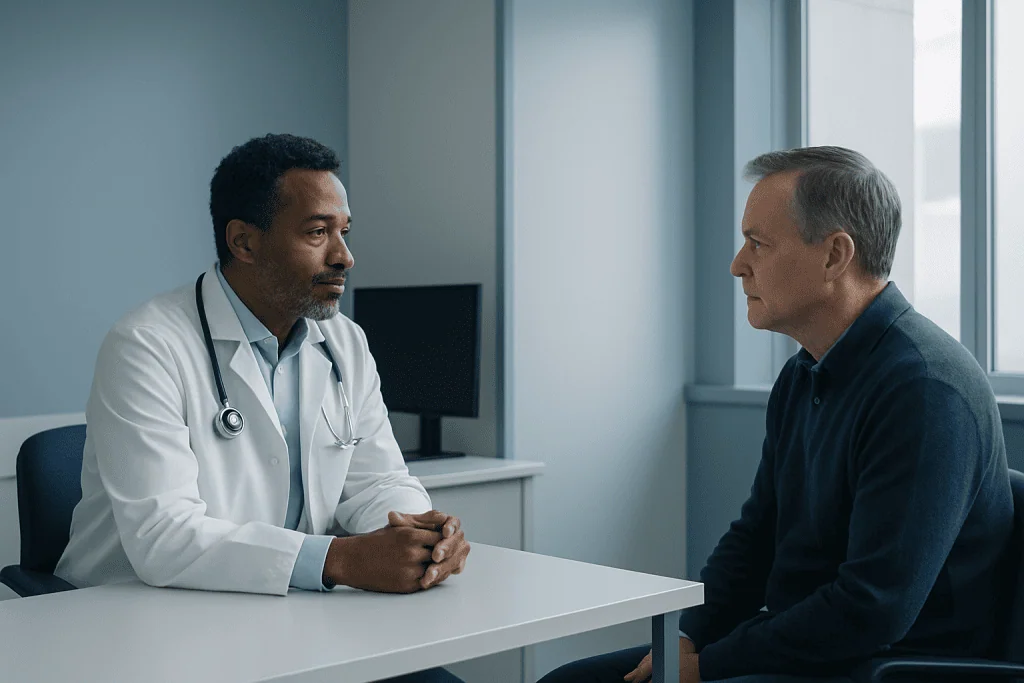
What Is Cancer A Friendly Guide to Understanding It
Getting a diagnosis can be scary, but knowing what’s happening can help. Understanding Cancer means learning about the body’s complex processes. We aim to make medical terms easy to understand, so you feel more at ease.
Cancer is when cells grow too fast and don’t stop. It might sound scary, but knowing the basics can make you feel more in control. We think that when people know more, they can make better choices for their health.
This guide gives you a clear look at What Is Cancer. You’ll have the information you need right here. We’re here to support you every step of the way. Let’s face this together, with hope and the latest in medical science.
Defining the Biological Basis of Cancer
Every living thing has a balance between cell growth and death. In a healthy body, this balance keeps tissues working well. A Cancer Definition is about what happens when this balance is lost, leading to uncontrolled growth.
The body constantly replaces old cells with new ones to stay healthy. This process follows strict rules about when cells should divide and when they should stop.
The Cellular Life Cycle
Every cell in your body goes through a cycle. This cycle makes sure genetic material is copied right before a cell splits. Precision is vital in this phase to avoid health problems.
There are several key stages in this cycle:
- Growth Phase: The cell gets bigger and gets ready for division.
- DNA Replication: The genetic blueprint is copied for each new cell.
- Mitosis: The cell physically divides into two distinct units.
- Apoptosis: Damaged or old cells are told to die off.
How Normal Cells Become Abnormal
When the cell cycle’s rules are broken, big changes can happen. DNA mutations can make cells ignore signals to stop growing or dying. These Cancer Cells grow out of control.
As these abnormal cells build up, they can form tumors that harm healthy tissue. This change from normal to cancerous cells takes years. Understanding these changes is key to knowing how cancer starts.
By studying these changes, scientists can find out what makes cells go wrong. This knowledge helps create new ways to diagnose and treat cancer.
What Is Cancer and How Does It Develop?
The cancer definition is about a problem with the body’s control systems. Normally, our bodies only make new tissue when needed. But when this balance is lost, a disease can start in any part of the body.
Uncontrolled Cell Division
The main cause is when cancer cells start to grow out of control. In a healthy body, cells divide to replace old or damaged ones. But genetic changes can make these cells ignore the stop signals.
This leads to cells dividing too fast and without control. These cells keep growing without any order. This creates extra tissue that the body doesn’t need.
The Formation of Tumours
As these abnormal cells build up, they often form a tumour. Not all growths are harmful, but a tumour shows the body’s cells are out of balance. How these tumours act can affect the patient’s health.
Benign Versus Malignant Growths
It’s important to know the difference between growths. Doctors classify them based on how they spread and affect nearby tissues:
- Benign Growths: These are non-cancerous and grow slowly. They don’t spread to other parts of the body or harm nearby tissues.
- Malignant Growths: These are the most aggressive form of cancer. They can spread to other areas and invade nearby tissues.
- Metastasis: This is when cancer cells move to form new tumours in other places.
Knowing these differences is key to understanding cancer. While benign tumours are usually manageable, malignant cancer cells need special treatment to stop them from spreading. Understanding how cancer works is the first step to fighting it.
The Role of Genetics and DNA Mutations
At the heart of every cancer diagnosis lies a complex story of DNA damage and repair. Our cells rely on precise genetic instructions to function, grow, and divide in an orderly fashion. When these instructions become corrupted, the biological safeguards that maintain health can falter, potentially leading to the development of malignant tumours.
Inherited Genetic Predispositions
Some individuals are born with specific genetic variations that increase their susceptibility to certain diseases. These germline mutations are passed down through generations, meaning they are present in every cell of the body from birth. While inheriting a mutation does not guarantee that a person will develop cancer, it often means the body has a lower threshold for cellular errors to accumulate.
Genetic counselling is frequently recommended for families with a history of specific cancers. Understanding these inherited risks allows for proactive screening and earlier detection. By identifying these markers, medical professionals can tailor surveillance plans to manage proactive screening and manage health risks more effectively.
Acquired Mutations Throughout Life
Most cancers are not inherited but are instead caused by somatic mutations that occur during a person’s lifetime. These changes happen in individual cells due to a variety of external and internal factors. Exposure to environmental carcinogens, such as tobacco smoke or ultraviolet radiation, can damage DNA over time.
As we age, our cells undergo countless rounds of division, increasing the likelihood of replication errors. While the body possesses sophisticated repair mechanisms to fix these mistakes, some damage may persist. Over many years, the accumulation of these acquired mutations can eventually cause a cell to lose its ability to regulate its own growth.
The Role of Oncogenes and Tumour Suppressor Genes
The regulation of cell growth is governed by two primary types of genes. Oncogenes are mutated forms of normal genes that, when overactive, act like a stuck accelerator pedal in a car. They signal cells to divide uncontrollably, which is a hallmark of cancer progression.
Conversely, tumour suppressor genes act as the body’s natural brakes. They are responsible for slowing down cell division, repairing DNA mistakes, or instructing cells to undergo programmed death if the damage is too severe. When these protective genes are damaged or silenced, the cell loses its ability to stop growing, creating a dangerous environment where tumours can thrive.
Common Cancer Types and Their Characteristics
Doctors sort cancers into different types based on where they start. Knowing this helps them figure out how the cancer will act and the best treatment options.
Carcinomas and Their Origins
Carcinomas are the most common cancers. They start in the epithelial cells, which cover the body’s surfaces.
Examples include breast, prostate, lung, and colon cancers. These tissues are everywhere in the body, making carcinomas very common.
Sarcomas Affecting Connective Tissues
Sarcomas grow in the body’s connective tissues. This includes bones, cartilage, fat, muscle, and blood vessels.
People with sarcomas often need special care. For more information, see the soft tissue cancer sarcoma definition symptoms types and guidelines. These cancers need a detailed diagnosis because of their unique growth.
Leukaemias and Lymphomas
Leukaemias and lymphomas affect the blood and immune system. Leukaemia makes too many bad white blood cells in the bone marrow.
Lymphomas start in the lymphatic system, which fights off infections. Both types spread through the body, not just one place.
Central Nervous System Cancers
Cancers in the brain and spinal cord are complex. They affect important body functions.
Doctors must carefully plan treatment based on where and what type of cells are involved. Early detection is key to managing these cancers well.
Recognising Early Cancer Symptoms
Spotting the early signs your body gives can make a big difference. Many changes are harmless, but knowing about Cancer Symptoms helps you act fast. Catching a problem early is key to managing it well.
General Signs to Monitor
Some changes in your body can be warning signs. Unexplained weight loss is a big red flag, even if you haven’t changed your diet or exercise. Also, if you’re always tired and can’t shake it off, don’t ignore it.
Other signs include unexplained fevers, night sweats, or pain that won’t go away. These symptoms might seem vague, but they need a doctor’s check-up to make sure everything is okay.
Site-Specific Warning Indicators
Your body might give clues about where a problem might be. For example, a new lump in the breast or other soft tissues is a clear sign to see a doctor. Changes in bowel or bladder habits, like constipation or blood in the stool, are also important.
Watch out for skin changes, like a new mole or a mole that’s changed a lot. Also, if you have a cough or hoarseness that lasts for weeks, it could mean something’s wrong in your lungs. Noticing these changes early is key to getting a diagnosis quickly.
When to Consult a General Practitioner
If you notice any lasting or worrying changes, see your doctor right away. Don’t wait for things to get worse. Your doctor can check you over and do tests to find out what’s going on.
When you see your GP, tell them about your symptoms and how they’ve changed. Knowing about cancer treatment can help if you get a diagnosis. Talking openly with your doctor is the best way to get the care you need.
Diagnostic Procedures and Screening Methods
Getting a clear diagnosis takes several important steps. Doctors follow a set path to ensure they get it right. This starts with screening to catch problems early.
Imaging Techniques and Their Uses
Modern imaging lets doctors see inside the body without surgery. These tools help find tumours and how big they are. Precision is key for planning treatment.
Here are some common imaging methods:
- Computed Tomography (CT) scans: These give detailed images of the body.
- Magnetic Resonance Imaging (MRI): Uses strong magnets for clear pictures of soft tissues.
- Ultrasound: Uses sound waves for quick, real-time images.
Biopsy Procedures for Definitive Diagnosis
Imaging shows a lot, but a biopsy is needed for sure proof. A specialist takes a small tissue sample. This sample is then checked in a lab.
Pathologists look at the cells to see if they’re cancer. They also find out the cancer type and its details. This info is key for choosing the right treatment.
Laboratory Tests and Biomarkers
Laboratory tests help by finding special substances in blood or fluids. These substances, or biomarkers, show if cancer is present or how it might react to treatments. Regular checks of these markers help doctors see how a patient is doing.
Doctors might also do genetic tests to find specific mutations. Knowing the tumour’s molecular profile helps tailor treatment. This personalised approach boosts the chance of success.
Understanding Cancer Staging and Grading
When a patient gets a diagnosis, two important factors are considered: staging and grading. These help doctors understand how serious the disease is. This information helps them create a treatment plan that fits the patient’s needs.
Staging shows how far the cancer has spread in the body. Grading looks at the cancer cells under a microscope. Together, they give a full picture of the illness.
The TNM Staging System
The TNM system is the main way to describe cancer spread. It divides the diagnosis into three parts for accuracy. This helps doctors choose the right treatment for each stage.
- T (Tumour): This shows the size of the tumour and how far it has grown.
- N (Nodes): This checks if the cancer has reached nearby lymph nodes.
- M (Metastasis): This finds out if the cancer has spread to distant parts of the body.
Doctors use these scores to give a stage, from I to IV. A lower stage means the cancer is localised. A higher stage means it has spread more. This standardised approach is key for comparing outcomes and planning care.
Why Grading Matters for Prognosis
Staging looks at where and how far the cancer has spread. Histological grading looks at the cancer cells themselves. Pathologists check how different these cells are from normal cells. This is called differentiation.
Low-grade tumours have cells that look and act like normal cells. These cancers grow and spread slowly. High-grade tumours have abnormal cells that grow quickly.
Knowing the grade is key to understanding the cancer’s aggressiveness. It helps doctors predict how the cancer will behave. This is important for making long-term plans and choosing the best treatments.
Primary Cancer Causes and Risk Factors
Cancer rarely comes from one thing. It’s more about many factors working together. Scientists are trying to understand how these factors affect our cells over time.
Environmental and Occupational Exposures
Our surroundings can affect our health a lot. Being around harmful chemicals like asbestos or benzene can raise cancer risks. Workplaces need strict safety rules to protect workers from these dangers.
Even outside work, things like UV rays from the sun or radon gas in homes can harm us. It’s important to avoid these known dangers to stay healthy.
The Influence of Viruses and Chronic Infections
Some biological agents can mess with our cells, leading to cancer. Viruses like HPV or hepatitis B and C can increase cancer risks. These infections can cause long-term inflammation, damaging our DNA.
By fighting these infections with vaccines or treatments, we can lower our cancer risk. Knowing about these Cancer Causes helps us prevent and treat cancer sooner.
Hormonal Factors and Their Impact
Our body’s hormones play a big role in health. They help control growth, but too much or too little can lead to problems. This is true for cancers like those in the breast or prostate.
While we can’t control everything, knowing about these factors is key. Genetic predispositions and hormones together shape our risk of cancer.
Lifestyle Choices and Cancer Prevention
Genetics are important, but your daily habits are even more powerful for cancer prevention. You can’t avoid all cases, but smart choices can lower your risk. Making lasting changes can strengthen your health for the future.
Dietary Habits and Nutritional Health
Your diet greatly affects your body’s health. Eating whole foods gives your body the nutrients it needs. For more tips, check out this guide on 10 ways to prevent cancer.
Here are some daily habits to consider:
- Eat more fresh fruits and vegetables for antioxidants.
- Drink less processed meats and sugary foods.
- Choose whole grains for better energy.
- Keep a healthy weight to avoid obesity risks.
The Importance of Physical Activity
Regular exercise is essential for a strong immune system and hormone balance. It helps manage weight, a key factor in cancer prevention. Even simple activities like brisk walking can be very beneficial.
Try to do at least 150 minutes of moderate exercise weekly. Strength training also boosts your metabolic health. Staying active makes your body less likely to get sick.
Avoiding Known Carcinogens
Your environment affects your health a lot. Cutting down on harmful substances is key to cancer prevention. Many toxins can be reduced with simple steps at home and work.
To lower your exposure, try these:
- Stay away from tobacco and secondhand smoke.
- Wear protective gear when working with chemicals.
- Use sunscreen and wear protective clothes to avoid UV damage.
- Check your home for radon gas to keep it safe.
Modern Approaches to Cancer Treatment
Effective cancer treatment combines old and new methods. This mix helps doctors create care plans that fit each patient’s needs.
Surgery as a Primary Intervention
Surgery is key in fighting cancer, aiming to remove tumours. Surgeons take out the tumour and some healthy tissue too. This ensures no cancer cells are left behind.
This surgical precision is the first step in a detailed plan. The type of surgery depends on the tumour’s location and stage.
Radiotherapy Techniques
Radiotherapy uses beams to harm cancer cells’ DNA, stopping them from growing. New tech has made this cancer treatment more precise. It helps protect healthy organs around the tumour.
- Intensity-Modulated Radiation Therapy (IMRT) for complex shapes.
- Stereotactic Radiosurgery for highly focused delivery.
- Image-Guided Radiation Therapy (IGRT) for real-time tracking.
Chemotherapy and Its Evolution
Chemotherapy has changed a lot in recent years. It’s now more targeted, aiming to be effective while being gentle on the patient.
These drugs travel through the blood to reach cancer cells everywhere. If you want to know more about chemotherapy, check out how long is chemotherapy treatment for breast cancer. This shows how treatment times have evolved, helping more people fight cancer.
The Impact of Targeted Therapies and Immunotherapy
The world of cancer treatment is changing fast. New discoveries are moving away from old methods. Now, we focus on the specific things that let cancer cells grow.
How Targeted Drugs Work
Targeted therapies find and attack specific proteins or genes in tumours. They don’t harm all fast-growing cells like old treatments did. Instead, they target the special ways cancer cells grow.
These drugs stop cancer by blocking key signals. This means they don’t hurt healthy cells as much. So, patients often have fewer side effects.
Harnessing the Immune System
Immunotherapy is a big change in fighting diseases. It helps the body’s immune system find and kill cancer cells. This is a big deal because cancer cells often hide from the immune system.
Immunotherapy removes the ways cancer cells hide. This lets the immune system attack cancer more effectively. It works well when other treatments don’t last long.
Personalised Medicine Approaches
The future of cancer treatment is all about custom care. Personalised medicine uses genetic tests to find the right treatment for each patient. This makes sure the treatment matches the cancer’s unique traits.
This precision-based strategy means patients get the best treatment at the right time. By matching treatment to the cancer’s genetic profile, doctors can improve life quality and survival rates.
Managing Side Effects and Supportive Care
Caring for someone with cancer goes beyond just the treatment. It’s about meeting their whole needs. Prioritising your comfort is key to a good treatment plan.
Addressing Physical Discomfort
Patients face many physical challenges during treatment. Knowing how to handle chemotherapy side effects is important. Proactive communication with your team helps adjust your care plan.
Managing symptoms like fatigue and pain is vital. This can include medication, nutrition, and physical therapy. Small, consistent changes in your life can make a big difference.
Palliative Care and Quality of Life
Many think palliative care is only for the end stages. But it’s for all stages of serious illness. It aims to ease symptoms and stress.
Palliative care improves life for patients and their families. It meets physical, emotional, and spiritual needs with care. Empowering yourself with these resources helps you stay focused on what’s important.
The Importance of Clinical Trials
Clinical trials are key to moving from lab discoveries to life-saving treatments. They are the main drivers of medical progress. Scientists use them to check if new therapies are safe and work well. Without these trials, we wouldn’t have the cancer treatments we have today.
How New Treatments Are Developed
Turning a lab idea into a medical treatment is a long, strict process. Researchers go through phases to keep patients safe. They find the best doses and watch for side effects.
The process has several stages:
- Phase I: A small group tests the new treatment to find the right dose and side effects.
- Phase II: More people join to see how well it works against cancer.
- Phase III: It’s compared to current treatments to see if it’s better or safer.
- Phase IV: After approval, it’s watched for long-term effects in the public.
Benefits and Considerations for Participants
Choosing to join a trial is a big decision. You need to think carefully and talk to your doctor. Participants get access to new treatments not yet available. They also get top-notch care from experts who watch their health closely.
But, there are risks and uncertainties to consider:
- Potential Risks: New treatments might have side effects or not work better than current ones.
- Time Commitment: Trials need regular visits, tests, and detailed records.
- Informed Consent: You must know all about the study and can leave at any time.
- Personal Goals: Talk to your doctor if the trial fits your health needs and life goals.
Psychological and Emotional Wellbeing During Treatment
Dealing with the emotional side of cancer is as important as the treatment itself. A diagnosis can lead to big emotional challenges that need special support. It’s key to understand these feelings to keep your mental health strong during tough times.
Coping Strategies for Patients
Patients often find that feeling in control helps with stress and anxiety. Mindfulness practices, like deep breathing or meditation, can be a lifeline in busy clinics. They help people deal with their feelings in a safe, structured way.
Professional counselling is a great resource for those dealing with treatment’s complexities. Talking to a therapist who knows about cancer can help manage fears and doubts. Here are some ways to keep your mental strength up:
- Keep a regular daily routine to feel more normal.
- Do gentle exercises, like walking, to improve your mood.
- Join a support group to meet others who understand.
- Stay away from stressful news and too much information.
Supporting Families and Caregivers
A diagnosis affects more than just the patient, touching the whole family. Caregivers often face their own challenges, like being very tired and emotionally drained. It’s crucial to talk openly so everyone feels supported and heard.
Families need to look after themselves to be strong for their loved ones. Getting some rest or sharing household tasks can stop burnout. Remember, togetherness comes from patience, understanding, and being ready to ask for help when needed.
Navigating Life After a Cancer Diagnosis
Starting life after cancer treatment takes time and careful medical care. Ending active treatment is a big step, but it’s just the beginning. Embracing this change means taking charge of your health.
Follow-up Care and Monitoring
Regular check-ups are key to your health after treatment. These visits help your doctors keep an eye on your recovery. They also watch for any side effects or signs of cancer coming back. Even if you had non-invasive cancers, you need ongoing medical care.
Your doctor will set up a schedule for your check-ups. This plan might include different tests to check your health:
- Routine physical exams to see how you’re doing.
- Blood tests to check certain markers or organ health.
- Scans like CT or MRI to look at inside your body.
- Screenings based on your medical history.
Long-term Survivorship Challenges
Life after treatment can bring its own challenges. You might feel a mix of emotions, from relief to worry about the future. It’s important to talk about these feelings as part of your healing.
Survivors often deal with ongoing physical issues, like tiredness, nerve pain, or mobility problems. It’s key to share these concerns with your doctor. Many of these issues can be managed with the right care. Here are some ways to help you on your journey:
- Join local or online groups to meet others who understand.
- See a nutritionist or physical therapist to get stronger.
- Keep a health journal to track your symptoms and questions for your doctor.
- Focus on your mental health by seeing a counsellor or trying mindfulness.
Remember, you’re not alone in this journey. Building a strong support network of family, friends, and healthcare professionals will help you stay strong and confident.
Empowering Yourself Through Knowledge and Support
Starting your health journey means learning a lot. Knowing about cancer is key to making smart choices with your doctors. This knowledge helps you find your way forward.
Organisations like the American Cancer Society offer great advice for patients and their families. Using these resources helps you feel more confident in your treatment choices. You’re not alone when you reach out to your community for support.
Talking openly with your healthcare team is the best way to take care of yourself. By asking questions and staying curious, you stay involved in your care. Taking care of your mind and body helps you face each day with strength.
Your effort to understand cancer gives you the power to speak up for yourself. Always look for accurate info and rely on your support network when things get tough. Being well-informed leads to a brighter future for your health and recovery.
## FAQ
### Q: What is the clinical cancer definition and how does it affect the body?
A: Cancer is a group of diseases where abnormal cells grow and divide without control. These cells can destroy normal body tissue and spread to other organs. Knowing about cancer helps us understand how it affects our bodies.
### Q: How do normal cells transition into abnormal cancer cells?
A: In healthy bodies, cells grow and divide as needed. But when this process goes wrong, cancer cells form. Genetic changes cause cells to live too long and grow when they shouldn’t.
### Q: What is the primary difference between benign and malignant tumours?
A: Tumours are abnormal tissue growths. Benign tumours are not cancerous and don’t spread. Malignant tumours are cancerous, can spread, and are more dangerous.
### Q: Are all cancers caused by inherited genetic mutations?
A: No, not all cancers are inherited. While some people have a genetic risk, most cancers are caused by changes that happen over time. These can be due to ageing, radiation, or lifestyle choices.
### Q: What are the most common cancer types based on their tissue of origin?
A: Cancer types are based on where they start. Carcinomas start in epithelial cells, sarcomas in connective tissue, and leukaemias and lymphomas in blood and immune cells. Others start in the nervous system.
### Q: What are the early cancer symptoms I should discuss with a General Practitioner?
A: Look out for symptoms like unexplained weight loss, persistent fatigue, unusual lumps, and changes in bowel habits. Also, watch for persistent coughs or changes in moles. Talk to your GP if you notice these.
### Q: How do doctors use imaging and biopsies to reach a definitive diagnosis?
A: Doctors use CT scans, MRIs, or PET scans to start diagnosing. But a biopsy is needed for a clear diagnosis. It involves removing tissue for lab analysis to check for cancer cells.
### Q: Why is the TNM staging system important for my prognosis?
A: The TNM system looks at the tumour size, lymph node involvement, and metastasis. It helps doctors plan the best treatment based on the cancer’s severity.
### Q: Can external factors like viruses or occupational hazards be cancer causes?
A: Yes, viruses like HPV and Hepatitis B, and occupational exposures can cause cancer. Hormonal imbalances also play a role in some cancers.
### Q: What role does lifestyle play in cancer prevention?
A: Lifestyle choices are key in preventing cancer. Eating well, exercising, and avoiding harmful substances like tobacco and alcohol can help keep you healthy.
### Q: What are the differences between chemotherapy, radiotherapy, and surgery?
A: Surgery removes tumours. Radiotherapy kills cancer cells with beams. Chemotherapy uses drugs to destroy cancer cells. Often, a mix of these treatments is used.
### Q: How do targeted therapies and immunotherapy revolutionise patient care?
A: Targeted therapies and immunotherapy focus on specific cancer molecules. They help the immune system fight cancer. These treatments are managed by specialist teams at leading centres.
### Q: What is the importance of palliative care and supportive care during treatment?
A: Supportive care manages treatment side effects. Palliative care, provided by organisations like Macmillan, improves quality of life by addressing emotional and social needs.
### Q: Why should patients consider participating in clinical trials?
A: Clinical trials help develop new treatments. They offer access to cutting-edge therapies and contribute to medical research. It’s a way to help future patients.
### Q: How can I manage my psychological and emotional wellbeing during treatment?
A: Coping strategies include counselling, support groups, and mindfulness. Supporting family and caregivers is also important for a strong network.
### Q: What does life look like after a cancer diagnosis and treatment?
A: Life after treatment involves follow-up care and monitoring. Survivors may face health challenges or emotional adjustments. With the right support, many live fulfilling lives.
### Q: How does staying informed empower a patient’s healthcare journey?
A: Knowing about cancer helps patients advocate for their health. It lets them ask questions, understand options, and make informed decisions. Staying proactive and seeking support is key.