

What Patients Should Know About Breast Cancer Care Recovery
Quick answer
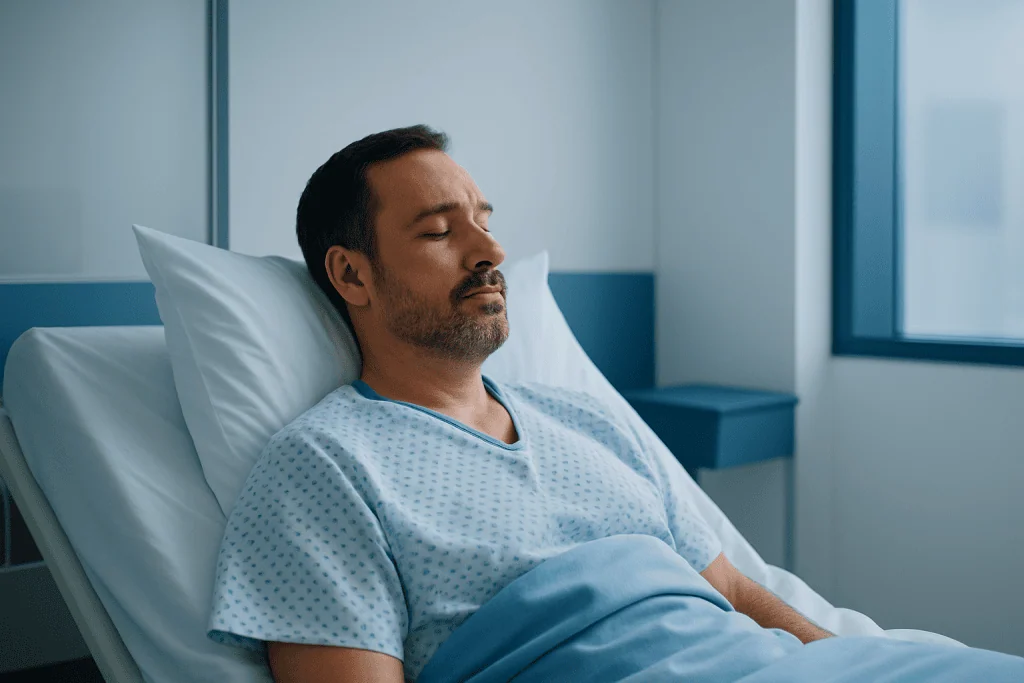
Recovery after breast cancer care is the period of healing and adjustment after surgery, chemotherapy, radiotherapy, or targeted treatments, and it often includes pain control, wound care, rehabilitation, and follow-up monitoring. At Acibadem in Turkey, recovery is supported through coordinated care that may involve breast surgeons, medical and radiation oncologists, physiotherapists, nurses, and psychosocial support tailored to the patient’s treatment…
Getting a diagnosis can feel like standing at the edge of an unknown world. It is a moment that demands both courage and clarity as you start your healing journey. The path ahead may seem tough, but knowing your options is the first step to taking back control.
Effective breast cancer treatment needs a team effort between doctors and patients. By using proven methods, you can move from the tough part of treatment to a future filled with wellness and stability.
We think caring guidance is key during this time. Our aim is to give you the knowledge to make confident health choices. With the right support, you can face your recovery with hope and a clear plan for the future.
Key Takeaways
- Prioritize open communication with your multidisciplinary medical team.
- Understand that recovery is a personal journey that evolves over time.
- Focus on long-term wellness strategies beyond the initial clinical phase.
- Utilize professional support systems to manage emotional and physical changes.
- Stay informed about your specific health plan to ensure the best possible outcomes.
The Philosophy of Patient-Centered Oncology
True healing looks beyond the tumor to the person. Modern medicine is shifting from a disease-focused model to patient-centered oncology. This new approach values each patient’s unique values, fears, and goals.
Defining Holistic Recovery
Holistic recovery treats the whole person, not just symptoms. It combines medical care with lifestyle changes for better quality of life. This way, patients get better and return to daily life smoothly.
This approach makes sure all parts of the patient’s well-being are cared for. Here’s how it differs from old ways:
| Feature | Traditional Care | Patient-Centered Care |
|---|---|---|
| Primary Focus | Tumor eradication | Whole-person wellness |
| Decision Making | Physician-led | Collaborative partnership |
| Support Scope | Physical symptoms | Physical, mental, and social |
| Goal Setting | Clinical milestones | Personal quality of life |
The Role of Emotional and Psychological Support
Emotional resilience is key in cancer recovery support. A diagnosis can cause stress, anxiety, and uncertainty. These feelings can slow down physical healing if not handled.
Adding mental health professionals to the care team helps. It lets patients deal with their emotional journey confidently. This proactive cancer recovery support helps patients stay strong and clear during recovery.
Understanding the Multidisciplinary Cancer Care Approach
Effective cancer treatment often involves a team, not just one person. Multidisciplinary cancer care helps medical centers tackle complex patient needs. This includes metastatic breast cancer and more. Experts from different fields work together to consider all aspects of a patient’s health.
How Specialists Collaborate for Your Health
In today’s oncology, surgeons, medical oncologists, and radiologists team up. They create a treatment plan together. Each specialist brings a unique perspective to the table, making sure no detail is missed.
When they meet, they discuss diagnostic data and imaging. They make a plan that fits your needs. This teamwork helps them adjust the plan as needed.
The Importance of Unified Communication in Treatment
Good communication is key in medical care. It helps information flow smoothly between departments. This reduces errors and makes your care experience better.
When your care team is in touch, you don’t have to repeat your medical history. You can focus on getting better. Clear, consistent communication builds trust and confidence in your care journey.
The Critical Role of Tumor Board Evaluation
At the heart of modern oncology is the tumor board evaluation. This team effort ensures every patient’s diagnosis is thoroughly reviewed. A diverse group of specialists work together, bringing different views to the table.
Why Collective Expertise Matters
One doctor has valuable experience, but a team has even more. In a tumor board evaluation, experts like surgeons and pathologists come together. They look at the details that might be missed by one person.
These specialists discuss the latest research and what’s best for the patient. This teamwork leads to safer, more effective treatments. It makes sure the treatment fits the patient’s unique needs.
Translating Board Decisions into Personalized Care Plans
After the board agrees, they create a clear plan. This plan is key for the patient’s confidence. We think clear plans help in the healing process.
Your care plan is like a roadmap. It outlines the treatment steps and goals. This team effort makes sure the plan is precise and respects your health goals. It helps reduce uncertainty and keeps the focus on recovery.
Advanced Diagnostic Imaging and Biopsy Evaluation
The journey toward healing starts with a clear picture of the disease. Modern oncology uses advanced technology to spot problems early. Advanced diagnostic imaging helps doctors see the full extent of a condition before treatment starts.
Precision in Early Detection and Staging
High-resolution imaging tools show breast tissue in great detail. They help doctors find the exact size and location of tumors. This is essential for accurate staging, which guides treatment plans.
Early detection opens up more treatment options for patients. When imaging shows the full extent of the disease, doctors can plan a better recovery path. This approach makes sure no detail is missed during the first assessment.
Interpreting Biopsy Results for Targeted Therapy
After finding an area of concern, a biopsy evaluation gives vital biological data. This involves analyzing tissue samples to understand the cells’ molecular profile. Such insights are key for finding specific markers that respond to modern treatments.
Oncologists use these results to pick the best targeted therapies for each patient. This approach is more effective than a one-size-fits-all method. A detailed biopsy evaluation helps the care team provide treatments that are both precise and personalized.
Navigating Your Breast Cancer Treatment Journey
Understanding your health plan can make things easier. Knowing what to expect at each stage helps. It turns uncertainty into clear steps. This way, you can focus on healing and recovery.
Phases of Active Treatment
Your journey starts with surgery to remove the tumor. Then, you move to systemic therapies like chemotherapy. These treatments aim to get rid of any remaining cancer cells.
After active treatment, you enter a maintenance phase. This phase keeps your health stable and prevents cancer from coming back. Each part of your breast cancer treatment is planned to work best for you.
Managing Expectations During Therapy
During therapy, you might feel many changes. It’s okay to feel this way. Talking to your doctor about any side effects or worries is important.
Knowing you’re not alone is empowering. Setting realistic goals for each week helps you stay in control. Here’s a table to show you what to expect:
| Phase | Primary Goal | Typical Duration |
|---|---|---|
| Initial Intervention | Tumor removal or reduction | Varies by surgery type |
| Systemic Therapy | Targeting residual cells | 3 to 6 months |
| Maintenance/Follow-up | Monitoring and recovery | Ongoing |
Being informed about your breast cancer treatment boosts your confidence. Your care team will adjust your plan as needed. Trusting in this teamwork is key to your success.
The Science of Precision Medicine in Breast Cancer
The world of cancer treatment is changing fast with precision medicine. This new method focuses on the unique traits of each tumor. It uses genetic markers to create treatments that work better than old ways.
Tailoring Treatments to Genetic Profiles
Every breast cancer is different, even if it looks the same. Doctors use advanced tests to find the genes that make a tumor grow. This lets them create a treatment plan that really targets the cancer.
Knowing a cancer’s genes helps doctors pick the best treatments. This approach is kinder to healthy cells. It’s a big change that makes treatments more effective and better for patients in the long run.
Advancements in Targeted Drug Therapies
New drugs can find and attack specific proteins or genes in cancer cells. These drugs are like precision tools. They stop cancer cells from growing by blocking their signals.
These drugs have fewer side effects because they don’t harm healthy cells. Doctors are working hard to make precision medicine a standard part of cancer care. Here’s a table showing how these new treatments differ from old ones.
| Feature | Traditional Chemotherapy | Targeted Therapy |
|---|---|---|
| Mechanism | Kills all rapidly dividing cells | Targets specific genetic mutations |
| Specificity | Broad, systemic impact | Highly selective for cancer cells |
| Side Effects | Often severe and widespread | Generally more localized and manageable |
| Primary Goal | General tumor reduction | Precision molecular disruption |
Modern Approaches to Radiation Planning
To get the best results, we must carefully balance killing cancer cells and keeping healthy tissue safe. Today, radiation planning is all about making it personal for the patient. Advanced imaging lets doctors see tumors clearly.
Minimizing Impact on Healthy Tissue
The main goal is to hit the tumor hard but avoid healthy areas. Special software makes detailed maps to spot organs at risk. This precision shapes the radiation beam to fit the tumor, protecting skin, lungs, and heart.
Doctors plan each beam’s path to cut down side effects. This careful planning helps patients feel more at ease. It’s a move towards treatments that are both effective and gentle.
Technological Innovations in Radiation Delivery
New tech has changed how we treat patients, making it more precise than before. Modern machines adjust for movement in real-time. This ensures the dose stays where it’s needed.
Digital tools have also made things faster, allowing for quick changes based on the patient’s body. As we keep improving, our goal is to improve life quality. We’re using advanced methods to offer care that’s both high-tech and caring.
Surgical Recovery and Post-Operative Care
Healing after breast cancer surgery is a key part of your health journey. The surgery is a big step, but the recovery time is just as important. We aim to support you as you regain strength and confidence slowly.
Managing Physical Healing After Surgery
Right after surgery, we focus on keeping the wound safe and making you comfortable. Your doctors will tell you how to care for the wound to avoid infection and help it heal. Keeping the area clean and watching for any changes is important.
Managing pain is also a big part of recovery. It’s perfectly normal to feel some pain. Our team will help you find the right mix of medicine and rest. This way, you can move gently and comfortably as you start to heal.
Rehabilitation Strategies for Long-Term Mobility
Getting your range of motion back takes time and starts soon after surgery. We have a plan for rehabilitation to keep your shoulder and chest flexible. These exercises are made just for you, so you can move safely and avoid straining yourself.
Being consistent is key to keeping your mobility long-term. We see these exercises as a daily investment in your health. By doing physical therapy regularly, you can build your strength and get back to your daily life with confidence.
The following table outlines the typical focus areas during your recovery timeline:
| Recovery Phase | Primary Focus | Goal |
|---|---|---|
| Early Post-Op | Wound care and rest | Prevent complications |
| Intermediate | Gentle range of motion | Restore flexibility |
| Long-Term | Strength training | Full functional recovery |
Nutritional Support During and After Treatment
Fueling your body well is a key step in your healing journey. Good nutrition gives your body the energy it needs for repair and to fight off infections. By choosing high-quality foods, you help your body handle treatment better.
Building Strength Through Diet
Eating foods rich in nutrients is vital for keeping muscles strong and energy up. Include lean proteins, complex carbs, and healthy fats in your meals. This ensures your body gets what it needs to heal. Consistency is key when your energy levels change.
Drinking enough water is also key for recovery. It helps your kidneys work better and aids digestion. Here are some important foods to add to your daily meals:
- Prioritize high-protein sources like poultry, fish, beans, and Greek yogurt to support tissue repair.
- Choose whole grains and colorful vegetables to provide the vitamins and minerals necessary for immune health.
- Eat smaller, more frequent meals if you find that your appetite is lower than usual.
Managing Treatment-Related Side Effects
Many patients face changes in taste, appetite, or digestion during treatment. These issues are common but can be managed with the right diet. Working with a clinical nutritionist can help you adjust your diet to fit your symptoms.
If you’re feeling nauseous or tired, small changes can help a lot. Here’s a table with tips to help you deal with these issues.
| Side Effect | Nutritional Strategy | Recommended Action |
|---|---|---|
| Nausea | Eat cold or room-temperature foods | Avoid strong odors and greasy items |
| Fatigue | Focus on high-calorie, nutrient-dense snacks | Eat small meals every 2-3 hours |
| Taste Changes | Use plastic utensils and tart flavors | Marinate proteins in citrus or herbs |
| Dry Mouth | Increase fluid intake and soft foods | Use gravies or sauces to moisten meals |
Your nutritional needs may change as you go through different treatment phases. Listen to your body and talk to your medical team about any ongoing issues. Your comfort and strength remain our primary focus throughout this process.
Physical Therapy and Lymphedema Management
Recovering from breast surgery is more than just healing wounds. It’s also about taking care of your lymphatic system. Proactive management helps keep you comfortable and mobile for a long time. Working with specialized therapists can lower the risk of long-term problems.
Preventative Exercises for Post-Surgical Care
Mild exercises are key for lymphatic drainage and avoiding stiffness. These exercises should be done regularly to help your body adjust after surgery. Always check with your doctor before starting any new exercise routine to make sure it’s right for you.
Simple actions like shoulder rolls, arm lifts, and deep breathing can help a lot. These movements keep tissues flexible and improve blood flow. Adding these to your daily routine is a great way to stay physically healthy.
Recognizing and Treating Early Symptoms
Lymphedema often starts with small changes that need quick attention. Paying attention to how your body feels is the best way to catch it early. If you notice swelling or a feeling of heaviness in your arm or chest, contact your care team immediately.
Acting fast can stop lymphedema from becoming a long-term problem. We suggest watching your skin and any changes in how clothes or jewelry fit. The table below helps identify concerns and what to do next.
| Symptom | Potential Meaning | Recommended Action |
|---|---|---|
| Mild arm swelling | Fluid accumulation | Contact your therapist |
| Skin tightness | Tissue tension | Adjust exercise intensity |
| Persistent redness | Possible infection | Seek medical evaluation |
| Reduced range of motion | Scar tissue formation | Consult physical therapy |
Integrating Complementary Therapies into Recovery
Complementary therapies can improve your well-being during recovery. They focus on the whole person, not just the disease. It’s important to choose them carefully for your safety and health.
Evidence-Based Supportive Care
Choose supportive care that has scientific backing. Talk to your oncology team before starting. This ensures your recovery is safe and effective.
These methods often manage side effects and improve comfort. By picking therapies studied in oncology, you support your medical progress. Your health team is your best resource for what’s right for you.
Mind-Body Techniques for Stress Reduction
Mind-body techniques offer emotional relief during treatment. They lower stress and bring calm. Adding these to your routine can improve your emotional state.
Here are some gentle practices to consider:
- Mindfulness Meditation: A simple way to stay grounded and reduce anxiety through focused breathing.
- Gentle Yoga: Helps maintain flexibility and strength while respecting your body’s current limits.
- Guided Imagery: Uses visualization to promote relaxation and positive mental states.
- Deep Breathing Exercises: A portable tool that can be used anywhere to manage sudden stress or tension.
These techniques are not a replacement for medical treatment. They are valuable companions to your care plan. By focusing on your emotional well-being, you can face recovery with more resilience and peace.
Monitoring Long-Term Health and Survivorship
Life after cancer treatment is a big step. It’s a time to celebrate but also to start focusing on long-term health. Proactive health management is key to keeping your life quality high.
Establishing a Follow-Up Care Schedule
Having a follow-up plan is important for every patient. It helps your medical team keep track of your health. Regular visits ensure you stay in touch with your oncology team.
Your care team will create a plan just for you. It might include regular check-ups, blood tests, and scans. Sticking to this plan helps you feel secure and informed about your health.
Screening for Recurrence and Secondary Health Issues
Regular checks are key to catching any cancer return early. Early detection is a big help in treating new problems. Your team will also watch for side effects from treatments.
By being careful, you and your doctors can handle side effects. This helps keep your health in top shape. Below is a table showing what often goes into a survivorship plan.
| Monitoring Category | Primary Objective | Typical Frequency |
|---|---|---|
| Clinical Examination | Physical assessment and symptom review | Every 3 to 6 months |
| Diagnostic Imaging | Screening for localized changes | Annually or as directed |
| Laboratory Tests | Monitoring systemic health markers | Based on treatment profile |
| Lifestyle Consultation | Nutrition and exercise guidance | Ongoing as needed |
Being proactive helps you control your future. Your health is a continuous journey. With a dedicated team, you’re never alone. Regular checks give you the confidence to live fully.
The Importance of Specialized Care Facilities
When you get a breast cancer diagnosis, the care environment matters a lot. Choosing a place that specializes in oncology means you get care from experts who know your specific needs. Specialized centers do more than treat your illness. They create a supportive environment for your body and mind.
Why Acıbadem Hospitals Group Stands Out
Acıbadem Hospitals Group is a top name in medicine. We have 44 hospitals and clinics in 5 countries. This lets us offer top-notch care to patients everywhere.
We use the latest technology and focus on each patient’s needs. Our network shares knowledge to improve care. This teamwork is key to our success in cancer treatment.
Accessing Global Standards of Oncology Care
Getting treatment far from home can be tough. But our global reach makes it easier. We help patients get from diagnosis to recovery smoothly.
Here’s why choosing a specialized oncology network is a good idea:
| Feature | Standard Care | Specialized Oncology Network |
|---|---|---|
| Treatment Coordination | Fragmented | Seamless and Integrated |
| Medical Expertise | Generalist Focus | Multidisciplinary Specialists |
| Technology Access | Basic Equipment | Advanced Diagnostic Tools |
| Patient Support | Limited | Comprehensive Holistic Care |
We think it’s important to give patients the info and access they need. Choosing a specialized provider means you’re in good hands. Your recovery is our main focus, and we’re here to help every step of the way.
Embracing a New Chapter After Treatment
Leaving active medical care behind is a big step in your life. It takes time to blend the lessons from treatment into your everyday life. Remember, taking care of your emotional health is just as important as your physical health.
Finding good cancer recovery support is key to moving forward. It helps you stay strong by knowing your health and talking openly with doctors. Learning about cancer recovery support helps you reach your long-term health goals.
Acıbadem Hospitals Group is here for your health and well-being even after treatment. We want you to look ahead with hope and determination. Your strength in this new chapter is what matters most, and we’re here to help you live a balanced, healthy life.
FAQ
Q: What does patient-centered oncology mean for my recovery process?
A: Patient-centered oncology focuses on treating the whole person, not just the disease. It combines physical healing with emotional and psychological support. This ensures your quality of life and personal preferences are key in your recovery plan.
Q: How does a multidisciplinary cancer care approach benefit me?
A: Multidisciplinary cancer care brings together surgeons, medical oncologists, and radiologists. This team works together to create a unified treatment plan. It ensures everyone involved is on the same page, improving your chances of success.
Q: What occurs during a tumor board evaluation?
A: A tumor board evaluation brings together experts to review complex cases. They use their collective knowledge to create a personalized care plan based on your specific needs.
Q: How do advanced diagnostic imaging and biopsy evaluation help in selecting therapy?
A: Advanced imaging gives a detailed view of your disease. Biopsy evaluation provides molecular data for targeted therapies. This helps find the most effective treatment for your tumor.
Q: What makes precision medicine different from traditional breast cancer treatments?
A: Precision medicine tailors treatments to your tumor’s genetic profile. It uses targeted drug therapies for better results with fewer side effects. This approach focuses on the cancer cells alone.
Q: How does modern radiation planning protect healthy tissue?
A: Modern radiation planning uses advanced technology for precise delivery. This ensures the maximum dose goes to the tumor while sparing healthy tissue and organs.
Q: What should I expect regarding surgical recovery and post-operative care?
A: Surgical recovery focuses on physical healing and rehabilitation. Our protocols help restore mobility and strength. You’ll receive professional guidance to smoothly transition back to daily activities.
Q: How can physical therapy assist in lymphedema management?
A: Physical therapy is key in preventing and managing lymphedema after surgery. It includes exercises to keep your lymphatic system healthy. This helps improve your comfort during recovery.
Q: What does long-term monitoring look like after treatment ends?
A: Long-term monitoring includes regular screenings and follow-ups. This proactive approach helps catch any issues early. It gives you the confidence to move forward in your new chapter.
Q: Why is Acıbadem Hospitals Group considered a leader in specialized oncology?
A: Acıbadem Hospitals Group is a leader due to its extensive network of 44 hospitals across 5 countries. It offers international patients access to top medical standards and a compassionate care environment.