

Why Patients Compare Global Hospitals for Bone Marrow Transplant at Leading Medical Centers
Quick answer
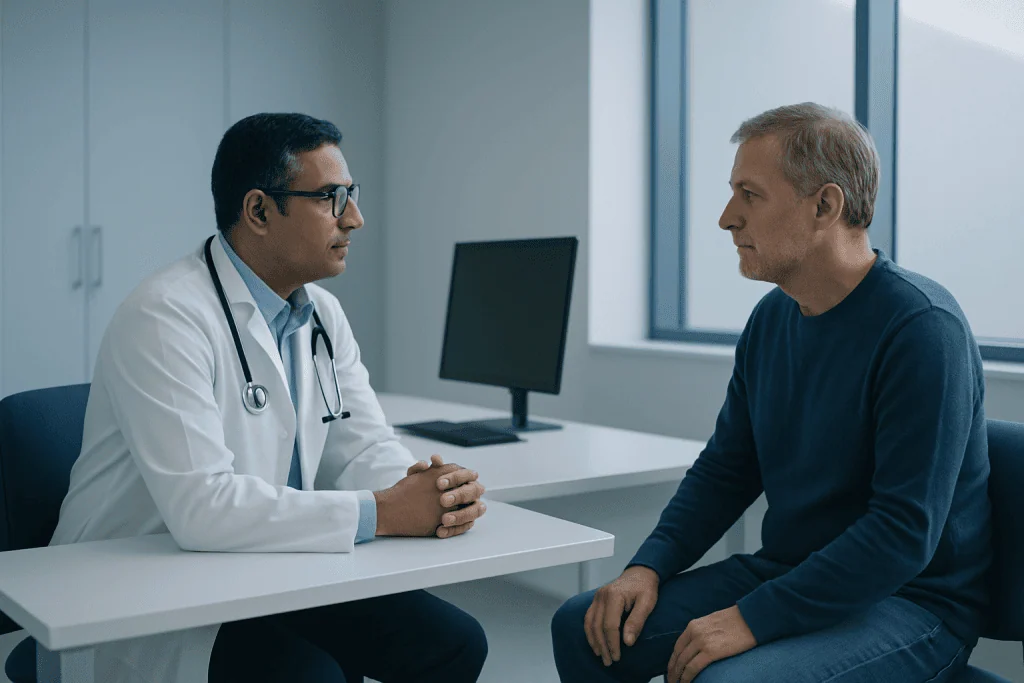
Patients compare global hospitals for bone marrow transplant to find experienced multidisciplinary teams, appropriate donor matching options, advanced infection control, and coordinated follow-up for complex blood cancers and bone marrow disorders. At Acibadem in Turkey, bone marrow transplant care includes evaluation, transplant planning, donor selection, conditioning treatment, stem cell infusion, and close monitoring before, during, and after recovery.
When you face a serious medical issue, it feels like you’re at a crossroads. Every choice you make is very important. Choosing the right medical partner is the most critical step toward recovery.
Today, patients look beyond their local hospitals for better care. They want places that offer top-notch results and caring support. Whether it’s a special procedure or a complex liver transplant, they seek global standards of care. Acıbadem Hospitals Group has a wide network of 44 hospitals and clinics across 5 countries.
We combine the latest technology with a focus on people. This way, every patient gets the care they need. We think top healthcare should be easy to get, clear, and supportive all the way through your healing.
Key Takeaways
- Global medical centers offer advanced clinical expertise for complex procedures.
- Acıbadem Hospitals Group provides care through 44 locations across 5 countries.
- Patient-centered coordination is essential for successful long-term recovery.
- Comparing international facilities helps patients find the best match for their specific needs.
- High-stakes medical decisions require a balance of evidence-based care and emotional support.
The Growing Trend of Global Medical Tourism for Complex Procedures
Global medical tourism is changing how people get life-changing treatments. Now, many look abroad for top-notch care for serious health issues. They want better results and a more personal experience.
Traveling for medical care is often due to long waits or limited tech at home. For instance, going to a top liver transplant hospital in Turkey can lead to better recovery chances. This proactive step empowers families to manage their health better.
Choosing to get treatment abroad needs careful planning and research. Knowing the quality of care and the reputation of international hospitals is key. When patients are well-informed, they can face the challenges of medical tourism with confidence.
The table below shows why patients might choose international care over local options.
| Decision Factor | Domestic Care | International Care |
|---|---|---|
| Waiting Times | Often extended | Typically minimal |
| Technological Access | Variable | Advanced/Specialized |
| Medical Tourism Value | Standardized | High-touch/Personalized |
| Specialist Availability | Limited by region | Global access |
The growth of medical tourism shows a world where quality healthcare has no limits. Patients are no longer held back by where they live when their health matters. By choosing medical tourism, many find the expert help they need to improve their lives.
Understanding the Clinical Necessity of a Liver Transplant
When the liver fails to work, doctors may suggest a transplant. This is a last resort for those with severe liver disease. A liver transplant is more than surgery; it’s a way to save lives when other treatments fail.
Indications for Surgery and Patient Eligibility
To qualify for a transplant, patients go through a detailed check-up. Doctors look at how damaged the liver is, any complications, and the patient’s health. Medical prerequisites are strict to make sure the patient can handle the surgery and recovery.
Patients must be healthy enough for major surgery. This means checking their heart, nutrition, and mental state. Below is a table showing what doctors look for to decide if a transplant is needed.
| Clinical Indicator | Early Stage | Advanced Stage | Transplant Necessity |
|---|---|---|---|
| Liver Function | Stable | Declining | Critical |
| Complications | Minimal | Frequent | Severe/Life-threatening |
| Treatment Focus | Lifestyle Changes | Medication | Surgical Evaluation |
The Role of Advanced Surgery in Improving Survival Rates
Hepatology has made big strides in recent years. Thanks to advanced surgery, more people are surviving transplants. These new methods help place organs better and speed up recovery.
With better surgery, doctors can now tackle high-risk cases. This means better health outcomes for patients. It’s important for patients to talk to their doctors about these advances to understand their chances.
Evaluating Global Standards in Bone Marrow and Organ Transplantation
When your health is at risk, the accreditation of a transplant center is key. It’s not just about where it is or how much it costs. You need to know if it meets the highest clinical standards for excellence. By looking at real data, you can choose with more confidence and peace of mind.
Accreditation and Quality Metrics for International Centers
Top hospitals follow strict rules and safety standards. Getting a stamp of approval from the Joint Commission International (JCI) means they meet high patient safety and care standards. These standards give a clear picture of how well a hospital handles critical surgeries.
Great centers also use advanced surgery methods to reduce risks and speed up recovery. They track important performance signs to stay ahead in medical science. Look for places that focus on these quality areas:
- Regular checks on infection control and clean environments.
- Open sharing of patient survival and graft success rates.
- Teams of experts reviewing each complex case.
- Investing in the latest surgical technology.
Comparing Surgical Outcomes Across Leading Medical Hubs
Looking at how different medical centers perform helps you make a smart choice. Even though every case is different, data gives a general idea of what to expect with advanced surgery. It’s good to check these numbers to see if your chosen center is up to par.
| Metric | Standard Facility | Leading Global Center |
|---|---|---|
| Accreditation | Local Only | JCI & International |
| Surgical Tech | Standard | Advanced Robotics |
| Data Transparency | Limited | Publicly Reported |
| Care Model | Departmental | Multidisciplinary |
The main goal is to find a center that fits your health needs and has a strong track record. By looking at these global standards, you’re taking charge of your care. This way, you get the best care available for transplant procedures.
The Critical Importance of Donor Matching and Procurement
A successful transplant starts long before surgery, with the key step of donor matching. This step helps the recipient’s immune system accept the new organ or tissue. Precision is key, as matching ensures the patient’s long-term health.
Medical teams use advanced tests to lower rejection risks. They check human leukocyte antigens (HLA) and blood types to find the best match. This careful process sets the stage for a smooth recovery.
Advancements in Living Donor Surgery
New technologies have changed transplantation, thanks to living donor surgery. Healthy donors can give a part of an organ, like a liver or kidney, to someone in need. Modern surgery makes these donations safer for donors.
Today, surgeons use less invasive methods like laparoscopy or robotic surgery. These methods have many benefits for donors:
- Less pain and discomfort after surgery.
- Shorter hospital stays and quicker recovery.
- Smaller scars for better looks.
- Lower chance of complications during healing.
These advances help more patients get organs, reducing wait times. The goal is to protect the donor’s health while helping the recipient.
Navigating International Donor Registries
For those without a living donor, international registries are a lifeline. Understanding the logistics and ethics of these global networks is key. Working together, countries can find more matches for patients.
Patients need to work with their doctors to meet registry criteria. The process must be fair and transparent. Compassionate care is vital, respecting the bond between donor and recipient.
Managing Complex Immunosuppression Protocols
Getting a new organ or bone marrow transplant is a big deal. It means you have to follow special medical plans for life. After a transplant, your body sees the new tissue as a threat. So, doctors use immunosuppression to stop your immune system from attacking it.
Doctors at top hospitals work closely with patients to find the right balance. They aim to keep you safe while also making sure you stay healthy. This careful process needs constant attention and a deep understanding of how medicines work with your body.
Long-term Medication Management Strategies
Getting better depends on sticking to a specific medicine plan. Doctors use proven methods to figure out the right amount of immunosuppression for you.
These plans change as you get better. Doctors check your blood and do regular check-ups to adjust your treatment. This helps you get the most benefits with the least side effects.
Minimizing Risks of Graft Rejection
The main goal after a transplant is to keep the graft safe. Keeping immunosuppression levels steady helps lower the risk of graft rejection.
Learning is key in this process. Patients need to know the signs that mean they need to see a doctor right away. When patients are involved in their care, they help protect their health for the long term.
Addressing Kidney Failure and Nephrology Care in Transplant Patients
For those going through transplantation, keeping the kidneys healthy is key. Even when focusing on another organ, surgery can stress the kidneys. It’s important to tackle kidney failure early to keep the body strong during recovery.
Integrated Care Models for Multi-Organ Health
We see healing as a whole-body effort. Our care models combine experts from different fields to watch how organs work together after surgery. This way, we make sure every part of your health gets the care it needs.
Seeing a nephrologist who knows transplant medicine is helpful. They work with your team to adjust your care plan. This teamwork is key to keeping all your organs stable.
Preventing Secondary Complications Post-Surgery
Keeping healthy long-term after surgery means watching for problems early. We use advanced tests and lab work to catch kidney failure signs early. This careful approach helps us spot risks before they become big health issues.
Teaching patients is also important. We help you know when something’s off and follow your treatment plan. With our support, you can avoid complications and keep living well for years.
The Role of Transplant Specialists in Multidisciplinary Teams
Success in transplant surgery needs more than just surgery skills. It requires a team of experts working together. These transplant specialists are key to our success, making sure every patient gets the best care.
Collaborative Approaches to Patient Care
Our team includes experts from many fields like immunology and cardiology. They work together to prevent problems before they start. This teamwork helps create a treatment plan that fits each patient’s needs.
Our integrated model means surgeons, nurses, and pharmacists talk every day. This teamwork is key to helping patients recover and stay healthy in the long run.
The Importance of Specialized Surgical Expertise
While teamwork is important, the skill of the surgical team is critical. Our transplant specialists have the training to handle complex surgeries. They make decisions based on evidence, even in tough situations.
Choosing a center with skilled surgeons means you’re choosing safety. We believe having confidence in your medical team is essential for healing. We combine technical skill with a caring approach to give patients the best care.
| Specialist Role | Primary Responsibility | Contribution to Care |
|---|---|---|
| Transplant Surgeon | Surgical execution | Ensures technical success |
| Transplant Coordinator | Logistics and planning | Streamlines the patient journey |
| Immunologist | Medication management | Prevents organ rejection |
| Clinical Dietitian | Nutritional support | Promotes faster recovery |
Logistics and Coordinated Support for International Patients
Choosing to get care abroad starts long before you reach the hospital. We know international travel can be tough, adding to your health worries. Our aim is to make these steps easier, so you can focus on getting better.
Navigating Medical Visas and Travel Requirements
Getting the right documents is key to your medical trip. Most places need a special visa for treatment, which means a letter from the hospital. Our team helps with these papers to make your entry smooth.
We also take care of the small stuff for your trip. This includes:
- Helping with medical records and reports for customs.
- Setting up travel plans that fit your health needs.
- Supporting family or caregivers who come with you.
Language Services and Cultural Competency in Healthcare
Good communication is vital for safe and compassionate care. We know dealing with a new healthcare system can be scary, with language being a big hurdle. So, we offer translation services to make sure you understand your care plan.
Being culturally aware is more than just speaking the language. It’s about respecting your values and traditions. Our staff is trained to create a caring, understanding environment. We want to make your stay with us as comforting as possible, reducing stress from travel.
Financial Considerations and Insurance Coverage for Global Care
Understanding the costs of global medical care is key to your recovery. We believe in being open about costs, like for organ or bone marrow transplants. This way, you can focus on healing without worrying about money.
Planning ahead helps you make choices that fit your health and budget. Traveling for surgery might seem tough, but many international centers offer financial help. This makes managing costs easier.
Comparing Costs Between Domestic and International Facilities
When choosing a medical center, look at the total cost. This includes surgery fees, hospital stays, and after-care. International places, like those in the Acıbadem network, offer packages. These packages make billing simpler for patients from abroad.
The table below shows what affects the cost of a transplant. These costs change based on the surgery’s complexity and the patient’s needs.
| Service Category | Domestic Facility | International Facility |
|---|---|---|
| Surgical Procedure | High Variable Cost | Bundled Fixed Pricing |
| Hospitalization | Daily Rate Billing | Inclusive Package |
| Post-Op Follow-up | Separate Consultations | Integrated Care Plan |
Understanding Out-of-Pocket Expenses and Financing Options
Getting insurance for international procedures needs careful planning. Many domestic insurance plans have rules for care outside their network. It’s important to check your benefits before traveling.
If you’re paying out-of-pocket or need extra help, there are options. We suggest looking into these to manage your costs:
- Medical Financing Loans: Special loans for medical procedures are available.
- International Health Insurance: Some global policies cover treatments at international centers.
- Hospital Payment Plans: Many top hospitals offer payment plans to spread costs over time.
- Employer-Sponsored Benefits: Check if your job offers global health coverage or travel stipends for surgeries.
Clear communication with your hospital’s finance team is key to avoid surprises. Our team works to give you clear estimates. This way, you know what to expect financially from the start.
Post Transplant Care and Long-Term Monitoring
Recovery doesn’t stop when you leave the hospital. Effective post transplant care is key to your long-term health. We help you smoothly transition back home, ensuring your safety.
Establishing Continuity of Care Upon Returning Home
Keeping in touch with your local doctors is critical when you go home. We give them detailed medical summaries and recovery plans. This way, they know exactly what you need.
Sticking to your treatment plan is important to avoid problems. We suggest regular check-ups with local specialists. This network of support helps keep you on track with your health goals.
Telemedicine and Remote Patient Monitoring Solutions
Technology lets us check on you even when we’re far apart. Through secure telemedicine, we can adjust your treatment in real-time. This keeps you connected and comfortable at home.
Remote monitoring lets us track your health closely. We can spot small changes early, helping prevent big problems. This approach is all about keeping you safe and healthy.
| Monitoring Feature | Traditional Approach | Modern Remote Solution |
|---|---|---|
| Data Transmission | Manual paper records | Encrypted digital sync |
| Consultation Speed | Delayed by travel | Immediate virtual access |
| Care Coordination | Fragmented communication | Integrated multidisciplinary team |
| Patient Oversight | Periodic clinic visits | Continuous real-time monitoring |
We see your recovery as a team effort. By combining local care with our remote support, we ensure you get the best care always.
Assessing Realistic Outcomes and Success Rates
Getting a clear view of transplant outcomes is key to your recovery and health. Medical progress has boosted survival rates, but each person’s journey is different. Understanding the balance between clinical data and personal well-being helps you approach your treatment with a realistic mindset.
Interpreting Statistical Data from Global Hospitals
Looking at data from international hospitals, remember to see beyond just numbers. The stats reflect a wide range of patients, with different health levels and disease severity. Focus on data that matches your specific health situation for a clearer view of what to expect.
Top hospitals share their success rates and long-term survival data openly. Yet, these figures should be seen as a sign of the hospital’s skill, not a promise for your case. Talk to your surgical team to understand how factors like donor match and care after surgery affect these numbers.
Managing Patient Expectations and Quality of Life
A successful transplant means more than just the organ’s survival. It’s about getting back to your daily life and improving your overall well-being. Setting small goals to enjoy activities you love is a good way to measure success.
Managing your expectations means knowing recovery takes time and adjustment. You might face physical and emotional changes as your body gets used to the new organ or treatment. Keeping in touch with your care team ensures your personal goals stay at the forefront of your recovery plan.
In the end, the most meaningful outcomes are those that allow you to reclaim your independence and long-term health. By blending medical evidence with a realistic view, you can face your transplant journey with confidence and clarity.
Safety Protocols and Infection Control in Leading Centers
Infection control is like an invisible shield for our transplant patients. It’s as important as the skill of the surgeons. We make sure every patient gets care in the best possible setting for recovery.
Standards for Sterile Environments
Top medical centers use advanced tech to keep environments clean. Operating rooms have HEPA filters that clean the air. These filters remove tiny particles that could be harmful during surgery.
We also have strict rules for cleaning surfaces. Every tool is sterilized in several steps before surgery. Doctors and nurses wear special clothes to avoid bringing in germs.
Managing High-Risk Patients in Global Settings
Dealing with high-risk patients needs careful planning. Transplant patients are more likely to get sick because their immune systems are weak. We use special rules to keep them safe during their recovery.
We watch their health closely with new tech. This lets our team act fast if something goes wrong. Our care is based on global knowledge and focused on each patient’s needs.
| Safety Measure | Implementation Method | Primary Benefit |
|---|---|---|
| HEPA Filtration | Continuous air circulation | Reduces airborne pathogens |
| Sterilization Cycles | Autoclave and chemical treatment | Ensures equipment purity |
| Isolation Protocols | Restricted access zones | Protects immunocompromised patients |
| Real-time Monitoring | Digital sensor integration | Enables rapid clinical response |
We stick to these standards to give peace of mind to families from around the world. Safety is more than a rule; it’s a promise to our patients. We always look for ways to improve and keep our care at the highest level.
Ethical Considerations in International Transplantation
Patients looking for life-saving surgery abroad should know that ethics guide every decision. The world of healthcare is complex. We at Acıbadem Hospitals Group promise to uphold integrity and respect for every person’s dignity.
We focus on being open and accountable. Trust is key in the doctor-patient relationship, even more so in organ transplants. Our strict oversight ensures we respect human life in all we do.
Transparency in Waiting Lists and Allocation
Fairness in organ distribution is essential in transplant medicine. We use clear, fair criteria for waiting lists. This way, patients get help based on need and match, not just luck.
We follow important ethical rules:
- Objective Prioritization: We use set rules to decide who gets a transplant first.
- Data Integrity: We keep patient info accurate and private.
- Institutional Accountability: We check our transplant decisions to avoid unfairness.
- Clear Communication: We tell patients clearly about their chances and why.
Protecting the Rights of Living Donors
Being a living donor is a big, selfless choice. We promise to protect and support them fully. We make sure donors know the risks and benefits fully.
We always get consent from donors, making sure they’re not forced. We also watch over them long-term to keep them safe. This way, we keep our medical ethics high in every transplant.
Empowering Patients Through Informed Global Healthcare Choices
Dealing with health issues is more than just looking at numbers. It’s about building trust, being open, and knowing what you want for your health. By looking at global standards and surgical skills, you start to improve your life.
Acıbadem Hospitals Group is here to help you on your way to getting better. We focus on both medical skill and understanding your feelings. We think informed patients make the best choices for their health. Our 44 hospitals and clinics offer the support you need at every step.
Let these insights help you make clear and confident health choices. Your health journey deserves top-notch care and kindness. We’re here to help you get the best results, wherever you are.
FAQ
Q: Why should I consider traveling to an international medical center for complex procedures like a liver or bone marrow transplant?
A: Many patients choose medical tourism for specialized care and advanced technology. At Acıbadem Hospitals Group, we offer 44 hospitals across 5 countries. This means shorter waits and top-notch care.
Going abroad often means meeting transplant experts who do these surgeries often. They do them with great skill and precision.
Q: How is the donor matching process handled for patients from abroad?
A: Finding the right donor is key for a successful transplant. We use advanced methods to match donors from around the world. This includes living donors, which can lead to better outcomes.
Our team guides both the recipient and the donor. We focus on the ethics and medical aspects of organ donation.
Q: What measures are taken to prevent organ rejection after the surgery?
A: Preventing rejection is critical. We create personalized plans for managing medications. This is tailored to each patient’s needs.
We balance the medication to avoid side effects. This approach helps keep the organ working for life.
Q: How does the hospital manage patients who are also dealing with kidney failure?
A: Patients with kidney failure need a team approach. We offer integrated care for their kidneys and other conditions. Our teams work together to monitor and prevent complications.
This ensures the patient’s whole system is supported during recovery.
Q: What kind of support can international patients expect regarding travel and logistics?
A: We make traveling for treatment easy. We help with visas and travel needs. Once you’re here, our staff speaks many languages and understands different cultures.
Our goal is to take care of the details. This lets you focus on getting better.
Q: How is post transplant care managed once I return to my home country?
A: We make sure you get the care you need after you go home. We use telemedicine and remote monitoring. This lets us keep track of your health from afar.
We work with your local doctors to ensure you get the care you need. This helps you stay healthy and on track.
Q: Are the success rates and outcomes for these procedures realistic?
A: We’re open and honest about results. We help you understand the success rates from our centers. Every case is different, but we focus on quality of life.
We use the latest techniques and strict infection control. This helps us achieve the best possible results for you.
Q: What safety protocols are in place to protect high-risk patients during their stay?
A: Safety is our top priority. We follow strict international standards for cleanliness and infection control. For high-risk patients, we have special safety measures.
This includes advanced operating rooms and intensive care units. These are designed for transplant patients.
Q: How do the costs of international transplantation compare to domestic healthcare?
A: We’re clear about costs. We compare prices between local and international care. Many find our international care offers great value and life-saving benefits.
Q: What ethical standards govern the transplant process at your facilities?
A: We follow strict ethical guidelines. This includes fair organ allocation and protecting living donors. Our protocols ensure every transplant is done with respect and integrity.