Stroke Care in Turkey: What International Patients Should Know Before Traveling

A suspected stroke is a medical emergency and should be treated immediately in the nearest appropriate hospital. Travel is usually considered only after the patient is medically stable and a doctor confirms it is safe.
Key Takeaways
- A suspected stroke is a medical emergency and should be treated immediately in the nearest appropriate hospital.
- Travel is usually considered only after the patient is medically stable and a doctor confirms it is safe.
- Bringing imaging, discharge summaries, medication lists, and rehabilitation notes can help specialists plan care efficiently.
- Stroke care often involves a multidisciplinary team, including neurology, rehabilitation, speech therapy, and vascular specialists.
- Follow-up planning is essential because recovery often continues for weeks to months after hospital treatment.
Stroke care in Turkey may involve urgent hospital treatment, rehabilitation, and coordinated follow-up for international patients. Before traveling, patients and families should understand timing, medical records, transport needs, and how care will continue after they return home.
Overview
Stroke care in Turkey may be relevant to international patients in two main situations: a person needs further treatment or rehabilitation after a recent stroke, or a patient with a known stroke history is traveling for specialist evaluation and long-term care planning. Stroke is a condition in which part of the brain is injured because its blood supply is blocked or because bleeding occurs in or around the brain. The type of stroke, the timing, and the patient’s overall stability strongly influence what treatment is appropriate.
For most people, the first and most important step is immediate local emergency care at the time symptoms begin. Treatments that aim to restore blood flow or control bleeding are highly time-sensitive. Because of this, international travel is generally not the first step during an active stroke emergency. Travel is usually considered later, once the patient has been stabilized and a doctor has advised that transfer is safe.
After the emergency phase, patients may need detailed neurological assessment, imaging review, prevention planning, and rehabilitation. These needs can include movement therapy, speech and swallowing support, cognitive assessment, and evaluation of stroke risk factors such as high blood pressure, atrial fibrillation, diabetes, or carotid artery disease. In this setting, organized stroke care can help patients and families understand both immediate needs and longer-term recovery goals.
Who May Consider Traveling for Stroke Care
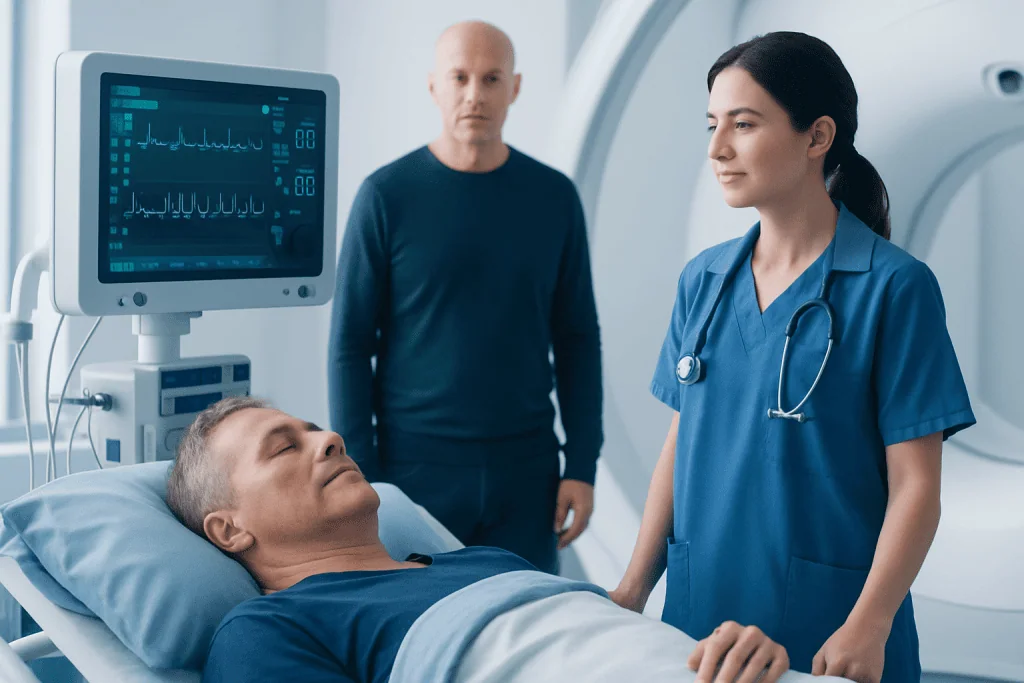
International patients may consider traveling for stroke care when they need specialist review after the acute hospital phase, a second opinion about the cause of stroke, advanced rehabilitation, or evaluation for procedures related to stroke prevention. Some patients travel because they continue to have weakness, speech difficulty, balance problems, swallowing issues, or other symptoms that affect independence and quality of life.
Travel may also be considered when there is a need to investigate why the stroke happened. In some cases, doctors may recommend further heart testing, vascular imaging, blood tests, or neurological review to look for possible causes and reduce the chance of another event. Depending on the findings, care may involve medicines, close monitoring, or procedures. When appropriate, related evaluations or treatments such as carotid artery surgery or vascular imaging with angiography may be discussed as part of prevention planning.
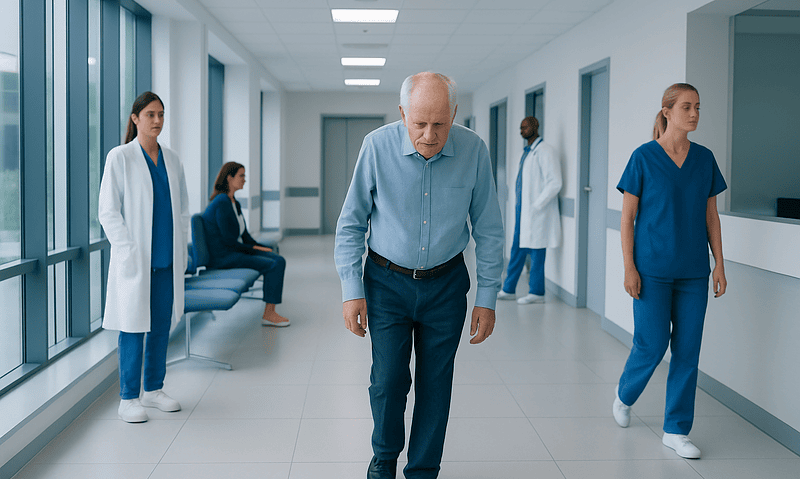
Not every patient is a good candidate for travel right away. People with unstable blood pressure, uncontrolled medical problems, recent major complications, severe swallowing difficulty, active infection, or a high risk of deterioration may need to postpone travel. A treating physician should assess whether air travel or long-distance ground travel is medically appropriate and what support may be needed during the journey.
What International Patients Should Prepare Before Traveling

Good preparation can make stroke care safer and more efficient. Patients and families should collect a clear medical file before traveling. This usually includes emergency department notes, hospital discharge summaries, brain imaging reports, image files if available, procedure notes, rehabilitation records, recent blood test results, and a complete medication list. Information about allergies, past medical history, previous strokes or transient ischemic attacks, and any heart conditions is also important.
It helps to prepare a short timeline of events: when symptoms started, what symptoms occurred, what treatment was given, whether intensive care was required, and what recovery has happened since then. If the patient has mobility, speech, or swallowing problems, these should be noted. Families should also mention whether the patient needs assistance with walking, toileting, eating, or communication.
Practical planning matters too. Patients should ask in advance about airport assistance, wheelchair needs, transfer arrangements, travel insurance details, and whether a medical escort is recommended. If a patient has feeding support, oxygen, a urinary catheter, or other special needs, these should be confirmed before the trip. Copies of documents should be kept both digitally and in print, especially because stroke care often depends on rapid review of previous records.
- Bring imaging discs or secure digital access if possible.
- Carry medications in original packaging and enough supply for the journey.
- Keep emergency contacts and the treating doctor’s details readily available.
- Confirm whether translation support is needed for records or consultations.
Assessment and Diagnosis After Arrival
When a patient arrives for stroke-related care, the medical team will usually begin by reviewing the history in detail and examining the patient’s neurological function. This may include assessment of strength, sensation, coordination, speech, swallowing, vision, memory, and daily functioning. Doctors will also review the original stroke type, since ischemic stroke and hemorrhagic stroke are managed differently.
Further testing depends on the patient’s symptoms and previous work-up. Brain imaging such as CT or MRI may be repeated or reviewed to understand the extent of injury and look for changes over time. Blood vessel imaging can be used to assess narrowing, blockage, or other abnormalities in the arteries that supply the brain. In selected cases, doctors may also investigate related conditions such as carotid artery disease or evaluate heart rhythm problems that can increase stroke risk.
Some patients need a broader prevention-focused assessment rather than emergency intervention. This may include blood pressure review, cholesterol testing, diabetes evaluation, heart rhythm monitoring, echocardiography, and discussion of lifestyle factors such as smoking, inactivity, sleep problems, or diet. If symptoms suggest a temporary event rather than a completed stroke, doctors may also evaluate for a transient ischemic attack because it can be a warning sign of future stroke.
Treatment Options and Rehabilitation
Treatment after stroke depends on the stroke type, the time since it occurred, the patient’s current condition, and the underlying cause. For ischemic stroke, ongoing treatment often focuses on preventing another event through medicines and risk-factor control. For hemorrhagic stroke, management may involve blood pressure control, monitoring, treatment of complications, and specialist input if a vascular abnormality is suspected. If a patient travels during the recovery phase, the main goal is often to optimize function and reduce future risk rather than to provide ultra-urgent therapy.
Rehabilitation is a central part of stroke care. Many patients benefit from structured programs that may include physical therapy for walking and strength, occupational therapy for daily tasks and arm function, speech and language therapy, swallowing assessment, cognitive rehabilitation, and emotional support. Recovery can continue gradually over months, and progress is often best when rehabilitation goals are realistic, individualized, and reviewed regularly.
Some patients may need additional specialist procedures depending on the cause of stroke or associated vascular problems. Where clinically appropriate, doctors may discuss options such as specialist stroke treatment, physical therapy and rehabilitation, or targeted vascular procedures after careful review of risks and benefits. Decisions are personalized, and not every patient will need interventional treatment.
Medication management is another key area. Patients should understand why medicines are prescribed, how to take them consistently, and what side effects or interactions to watch for. Because medication names and availability can vary by country, it is helpful to leave the hospital with an updated list using generic drug names and a clear follow-up plan for refills and monitoring.
Travel Safety, Recovery, and Self-Care
Travel after stroke should always be discussed with a treating doctor. The timing depends on many factors, including how recently the stroke happened, whether the patient is medically stable, the risk of complications, and whether assistance is available during the trip. Long journeys can be tiring, so it is important to plan rest periods, hydration, mobility support, and medication schedules carefully.
During recovery, self-care usually focuses on reducing the chance of another stroke and supporting rehabilitation. This often includes taking prescribed medicines, attending therapy, monitoring blood pressure, controlling blood sugar if diabetes is present, and avoiding smoking. Healthy eating, gradual physical activity guided by clinicians, and good sleep habits can also support recovery and overall vascular health.
Family members and caregivers play an important role. They can help monitor new symptoms, support exercises and communication strategies, and assist with appointments and medicines. It is also useful to ask about home safety, swallowing precautions, fall prevention, and any signs that should prompt urgent medical attention after discharge.
- Follow the rehabilitation plan consistently.
- Do not stop stroke-prevention medicines without medical advice.
- Ask whether compression, mobility exercises, or movement breaks are needed during travel.
- Arrange follow-up in the home country before returning if possible.
Questions to Ask Before Choosing Care Abroad
Before traveling, patients and families should ask practical and medical questions so they know what to expect. It is reasonable to ask which specialists will be involved, whether rehabilitation can begin promptly, what tests may be needed, how long the expected stay may be, and whether the hospital can review records before arrival. For patients with communication difficulties, it is helpful to ask about interpretation and caregiver involvement during consultations.
Continuity of care is especially important after stroke. Families should ask how discharge planning will work, what written summaries will be provided, and how follow-up recommendations can be shared with the patient’s doctors at home. They should also ask which warning signs require urgent review after discharge, and whether teleconsultation or remote record review may be possible for some parts of follow-up.
Near the end of planning, patients may wish to choose a center with coordinated neurological, rehabilitation, and vascular expertise. Acibadem International’s multidisciplinary specialists and JCI-accredited hospitals diagnose and treat stroke-related conditions for international patients, with care planning that may include hospital treatment, rehabilitation, and follow-up coordination. Even so, the best plan depends on the patient’s medical stability, stroke type, and a qualified doctor’s advice.
When to Seek Urgent Medical Help
Anyone with sudden signs of stroke should seek emergency medical care immediately rather than planning travel. Warning signs can include sudden weakness or numbness on one side, facial drooping, trouble speaking or understanding speech, sudden vision loss, severe imbalance, or a sudden severe headache. Time matters because some stroke treatments are only useful within a limited window, and early care can reduce complications.
Patients recovering from stroke should also get prompt medical advice if symptoms suddenly worsen or new neurological symptoms appear. Examples include new weakness, confusion, repeated vomiting, seizures, chest pain, shortness of breath, or inability to swallow safely. Caregivers should not assume these changes are a normal part of recovery.
If a patient is already abroad and develops possible stroke symptoms, the safest step is to contact local emergency services right away. After urgent treatment, records can be gathered and longer-term transfer decisions can be made with medical guidance. A qualified stroke specialist can then advise whether further travel is appropriate and what level of support is needed.
Frequently asked questions
Can a person travel soon after a stroke?
It depends on the type of stroke, how recent it was, and whether the patient is medically stable. A treating doctor should decide when travel is safe and whether special support is needed during the journey.
What records should international patients bring for stroke care?
Patients should bring discharge summaries, brain scan reports, image files if available, procedure notes, rehabilitation records, recent test results, and a complete medication list. A simple timeline of symptoms and treatments can also help the new medical team understand the case quickly.
Is stroke rehabilitation important even if the patient is improving?
Yes. Rehabilitation can help improve movement, speech, swallowing, balance, and independence, even when progress has already started. The exact program depends on the patient’s needs and should be guided by qualified professionals.
What is the difference between stroke treatment and stroke prevention?
Stroke treatment often refers to emergency or hospital-based care for the actual event and its complications. Stroke prevention focuses on reducing the risk of another stroke through medicines, risk-factor control, lifestyle changes, and sometimes procedures.
Should a patient with past stroke symptoms wait and travel for care later?
No, not if symptoms are sudden or new. Suspected stroke requires immediate emergency assessment in the nearest appropriate hospital, because urgent treatment may be time-sensitive.
Why might a patient need more tests after already being treated for stroke?
Doctors may still need to identify the cause of the stroke, measure future risk, or refine the prevention plan. Additional testing can help evaluate blood vessels, heart rhythm, blood pressure, and other factors linked to another stroke.
References
- World Stroke Organization
- American Stroke Association
- National Institute of Neurological Disorders and Stroke
- Centers for Disease Control and Prevention
- World Health Organization
This article is for general information only and is not a substitute for professional medical advice. Please consult a qualified doctor about your individual situation.
Explore treatments in Turkey — costs, top hospitals & a free quote
JCI-accredited · board-certified surgeons · reply within 24h
Add us as a Preferred Source to see more of our trusted health content across Google Search, AI Overviews and Discover.
Check your numbers in seconds
BMI, calories, due date, blood pressure and 30+ more clinical calculators — free, instant, doctor-reviewed ranges.