Remote Monitoring After Surgery: Who May Benefit and How Follow-Up Works

Remote monitoring after surgery uses devices, apps, calls, or patient portals to track recovery at home. It may be especially helpful for people with higher-risk procedures, chronic conditions, or limited ability to attend frequent in-person visits.
Key Takeaways
- Remote monitoring after surgery uses devices, apps, calls, or patient portals to track recovery at home.
- It may be especially helpful for people with higher-risk procedures, chronic conditions, or limited ability to attend frequent in-person visits.
- Monitoring often includes symptoms, pain, wound photos, vital signs, activity, and medication-related concerns.
- It does not replace emergency care; urgent warning signs still require prompt medical attention.
- Clear instructions, reliable technology, and regular communication help remote follow-up work well.
- Patients should ask which data will be tracked, who reviews it, and when to seek in-person care.
Remote monitoring after surgery allows healthcare teams to follow recovery at home using digital tools, check-ins, and symptom tracking. It may help certain patients feel supported, identify problems earlier, and make follow-up more convenient.
Overview: What Remote Monitoring After Surgery Means
Remote monitoring after surgery is a way for a care team to follow a patient’s recovery while the patient is at home. Instead of relying only on scheduled clinic visits, doctors and nurses may use phone calls, video visits, secure messages, smartphone apps, wearable devices, or home equipment to check how recovery is progressing. The goal is to keep follow-up organized, convenient, and responsive to changes.
This type of care is not the same as simply having a routine follow-up appointment online. Remote monitoring usually involves ongoing collection of information such as symptoms, temperature, blood pressure, heart rate, oxygen levels, weight, blood sugar, activity, or wound images, depending on the surgery. The care team reviews this information and decides whether recovery appears on track or whether further evaluation is needed.
For many patients, recovery happens smoothly at home. Even so, the days and weeks after surgery can bring questions about pain, wound care, mobility, medication side effects, bowel function, eating, sleeping, or signs of infection. Remote follow-up can provide structured support during this period and may help patients know when reassurance is enough and when a medical review is appropriate.
Who May Benefit Most
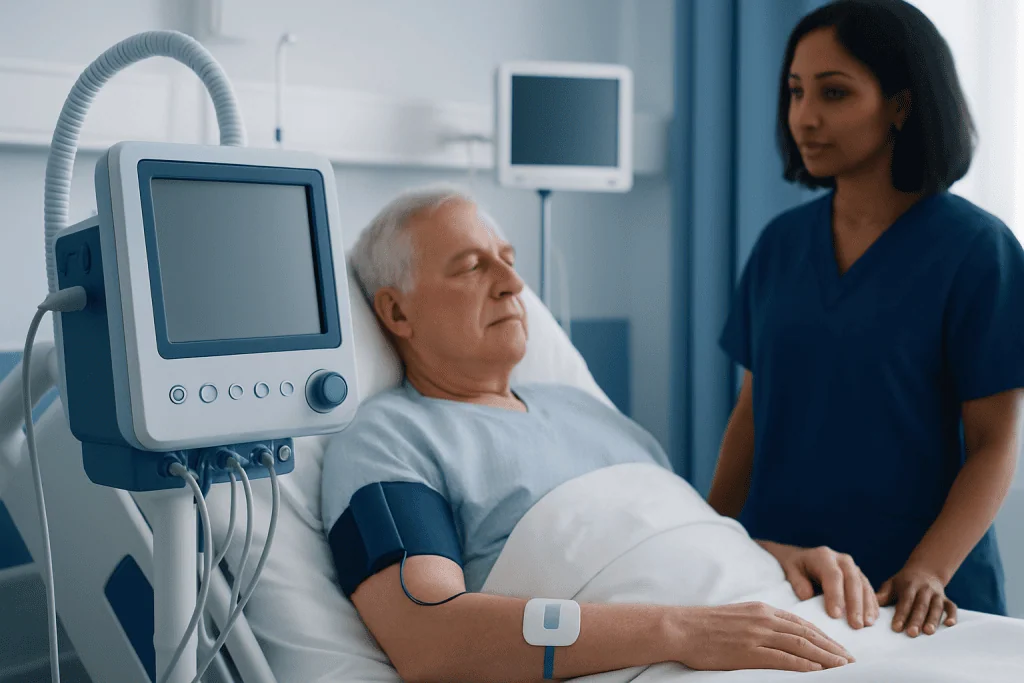
Remote monitoring after surgery is not necessary for every patient, but it can be especially helpful for people who may need closer follow-up. This includes patients who have had major surgery, are older, live with chronic medical conditions, or have a higher risk of complications. It may also support those recovering from procedures involving the heart, lungs, abdomen, joints, or cancer treatment, where monitoring symptoms and function can be important.
People with diabetes, high blood pressure, heart disease, lung disease, sleep apnea, reduced mobility, or a history of wound-healing problems may benefit from more structured observation after an operation. Patients discharged with drains, catheters, oxygen, or complex medication schedules may also be good candidates. In some cases, monitoring helps the team recognize when a problem is developing before it becomes more serious.
Practical factors matter too. Remote follow-up may be useful for patients who live far from the hospital, have difficulty traveling, need family support at home, or would otherwise miss early check-ins. It can also help after outpatient or minimally invasive procedures, especially when patients are expected to recover at home quickly but still need guidance.
That said, remote care is not ideal for everyone. Some patients prefer face-to-face visits, have limited internet access, feel uncomfortable using digital tools, or have medical needs that are better assessed in person. The best approach depends on the procedure, the patient’s health, and what the surgical team believes is safe and practical.
How Remote Surgical Follow-Up Usually Works
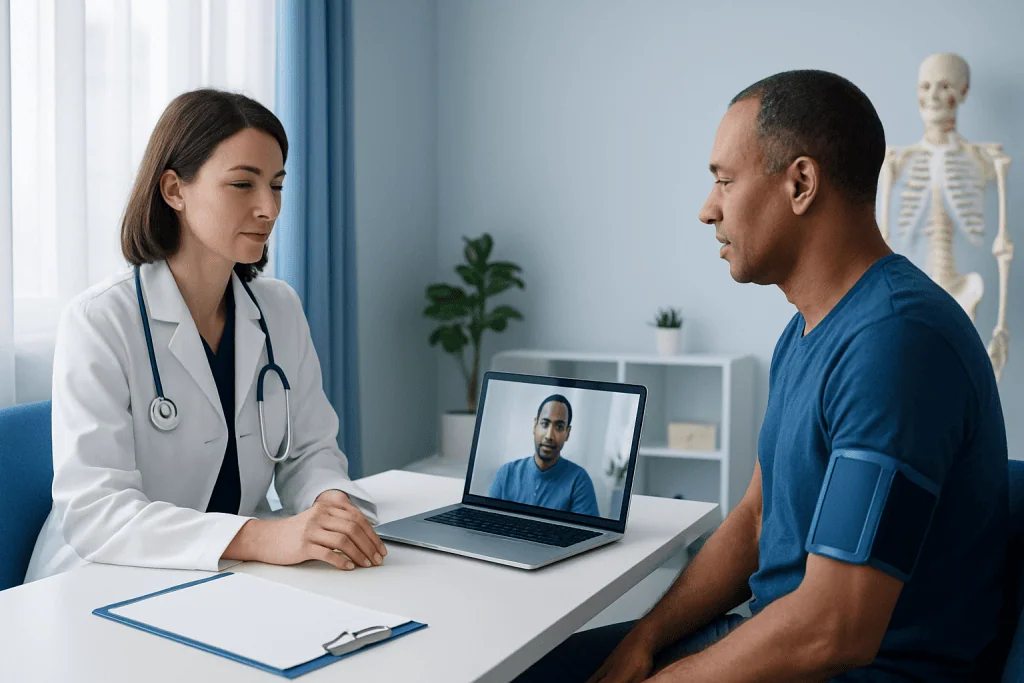
The process often begins before the operation. Patients may be told what type of monitoring to expect, how to use an app or device, and which symptoms should be reported right away. They may receive written discharge instructions along with a plan for regular contact, such as daily check-ins for the first few days and less frequent reviews as recovery improves.
After discharge, patients may be asked to answer short questionnaires about pain, swelling, fever, nausea, appetite, sleep, bowel movements, urination, mood, walking, or return to normal activities. Some programs allow patients to upload photos of the wound so clinicians can look for redness, drainage, or healing changes. Others use wearable sensors or home devices to measure vital signs automatically.
Many remote follow-up plans combine technology with human review. Nurses, surgeons, or advanced practice clinicians may review alerts and contact the patient if a symptom score rises or a reading falls outside the expected range. Video visits can be used to discuss concerns, review mobility, check medication use, and decide whether an in-person visit is needed.
Depending on the surgery, follow-up may also connect with other aspects of recovery such as physical therapy and rehabilitation, nutrition, breathing exercises, or wound management. For some patients, especially after procedures involving the digestive system, home guidance may work alongside gastroenterology care if symptoms such as nausea, constipation, or feeding issues continue after discharge.
What Can Be Monitored at Home
The type of information collected depends on the surgery and the patient’s overall health. A simple recovery pathway may focus on pain, temperature, wound appearance, appetite, fluid intake, bowel function, and movement. More complex pathways may include blood pressure, pulse, oxygen saturation, weight, blood glucose, or heart rhythm data if a doctor feels these are important for safe recovery.
Wound monitoring is one of the most common uses. Patients may send photos or describe changes such as increasing redness, warmth, swelling, odor, bleeding, or discharge. This can be useful after abdominal, orthopedic, or skin procedures. Remote review may help identify when a wound appears to be healing normally and when it needs a direct examination.
Functional recovery is another key area. Teams may track walking distance, ability to climb stairs, breathing comfort, sleep quality, and whether the patient can eat, wash, dress, and move safely. After orthopedic surgery, progress in mobility may be reviewed alongside guidance similar to orthopedic follow-up and rehabilitation. After some abdominal operations, symptom tracking may also be relevant when monitoring conditions related to hernia recovery and recurrence concerns.
Medication-related issues can also be reviewed remotely. Patients may report nausea, dizziness, constipation, rash, confusion, or inadequate pain control. This does not mean medication changes happen automatically online, but it allows the team to advise whether current symptoms are expected, whether prescriptions need review, or whether in-person assessment is safer.
Potential Benefits and Important Limits
One of the main benefits of remote monitoring after surgery is earlier recognition of change. If a patient develops fever, worsening pain, poor oral intake, shortness of breath, reduced mobility, or wound concerns, the team may be able to respond sooner than if the patient were waiting for a later appointment. This can improve communication and help patients feel less alone during recovery.
Convenience is another advantage. Travel can be tiring soon after an operation, especially for older adults or people who live far from the hospital. Remote check-ins may reduce unnecessary clinic visits while still allowing clinicians to identify who truly needs to be seen. In some situations, this can support a smoother transition from hospital to home.
Still, remote monitoring has clear limits. Digital tools cannot fully replace a physical examination, blood test, imaging study, or hands-on wound assessment when those are needed. Technology problems, unclear photos, delayed responses, and missing data can reduce usefulness. Some symptoms are also difficult to judge at a distance.
It is also important to understand that remote follow-up is not emergency care. Severe chest pain, major bleeding, sudden shortness of breath, fainting, new confusion, signs of stroke, or rapidly worsening symptoms need urgent in-person evaluation. Patients should always know which warning signs require immediate help rather than waiting for a message reply or scheduled call.
How Patients Can Prepare for Safe Remote Recovery
Patients can help remote follow-up work well by preparing before surgery whenever possible. It is useful to ask what technology will be used, how often updates are expected, who reviews the information, and what response times are typical. If a family member or caregiver will help at home, that person should understand the plan too.
Before discharge, patients should make sure they know how to use any thermometer, blood pressure cuff, pulse oximeter, wearable device, or app provided. They should also know how to take and upload clear wound photos if this is part of the plan. Written instructions are valuable, especially when patients may still feel tired or uncomfortable after anesthesia and pain medication.
Keeping a simple recovery record can be helpful. This may include pain levels, temperature, medicines taken, bowel movements, appetite, fluid intake, mobility, and any new symptoms. A written log can make check-ins more accurate and help identify changes over time. Patients should also keep emergency phone numbers and hospital contact details easy to find.
Privacy matters as well. Patients may want to ask how personal health data is stored, who can see it, and whether the platform used for communication is secure. Reputable programs should explain how information is handled and what to do if a device stops working or internet access is interrupted.
When In-Person Review Is Needed
Even in a well-organized remote follow-up program, some patients will still need an examination in clinic, urgent assessment, or readmission to hospital. This may happen if the wound looks infected, pain is increasing instead of improving, vomiting prevents fluid intake, urine output changes significantly, or mobility drops unexpectedly. New breathing problems or circulation concerns also need prompt medical review.
In-person evaluation may be needed when a clinician cannot make a safe decision from symptoms or images alone. For example, abdominal tenderness, a swollen calf, wound separation, dehydration, severe constipation, or confusion may require direct examination and possibly tests such as blood work or imaging. Remote monitoring works best as a tool to guide next steps, not as a substitute for every kind of care.
Patients should contact their surgical team if they are unsure whether a symptom is expected. If they have been given a threshold for fever, blood pressure, oxygen level, blood glucose, or drainage amount, they should follow those instructions carefully. It is better to ask early than to ignore a change that may need treatment.
For patients seeking coordinated care across specialties, some centers offer integrated postoperative support. Near the end of recovery planning, it may be reassuring to know that Acibadem International’s multidisciplinary specialists and JCI-accredited hospitals diagnose and treat surgical conditions for international patients, with follow-up pathways that may include digital communication when appropriate.
The Future of Postoperative Monitoring
Remote monitoring after surgery is part of a broader shift toward more connected, patient-centered care. As telehealth platforms improve, hospitals are increasingly able to combine symptom questionnaires, wearables, electronic records, and video visits into one recovery pathway. This may help teams personalize follow-up instead of using the same schedule for every patient.
Future programs may become better at identifying patterns that suggest recovery is slowing or complications are becoming more likely. For example, a combination of poor sleep, lower activity, rising pain scores, and changes in vital signs may prompt earlier outreach. At the same time, clinicians still need to interpret this information carefully, because not every alert means a true medical problem.
The most effective systems are likely to remain balanced rather than fully automated. Patients benefit when technology makes follow-up easier, but they also need clear guidance, empathy, and access to professionals who can answer questions. Good postoperative care depends not only on devices and data, but also on trust, education, and timely decision-making.
For patients considering surgery, it can be worth asking whether remote follow-up is available, who it is designed for, and how it fits with standard postoperative visits. A tailored plan that combines home monitoring with in-person care when needed may offer both reassurance and safety during recovery.
Frequently asked questions
What is remote monitoring after surgery?
Remote monitoring after surgery is a follow-up approach that lets a healthcare team track recovery while the patient is at home. It may use phone calls, video visits, apps, home devices, or secure messages to review symptoms, wound healing, and other recovery information.
Who is most likely to need remote monitoring after an operation?
It may be especially useful for patients recovering from major surgery, people with chronic conditions, older adults, or those at higher risk of complications. It can also help patients who live far from the hospital or have difficulty attending frequent in-person follow-up visits.
Can remote monitoring replace all follow-up appointments?
No. Remote monitoring can support recovery and reduce some unnecessary visits, but it does not replace every in-person assessment. Some concerns, such as severe pain, wound separation, breathing problems, or abnormal test needs, require direct medical evaluation.
What kinds of symptoms or data might be tracked?
Depending on the surgery, teams may track pain, fever, appetite, bowel function, wound appearance, activity, blood pressure, pulse, oxygen level, or blood sugar. The exact plan varies based on the procedure and the patient’s medical history.
Is remote monitoring safe?
It can be safe and helpful when it is part of a clear postoperative care plan with defined instructions and prompt review by qualified clinicians. Patients still need to know which warning signs require urgent in-person care and should not wait for an online response in an emergency.
What should a patient ask before agreeing to remote follow-up?
Helpful questions include what will be monitored, how often information must be sent, who reviews the data, and how quickly the team responds. Patients should also ask what to do if technology fails and which symptoms mean they should seek urgent or emergency care.
References
- World Health Organization
- Centers for Disease Control and Prevention
- American College of Surgeons
- National Institute for Health and Care Excellence
- Agency for Healthcare Research and Quality
This article is for general information only and is not a substitute for professional medical advice. Please consult a qualified doctor about your individual situation.
Explore treatments in Turkey — costs, top hospitals & a free quote
JCI-accredited · board-certified surgeons · reply within 24h
Add us as a Preferred Source to see more of our trusted health content across Google Search, AI Overviews and Discover.
Check your numbers in seconds
BMI, calories, due date, blood pressure and 30+ more clinical calculators — free, instant, doctor-reviewed ranges.

More from the Health Library


Related Specialists

Dr. Nihan Akça Gür
Otorhinolaryngology
Dt. Emre Orhon Kuybulu
Oral & Dental Health
Prof. Dr. Ahmet Akyol
Cardiology
Assoc. Prof. Dr. Umut Dişel
Internal Medicine