How Much Weight Can You Lose in a Week? Causes, Explanations, and Next Steps

A loss of about 1 to 2 pounds per week is often considered a realistic and safer pace for intentional weight loss. A bigger change on the scale in one week is often water weight, not body fat loss alone.
Key Takeaways
- A loss of about 1 to 2 pounds per week is often considered a realistic and safer pace for intentional weight loss.
- A bigger change on the scale in one week is often water weight, not body fat loss alone.
- Unexpected weight loss can happen for many reasons, including stress, digestive problems, thyroid disease, diabetes, infection, or medication side effects.
- Red flags include ongoing weight loss without trying, weakness, fever, night sweats, vomiting, diarrhea, blood in stool, or severe thirst.
- Doctors usually assess weight trends, diet, symptoms, medications, and may order blood tests or imaging depending on the history.
How much weight can you lose in a week depends on whether the change is planned, unplanned, and due to fat, water, or muscle. For many adults, about 1 to 2 pounds per week is a common and generally safer rate of intentional weight loss, while larger or unexpected changes can have other explanations and sometimes need medical attention.
Overview: what a week of weight loss really means
When people ask, how much weight can you lose in a week, the simplest answer is that about 1 to 2 pounds is a common and generally safer range for intentional weight loss in many adults. In the short term, the scale may move more than that, but larger changes often reflect shifts in body water, stomach contents, or salt intake rather than body fat alone.
In many cases, a brief change in weight is harmless. Travel, exercise, menstrual cycles, a high-salt meal, illness with reduced appetite, or starting a new eating plan can all change weight over several days. That is why one week on the scale does not always tell the full story.
What matters most is the context. Planned weight loss through eating changes and physical activity is different from losing weight without trying. Unintentional weight loss deserves more attention, especially if it continues, comes with other symptoms, or affects strength and daily life.
This article explains what is typical, why rapid changes happen, when to seek medical care, and what a doctor may do to investigate the cause. The goal is to help readers understand the number on the scale without jumping to conclusions.
How much weight can you lose in a week safely?
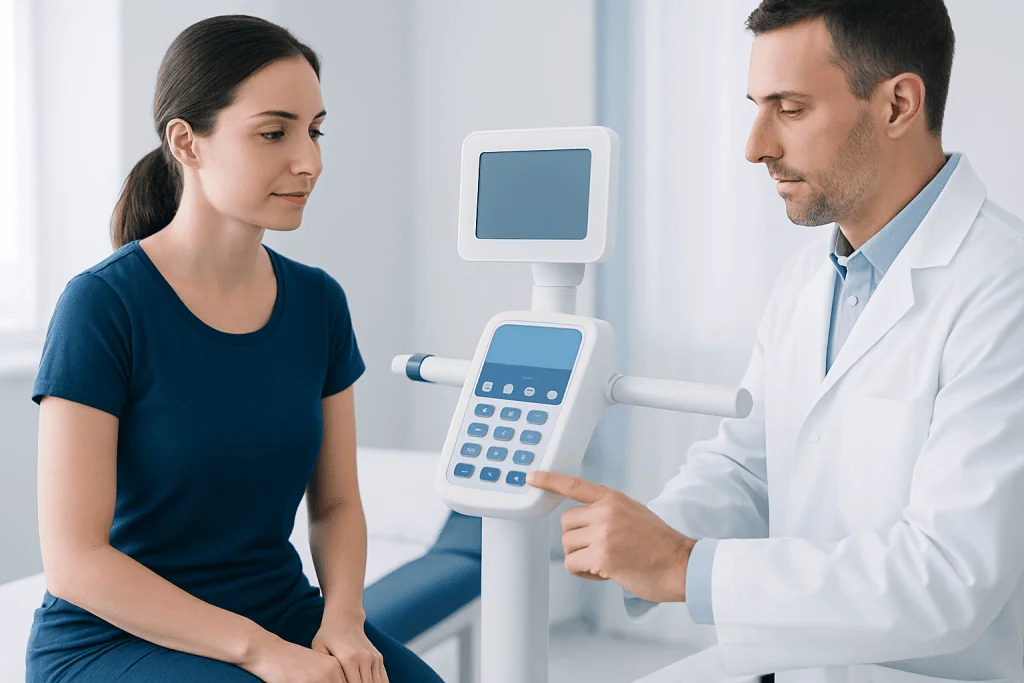
For many adults, losing around 1 to 2 pounds per week is often used as a practical guide for intentional weight loss. This pace is more likely to come from a sustainable calorie deficit and healthy habits rather than extreme restriction. It also helps reduce the chance of losing too much muscle mass or becoming overly fatigued.
A faster drop can happen in the first week of a new plan, especially if carbohydrate intake decreases. This is because the body stores carbohydrate as glycogen, and glycogen holds water. As glycogen stores fall, water is released, so the scale may fall quickly even though fat loss is more modest.
Very rapid loss is not always better. Severe dieting, dehydration, laxative misuse, or overexercise can make weight drop quickly but may be unsafe. These methods can strain the body and are difficult to maintain.
If the goal is healthy weight management, focusing on trends over several weeks is usually more useful than reacting to one weekly number. Regular meals, protein intake, sleep, activity, and realistic goals are often more helpful than aggressive short-term efforts. People exploring structured options for severe obesity may discuss medical nutrition therapy or bariatric surgery with a qualified specialist when appropriate.
Why weight can change quickly from week to week

The scale reflects more than body fat. Day-to-day and week-to-week changes can result from body water, bowel contents, hormone shifts, and changes in food intake. This is why someone may appear to lose several pounds in a week without actually losing that amount of fat tissue.
Common non-dangerous reasons for short-term weight loss include eating less during stress, losing fluid through sweating, changing to a lower-salt diet, recovering from bloating, or having a stomach virus. Increased activity can also change fluid balance and appetite. In these situations, weight may return toward baseline once routines normalize.
However, unintentional or persistent weight loss may have a medical explanation. Conditions affecting appetite, digestion, hormones, metabolism, or mental health can all play a role. Weight loss can also happen when the body is not absorbing nutrients well or is using more energy than usual.
- Water loss: less salt, fewer carbohydrates, sweating, diarrhea, vomiting, or dehydration
- Reduced intake: stress, pain, dental problems, depression, nausea, medication side effects
- Increased energy use: overactive thyroid, infection, chronic disease
- Poor absorption: digestive disorders, pancreatic problems, inflammatory bowel conditions
- Blood sugar problems: undiagnosed or poorly controlled diabetes can cause weight loss
Causes of unintentional weight loss and related symptoms
Unintentional weight loss has a broad range of causes, and many are treatable. Sometimes the explanation is straightforward, such as reduced appetite during a stressful period or a medicine that causes nausea. In other cases, the cause may be a hormone problem, a digestive condition, a chronic infection, or another underlying illness.
Digestive causes can include poor absorption of nutrients, ongoing diarrhea, abdominal pain, or early fullness. Examples include inflammatory bowel disease, celiac disease, chronic liver or pancreatic disorders, and stomach conditions. Endocrine causes include thyroid overactivity and diabetes, especially when weight loss happens with thirst, frequent urination, or fatigue. In some people, cancer, chronic lung disease, or heart disease may also contribute to unexplained weight loss.
Mental health is another important factor. Anxiety, depression, grief, eating disorders, and prolonged stress can all affect appetite and eating patterns. Sleep problems and substance use may also influence body weight in either direction.
Doctors look not only at the number lost but also at accompanying symptoms. A pattern of worsening appetite, weakness, diarrhea, fever, night sweats, persistent pain, trouble swallowing, or blood in the stool gives useful clues and may change how urgently the person should be evaluated.
When to seek medical care
Many short-term weight changes are not dangerous, especially if they clearly relate to diet, fluid shifts, exercise, or a brief illness. Still, medical review is sensible if weight loss is unplanned, keeps happening, or is accompanied by other concerning symptoms.
A person should arrange medical care sooner if there is significant weight loss without trying, or if the loss continues for more than a few weeks. It is also important to seek care for dehydration, persistent vomiting or diarrhea, severe weakness, fainting, chest symptoms, or confusion.
- Ongoing weight loss without diet or exercise changes
- Fever, night sweats, or repeated infections
- Persistent vomiting, diarrhea, abdominal pain, or trouble swallowing
- Blood in stool, black stools, or coughing up blood
- Marked thirst, frequent urination, or blurred vision
- Depressed mood, severe anxiety, or signs of an eating disorder
If symptoms are severe or sudden, urgent medical assessment may be needed. For less urgent concerns, a primary care doctor or relevant specialist can guide the next steps and help determine whether the change is temporary, nutritional, hormonal, digestive, or related to another condition.
How doctors evaluate unexplained weight loss
After clarifying red flags, doctors usually begin with a careful history. They ask how much weight was lost, over what time, whether the loss was intentional, and whether appetite, bowel habits, thirst, medications, stress, or sleep have changed. They may also ask about travel, infections, smoking, alcohol, and family history.
The physical examination helps narrow down the possibilities. Depending on symptoms, the doctor may check hydration, temperature, pulse, thyroid, lymph nodes, lungs, abdomen, and signs of malnutrition or muscle loss. Sometimes weight trends, waist measurements, or a food diary are helpful.
Common initial tests may include blood counts, kidney and liver tests, blood sugar testing, thyroid tests, inflammatory markers, and urine studies. If digestive symptoms are present, stool tests or blood tests for malabsorption may be considered. Imaging or endoscopy may be recommended when symptoms suggest a structural problem.
Further assessment is tailored to the likely cause. For example, hormone-related symptoms may lead to endocrine testing, while persistent digestive symptoms may prompt investigation by a gastroenterologist. Depending on the findings, doctors may evaluate for thyroid conditions or arrange endoscopy or colonoscopy when clinically appropriate.
Treatment and next steps
Treatment depends on why the weight loss is happening. If the cause is planned weight loss, the focus is usually on making the approach sustainable: balanced meals, adequate protein, physical activity, hydration, and realistic goals. If the weight loss is unintentional, treatment targets the underlying problem rather than the scale alone.
For example, medication side effects may improve with adjustment under medical supervision. Digestive disorders may need diet changes, supplements, or specific therapies. Hormonal problems such as overactive thyroid disease or diabetes are managed according to the diagnosis. If mental health is affecting appetite, psychological support can be an important part of recovery.
Nutritional support is sometimes needed, especially if there is weakness, poor intake, or muscle loss. A doctor or dietitian may recommend small frequent meals, energy-dense nutritious foods, and strategies to reduce nausea or early fullness. The goal is to maintain strength while the cause is addressed.
Near the end of the diagnostic process, some people benefit from coordinated care across specialties. Acibadem International’s multidisciplinary specialists and JCI-accredited hospitals diagnose and treat causes of unexplained or rapid weight change for international patients, including endocrine, digestive, and metabolic conditions. In selected cases, advanced imaging such as PET-CT may be part of a broader evaluation if a doctor believes it is needed.
Prevention and self-care: tracking weight without becoming alarmed
Self-monitoring can be useful, but it helps to interpret the scale carefully. Weighing at the same time of day, in similar clothing, and under similar conditions gives a more meaningful trend. A weekly average is often more helpful than reacting to one isolated reading.
General healthy habits support more stable weight and make unexpected changes easier to notice early. These include regular meals, enough protein and fiber, good hydration, sleep, and routine physical activity. During illness, replacing fluids and returning gradually to normal eating can help temporary weight loss recover.
People trying to lose weight should avoid crash diets and extreme methods. Faster is not always healthier, and a dramatic first-week result may mostly be water. Anyone with a history of eating disorders, chronic disease, or major recent weight changes should seek professional guidance before starting an intensive weight-loss plan.
Keeping a simple record of appetite, symptoms, bowel habits, medications, and weight can be helpful if medical review becomes necessary. This can give a doctor important clues and often speeds up the assessment.
Frequently asked questions
Is it normal to lose 5 pounds in a week?
It can happen, especially at the start of a new diet or after changes in salt and carbohydrate intake, but much of that may be water rather than fat. If the loss was unplanned or comes with symptoms such as weakness, diarrhea, fever, or excessive thirst, medical advice is sensible.
How much fat can a person realistically lose in one week?
For many people, around 1 to 2 pounds per week is a realistic and generally safer pace for intentional fat loss. Larger changes on the scale can occur, but they often include water loss and changes in digestion, not just fat reduction.
When is weight loss considered concerning?
Weight loss is more concerning when it happens without trying, continues over time, or is paired with symptoms such as fatigue, fever, pain, vomiting, diarrhea, or blood in the stool. It also deserves attention if eating has become difficult or if daily function is being affected.
Can stress cause weight loss in a week?
Yes. Stress can reduce appetite, upset digestion, change sleep, and increase physical tension, all of which may lead to short-term weight loss. If stress-related weight loss continues or mental health symptoms are strong, professional support can help.
What tests might a doctor order for unexplained weight loss?
A doctor may start with blood tests, urine tests, and a review of medications, appetite, and symptoms. Depending on the findings, they may also suggest stool tests, thyroid tests, blood sugar testing, imaging, or endoscopy.
Does rapid weight loss always mean something serious?
No. Rapid changes are often related to water loss, temporary illness, or a recent change in eating habits. Still, persistent or unexplained weight loss should be checked so treatable causes are not missed.
References
- Centers for Disease Control and Prevention
- National Institute of Diabetes and Digestive and Kidney Diseases
- Mayo Clinic
- National Health Service
- Cleveland Clinic
This article is for general information only and is not a substitute for professional medical advice. Please consult a qualified doctor about your individual situation.
Medical weight-loss options in Turkey — costs & eligibility
JCI-accredited · board-certified surgeons · reply within 24h
Add us as a Preferred Source to see more of our trusted health content across Google Search, AI Overviews and Discover.
Check your numbers in seconds
BMI, calories, due date, blood pressure and 30+ more clinical calculators — free, instant, doctor-reviewed ranges.