How to Explain MS Symptoms During a Doctor Visit

Keeping a symptom diary can make it easier to explain MS symptoms during an appointment. Doctors usually need details about when symptoms started, how long they last, and whether they come and go.
Key Takeaways
- Keeping a symptom diary can make it easier to explain MS symptoms during an appointment.
- Doctors usually need details about when symptoms started, how long they last, and whether they come and go.
- It helps to describe how symptoms affect walking, vision, balance, work, sleep, and daily activities.
- Past symptoms, even if they improved, may be important because MS can cause episodes separated in time.
- Bringing a medication list, test results, and questions can help a neurology visit run more smoothly.
Describing MS symptoms clearly can help a doctor understand what is happening and decide on the next steps. A simple, organized explanation of symptom timing, pattern, and daily impact often makes a medical visit more productive.
Overview: Why symptom descriptions matter in MS
Multiple sclerosis, often called MS, is a condition that affects the brain and spinal cord. Because it can involve many parts of the nervous system, its symptoms may vary widely from one person to another. Some people notice numbness or tingling, while others experience vision changes, weakness, balance problems, fatigue, or bladder symptoms. This variation is one reason why clear communication during a doctor visit is so important.
Doctors do not rely on a single symptom alone to understand possible MS. They look for patterns: when symptoms began, how they changed, whether they improved, and whether different parts of the body were affected at different times. A well-described symptom history can help a clinician decide whether further neurological examination, blood tests, MRI scans, or other studies may be helpful.
For many people, appointments feel rushed or stressful, especially when symptoms are difficult to describe. Preparing in advance can make the visit more useful and less overwhelming. The goal is not to use perfect medical terms, but to explain symptoms in a clear, honest, and practical way.
Which MS symptoms are important to mention
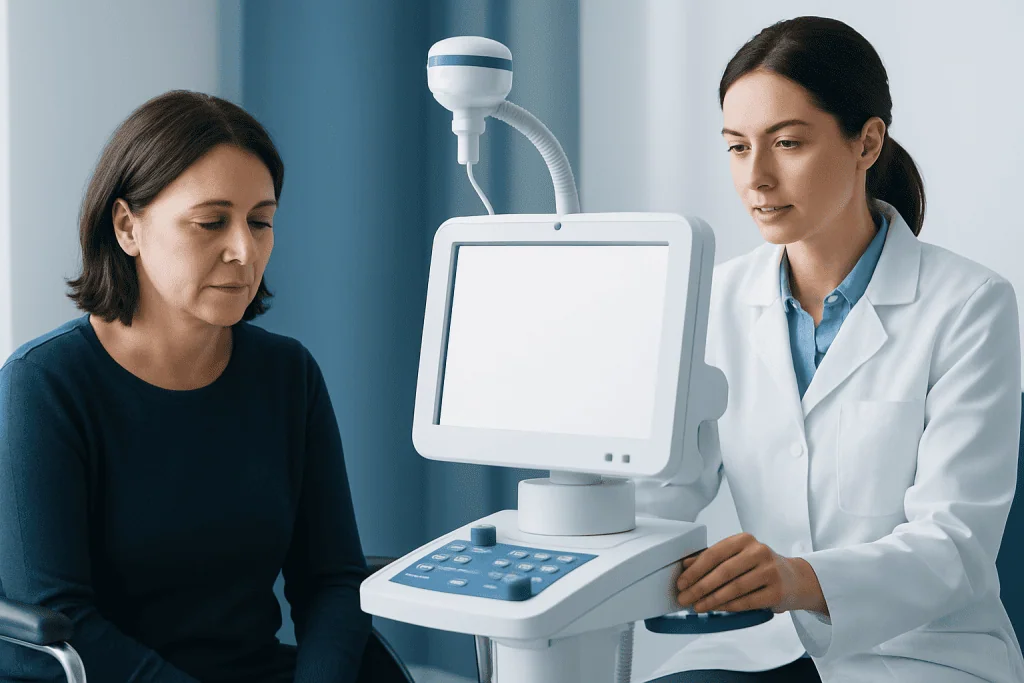
Any new, unusual, or recurring neurological symptom is worth mentioning. In MS, common symptoms can include numbness, tingling, weakness, muscle stiffness, balance difficulty, dizziness, tremor, blurred or double vision, pain with eye movement, fatigue, memory or concentration changes, and bladder or bowel problems. Some people also notice heat sensitivity, changes in walking, or electric-shock-like sensations with neck movement.
It is helpful to be specific rather than general. For example, instead of saying “my leg felt strange,” a person might say “my left leg felt numb from the knee down for three days” or “my right foot dragged when I walked after I became tired.” Concrete descriptions give the doctor more useful information than broad statements such as “I felt off.”
Past symptoms matter too, even if they seemed minor or went away on their own. MS may cause episodes separated by weeks, months, or even longer. A previous period of vision loss, unexplained tingling, or imbalance could be relevant to the current visit. If a person has already been evaluated for multiple sclerosis, bringing that earlier history together can be especially helpful.
- Vision changes in one or both eyes
- Numbness, tingling, or unusual sensations
- Weakness or heaviness in an arm or leg
- Walking, balance, or coordination problems
- Fatigue that feels out of proportion to activity
- Bladder urgency, frequency, or incomplete emptying
How to describe symptoms clearly during the visit

A simple structure can make symptom descriptions easier. Doctors often want to know: what the symptom felt like, where it occurred, when it started, how long it lasted, whether it came and went or stayed constant, and whether anything made it better or worse. A person does not need to tell the story in a perfect order, but using these points can help the clinician quickly understand the picture.
It can also help to compare function before and after the symptom began. For instance, a person might explain, “Before this started, I could walk for 30 minutes without trouble. Now after 10 minutes, my right leg feels weak and I need to rest.” This type of comparison shows the practical impact on daily life, which is often clinically meaningful.
During the appointment, plain language is enough. Terms like burning, pins and needles, tightness, heaviness, spinning, blurry, or off balance are useful because they describe lived experience clearly. If symptoms are hard to explain, examples can help: “I drop objects with my left hand,” “I miss steps going downstairs,” or “I need to urinate much more often than usual.”
Many people find it useful to write a short summary before the visit. A one-page note listing the top three symptoms, when they started, and how they affect work, sleep, driving, exercise, or household tasks can keep the conversation focused and reduce the chance of forgetting something important.
Timing, triggers, and patterns to track
In possible MS, timing matters a great deal. A doctor may ask whether symptoms developed suddenly over hours, gradually over days, or more slowly over weeks. They may also want to know whether the symptom lasted at least 24 hours, whether it improved, and whether there were symptom-free periods in between. This can help distinguish a temporary issue from a more sustained neurological event.
Triggers and associated factors are also useful to mention. Some people notice that symptoms worsen with heat, fever, infections, lack of sleep, or physical exertion. Others find that symptoms become more noticeable under stress or after a hot shower. These details do not confirm MS on their own, but they may help the doctor interpret the full picture.
A symptom diary can be very helpful. It may include the date, symptom, body area, severity, duration, and anything that seemed to trigger it. If symptoms involve walking, vision, speech, or hand function, a few notes about what activities became harder can add valuable context. For example, “double vision while reading,” “stumbled twice this week,” or “needed both hands to lift a kettle.”
If a person has photos, videos, or written records from episodes that have already improved, those can sometimes support the discussion. A brief video showing a walking change, eye movement issue, or tremor may help the doctor understand symptoms that are not obvious during the appointment.
What doctors may ask and how to prepare
During an evaluation, a doctor will often ask about current symptoms, prior episodes, family history, recent infections, medications, and any other medical conditions. They may also ask about migraine, vitamin deficiencies, autoimmune diseases, or spine problems, because these and other conditions can sometimes cause symptoms that overlap with MS.
Preparation can make the visit smoother. Bringing a list of medications and supplements, previous MRI or scan reports, blood test results, and the names of other specialists can be useful. If the person has seen an eye doctor, emergency physician, or physiotherapist for related symptoms, that information may also help build a more complete timeline.
It can be helpful to write down questions in advance, such as whether symptoms suggest a relapse, what tests may be needed, or what warning signs deserve urgent attention. If concentration or memory is affected, bringing a trusted family member or friend can be reassuring. That person may also help remember details from the discussion afterward.
Depending on the findings, the doctor may recommend a neurological examination and tests such as MRI scanning to look for changes in the brain or spinal cord, or a lumbar puncture in selected situations. Not everyone needs the same tests, and the plan will depend on the individual history and examination.
How MS is evaluated and what happens next
MS is diagnosed by combining the medical history, neurological examination, and test results. Doctors look for evidence that the nervous system has been affected in more than one area and at different points in time, while also ruling out other explanations. This is why symptom descriptions from the patient remain a central part of the process.
The doctor may examine strength, reflexes, coordination, sensation, eye movements, balance, and walking. These findings can show whether the brain, spinal cord, or optic nerves may be involved. If vision symptoms are present, an ophthalmologic or neuro-ophthalmologic assessment may also be considered.
Imaging is often an important part of evaluation. MRI can help identify lesions that may suggest demyelination, and in some cases contrast is used to show active inflammation. Additional testing may include blood work to look for vitamin, metabolic, autoimmune, or infectious causes of symptoms. In certain cases, tests such as electromyography may be used if the doctor needs to evaluate nerve or muscle problems that could point away from MS or toward another diagnosis.
If MS is confirmed, ongoing follow-up helps guide treatment and monitor changes over time. A neurologist may discuss medicines that reduce disease activity, treatment for relapses, and supportive care for specific symptoms such as spasticity, fatigue, bladder dysfunction, or mobility challenges. Symptom communication remains important even after diagnosis because it helps the care team understand how the condition is affecting daily life.
Self-care between visits and when to seek medical help
Between appointments, people can support their care by tracking symptoms, getting enough rest, staying hydrated, and avoiding overheating if heat makes symptoms worse. General healthy habits such as regular movement within comfort level, balanced meals, stress management, and taking medications as prescribed may also help overall well-being. These steps are not a substitute for medical treatment, but they can improve day-to-day management.
It is also wise to note any clear changes in function. New trouble with walking, hand use, speaking, swallowing, vision, or bladder control should be recorded and discussed promptly. If symptoms seem to follow an infection or fever, sharing that context with the doctor can be helpful because temporary symptom worsening may occur in those settings.
Urgent medical attention is important for sudden severe weakness, major vision loss, severe imbalance, new confusion, or other rapidly worsening neurological symptoms. These symptoms do not always mean MS, but they do need prompt evaluation. Anyone who feels unsure should contact a qualified clinician for guidance.
For people receiving specialist care, multidisciplinary follow-up can be valuable. Near the end of the care journey, some may benefit from services such as physical therapy and rehabilitation to support strength, balance, and function. Acibadem International’s multidisciplinary specialists and JCI-accredited hospitals also diagnose and treat neurological conditions for international patients when advanced evaluation is needed.
Frequently asked questions
What is the best way to explain MS symptoms to a doctor?
A clear, simple description is usually best. It helps to explain what the symptom felt like, where it happened, when it began, how long it lasted, and how it affected daily activities such as walking, reading, or working.
Should past symptoms be mentioned even if they went away?
Yes. Symptoms that improved or disappeared can still be important because MS may cause episodes separated over time. A doctor often needs the full history, not just the current problem.
What details do doctors usually want to know about possible MS symptoms?
Doctors often ask about timing, body location, severity, triggers, and whether symptoms came and went or stayed constant. They also want to know whether there was pain, vision change, weakness, numbness, fatigue, bladder symptoms, or balance difficulty.
Is a symptom diary useful before a neurology appointment?
Yes, a symptom diary can be very helpful. Writing down dates, duration, triggers, and daily impact can make it easier to remember details and give the doctor a clearer picture.
Can stress or heat make MS symptoms feel worse?
They can in some people. Heat, fever, infections, poor sleep, and stress may temporarily worsen existing symptoms or make them more noticeable, so it is useful to mention these patterns during the visit.
Does describing symptoms clearly mean a person definitely has MS?
No. Many conditions can cause symptoms similar to MS, including migraine, vitamin deficiencies, spinal problems, infections, and other autoimmune disorders. Clear symptom descriptions help the doctor investigate the right possibilities, but they do not confirm a diagnosis by themselves.
References
- National Institute of Neurological Disorders and Stroke
- National Multiple Sclerosis Society
- Multiple Sclerosis International Federation
- Mayo Clinic
- NHS
This article is for general information only and is not a substitute for professional medical advice. Please consult a qualified doctor about your individual situation.
Joint and spine care in Turkey — expert assessment & treatment
JCI-accredited · board-certified surgeons · reply within 24h
Add us as a Preferred Source to see more of our trusted health content across Google Search, AI Overviews and Discover.