

Understanding IBS Treatment: A Complete Patient Guide

IBS treatment is individualized because symptoms and triggers vary from person to person. Dietary changes, especially guided food planning, are often a key part of symptom control.
Key Takeaways
- IBS treatment is individualized because symptoms and triggers vary from person to person.
- Dietary changes, especially guided food planning, are often a key part of symptom control.
- Medicines may help diarrhea, constipation, abdominal pain, or bloating depending on the IBS subtype.
- Stress and the gut-brain connection can influence symptoms, so behavioral support may be useful.
- New or alarming symptoms such as weight loss, bleeding, or fever need medical evaluation.
IBS treatment usually focuses on reducing symptoms, identifying triggers, and improving quality of life rather than curing the condition outright. Most people benefit from a personalized plan that may include dietary changes, stress management, and medicines tailored to their main symptoms.
Overview: What IBS Treatment Usually Involves
IBS treatment is the medical and self-care approach used to manage irritable bowel syndrome, a long-term disorder that affects how the intestines function. The goal is to reduce symptoms such as abdominal pain, bloating, diarrhea, constipation, or a mix of these, while helping the person maintain daily comfort and routine. Because IBS does not look the same in everyone, treatment is usually tailored rather than following a single standard plan.
For many people, effective care starts with understanding their symptom pattern. Some mainly have diarrhea-predominant IBS, some have constipation-predominant IBS, and others alternate between both. A doctor may discuss food triggers, stress, sleep, physical activity, and bowel habits before recommending treatment. This helps create a practical plan that fits the person’s symptoms and lifestyle.
IBS is considered a disorder of gut-brain interaction. This means symptoms can be influenced by intestinal movement, gut sensitivity, the microbiome, and stress-related signaling between the brain and digestive tract. Treatment often works best when it addresses more than one factor at the same time, instead of focusing only on the bowel itself.
Symptoms IBS Treatment Aims to Improve
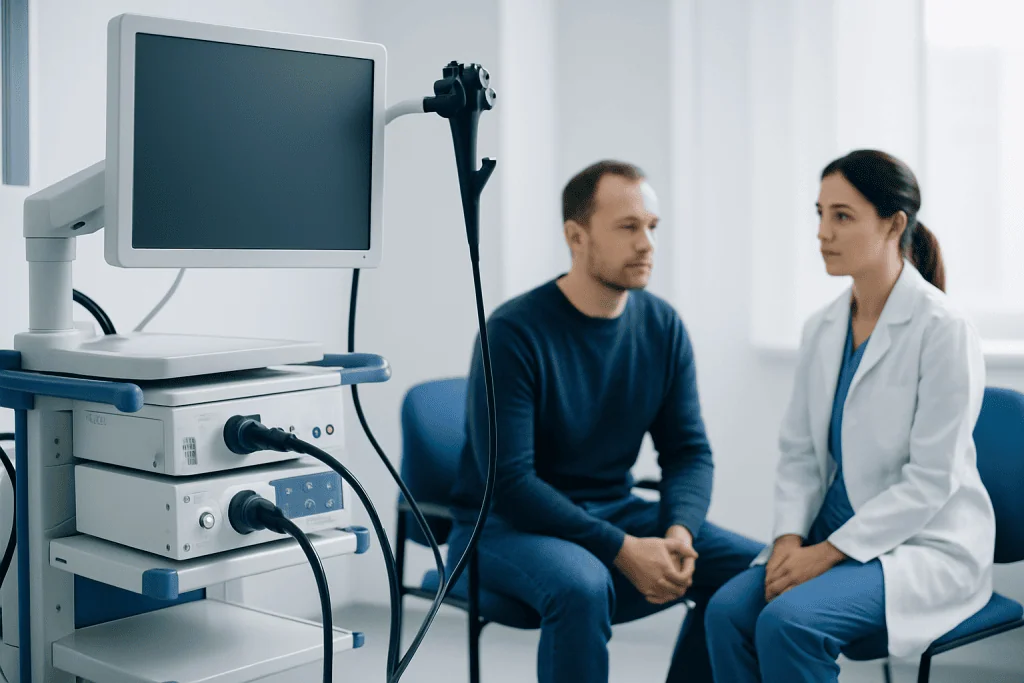
The main symptoms of IBS are recurring abdominal pain linked to bowel movements or changes in bowel habits. Some people notice cramping before using the toilet, while others feel incomplete emptying afterward. Bloating and excess gas are also common and can affect comfort, clothing fit, and confidence in social settings.
Doctors often group IBS into subtypes because this affects treatment choices. In IBS with diarrhea, loose stools, urgency, and fear of not reaching a restroom in time may be the most troublesome symptoms. In IBS with constipation, symptoms may include infrequent bowel movements, straining, hard stools, and a sense of blockage. Mixed IBS can alternate between both patterns.
Symptoms may come and go over time. They can flare after certain meals, during periods of stress, or with changes in sleep and routine. While IBS can have a strong effect on quality of life, it does not usually damage the intestines or cause serious bowel disease. However, symptoms that resemble IBS can also occur with other digestive conditions, so an accurate diagnosis matters. In some cases, doctors may also consider related conditions such as Crohn's disease or ulcerative colitis when symptoms suggest intestinal inflammation rather than IBS.
How Doctors Build a Personalized IBS Treatment Plan

A personalized IBS treatment plan begins with a careful clinical history. The doctor will usually ask about the pattern of pain, stool consistency, frequency of bowel movements, bloating, food triggers, stress, and how long symptoms have been present. They may use established symptom-based criteria to diagnose IBS, especially when the pattern is typical and there are no warning signs.
It is also important to rule out other causes when needed. Depending on the person’s age, symptoms, and medical history, the doctor may recommend blood tests, stool tests, or imaging. If there are alarm features such as rectal bleeding, anemia, unintentional weight loss, fever, nighttime symptoms, or a family history of colorectal cancer or inflammatory bowel disease, further evaluation is usually needed. In some people, a colonoscopy helps rule out structural or inflammatory problems.
After evaluation, treatment is directed toward the most disruptive symptoms. This might mean focusing first on bowel regularity, or on reducing pain and bloating, or on identifying food triggers. Follow-up is an important part of IBS care because treatment often needs adjustment over time.
Diet and Lifestyle Measures for IBS Treatment
Dietary changes are often one of the most useful parts of IBS treatment. Many people notice that certain foods trigger symptoms, but triggers are not identical for everyone. A doctor or dietitian may suggest keeping a symptom and food diary to identify patterns. Eating regular meals, avoiding large heavy meals, and limiting highly processed foods may help some people reduce discomfort.
One evidence-based approach is a low-FODMAP diet, which temporarily reduces certain fermentable carbohydrates that can worsen bloating, gas, diarrhea, or pain in some people. This diet is usually best done with professional guidance because it has an elimination and reintroduction phase. The aim is not long-term restriction of many foods, but learning which foods are personally tolerated.
Fiber can be helpful, especially for constipation-predominant IBS, but type matters. Soluble fiber is often better tolerated than insoluble fiber, which may worsen bloating in some people. Adequate fluid intake and regular physical activity can support bowel function and overall wellbeing. Gentle exercise may also help stress reduction, which can indirectly improve symptoms.
Stress does not cause IBS by itself, but it can intensify symptoms through the gut-brain connection. Relaxation techniques, sleep hygiene, mindfulness, and structured psychological support can be useful additions to care. For some people, approaches such as cognitive behavioral therapy or gut-directed hypnotherapy become a meaningful part of long-term symptom management.
Medicines and Other Medical Treatments for IBS
Medicines for IBS are chosen according to the main symptom pattern. For diarrhea-predominant IBS, a doctor may consider medicines that reduce urgency and stool frequency. For constipation-predominant IBS, options may include agents that soften stool, draw water into the bowel, or improve intestinal movement. These treatments are selected carefully based on symptoms, age, other medical conditions, and response to earlier measures.
Abdominal pain and cramping may improve with antispasmodic medicines in some people. Bloating can also respond to symptom-directed treatment, though results vary. Occasionally, low-dose medicines that affect nerve signaling in the gut are used to reduce pain sensitivity, especially when pain is persistent and strongly linked to the gut-brain interaction.
Not every person with IBS needs prescription medication. Some improve mainly with diet, bowel habit changes, stress reduction, and reassurance after proper evaluation. Others need a combination approach. If symptoms remain difficult to control, specialist assessment in gastroenterology care can help refine the diagnosis and treatment plan.
In selected cases, further testing may be useful if another digestive problem is suspected. For example, if upper digestive symptoms overlap, a doctor might discuss endoscopy or other evaluations based on the clinical picture. Treatment should always be guided by a qualified clinician rather than self-prescribing multiple products at once.
Prevention, Self-care, and Living Well With IBS
IBS cannot always be prevented, but symptom flares can often be reduced with consistent self-care. Many people do better when they keep a regular daily routine for meals, sleep, and physical activity. Skipping meals, eating very quickly, or making frequent sudden changes in diet may aggravate symptoms in some individuals.
Learning personal triggers can make long-term management easier. These may include certain foods, menstrual cycle changes, travel, stress at work, poor sleep, or antibiotics. Tracking symptoms over several weeks can reveal patterns that are not obvious day to day. This also gives the doctor helpful information when reviewing treatment progress.
It can help to set realistic goals. IBS treatment often aims for fewer flare-ups, less severe symptoms, and better quality of life rather than complete symptom disappearance at all times. A balanced plan can reduce frustration and support confidence in self-management. For international patients who need evaluation or ongoing digestive care, Acibadem International’s multidisciplinary specialists in JCI-accredited hospitals diagnose and treat IBS and related gastrointestinal conditions.
When to Seek Medical Care
Medical review is important if bowel symptoms are new, persistent, or changing. A person should speak with a doctor if abdominal pain, diarrhea, constipation, or bloating lasts for weeks, interferes with daily life, or does not improve with basic self-care. A proper diagnosis can prevent unnecessary restriction, anxiety, and inappropriate treatment.
Prompt medical attention is especially important if there are warning signs that are not typical of uncomplicated IBS. These include blood in the stool, unexplained weight loss, fever, anemia, vomiting, trouble swallowing, symptoms that wake the person from sleep, or a strong family history of inflammatory bowel disease or colorectal cancer. These features do not automatically mean a serious illness, but they do need medical assessment.
It is also wise to seek care when symptoms affect hydration, nutrition, work attendance, or mental wellbeing. Some people benefit from coordinated support that includes a gastroenterologist, dietitian, and behavioral health professional. Early guidance can make treatment more effective and less stressful.
Frequently asked questions
What is the best IBS treatment?
There is no single best IBS treatment for everyone. The most effective plan depends on whether the main symptoms are diarrhea, constipation, pain, bloating, or a mix of these. Many people do best with a combination of diet changes, stress management, and symptom-directed medicine.
Can IBS be cured permanently?
IBS is usually managed rather than permanently cured. Symptoms often improve with the right treatment plan, even if they come and go over time. Regular follow-up can help adjust care as symptoms change.
How long does IBS treatment take to work?
The timeline varies depending on the treatment used and the person’s symptom pattern. Some changes, such as meal timing or certain medicines, may help within days to weeks, while dietary programs and behavioral therapies can take longer. It is common to refine treatment over time.
Is a low-FODMAP diet necessary for IBS?
Not everyone with IBS needs a low-FODMAP diet. It can be helpful for people with significant bloating, gas, or bowel irregularity, but it is usually best tried with professional guidance. The goal is to identify triggers, not to stay on a highly restricted diet forever.
When should someone worry that it is not just IBS?
A doctor should evaluate symptoms if there is bleeding, unexplained weight loss, fever, anemia, nighttime symptoms, or a strong family history of bowel disease. These signs are not typical of uncomplicated IBS and may need further testing. New symptoms after age 50 also deserve medical review.
Do stress and anxiety really affect IBS symptoms?
Yes, stress and anxiety can influence IBS symptoms through the gut-brain connection. They do not mean the symptoms are imaginary; the pain and bowel changes are real. Managing stress can be a useful part of treatment alongside medical and dietary care.
References
- National Institute of Diabetes and Digestive and Kidney Diseases
- American College of Gastroenterology
- National Health Service
- World Gastroenterology Organisation
- Mayo Clinic
This article is for general information only and is not a substitute for professional medical advice. Please consult a qualified doctor about your individual situation.
Persistent digestive symptoms? Get evaluated in Turkey
JCI-accredited · board-certified surgeons · reply within 24h
Add us as a Preferred Source to see more of our trusted health content across Google Search, AI Overviews and Discover.

More from the Health Library



Related Specialists

Dr. Mürüvvet Ayten Tüzünalp
Ophthalmology
Fzt. Nergis Demiröz
Physical Medicine & Rehabilitation
Dr. Giray Girgin
Pediatrics
Dr. Levent Konur
Gynecology & Obstetrics