Glucose Levels Explained: Reference Ranges and What Affects Them

Glucose levels are interpreted in context, especially whether the sample was taken fasting, at random, or after eating. A single abnormal result does not always mean diabetes, but it may need repeat testing or follow-up.
Key Takeaways
- Glucose levels are interpreted in context, especially whether the sample was taken fasting, at random, or after eating.
- A single abnormal result does not always mean diabetes, but it may need repeat testing or follow-up.
- Very high or very low glucose levels can cause symptoms and may require prompt medical attention.
- Age, pregnancy, stress, illness, sleep, exercise, and certain medicines can all change blood glucose.
- Doctors may combine glucose testing with HbA1c or an oral glucose tolerance test to clarify the diagnosis.
Glucose levels measure the amount of sugar circulating in the blood, and the most useful range depends on when the test was taken. Fasting, meals, age, pregnancy, illness, medicines, and underlying conditions can all affect what a result means.
Overview: what glucose levels mean
Glucose levels refer to the amount of glucose, a simple sugar, in the bloodstream. Glucose is the body’s main energy source, especially for the brain, and blood sugar is tightly regulated by hormones such as insulin and glucagon. In general, fasting glucose in a healthy adult is expected to stay within a relatively narrow range, while levels after meals normally rise for a short time and then return toward baseline.
The most important point is that there is no single “perfect” number for everyone at all times. A glucose result must be read in context: whether the person was fasting, how long it has been since a meal, whether they are pregnant, their age, their medical history, and whether they are being screened for diabetes or monitored after a diagnosis. Because of this, the same number can have a different meaning in different situations.
Clinicians often look at three broad patterns: normal regulation, levels that are higher than expected but not yet in the diabetes range, and levels that suggest diabetes or another medical problem. They also pay attention to low glucose, which can occur in people with or without diabetes and may cause shakiness, sweating, confusion, or weakness.
Reference ranges first: fasting, random, and after-meal glucose
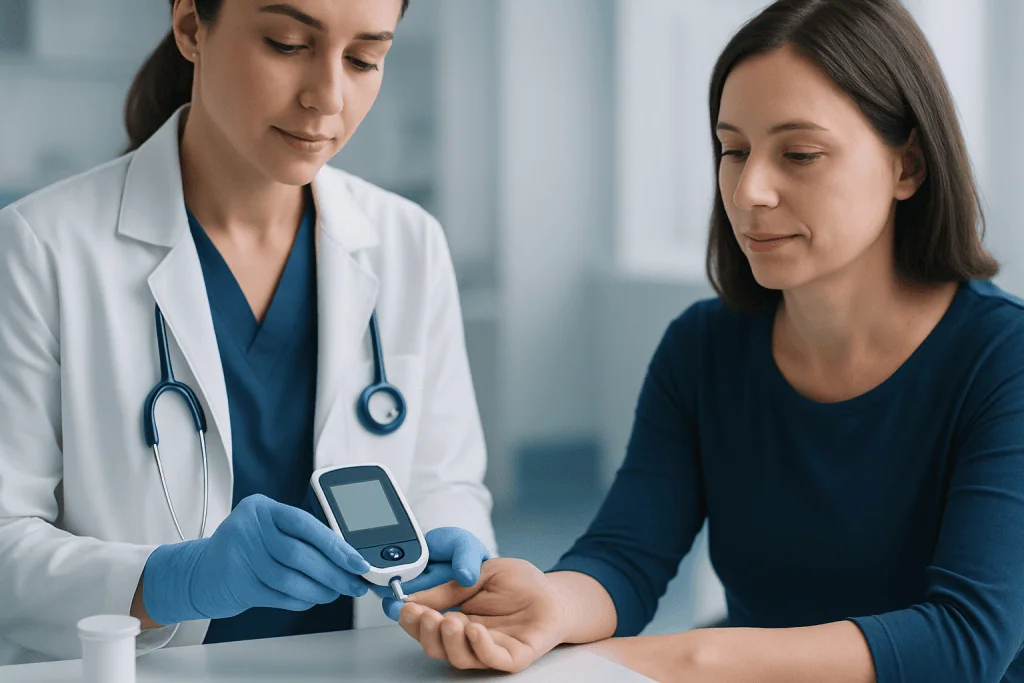
For most nonpregnant adults, a fasting blood glucose level under 100 mg/dL is generally considered normal. A fasting level from 100 to 125 mg/dL is often described as impaired fasting glucose or prediabetes, while 126 mg/dL or higher on repeat testing can support a diagnosis of diabetes. These values apply to tests performed after an appropriate fasting period, usually at least 8 hours.
After eating, glucose levels normally rise and then fall as insulin helps move glucose into cells. A random blood glucose test, taken at any time of day, is less precise for screening unless it is clearly very high and accompanied by typical symptoms. In some settings, a 2-hour oral glucose tolerance test is used; this helps show how the body handles a defined glucose load and can detect problems that fasting tests miss.
Targets may differ for people already living with diabetes. Their care team may use individualized goals based on age, other illnesses, pregnancy status, and risk of low blood sugar. HbA1c, which reflects average blood sugar over the previous two to three months, is often used alongside daily or single-time glucose measurements to give a broader picture.
- Fasting glucose: usually most helpful for baseline assessment.
- Random glucose: useful in urgent settings or when symptoms are present.
- Post-meal or 2-hour testing: shows how the body responds to carbohydrate intake.
- HbA1c: complements glucose testing by showing longer-term trends.
How age, sex, pregnancy, and daily context affect glucose levels

Glucose levels are not interpreted exactly the same way in every group. In children and adolescents, expected values are broadly similar, but doctors are careful to consider growth, nutrition, activity level, and symptoms. In older adults, glucose results may also be weighed against overall health, frailty, memory concerns, and the risk of low blood sugar, especially if the person uses glucose-lowering medicines.
Biologic sex alone does not usually create separate standard reference ranges for routine fasting glucose in adults, but hormone-related changes can still matter. Menstrual cycles, menopause, and conditions such as polycystic ovary syndrome may influence insulin sensitivity. Pregnancy deserves special attention because even mild glucose elevation can be medically meaningful. Screening for gestational diabetes follows specific criteria that differ from standard adult screening.
Day-to-day context also matters. Glucose may be temporarily higher after a large meal, intense emotional stress, poor sleep, infection, surgery, or the use of medicines such as corticosteroids. It may fall with prolonged exercise, missed meals, alcohol use, or some medications. This is one reason healthcare professionals may repeat a test before making a diagnosis if the result does not fit the overall picture.
When a high or low result becomes medically meaningful
A mildly abnormal result does not always mean disease, but persistent deviation from the expected range deserves attention. Repeated high glucose may suggest insulin resistance, prediabetes, diabetes, hormone disorders, pancreatic disease, or a response to illness or medication. The significance depends not only on the number itself but also on symptoms, the timing of the test, and whether the pattern is new or longstanding.
Low glucose can also be clinically important. In people with diabetes, it may happen if a meal is delayed, exercise is greater than usual, or glucose-lowering treatment is too strong for current needs. In people without diabetes, low glucose is less common and may prompt evaluation of diet, alcohol use, critical illness, hormone problems, or rarely insulin-producing tumors. Symptoms can include shakiness, hunger, sweating, palpitations, blurred vision, irritability, and confusion.
Doctors usually look for patterns rather than reacting to a single number in isolation. A normal fasting glucose with high after-meal readings, for example, can point to early changes in glucose handling. If a clinician suspects diabetes, they may evaluate for related conditions such as type 2 diabetes or, in some cases, type 1 diabetes, depending on age, symptoms, and the speed of onset.
Common causes of abnormal glucose levels
High glucose levels most commonly relate to reduced insulin action, reduced insulin production, or both. This can happen in prediabetes and diabetes, but it may also occur during acute illness, severe infection, chronic stress, pregnancy, or with certain endocrine conditions. Medicines such as steroids, some antipsychotics, and certain transplant or cancer treatments may also raise blood sugar.
Low glucose has a different set of causes. It can occur in people treated for diabetes, especially if food intake, physical activity, and medication timing do not align well. It may also be seen after heavy alcohol use, prolonged fasting, significant liver disease, severe infections, or rare hormonal and metabolic disorders. Sometimes symptoms that feel like “low sugar” may occur even when the measured glucose is not truly low, which is why checking a level can be helpful.
Lifestyle factors influence both directions. Refined carbohydrate intake, inactivity, excess body weight, sleep disruption, and chronic stress can contribute to higher glucose over time. Regular exercise, balanced meals with fiber and protein, and maintaining a healthy weight can support better glucose regulation. Still, lifestyle is only part of the picture; genetics and other medical conditions also play major roles.
How glucose levels are tested and interpreted
Glucose can be measured in several ways. A laboratory fasting plasma glucose test is commonly used for screening and diagnosis. A random glucose test may be done during a clinic visit or in the emergency department, particularly if symptoms suggest high or low blood sugar. Some people monitor capillary glucose at home with a finger-stick meter, and others use continuous glucose monitoring to track trends throughout the day.
When the answer is not clear, a doctor may order additional tests. HbA1c helps estimate average glucose exposure over time, while an oral glucose tolerance test shows how the body handles sugar after a standardized drink. In pregnancy, these tests may be used in specific sequences. If the result appears inconsistent, the clinician may repeat the test on a different day or check whether illness, recent food intake, or medicines affected the reading.
Interpretation works best when combined with symptoms and medical history. A person with thirst, frequent urination, unexplained weight loss, and a clearly elevated glucose level may need prompt evaluation. Someone with a borderline fasting result but no symptoms may simply need repeat testing, risk assessment, and lifestyle guidance. If further workup is needed, clinicians may also use broader endocrine and metabolic evaluation, sometimes including endocrinology assessment and comprehensive check-up testing.
What helps keep glucose levels in a healthy range
For many people, the foundation of healthy glucose regulation is daily routine. Meals that include vegetables, whole grains, beans, fruit, lean protein, and healthy fats usually lead to steadier blood sugar than highly refined, sugary foods eaten in large amounts. Regular eating patterns may help some people avoid large swings, especially if they are prone to symptoms after long gaps between meals.
Physical activity improves insulin sensitivity and helps muscles use glucose more effectively. This does not require extreme exercise; consistent walking, cycling, swimming, resistance training, or other doctor-approved activity can help. Sleep quality and stress management also matter because poor sleep and stress hormones can increase glucose levels, even when diet has not changed much.
People with known diabetes may need a structured plan that includes home monitoring, medicines, and regular follow-up. If glucose control remains difficult, clinicians may consider more detailed evaluation or treatment through diabetes care. Near the end of the care pathway, some patients also seek support from centers such as Acibadem International, where multidisciplinary specialists in JCI-accredited hospitals diagnose and treat glucose-related conditions for international patients.
When to seek medical care
Medical advice is appropriate if glucose levels are repeatedly outside the expected range, even when symptoms are mild. A person should arrange a medical review if they have ongoing thirst, frequent urination, unusual fatigue, blurred vision, recurrent infections, slow-healing wounds, unexplained weight change, or repeated low-sugar symptoms. These patterns do not confirm a diagnosis on their own, but they do justify proper testing.
More urgent care is needed if a person has severe weakness, fainting, confusion, trouble speaking, vomiting, dehydration, deep or rapid breathing, or is too drowsy to eat or drink safely. These features can occur with very high or very low glucose and should not be ignored. Anyone taking diabetes medication who develops signs of hypoglycemia should follow their clinician’s emergency plan and seek help if symptoms do not improve promptly.
Because glucose levels are just one part of overall metabolic health, self-diagnosis is not ideal. A qualified doctor can decide whether a result reflects temporary variation, prediabetes, diabetes, pregnancy-related changes, medication effects, or another condition entirely. Timely assessment helps prevent complications and supports a more personalized treatment plan.
Frequently asked questions
What is a normal glucose level?
A normal glucose level depends on when the blood sample is taken. In general, fasting glucose under 100 mg/dL is considered normal for most nonpregnant adults, while after-meal values are expected to rise temporarily. A doctor interprets the number in context rather than by using one universal cutoff for every situation.
Can one high glucose reading mean diabetes?
Not always. A single high result can be influenced by food, stress, infection, poor sleep, or medication. Doctors often confirm the finding with repeat testing, HbA1c, or an oral glucose tolerance test before making a diagnosis unless the glucose is clearly very high and symptoms are present.
Do glucose levels change with age?
Yes, interpretation can become more individualized with age. Older adults may have different treatment goals because the risk of low blood sugar, frailty, or other illnesses can affect what is safest. Screening and diagnosis still follow standard medical criteria, but management is often personalized.
Are glucose levels different in pregnancy?
Yes. Pregnancy has its own screening approach because even modest glucose elevation can affect both parent and baby. Doctors use specific criteria to assess gestational diabetes rather than relying only on standard adult fasting ranges.
What causes glucose levels to go up temporarily?
Glucose can rise after eating, during acute illness, with emotional stress, after poor sleep, or when taking certain medicines such as steroids. Temporary increases do not always indicate diabetes. If elevations recur, a healthcare professional may recommend formal testing.
What symptoms can low glucose cause?
Low glucose may cause shakiness, sweating, hunger, weakness, palpitations, irritability, or trouble concentrating. If it becomes more severe, confusion, fainting, or seizures can occur. Anyone with these symptoms, especially if they use diabetes medication, should seek medical advice promptly.
References
- American Diabetes Association
- Centers for Disease Control and Prevention
- National Institute of Diabetes and Digestive and Kidney Diseases
- World Health Organization
- Mayo Clinic
This article is for general information only and is not a substitute for professional medical advice. Please consult a qualified doctor about your individual situation.
Explore treatments in Turkey — costs, top hospitals & a free quote
JCI-accredited · board-certified surgeons · reply within 24h
Add us as a Preferred Source to see more of our trusted health content across Google Search, AI Overviews and Discover.