Temp Dental Filler: What Patients Need to Know

Temp dental filler is designed for short-term protection, not permanent treatment. It may help reduce pain and sensitivity after a lost filling or minor tooth damage.
Key Takeaways
- Temp dental filler is designed for short-term protection, not permanent treatment.
- It may help reduce pain and sensitivity after a lost filling or minor tooth damage.
- A dentist should still examine the tooth to look for decay, fracture, infection, or bite problems.
- Good oral hygiene and avoiding hard or sticky foods can help protect the area until treatment.
- Urgent dental care is important if there is swelling, severe pain, fever, or trouble swallowing.
Temp dental filler is a short-term material used to protect a tooth when a filling is lost, a cavity is exposed, or treatment is still pending. It may reduce sensitivity and help seal the area for a limited time, but it does not replace a professional dental examination and lasting repair.
Overview: what a temp dental filler does
Temp dental filler is a temporary material placed in or over a tooth to protect an exposed area until a dentist can provide definitive care. Patients most often use the term when a filling falls out, a tooth chips, or sensitivity develops while they are waiting for an appointment. In simple terms, it acts as a short-term barrier that may reduce discomfort and limit food debris from collecting in the tooth.
It is important to understand what a temp dental filler can and cannot do. It can help cover a small opening and offer short-lived protection, but it does not treat the cause of the problem. If the tooth has active decay, a crack, gum irritation, or infection, the underlying issue remains present even if the area feels better for a short time.
This matters because dental symptoms can be misleading. A lost filling may seem minor, yet the tooth underneath may be weakened or decayed. In other cases, sensitivity after a filling loss may settle temporarily, but the tooth still needs assessment to prevent further damage.
For that reason, patients should think of temp dental filler as a bridge rather than a solution. It can be useful while arranging prompt dental care, but a proper diagnosis and long-term repair are still the safest next steps.
Common situations where it may be used

A temp dental filler may be used after a filling falls out and leaves a small hole or rough area in the tooth. The exposed tooth structure can be sensitive to cold, air, sweets, or pressure. Covering the opening temporarily may make eating and speaking more comfortable until the tooth is professionally restored.
It may also be used when a tooth is chipped or worn and the damaged area is not causing major bleeding or severe pain. In these cases, temporary coverage can help protect the surface from irritation. However, it is still important for a dentist to check whether the chip extends deeper into the tooth or affects the nerve.
Another situation is between stages of dental treatment. A dentist may place a temporary material after cleaning decay, between appointments for a more complex restoration, or while a patient is waiting for a crown or another final repair. Temporary materials are also sometimes used during evaluation of tooth pain before a permanent plan is chosen.
People sometimes look for short-term tooth repair if they are traveling, unable to get an immediate appointment, or have lost a restoration unexpectedly. Even then, the goal should be to arrange professional dental care as soon as practical, especially if there is persistent pain, a bad taste, gum swelling, or signs of infection.
What temporary fillers are made for—and their limits
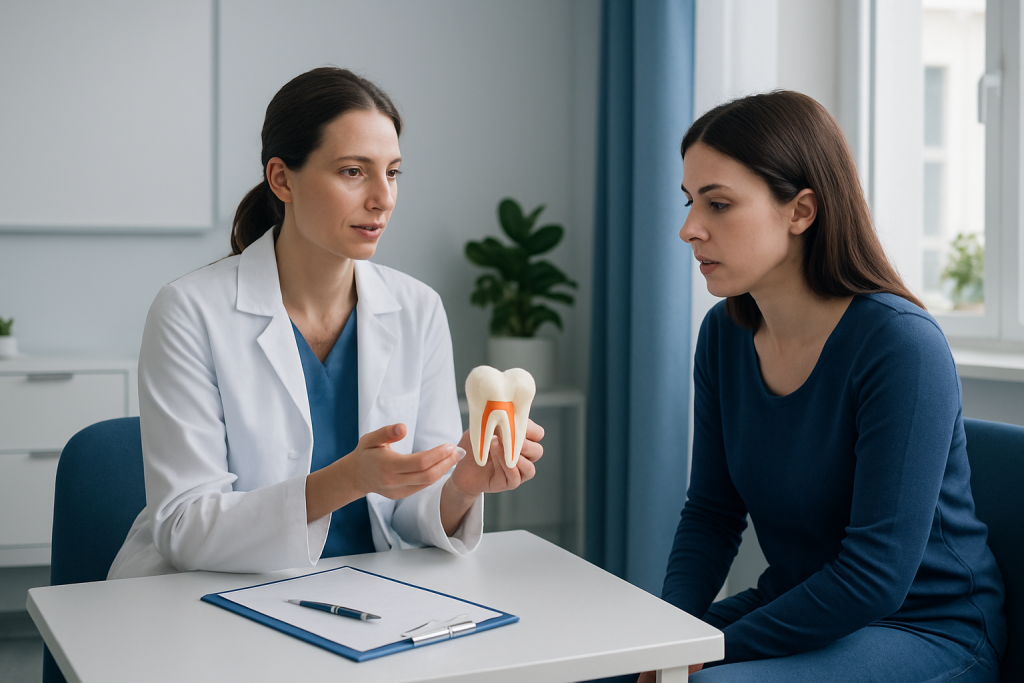
Temporary dental filling materials are designed to be easy to place and remove. They are generally softer and less durable than permanent filling materials used in dental clinics. This makes them useful for short-term coverage, but it also means they can wear down, loosen, or fall out more easily with chewing, grinding, or sticky foods.
Because these materials are temporary, they are not intended to restore full tooth strength or lasting function. A temp dental filler usually cannot recreate the exact shape of the tooth, correct a bite accurately, or stop decay from progressing over time. If the area underneath is infected or deeply damaged, symptoms may continue despite the temporary cover.
Patients should also know that not every tooth problem is suitable for temporary filling. Deep cracks, broken cusps, severe toothache, trauma, facial swelling, or a loose tooth need professional evaluation rather than home management. In some cases, the right treatment may be a new filling; in others, it could involve dental fillings, a crown, root canal treatment, or extraction depending on the tooth condition.
For this reason, temporary filler is best viewed as a practical support measure. It may protect the tooth for a short period, but it should not delay proper diagnosis. If the tooth problem is related to infection or deep decay, conditions such as tooth decay can worsen if treatment is postponed for too long.
Symptoms that suggest the tooth needs assessment
Many patients notice sensitivity first. The tooth may react sharply to cold drinks, sweet foods, or air when breathing through the mouth. There may also be a rough sensation from a missing filling, food getting trapped in a small hole, or discomfort when biting.
Some warning signs suggest the problem may be more than a simple lost filling. These include lingering pain after hot or cold exposure, pain that wakes a person at night, discomfort when chewing, or pain that seems to spread to the jaw or ear. These patterns can point to deeper inflammation inside the tooth or a fracture that needs clinical attention.
Changes around the gums are also important. Swelling, redness, a pimple-like bump on the gum, a bad taste, or persistent bad breath may indicate infection. In some cases, pain improves after a period of severe aching, but that does not always mean the tooth has healed; it can also happen when the nerve inside the tooth is no longer healthy.
If a patient also has jaw stiffness, facial swelling, fever, or generally feels unwell, urgent assessment is advisable. A dentist may need to look for deeper infection, an abscess, or another cause requiring timely treatment such as root canal treatment.
How dentists diagnose the problem
Diagnosis starts with a discussion of symptoms and timing. The dentist will usually ask when the filling came out or the tooth chipped, what triggers the pain, whether the discomfort is brief or lingering, and whether there has been swelling, trauma, or previous treatment on the same tooth. This history helps narrow down whether the issue is likely related to sensitivity, decay, fracture, or inflammation of the dental pulp.
The clinical examination typically includes inspection of the tooth, gums, and bite. The dentist may check for a visible hole, softened tooth structure, fracture lines, gum irritation, or a restoration that has loosened. Tapping the tooth gently or checking the bite can provide clues about inflammation or a crack.
Dental imaging is often helpful, especially if symptoms are ongoing or the damage is not fully visible from the outside. X-rays may show decay beneath an old filling, infection around the tooth root, bone changes, or hidden fractures. This is why a tooth that seems to need only temporary coverage may still require a more involved repair.
Once the cause is identified, the dentist can recommend the most suitable treatment. Depending on the findings, this may involve replacing the filling, repairing a chip, protecting the tooth with a crown, or treating infection. In more complex cases, evaluation by a multidisciplinary dental team may be helpful, especially if previous restorations or structural tooth loss are present.
Treatment options after temporary protection
The next step after a temp dental filler depends on why the tooth needed protection in the first place. If the issue is a simple lost filling and the tooth remains structurally sound, the dentist may clean the area and place a new permanent filling. If there is deeper decay or a large weak area, a stronger restoration may be recommended.
When a tooth has significant damage, a crown may be needed to restore strength and shape. A crown covers the visible part of the tooth and may be advised if a filling alone would not provide enough support. This is especially relevant when there is a large old filling, a fracture, or substantial tooth loss; in such cases, dental crowns may offer better long-term protection.
If the nerve inside the tooth is inflamed or infected, treatment is different. The dentist may recommend root canal treatment to remove infected tissue and preserve the tooth structure when possible. If the tooth cannot be restored safely, removal may be discussed, followed by options to replace the missing tooth if appropriate.
Patients who have repeated breakage, extensive decay, or damage affecting multiple teeth may need a broader restorative plan rather than a single repair. Toward the end of the care pathway, centers such as Acibadem International may support international patients through multidisciplinary assessment in JCI-accredited hospitals when dental and related specialist input is needed.
Self-care while waiting for a dental appointment
While waiting to be seen, careful self-care can help protect the tooth and reduce irritation. Gentle brushing with a soft toothbrush, cleaning between the teeth if it is comfortable, and rinsing the mouth after meals may help keep the area cleaner. It is best to avoid poking the tooth with sharp objects or repeatedly pressing on the exposed area.
Patients may find it helpful to choose softer foods and chew on the opposite side of the mouth if possible. Very hard, sticky, or chewy foods can dislodge temporary material or worsen cracks. Very hot, cold, or sugary foods may also trigger sensitivity, so limiting these can improve comfort until treatment.
A temporary product should be used only as directed on its packaging or by a dental professional. If the material falls out repeatedly, the tooth is painful, or the bite feels uneven, it is wiser to contact a dentist than to keep replacing it without an examination. Long delays may allow hidden decay or fracture to progress.
Good preventive habits remain important after the tooth is repaired. Daily brushing with fluoride toothpaste, regular flossing or interdental cleaning, and routine dental checkups can lower the chance of future filling loss and new decay. This is particularly important for people who clench or grind their teeth, have dry mouth, or frequently consume sugary snacks or drinks.
When to seek medical care
A prompt dental appointment is appropriate any time a filling falls out, a tooth chips, or a temporary filler is needed for comfort. Even if pain is mild, the tooth should still be assessed because an exposed area can trap food, become more sensitive, or weaken further over time.
Urgent care is more important if there is severe or worsening pain, swelling of the gums or face, bleeding that does not settle, fever, pus, or a bad taste coming from the area. Trouble opening the mouth, swallowing, or breathing should be treated as urgent medical concerns because they may suggest spreading infection.
Care should also be sought sooner if the tooth was damaged by trauma, if a large piece of tooth has broken off, or if the patient has underlying health conditions that may affect healing or infection risk. These can include immune suppression, recent major medical treatment, or certain heart conditions where dental infections may be more concerning.
If symptoms persist after temporary protection, worsen, or keep returning, the patient should not rely on repeated short-term fixes. A qualified dentist or doctor can identify the cause and recommend the safest long-term treatment plan.
Frequently asked questions
Is temp dental filler a permanent fix?
No. Temp dental filler is meant for short-term protection only. A dentist still needs to examine the tooth and decide whether it needs a permanent filling, crown, root canal treatment, or another repair.
Can a temporary dental filler help with pain?
It may help reduce sensitivity by covering an exposed part of the tooth. However, if pain is strong, lingers, or is accompanied by swelling, the cause may be deeper and should be assessed by a dentist.
How long can a temp dental filler stay in place?
That depends on the material and the condition of the tooth. In general, it should be viewed as a brief bridge to professional care rather than something to rely on for weeks or months.
What should be avoided after placing temporary filler?
Hard, sticky, and very chewy foods are best avoided because they can dislodge the material. Patients may also feel more comfortable avoiding very hot, cold, or sugary foods if the tooth is sensitive.
Do all lost fillings need a dentist visit?
Yes, it is best to arrange a dental visit even if the tooth is not very painful. A lost filling can expose decay, weaken the tooth, and increase the risk of fracture or infection.
When is a temporary tooth problem an emergency?
Urgent assessment is important if there is facial swelling, fever, severe pain, pus, or trouble swallowing or breathing. These symptoms can suggest infection or another complication that should not wait.
References
- American Dental Association
- National Institute of Dental and Craniofacial Research
- Mayo Clinic
- National Health Service
- Cleveland Clinic
This article is for general information only and is not a substitute for professional medical advice. Please consult a qualified doctor about your individual situation.
Explore treatments in Turkey — costs, top hospitals & a free quote
JCI-accredited · board-certified surgeons · reply within 24h
Add us as a Preferred Source to see more of our trusted health content across Google Search, AI Overviews and Discover.