Understanding Celiac Disease: A Complete Patient Guide

Celiac disease is not the same as a wheat allergy or non-celiac gluten sensitivity. Symptoms can affect digestion, energy, mood, growth, skin, and bone health.
Key Takeaways
- Celiac disease is not the same as a wheat allergy or non-celiac gluten sensitivity.
- Symptoms can affect digestion, energy, mood, growth, skin, and bone health.
- Diagnosis usually involves blood tests and often an upper endoscopy with biopsy.
- People should keep eating gluten until testing is completed unless a doctor advises otherwise.
- The main treatment is a lifelong strict gluten-free diet with follow-up medical care.
- Untreated celiac disease can lead to nutrient deficiencies and other health problems.
Celiac disease is a long-term autoimmune condition in which eating gluten triggers damage to the lining of the small intestine. With accurate diagnosis and a strict gluten-free diet, most people can protect their intestines, improve symptoms, and reduce the risk of complications.
Overview: what celiac disease is and why it matters
Celiac disease is an autoimmune condition. When a person with celiac disease eats gluten, the immune system reacts abnormally and damages the villi, the tiny finger-like structures lining the small intestine. These structures help absorb nutrients, so ongoing injury can affect digestion, energy levels, growth, bone strength, and general health.
Gluten is a protein found in wheat, barley, and rye. Even small amounts can trigger intestinal damage in people with celiac disease. Some people develop clear digestive symptoms, while others have signs that seem unrelated to the gut, such as anemia, fatigue, mouth ulcers, skin rash, or fertility concerns.
Celiac disease is different from a wheat allergy and different from non-celiac gluten sensitivity. A wheat allergy is an allergic reaction involving the immune system in a different way, sometimes causing hives or breathing symptoms. Non-celiac gluten sensitivity can cause discomfort after eating gluten, but it does not produce the same autoimmune intestinal injury seen in celiac disease.
How celiac disease can feel: symptoms and possible complications
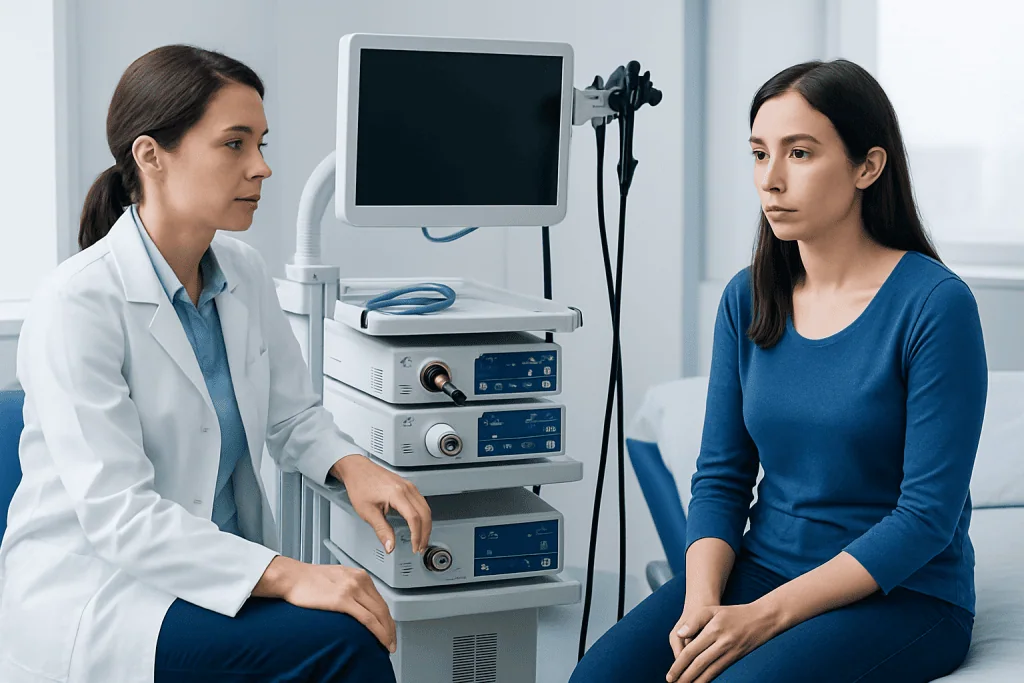
The symptoms of celiac disease vary widely. Some people have classic digestive symptoms such as diarrhea, bloating, gas, abdominal pain, nausea, constipation, or greasy stools. Others have milder or intermittent symptoms, which can make the condition harder to recognize.
Many people have non-digestive symptoms. These may include tiredness, iron-deficiency anemia, headaches, difficulty concentrating, depression, tingling in the hands or feet, joint pain, unexplained weight loss, delayed growth in children, or weak bones. A very itchy blistering skin rash called dermatitis herpetiformis is also strongly linked to celiac disease.
If celiac disease is not treated, poor absorption of nutrients can lead to complications over time. These may include low levels of iron, folate, vitamin B12, or vitamin D; osteopenia or osteoporosis; fertility problems; poor growth in children; and ongoing inflammation of the intestine. Some people also have other autoimmune conditions, so doctors may look for related health issues when needed.
- Common digestive symptoms: bloating, diarrhea, constipation, abdominal pain
- Common non-digestive symptoms: fatigue, anemia, mouth ulcers, skin rash
- Possible long-term effects: bone loss, nutrient deficiencies, weight changes, poor growth
Why it develops: causes and risk factors

Celiac disease develops through a combination of genetic and environmental factors. Most people with the condition carry certain immune-related genes, called HLA-DQ2 or HLA-DQ8. However, having these genes does not mean a person will definitely develop the disease; many people carry them and never become ill.
The immune reaction begins when gluten is eaten. In susceptible people, this exposure prompts the immune system to attack the small intestine. Researchers believe other factors may influence when the disease appears, such as family history, other autoimmune diseases, and possibly infections or changes in the gut environment.
Risk is higher in first-degree relatives of someone with celiac disease and in people with conditions such as type 1 diabetes, autoimmune thyroid disease, Down syndrome, and some other autoimmune disorders. Because symptoms can be subtle, doctors may suggest screening in higher-risk groups even if digestive complaints are limited.
Getting the right diagnosis
Diagnosis starts with a careful medical history, symptom review, and blood tests. The most commonly used tests look for antibodies linked to celiac disease, often tissue transglutaminase IgA and total IgA. In some situations, additional antibody tests are used, especially in young children or in people with IgA deficiency.
It is important for a person to keep eating gluten before and during testing unless a doctor advises otherwise. Starting a gluten-free diet too early can make blood tests and biopsies look normal even when celiac disease is present, which can delay or confuse diagnosis.
Many adults need an upper endoscopy so the doctor can take small tissue samples from the small intestine. These biopsies help confirm intestinal damage and rule out other causes of symptoms. Genetic testing can be helpful in selected cases, especially when the diagnosis is uncertain or when someone has already stopped eating gluten. Evaluation may also include blood work for anemia, vitamin deficiencies, liver tests, and sometimes bone assessment. If endoscopic evaluation is needed, a specialist may recommend endoscopy as part of the diagnostic process.
Treatment and long-term follow-up
The main treatment for celiac disease is a lifelong strict gluten-free diet. This means avoiding foods and ingredients made with wheat, barley, and rye. Some people can safely eat pure oats, but oats should be introduced only if they are certified gluten-free and a doctor or dietitian agrees, because cross-contact during processing is common.
Healing takes time. Symptoms may improve within weeks for some people, while complete intestinal recovery can take longer. Follow-up care is important to review symptoms, repeat antibody tests, check nutrition, and look for associated conditions. A registered dietitian with experience in celiac disease can help identify hidden sources of gluten and build a balanced eating plan.
Treatment also includes correcting any nutritional deficiencies and managing complications such as anemia or low bone density. In rare cases, symptoms continue despite a gluten-free diet, and doctors may look for ongoing gluten exposure, another digestive condition, or uncommon forms of persistent celiac disease. Depending on symptoms, assessment by specialists in gastroenterology may help guide follow-up and recovery.
Because digestive symptoms can overlap with other disorders, doctors sometimes evaluate for related conditions such as Crohn's disease or lactose intolerance when symptoms do not improve as expected.
Living well with celiac disease: daily habits, nutrition, and self-care
Living with celiac disease often becomes easier once a person learns where gluten can appear. In addition to bread, pasta, and baked goods, gluten may be present in sauces, soups, marinades, processed meats, snack foods, supplements, and some medications. Reading labels carefully and asking questions when eating out are important parts of daily care.
Preventing cross-contact matters just as much as choosing gluten-free foods. A separate toaster, clean cutting boards, and careful storage at home can reduce accidental exposure. Family members and caregivers often benefit from learning simple kitchen routines that support safe meals without making everyday life feel overly restrictive.
Nutrition should stay balanced, not just gluten-free. Some packaged gluten-free products are low in fiber or higher in sugar and fat. A diet centered on naturally gluten-free foods such as fruits, vegetables, beans, eggs, dairy, fish, meat, rice, corn, potatoes, and quinoa can support healing and long-term health. If symptoms or weight changes continue, doctors may refer a patient for nutrition and diet support.
- Choose naturally gluten-free whole foods whenever possible
- Check labels for wheat, barley, rye, and hidden sources of gluten
- Prevent cross-contact in shared kitchens
- Attend follow-up appointments and repeat recommended blood tests
When to seek medical care
Medical advice is important if a person has ongoing digestive symptoms, unexplained anemia, frequent bloating, chronic diarrhea or constipation, weight loss, persistent fatigue, or a strong family history of celiac disease. Children should also be assessed if they have poor growth, delayed puberty, irritability, or recurrent abdominal pain.
A person already diagnosed with celiac disease should contact a doctor if symptoms return, do not improve after starting a gluten-free diet, or if there are signs of nutritional problems such as worsening tiredness, bone pain, numbness, or ongoing weight loss. These issues do not always mean severe disease, but they deserve proper evaluation.
Urgent medical care is appropriate for severe dehydration, fainting, significant bleeding, intense abdominal pain, or signs of a serious allergic reaction after eating. Near the end of the care pathway, some patients may seek multidisciplinary assessment; Acibadem International’s JCI-accredited hospitals and specialist teams diagnose and treat celiac disease and related digestive conditions for international patients.
Frequently asked questions
Can celiac disease develop later in life?
Yes. Celiac disease can appear at any age, including adulthood, even if someone previously ate gluten without obvious problems. Symptoms may begin after a trigger or may become noticeable only when intestinal damage has progressed.
Is celiac disease the same as gluten intolerance?
Not exactly. Celiac disease is an autoimmune disease that damages the small intestine when gluten is eaten. The term gluten intolerance is often used informally and may refer to non-celiac gluten sensitivity, which does not cause the same intestinal injury.
Do people with celiac disease need to avoid gluten forever?
Yes. The standard treatment is a lifelong strict gluten-free diet. Even when symptoms improve, eating gluten again can restart intestinal damage and increase the risk of complications.
Can celiac disease be diagnosed without a biopsy?
Sometimes, but not always. In many adults, an upper endoscopy with small-bowel biopsy is still recommended to confirm the diagnosis. In some children with very strong blood test results and a compatible clinical picture, specialists may diagnose it without biopsy under guideline-based criteria.
What foods contain gluten?
Gluten is found in wheat, barley, and rye. It can also appear in breads, pasta, cereals, baked goods, sauces, soups, beer, and many processed foods, so label reading is important.
Can symptoms continue even after starting a gluten-free diet?
Yes. Healing can take time, and some symptoms improve more slowly than others. Ongoing symptoms may be due to accidental gluten exposure, lactose intolerance, another digestive condition, or less commonly persistent intestinal inflammation, so medical follow-up is helpful.
References
- National Institute of Diabetes and Digestive and Kidney Diseases
- American College of Gastroenterology
- National Institute for Health and Care Excellence
- European Society for Paediatric Gastroenterology Hepatology and Nutrition
- Celiac Disease Foundation
This article is for general information only and is not a substitute for professional medical advice. Please consult a qualified doctor about your individual situation.
Celiac Disease in Turkey — costs, top hospitals & a free quote
JCI-accredited · board-certified surgeons · reply within 24h
Add us as a Preferred Source to see more of our trusted health content across Google Search, AI Overviews and Discover.

Gastroenterology
Diagnosis and treatment of the digestive system and liver, with advanced endoscopy.
46 specialists in this unitMore from the Health Library



Related Specialists
Prof. Dr. Aziz Kaya Alturfan
Orthopedic Surgery & Traumatology
Dr. Edip Yılmaz
Orthopedic Surgery & Traumatology
Dr. Halil Ertürk
Internal Medicine
Dr. Ufuk Güngör
Physical Medicine & Rehabilitation