

Manic: An Evidence-Based Guide for Patients

Manic symptoms are more intense and disruptive than normal happiness, motivation, or productivity. Common signs include less need for sleep, rapid speech, racing thoughts, impulsive behavior, and inflated confidence.
Key Takeaways
- Manic symptoms are more intense and disruptive than normal happiness, motivation, or productivity.
- Common signs include less need for sleep, rapid speech, racing thoughts, impulsive behavior, and inflated confidence.
- Mania is often linked with bipolar disorder, but medical conditions, substances, and some medications can also trigger similar symptoms.
- Diagnosis involves a clinical assessment, medical history, and sometimes tests to rule out other causes.
- Treatment may include medication, psychotherapy, sleep stabilization, and support for daily routines and safety.
- Urgent medical care is important if there is risk of self-harm, psychosis, severe agitation, or inability to care for basic needs.
Manic describes a period of unusually elevated or irritable mood, increased energy, and changes in sleep, thinking, and behavior that go beyond ordinary stress or enthusiasm. A manic episode is a medical condition that should be assessed by a qualified clinician because timely treatment can improve safety, functioning, and long-term health.
Overview: what manic means
Manic refers to a state in which a person has an unusually elevated, expansive, or irritable mood together with increased energy or activity. It is not simply feeling very happy, confident, or productive. In a manic episode, changes in mood and behavior are strong enough to affect judgment, relationships, work, school, finances, or personal safety.
People may use the word casually, but in medicine mania has a specific meaning. A person who is manic may talk more than usual, sleep very little without feeling tired, take unusual risks, spend impulsively, or become easily distracted. Some people also develop psychotic symptoms, such as beliefs that are not based in reality.
Mania is most commonly associated with bipolar disorder, especially bipolar I disorder. However, similar symptoms can also appear with certain medications, alcohol or drug use, neurological illness, thyroid problems, or other medical conditions. Because the causes can differ, a careful evaluation is important.
Symptoms and how mania may appear
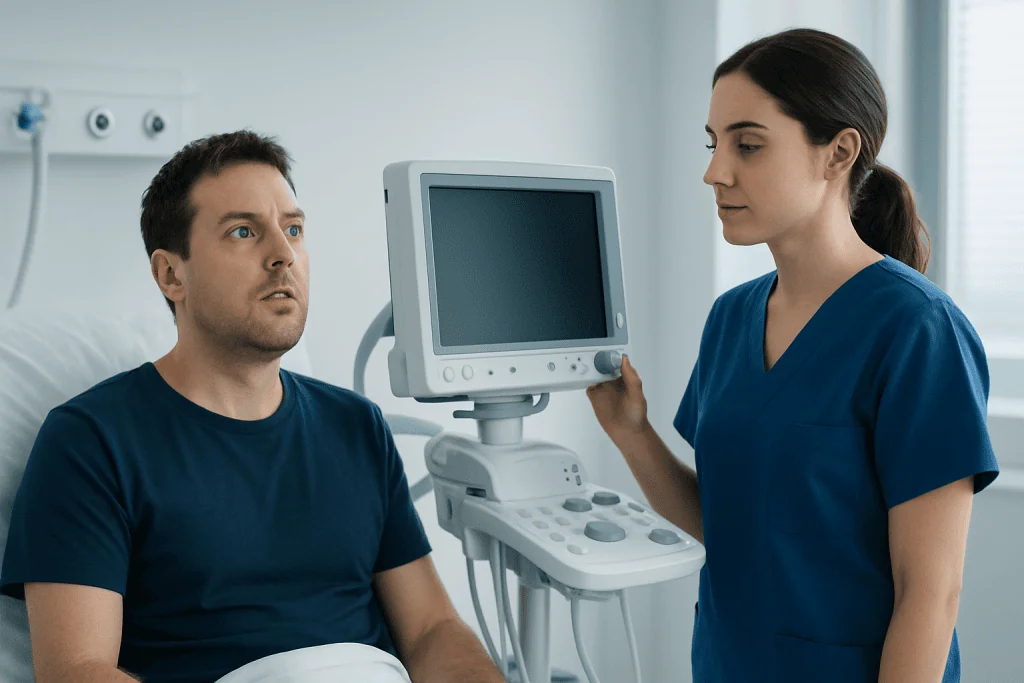
Manic symptoms can look different from person to person, but they generally involve a marked change from the person’s usual mood, energy, and behavior. The change may develop over days or become more noticeable over a shorter period. Family members often recognize the shift before the person does.
Common features of a manic episode include:
- Feeling unusually euphoric, overly cheerful, or intensely irritable
- Having much more energy than usual
- Needing far less sleep without feeling tired
- Talking quickly or more than usual
- Racing thoughts or jumping rapidly between ideas
- Being easily distracted
- Feeling unusually important, powerful, or invincible
- Taking risks, such as overspending, reckless driving, unsafe sex, or impulsive business decisions
- Becoming agitated, argumentative, or restless
In more severe cases, mania can involve psychosis. A person may hear or see things that others do not, or hold fixed beliefs that are unrealistic or clearly false. These symptoms need urgent medical attention because they can increase the risk of harm and make it harder for the person to recognize that help is needed.
A related but milder state is called hypomania. Hypomania also involves elevated or irritable mood and increased energy, but symptoms are less severe and do not cause the same level of impairment. Even so, hypomania still deserves medical assessment because it can be part of bipolar spectrum illness and may progress.
Causes and risk factors

There is no single cause of mania. In many people, it is part of an underlying mood disorder, most often bipolar disorder. Biological factors, including genetics and changes in brain chemistry, appear to play an important role. A family history of bipolar disorder or other mood disorders can increase risk, though not everyone with a family history develops symptoms.
Sleep disruption is a common trigger. Missing sleep for several nights, working irregular shifts, long-distance travel, or high levels of stress may contribute to the onset of manic symptoms in vulnerable individuals. Important life changes, emotional stress, and overstimulation can also play a role.
Some substances and medications can trigger mania or symptoms that resemble it. Examples include stimulants, cocaine, excessive alcohol use, cannabis in some people, and certain prescription medicines such as corticosteroids or some antidepressants. That is why clinicians often ask detailed questions about medications, supplements, and substance use.
Medical causes should also be considered, especially when symptoms appear for the first time later in life or begin suddenly. Thyroid disease, sleep disorders, head injury, neurological illness, and some infections can affect mood and behavior. In selected cases, doctors may evaluate related neurological conditions and use tools such as brain MRI if the history suggests a structural or neurological cause.
How doctors diagnose mania
Diagnosis begins with a clinical interview. A doctor or mental health professional asks about mood changes, sleep, energy, thinking, behavior, work or school functioning, and any history of depression or previous episodes. Information from a trusted family member or partner can be especially helpful, because people in a manic state may not fully recognize the severity of their symptoms.
The clinician also reviews medical history, current medications, alcohol and drug use, and any physical symptoms that could suggest another cause. They may ask about safety concerns, including impulsive actions, aggression, psychotic symptoms, or thoughts of self-harm. The goal is to understand both the likely cause and the level of immediate risk.
There is no single lab test that confirms mania. However, blood tests may be ordered to look for contributing medical issues, such as thyroid dysfunction, metabolic problems, or substance-related effects. In some situations, further evaluation may be needed to rule out neurological or endocrine disorders. If there are concerning symptoms such as confusion, seizures, head trauma, or new neurological findings, doctors may consider specialist assessment in areas such as neurology or psychiatry.
To meet formal criteria for a manic episode, symptoms generally need to represent a clear change from the person’s usual state and be severe enough to impair daily functioning or require hospital care. A thorough diagnosis matters because treatment differs depending on whether the symptoms are due to bipolar disorder, another psychiatric illness, medication effects, or a general medical condition.
Treatment options and recovery
Treatment depends on symptom severity, safety needs, and the underlying cause. When symptoms are severe, hospital treatment may be recommended to stabilize sleep, protect safety, and begin effective therapy. This can be especially important if there is psychosis, inability to care for oneself, extreme agitation, or risky behavior.
Medication is often a core part of treatment. Doctors may use mood-stabilizing medicines, antipsychotic medicines, or both, depending on the situation. If a medication or substance appears to have triggered symptoms, the treatment plan may include safely stopping or changing that trigger under medical supervision. Because the right plan varies by person, it is important not to start, stop, or adjust psychiatric medicines without a doctor’s advice.
Psychotherapy and structured support are also important during recovery and longer-term management. Therapy can help a person recognize early warning signs, strengthen daily routines, improve sleep habits, and reduce stress. Family education is often useful because loved ones can help notice changes in mood, support treatment adherence, and respond early if symptoms return.
Many people improve with proper care, though recovery can take time. Follow-up appointments help doctors monitor response, adjust medication if needed, and watch for shifts into depression or recurrent mood episodes. At centers that care for international patients, such as Acibadem International, multidisciplinary specialists in JCI-accredited hospitals assess and treat conditions including bipolar disorder with coordinated psychiatric and medical support.
Prevention and self-care between episodes
For people who have had mania or hypomania before, prevention focuses on reducing triggers and recognizing early changes. Consistent sleep is one of the most important protective habits. Going to bed and waking up at regular times, limiting overnight stimulation, and getting help for sleep problems can support mood stability.
Other helpful self-care steps include taking prescribed medicines consistently, avoiding alcohol and recreational drugs, keeping regular meals, and managing stress in healthy ways. Some people benefit from tracking mood, sleep, and energy in a journal or app. This can make subtle warning signs easier to spot before symptoms escalate.
Family and close friends can be part of a practical plan. It may help to agree in advance on what warning signs to watch for and what steps to take if they appear. Examples include contacting the treating doctor, reducing stimulating activities, protecting finances, and limiting driving if judgment seems impaired.
Self-care supports treatment, but it does not replace professional care. If symptoms begin to build despite good routines, early medical review may prevent a full episode. People with repeated mood episodes may also be evaluated for related conditions that can affect symptoms, such as depression or sleep disorders.
When to seek medical care
Medical assessment is appropriate whenever a person seems manic for the first time, especially if behavior is clearly different from usual or is interfering with daily life. A prompt evaluation is also important if symptoms follow a new medication, substance use, serious sleep loss, a head injury, or a major change in physical health.
Urgent care is needed if there is severe agitation, aggressive behavior, psychosis, inability to sleep for a prolonged period, inability to care for basic needs, or dangerous impulsive decisions. Emergency help is also necessary if there are thoughts of self-harm, suicidal thinking, or a risk of harming others. In these situations, staying with the person and seeking immediate professional support is safest.
It can be difficult to persuade someone in a manic state to accept help, because they may feel unusually confident or deny that anything is wrong. Loved ones can help by remaining calm, avoiding arguments, removing obvious dangers when possible, and contacting a doctor, mental health crisis service, or emergency services if safety is at risk.
Frequently asked questions
What does manic mean in medical terms?
In medical terms, manic describes a state of abnormally elevated or irritable mood along with increased energy or activity. It is more than a personality trait or a good mood because it can impair judgment, disrupt daily life, and sometimes require urgent treatment.
Is being manic the same as having bipolar disorder?
Not always, but mania is strongly associated with bipolar disorder, especially bipolar I disorder. Similar symptoms can also be triggered by substances, medications, or medical conditions, so a professional evaluation is needed to determine the cause.
How is mania different from hypomania?
Hypomania involves similar symptoms, such as increased energy, reduced need for sleep, and elevated or irritable mood, but it is less severe than mania. Mania causes greater impairment and may involve psychosis or a need for hospital treatment.
Can lack of sleep make someone manic?
Sleep loss can be an important trigger, particularly in people who are vulnerable to bipolar mood episodes. While not every person with poor sleep becomes manic, major sleep disruption can worsen symptoms and should be taken seriously.
Can mania go away without treatment?
Symptoms may change over time, but untreated mania can lead to serious problems with safety, relationships, work, finances, and physical health. Professional care is important because treatment can reduce risks, shorten episodes, and help prevent recurrence.
What should family members do if someone seems manic?
Family members can stay calm, reduce overstimulation, encourage medical evaluation, and watch for signs of danger such as psychosis, reckless behavior, or suicidal thinking. If the person is unsafe or unable to care for themselves, urgent medical or emergency help is appropriate.
References
- National Institute of Mental Health
- American Psychiatric Association
- National Alliance on Mental Illness
- Mayo Clinic
- World Health Organization
This article is for general information only and is not a substitute for professional medical advice. Please consult a qualified doctor about your individual situation.
Explore treatments in Turkey — costs, top hospitals & a free quote
JCI-accredited · board-certified surgeons · reply within 24h
Add us as a Preferred Source to see more of our trusted health content across Google Search, AI Overviews and Discover.

More from the Health Library



Related Specialists

Dr. Zehra Elban
Acibadem Life Clinical Service
Dt. Ayşe Nur Gümüş
Oral & Dental Health
Dr. Abdulkadir Kırkgöz
Pediatrics
Dr. Mehmet Fatih Korkmaz
General Surgery