Bowel Obstruction: An Evidence-Based Guide for Patients

Bowel obstruction means the small or large intestine is partly or completely blocked. Common symptoms include cramping abdominal pain, bloating, vomiting, and trouble passing stool or gas.
Key Takeaways
- Bowel obstruction means the small or large intestine is partly or completely blocked.
- Common symptoms include cramping abdominal pain, bloating, vomiting, and trouble passing stool or gas.
- Scar tissue from prior surgery, hernias, tumors, inflammation, and severe constipation are common causes.
- Diagnosis usually involves a physical exam, blood tests, and imaging such as X-ray or CT scan.
- Treatment depends on the cause and may include IV fluids, bowel rest, a tube to relieve pressure, or surgery.
- Severe pain, persistent vomiting, fever, or a swollen abdomen are reasons to seek urgent medical care.
Bowel obstruction is a blockage that prevents food, fluid, and gas from moving normally through the intestines. It can become serious quickly, but early diagnosis and treatment often help prevent complications and support recovery.
Overview
Bowel obstruction is a blockage in the intestine that stops or slows the normal movement of food, liquid, and gas. It may affect the small intestine or the large intestine, and it can be partial or complete. Because the bowel cannot move its contents forward normally, pressure can build up and the intestine may become stretched, inflamed, or less able to receive healthy blood flow.
This condition is not the same as occasional constipation or a mild digestive upset. A true bowel obstruction often causes ongoing symptoms such as cramping pain, vomiting, abdominal swelling, and difficulty passing gas or stool. In some cases, the bowel is physically blocked. In others, the bowel may stop moving normally even though there is no solid blockage; this is sometimes called ileus.
Prompt assessment matters because untreated bowel obstruction can lead to dehydration, infection, or damage to the intestine. At the same time, many people recover well when the cause is identified early and treated appropriately. Understanding the warning signs can help patients know when to seek timely care.
Symptoms and warning signs
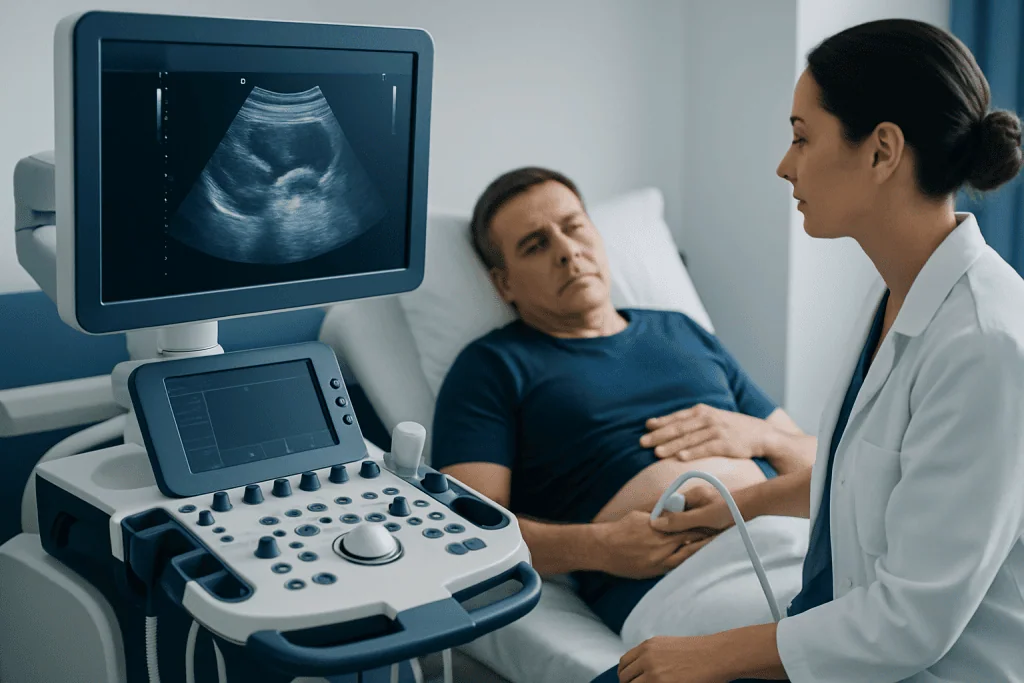
The symptoms of bowel obstruction can vary depending on where the blockage is, whether it is partial or complete, and how quickly it developed. Pain is often cramp-like and may come in waves at first. As pressure builds, the abdomen may feel tight or look swollen.
Common symptoms include:
- Abdominal pain or cramping
- Bloating or a visibly distended abdomen
- Nausea and vomiting
- Inability to pass gas
- Constipation or inability to have a bowel movement
- Loud bowel sounds early on, or reduced sounds later
- Loss of appetite
Symptoms may be different in a partial blockage, where some stool or gas can still pass. A complete obstruction more often causes severe constipation, increasing abdominal swelling, and repeated vomiting. Vomit may become green or brownish if bowel contents back up.
Some warning signs suggest a more urgent problem, such as loss of blood supply to the bowel or a perforation. These include constant severe pain, fever, rapid heartbeat, marked tenderness, faintness, or blood in the stool. These symptoms need urgent medical attention.
Causes and risk factors
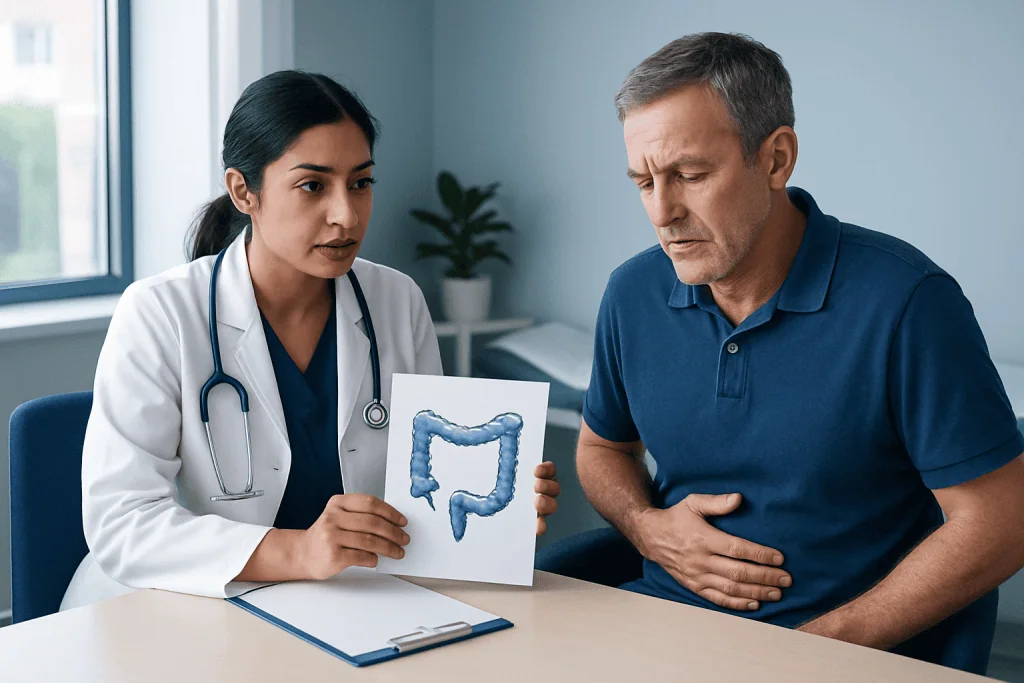
Bowel obstruction has many possible causes. In adults, small bowel obstruction is often linked to scar tissue, also called adhesions, that can form after abdominal or pelvic surgery. Hernias can also trap part of the intestine. Large bowel obstruction is more commonly associated with tumors, twisting of the bowel, or severe narrowing.
Other causes can include inflammation from conditions such as Crohn’s disease, severe constipation with hard stool, volvulus (twisting of the bowel), intussusception, diverticular narrowing, or less commonly gallstones that enter the intestine. Some patients have a motility problem rather than a physical blockage, meaning the bowel does not contract and move properly.
Risk factors include previous abdominal surgery, a history of hernia, inflammatory bowel disease, abdominal or pelvic cancer, radiation therapy, older age, and some neurological or metabolic illnesses. Certain medicines may also slow bowel function and contribute to symptoms in some people.
Children can also develop bowel obstruction, but the causes differ somewhat from adults. Because symptoms overlap with many other digestive complaints, a medical evaluation is important instead of assuming the problem is simple constipation or a stomach infection.
How bowel obstruction is diagnosed
Diagnosis begins with a careful history and physical examination. A doctor will ask about the pain, vomiting, bowel movements, passing gas, prior surgeries, hernias, medications, and any known intestinal disease. During the exam, the abdomen may be inspected for swelling, listened to for bowel sounds, and gently pressed to check for tenderness or signs of peritonitis.
Blood tests can help look for dehydration, infection, inflammation, and electrolyte imbalances. These tests do not confirm obstruction by themselves, but they provide useful clues about the severity of illness and whether the bowel may be under strain.
Imaging is often the key to diagnosis. Abdominal X-rays may show dilated loops of bowel or air-fluid levels, but CT scanning is commonly used because it gives more detail about the site, cause, and seriousness of the blockage. It can also help detect complications such as reduced blood supply, perforation, abscess, or a mass. When needed, clinicians may also use ultrasound or contrast studies, especially in selected patients.
Because several digestive problems can resemble one another, imaging may help distinguish bowel obstruction from conditions such as colon cancer or severe inflammatory disease. Accurate diagnosis helps guide whether treatment can begin conservatively or whether urgent surgery is more likely to be needed.
Treatment options
Treatment depends on the cause, location, and severity of the obstruction, as well as the patient’s overall condition. Most people are treated in hospital because dehydration and electrolyte imbalance can develop quickly. Initial care often includes stopping food and drink by mouth for a period, giving intravenous fluids, and monitoring closely.
If vomiting or pressure in the stomach is significant, a thin tube may be passed through the nose into the stomach to remove fluid and air. This can relieve discomfort and reduce stretching of the bowel. Some partial obstructions improve with bowel rest and supportive care alone, especially if they are caused by adhesions and there are no signs of tissue damage.
Surgery may be needed if the obstruction is complete, if the bowel’s blood supply appears threatened, if there is a perforation, or if symptoms do not improve. The exact procedure depends on the problem and may involve releasing scar tissue, repairing a hernia, removing a tumor, or taking out a damaged segment of bowel. In selected situations, endoscopic approaches such as colonoscopy may help diagnose or relieve a blockage in the large bowel.
When a growth or narrowing is the cause, further specialist treatment may be recommended. Depending on the findings, patients may need evaluation by teams experienced in colon cancer treatment or gastroenterology care. Treatment plans are individualized, and recovery can range from a short hospital stay to longer follow-up if surgery or an underlying disease is involved.
Prevention and self-care
Not all cases of bowel obstruction can be prevented, particularly when scar tissue from prior surgery is involved. Still, some steps may lower the risk of avoidable problems. Following advice for chronic digestive conditions, staying well hydrated, and addressing constipation early can support more regular bowel function.
People with a history of hernia should seek medical review if they notice a new bulge, discomfort, or a hernia that becomes painful or difficult to push back in. Those with inflammatory bowel disease should keep regular follow-up appointments and report worsening symptoms promptly. If a doctor has recommended a particular eating plan after a prior obstruction, following it carefully may help reduce recurrence risk in selected cases.
Self-care should not replace medical assessment when symptoms suggest obstruction. Over-the-counter laxatives, enemas, or home remedies may be unhelpful or unsafe in a true blockage. If there is severe pain, vomiting, or inability to pass stool or gas, it is better to get medical advice before trying to manage the problem at home.
When to seek medical care
Medical care should be sought promptly for symptoms that may point to bowel obstruction. These include ongoing cramping abdominal pain, repeated vomiting, increasing abdominal swelling, or being unable to pass gas or stool. Early assessment can help prevent complications and may allow less invasive treatment when appropriate.
Urgent or emergency care is especially important if there is severe or constant pain, fever, faintness, a fast heartbeat, a rigid or very tender abdomen, or blood in the stool. These features can suggest a more serious problem such as strangulation, infection, or bowel perforation.
After treatment, patients should also contact their doctor if symptoms return, if they cannot keep fluids down, or if recovery seems to stall. For international patients who need specialist assessment, Acibadem International’s multidisciplinary teams in JCI-accredited hospitals diagnose and treat bowel obstruction and its underlying causes with coordinated surgical and gastrointestinal care.
Frequently asked questions
Is bowel obstruction an emergency?
It can be. A bowel obstruction may become dangerous if it cuts off blood flow to part of the intestine or leads to perforation, infection, or severe dehydration. Symptoms such as severe pain, repeated vomiting, a swollen abdomen, or inability to pass gas or stool should be assessed promptly.
Can bowel obstruction go away on its own?
Some partial obstructions improve with hospital-based supportive care such as fluids, bowel rest, and close monitoring. However, it is not safe to assume symptoms will settle without evaluation. A complete obstruction or one with signs of complications usually needs urgent treatment, sometimes including surgery.
What is the difference between constipation and bowel obstruction?
Constipation means bowel movements are infrequent or difficult, but the intestine is not necessarily blocked. Bowel obstruction is a physical or functional blockage that prevents normal passage through the bowel. Obstruction is more likely to cause severe cramping, vomiting, marked bloating, and inability to pass gas.
What causes bowel obstruction after surgery?
After abdominal or pelvic surgery, bands of scar tissue called adhesions can form. These may pull on or kink the intestine, creating a partial or complete blockage. Not everyone with adhesions develops symptoms, but prior surgery is a common risk factor.
How do doctors confirm a bowel obstruction?
Doctors combine symptoms, physical examination, and imaging tests. CT scan is often especially useful because it can show where the blockage is, what is causing it, and whether there are signs of complications. Blood tests also help assess dehydration, infection, and overall stability.
Does every bowel obstruction require surgery?
No. Some patients improve with non-surgical treatment, especially when the obstruction is partial and there are no signs of bowel damage. Surgery is more likely if the blockage is complete, caused by a tumor or trapped hernia, or if the bowel may be losing its blood supply.
References
- National Institute of Diabetes and Digestive and Kidney Diseases
- National Health Service
- American College of Gastroenterology
- Merck Manual Professional Edition
- World Society of Emergency Surgery
This article is for general information only and is not a substitute for professional medical advice. Please consult a qualified doctor about your individual situation.
Persistent digestive symptoms? Get evaluated in Turkey
JCI-accredited · board-certified surgeons · reply within 24h
Add us as a Preferred Source to see more of our trusted health content across Google Search, AI Overviews and Discover.