Orthodontist: A Complete Medical Overview
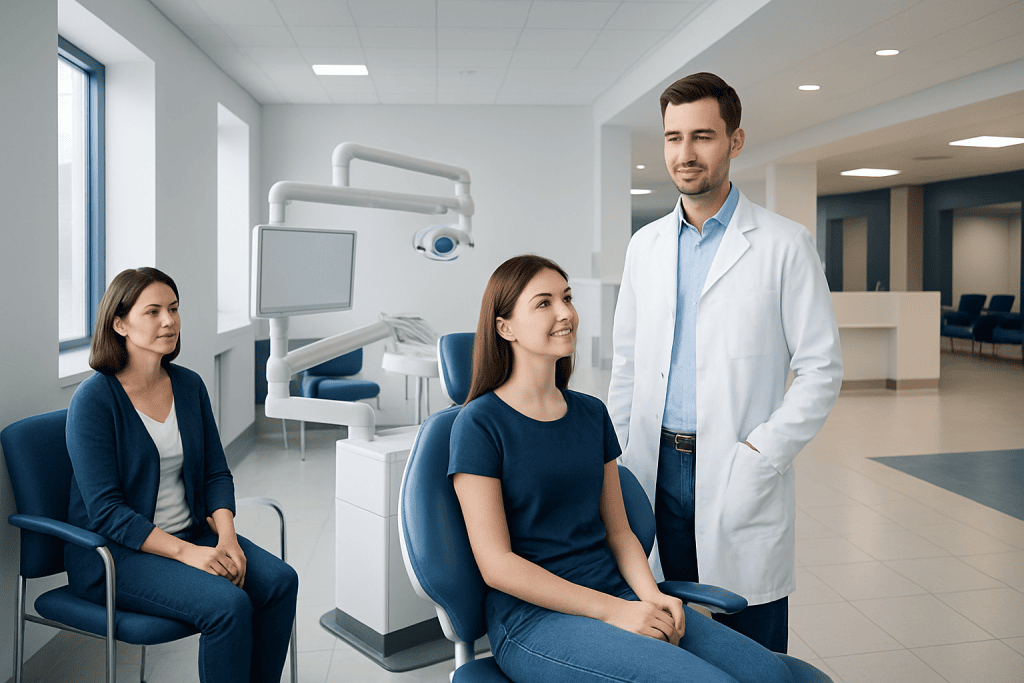
An orthodontist is a dentist with additional specialist training in tooth and jaw alignment. Orthodontic care can improve bite function, oral hygiene, speech, and smile appearance.
Key Takeaways
- An orthodontist is a dentist with additional specialist training in tooth and jaw alignment.
- Orthodontic care can improve bite function, oral hygiene, speech, and smile appearance.
- Common treatments include braces, clear aligners, retainers, and growth-guidance appliances.
- Children, teenagers, and adults can all benefit from orthodontic evaluation and treatment.
- Early assessment may help identify crowding, jaw growth problems, or bite issues before they worsen.
An orthodontist is a dental specialist who corrects problems with tooth position and jaw alignment. They diagnose bite and alignment issues and create treatment plans that may include braces, clear aligners, retainers, or other devices to improve oral function and appearance.
Overview: What an Orthodontist Does
An orthodontist is a dental specialist who focuses on diagnosing, preventing, and treating problems related to the position of the teeth and the alignment of the jaws. In simple terms, an orthodontist helps straighten teeth, improve how the upper and lower teeth fit together, and support better oral function. Many people associate orthodontists mainly with braces, but their role is broader and includes evaluating facial growth, bite balance, and long-term stability.
Orthodontists first complete dental training and then receive additional specialist education in orthodontics. This advanced training helps them manage conditions such as overcrowded teeth, gaps, overbites, underbites, crossbites, open bites, and jaw-related alignment concerns. Treatment planning is individualized, taking into account age, dental health, bone support, facial structure, and the person’s goals.
Orthodontic care is not only cosmetic. Straighter teeth and a more balanced bite can make chewing easier, support clearer speech in some cases, and help with brushing and flossing. When teeth overlap heavily or the bite is significantly misaligned, cleaning can be more difficult, which may increase the risk of tooth decay or gum irritation over time.
Who May Need an Orthodontist
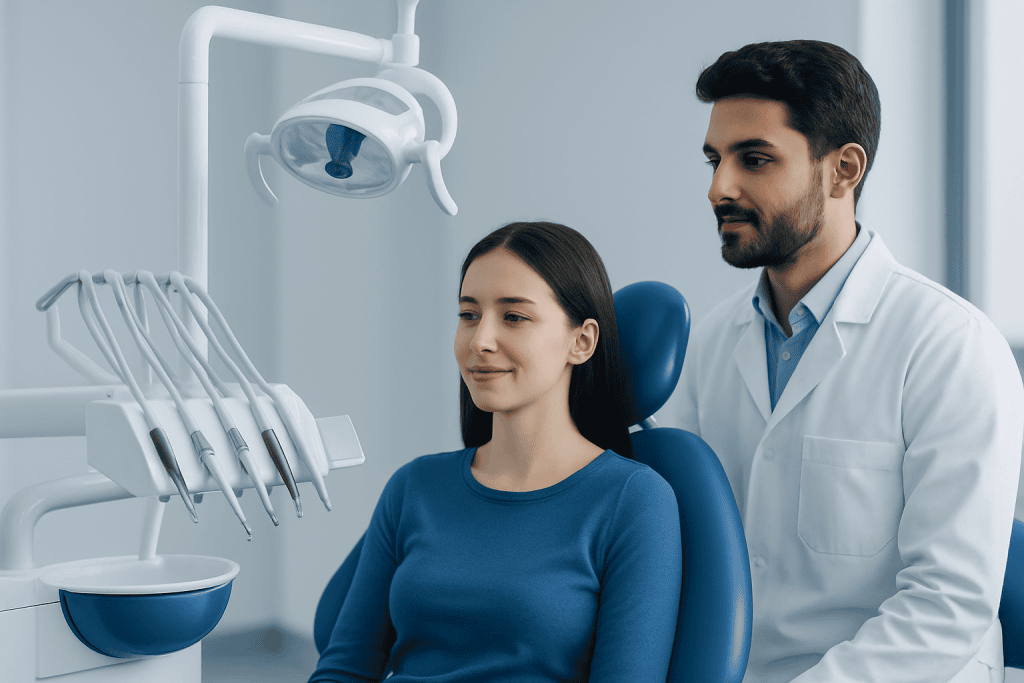
People of many ages may benefit from seeing an orthodontist. Children are often screened while the permanent teeth are beginning to come in, but teenagers and adults also commonly seek orthodontic care. In some cases, early evaluation helps identify developing problems before they become more complex. In others, treatment is delayed until more growth has occurred or until all adult teeth are present.
Common reasons for referral include crooked or crowded teeth, spaces between teeth, difficulty biting or chewing, teeth that do not meet properly, jaw shifting when closing the mouth, and concerns about facial or smile balance. A dentist may also recommend orthodontic assessment if baby teeth are lost very early or very late, if permanent teeth erupt in unusual positions, or if jaw growth appears uneven.
Adults may seek care for long-standing alignment concerns, relapse after earlier braces, or bite problems affecting comfort and function. Orthodontic treatment can also be part of broader dental rehabilitation, for example before restorative work or in cases where specialists are evaluating related concerns such as impacted teeth. When jaw discrepancies are more complex, an orthodontist may work closely with oral and maxillofacial surgeons and other dental professionals.
Common Problems Orthodontists Treat

The most common orthodontic diagnosis is malocclusion, which means the teeth or jaws are not aligned in an ideal way. Malocclusions vary in type and severity. Some involve crowding, where there is not enough room for all teeth. Others involve spacing, protruding front teeth, or an uneven relationship between the upper and lower arches.
Orthodontists commonly treat:
- Overbite: the upper front teeth overlap the lower front teeth more than expected.
- Underbite: the lower teeth or jaw sit in front of the upper teeth.
- Crossbite: some upper teeth bite inside the lower teeth instead of outside.
- Open bite: the upper and lower teeth do not meet properly when the mouth closes.
- Crowding: teeth overlap or twist because space is limited.
- Spacing: there are noticeable gaps between teeth.
Some patients also have impacted teeth, especially upper canines, meaning the tooth does not erupt into the mouth as expected. In addition, jaw growth patterns may contribute to asymmetry or bite imbalance. Related oral health issues may sometimes overlap with conditions affecting the gums or supporting tissues, and these may need separate evaluation, such as periodontal disease.
Orthodontic concerns can sometimes exist alongside tooth wear, jaw discomfort, or airway-related issues, although not all of these problems are caused by tooth alignment alone. A careful examination helps determine what is likely to improve with orthodontic treatment and whether other specialists should also be involved.
How Orthodontists Diagnose Bite and Alignment Issues
Diagnosis begins with a clinical examination. The orthodontist checks tooth position, bite relationship, jaw movement, oral hygiene, gum health, and facial proportions. They may ask about chewing difficulty, speech concerns, thumb-sucking history, mouth breathing, past dental treatment, and any jaw symptoms. This information helps build a complete picture of function as well as appearance.
Records are usually taken to support diagnosis and treatment planning. These may include dental impressions or digital scans, photographs, and dental X-rays. Imaging helps the orthodontist assess tooth roots, bone support, eruption patterns, and jaw relationships. When needed, advanced dental imaging may be used to look more closely at impacted teeth or skeletal anatomy; in some cases this may be part of broader dental X-ray evaluation.
For children, the orthodontist also considers growth stage, because the timing of treatment can matter. Some bite or jaw concerns respond best when a child is still growing, while others can be treated effectively later. For adults, diagnosis often includes reviewing previous dental work, gum condition, and whether there are missing, worn, or restored teeth that may affect the plan.
After assessment, the orthodontist explains the findings, treatment options, likely duration, and the importance of retention after active treatment ends. This discussion helps patients and families understand what orthodontic care can realistically achieve and how to maintain results over time.
Treatment Options an Orthodontist May Recommend
Orthodontic treatment depends on the person’s age, bite problem, dental health, and preferences. Traditional fixed braces remain a widely used option and can be very effective for a broad range of alignment concerns. Braces use brackets and wires to apply gradual, controlled pressure that moves teeth into better positions. Some people may benefit from orthodontic treatment involving metal braces, while others may be suitable for less visible ceramic braces.
Clear aligners are another common choice, especially for mild to moderate cases and for patients who prefer removable appliances. These custom-made trays fit over the teeth and are changed in stages as treatment progresses. Because they are removable, they can make eating and cleaning easier, but they also depend on consistent wear to work well. In selected cases, aligners may be part of a care plan that includes clear aligner treatment.
Other appliances may be used in specific situations. Retainers help maintain results after braces or aligners. Expanders can create more space in a developing upper jaw. Elastics may improve the fit between the upper and lower teeth. Space maintainers may help guide development in children, and temporary anchorage devices may sometimes assist complex tooth movement.
For certain severe skeletal discrepancies, orthodontic care may be combined with jaw surgery after detailed planning. If teeth are badly damaged or there are significant restorative needs, orthodontists may also work together with prosthodontists, pediatric dentists, periodontists, or oral surgeons. This team approach supports both function and long-term oral health.
Benefits, Risks, and Daily Care During Orthodontic Treatment
The benefits of orthodontic care often include straighter teeth, a more even bite, and improved ease of cleaning. Some people also notice better chewing comfort, reduced crowding-related plaque buildup, and greater confidence in their smile. In children, monitoring growth can help guide treatment at an appropriate time. In adults, even small changes in alignment can make restorative or preventive dental care easier.
Like any medical or dental treatment, orthodontic care also has considerations and possible risks. Temporary soreness after adjustments is common. Brackets can irritate the inside of the lips or cheeks at first, and aligners may feel tight when a new set is started. If oral hygiene is poor during treatment, white spot lesions, cavities, or gum inflammation can develop. In rare cases, treatment may contribute to root shortening or uncover previously unrecognized dental problems.
Daily care is an important part of success. Patients are usually advised to brush carefully around brackets or attachments, floss regularly using tools recommended by the orthodontic team, and attend scheduled visits. Hard, sticky, or very chewy foods may need to be limited with braces to avoid breakage. Clear aligners should be removed for eating unless instructed otherwise and cleaned as directed.
Retention is a key stage after active treatment. Teeth naturally have a tendency to shift over time, so wearing retainers as prescribed helps preserve the result. Without retention, relapse can happen even after a well-managed orthodontic course.
Prevention, Timing, and Self-care
Not all orthodontic problems can be prevented, because genetics and jaw growth play a major role. However, some early habits and routine dental care can reduce the chance of avoidable alignment problems. Regular dental checkups help track how the teeth are erupting and whether there are signs of crowding, bite changes, or delayed tooth emergence.
For children, prolonged thumb sucking, pacifier use beyond the recommended age, and persistent tongue-thrust habits may affect the developing bite. Addressing these habits early may lower the likelihood of some open bites or protrusion patterns. Protecting the teeth from decay and early tooth loss is also important, because missing baby teeth too soon can affect the space available for permanent teeth.
Good self-care includes brushing with fluoride toothpaste, flossing daily, eating a balanced diet, and using mouthguards during contact sports. Patients who already wear braces or aligners should follow their orthodontist’s instructions closely and report broken appliances, lost retainers, or unusual pain. Timely follow-up can prevent delays and support better results.
Orthodontic assessment is often recommended during school-age years, but there is no upper age limit for many types of treatment. Adults with healthy teeth and gums may still be good candidates, especially when oral health is stable and expectations are realistic.
When to Seek Medical Care
It is sensible to arrange a dental or orthodontic evaluation if the teeth appear crowded, protruding, or widely spaced, or if the bite does not seem to fit together normally. Care should also be sought if chewing is difficult, the jaw shifts noticeably when closing, a permanent tooth is delayed in erupting, or a child loses baby teeth much earlier than expected. These signs do not always mean urgent treatment is needed, but they do justify professional assessment.
More prompt review is appropriate if there is significant pain, swelling, trauma to the mouth, a broken orthodontic appliance causing injury, or sudden difficulty opening and closing the jaw. An orthodontist may identify whether the problem is mainly dental, skeletal, or related to another oral health condition. In some situations, treatment planning may also involve restorative care such as dental implants or management of associated gum and bite concerns.
People who are considering orthodontic treatment should continue seeing their general dentist as well. Orthodontists focus on alignment, but routine dental examinations remain important for checking for cavities, gum disease, and other issues that can influence treatment safety. Near the end of the care journey, some patients may choose multidisciplinary assessment at centers such as Acibadem International, where JCI-accredited hospitals and dental specialists support diagnosis and treatment for international patients.
Frequently asked questions
What is the difference between a dentist and an orthodontist?
A dentist provides general oral health care, including checkups, fillings, and preventive treatment. An orthodontist is a dentist who has completed additional specialist training in correcting tooth and jaw alignment.
At what age should a child see an orthodontist?
Many children benefit from an orthodontic assessment during the school-age years, often before all permanent teeth have erupted. Early evaluation does not always mean immediate treatment, but it can help identify growth or bite problems at the right time.
Can adults see an orthodontist too?
Yes. Adults commonly have orthodontic treatment for crowding, bite problems, or relapse after earlier braces. Healthy teeth and gums are important, and treatment plans are tailored to adult dental needs.
Do braces and clear aligners work equally well?
Both can be effective, but the best option depends on the type and complexity of the alignment problem. Braces are often preferred for more complex movement, while clear aligners may suit selected mild to moderate cases and patients who can wear them consistently.
How long does orthodontic treatment usually take?
Treatment length varies depending on the severity of the problem, the chosen appliance, age, and how well instructions are followed. Some cases are relatively short, while others take longer to achieve stable and healthy results.
Is orthodontic treatment only for cosmetic reasons?
No. Although orthodontic treatment can improve smile appearance, it may also help with bite function, tooth wear, and cleaning around crowded teeth. The goal is often both functional and aesthetic.
Why are retainers needed after treatment?
Teeth can move back toward their old positions after braces or aligners are removed. Retainers help keep the teeth in their new alignment and are an important part of maintaining the treatment result.
References
- American Association of Orthodontists
- American Dental Association
- National Institute of Dental and Craniofacial Research
- World Health Organization
- British Orthodontic Society
This article is for general information only and is not a substitute for professional medical advice. Please consult a qualified doctor about your individual situation.
Explore treatments in Turkey — costs, top hospitals & a free quote
JCI-accredited · board-certified surgeons · reply within 24h
Add us as a Preferred Source to see more of our trusted health content across Google Search, AI Overviews and Discover.

More from the Health Library



Related Specialists

Dr. Safiye Sayılır
Physical Medicine & Rehabilitation
Dr. Emre Sübay
Ophthalmology
Dr. Nurettin Ümit Özak
Orthopedic Surgery & Traumatology
Prof. Dr. Hülya Dede
Gynecology & Obstetrics