

Parasite — Explained by Medical Evidence, Not Myths

A parasite can live in the intestines, blood, skin, or other tissues and may or may not cause symptoms. Common symptoms depend on the type of parasite and can include diarrhea, abdominal pain, itching, fever, rash, or unexplained fatigue.
Key Takeaways
- A parasite can live in the intestines, blood, skin, or other tissues and may or may not cause symptoms.
- Common symptoms depend on the type of parasite and can include diarrhea, abdominal pain, itching, fever, rash, or unexplained fatigue.
- Diagnosis often involves stool testing, blood tests, imaging, or examination of affected tissue, depending on the suspected infection.
- Treatment is specific to the parasite and may include antiparasitic medicines, supportive care, and attention to hydration and nutrition.
- Prevention focuses on safe food and water, hand hygiene, insect protection, and avoiding exposure risks while traveling or swimming.
- Medical assessment is important if symptoms are persistent, severe, or follow travel, untreated water exposure, or contact with infected animals.
A parasite is an organism that lives on or inside another living being and uses that host for food or survival. In humans, parasite infections range from mild and temporary to more serious illnesses, but they are diagnosable and often treatable with the right medical evaluation.
Overview: what a parasite is and why it matters
A parasite is an organism that lives on or inside a host and depends on that host to survive. In humans, parasites may include tiny single-celled organisms, worms, or insects that feed on blood or live on the skin. Some cause no symptoms at all, while others lead to digestive upset, skin irritation, anemia, fever, or longer-lasting illness.
The term “parasite” is broad, so it is helpful to think in categories. Protozoa are microscopic organisms that can spread through contaminated food or water. Helminths are worms, such as tapeworms or roundworms. Ectoparasites live on the outside of the body, such as lice or mites. Each group behaves differently, which is why diagnosis and treatment need to be tailored to the likely cause.
Many myths suggest that all vague symptoms are due to parasites, but medical evidence shows that symptoms like bloating, tiredness, or skin changes have many possible explanations. A confirmed diagnosis usually requires a careful history, physical examination, and appropriate tests. This evidence-based approach helps avoid unnecessary treatments and identifies other conditions that can look similar, such as inflammatory bowel disease.
Symptoms of a parasite infection
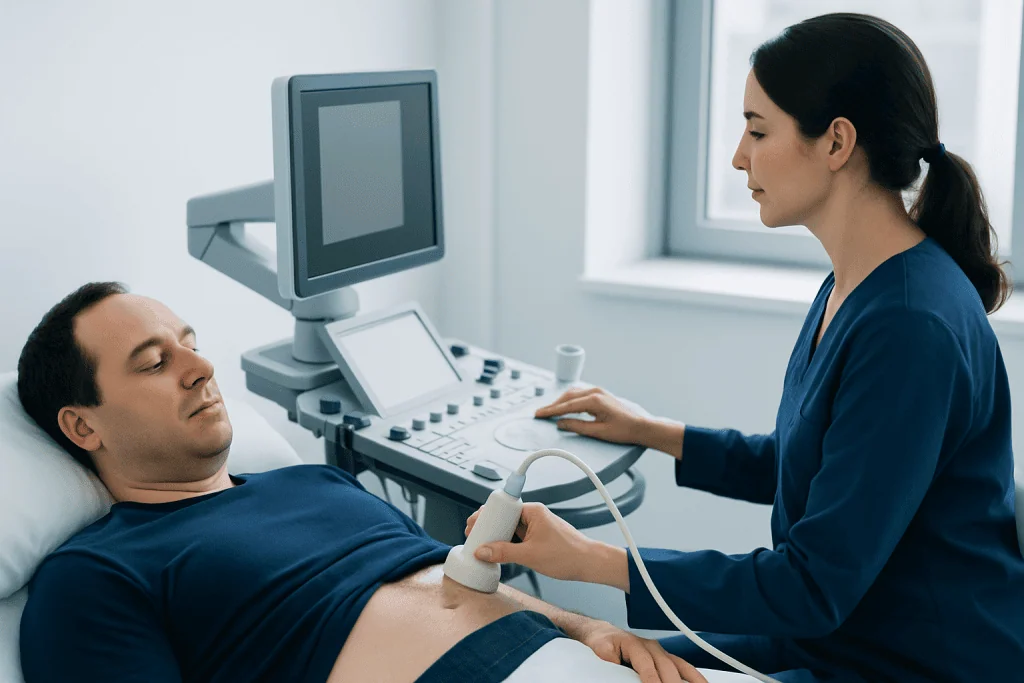
Parasite symptoms vary widely depending on where the organism lives in the body, how it spreads, and a person’s overall health. Intestinal parasites often cause diarrhea, nausea, abdominal cramping, bloating, gas, loss of appetite, or weight loss. Some people notice symptoms that come and go over days or weeks rather than a constant illness.
Other parasites can affect the skin, blood, lungs, liver, or brain. Possible signs include itching around the anus, skin rash, fever, cough, muscle aches, swollen lymph nodes, or fatigue. In some cases, a parasite may contribute to iron deficiency or poor nutrient absorption, leading to weakness or pale skin.
Not everyone becomes ill. Some individuals carry a parasite without obvious symptoms, especially early in the infection. Symptoms may be more severe in young children, older adults, pregnant people, and those with weakened immune systems.
- Digestive symptoms: diarrhea, cramps, bloating, nausea
- General symptoms: fever, fatigue, weight loss
- Skin symptoms: itching, rash, visible bites or lice
- More specific clues: anal itching, worms in stool, symptoms after travel or unsafe water exposure
How people get parasites: causes and risk factors

People can acquire a parasite in several ways. A common route is swallowing food or water contaminated with parasite eggs, cysts, or larvae. This may happen after drinking untreated water, eating undercooked meat or fish, or consuming produce washed with unsafe water. Poor hand hygiene can also spread some parasites, especially in households, childcare settings, or crowded living environments.
Some parasites spread through soil, insect bites, or close contact with infected people or animals. Walking barefoot on contaminated ground can allow certain worms to enter through the skin. Mosquitoes, flies, and ticks can transmit parasites in some regions. Pets, farm animals, and animal waste may also play a role, although risk depends on the specific parasite and the type of exposure.
Travel is an important consideration, but parasitic infections are not limited to international trips. Lakes, rivers, swimming pools, day-care centers, and inadequately cooked food can all be sources. Doctors often ask about recent travel, camping, swimming in natural water, household contacts with similar symptoms, sexual exposure, and occupational risks.
Risk may be higher in people with reduced stomach acid, malnutrition, immune suppression, or chronic medical conditions. Some infections are more likely to become severe in those who have received transplants, are taking certain immune-modifying medicines, or have conditions such as Crohn’s disease, where symptoms can overlap and delay recognition.
How doctors diagnose a parasite
Diagnosis begins with the pattern of symptoms and a detailed exposure history. Because many parasite infections resemble common viral, bacterial, or inflammatory illnesses, history is especially important. A clinician may ask when symptoms started, whether they are intermittent, what foods were eaten, whether untreated water was consumed, and whether there was travel, animal contact, or insect exposure.
Testing depends on the suspected parasite. Stool studies are often used for intestinal infections and may include microscopy, antigen testing, or molecular tests. Sometimes more than one stool sample is needed because parasites are not always detectable in a single specimen. Blood tests may look for anemia, eosinophilia, dehydration, inflammation, or antibodies related to certain parasites.
If the infection may involve organs outside the intestines, additional tests may be helpful. These can include imaging, skin examination, tape testing for pinworm, or in select cases endoscopy or biopsy. When digestive symptoms are severe or persistent, doctors may also consider endoscopy to evaluate other possible causes and check for complications.
Accurate diagnosis matters because treatment is parasite-specific. Medicines that work for one infection may not help another, and self-treating without confirmation can delay proper care. A medical team may also decide whether close contacts should be evaluated or whether follow-up tests are needed after treatment.
Treatment options and recovery
Parasite treatment depends on the exact organism, the body area involved, and the severity of illness. Many intestinal parasites are treated with prescription antiparasitic medications. Some infections also require antibiotics or other targeted medicines, while ectoparasites such as lice or scabies are managed with topical or oral treatments and environmental cleaning measures.
Supportive care is also important. Diarrhea can lead to dehydration, so fluids and electrolyte replacement may be needed. In some cases, nutritional support helps recovery if the infection has caused weight loss, anemia, or poor absorption. Hospital care may be considered for severe dehydration, complications, or infections affecting vital organs.
When parasites involve the digestive tract and symptoms are prolonged, specialists may combine laboratory testing with procedures such as colonoscopy or gastroenterology care to rule out other causes and guide treatment. Rarely, surgery is needed if a parasite causes obstruction, cysts, or organ damage, but most infections are managed medically.
Recovery time varies. Some people improve within days of treatment, while others need longer for the gut or skin to settle. Follow-up may be recommended if symptoms continue, if the parasite is known to relapse, or if repeat testing is needed to confirm clearance.
Prevention and self-care
Preventing a parasite infection usually centers on food, water, and hygiene. Hands should be washed well with soap and water after using the toilet, changing diapers, gardening, handling pets, and before preparing meals. Drinking water should come from a safe source, especially during travel, camping, or after floods or infrastructure disruption.
Food safety also matters. Meat and fish should be cooked thoroughly, produce should be washed carefully, and raw foods should be handled cleanly to avoid cross-contamination. In areas where sanitation is uncertain, people are generally advised to avoid untreated water, ice of uncertain origin, and foods that may have been rinsed in unsafe water.
Additional prevention steps depend on exposure risks. Wearing footwear outdoors can reduce contact with contaminated soil. Insect repellent, protective clothing, and bed nets may lower the risk of insect-borne parasites. Regular veterinary care for pets, prompt treatment of household infestations, and washing bedding or clothing as advised can help stop spread.
Self-care at home should not replace diagnosis when symptoms are ongoing. Over-the-counter “parasite cleanses” are not evidence-based treatments for confirmed infections and may cause side effects or interact with medicines. If symptoms persist or there has been a meaningful exposure, professional evaluation is safer than guesswork.
When to seek medical care
Medical care is appropriate if digestive symptoms last more than a few days, keep returning, or interfere with eating and drinking. Care is also important after travel, drinking untreated water, swimming in potentially contaminated water, or eating undercooked meat or fish if symptoms follow. A doctor can determine whether a parasite is likely and whether testing is needed.
Urgent assessment is recommended for signs of dehydration, severe abdominal pain, blood in the stool, high fever, confusion, breathing difficulty, fainting, or rapid worsening. Infants, older adults, pregnant people, and individuals with weakened immune systems should seek advice sooner because infections can become more serious more quickly.
People should also be assessed if they notice worms in stool, persistent anal itching, an unexplained rash after travel, or repeated household spread of lice, scabies, or pinworm. If a parasite is confirmed, close contacts may sometimes need guidance as well. Near the end of evaluation or treatment planning, patients may benefit from multidisciplinary input; Acibadem International’s JCI-accredited hospitals support international patients with specialist diagnosis and treatment when needed.
Frequently asked questions
What is a parasite in simple terms?
A parasite is a living organism that survives by living on or inside another organism, called the host. In humans, parasites may affect the intestines, skin, blood, or other tissues and can cause symptoms ranging from mild discomfort to more significant illness.
Can a parasite go away on its own?
Some mild infections may improve, but many parasite infections need specific treatment to clear fully. Because symptoms can overlap with many other conditions, it is best to seek medical advice rather than assume the problem will resolve on its own.
How do doctors test for parasites?
Doctors often use stool tests for intestinal parasites, but blood tests, skin exams, imaging, or other procedures may also be needed depending on the symptoms. The choice of test depends on where the parasite may be living and how the infection was likely acquired.
Are parasites always visible in stool?
No. Many parasites are microscopic and cannot be seen without laboratory testing. Even larger parasites may not appear consistently, which is why doctors sometimes request multiple stool samples.
What foods are most linked to parasite infection?
Undercooked meat, raw or undercooked fish, unwashed produce, and food prepared with unsafe water can all increase risk. The exact risk depends on the parasite and local sanitation, food handling, and cooking practices.
Are over-the-counter parasite cleanses effective?
These products are not a substitute for a medical diagnosis and are not considered reliable treatment for confirmed parasite infections. Some may cause side effects or delay proper care by masking symptoms without treating the true cause.
References
- World Health Organization
- Centers for Disease Control and Prevention
- Mayo Clinic
- Merck Manual Professional Edition
- National Institute of Allergy and Infectious Diseases
This article is for general information only and is not a substitute for professional medical advice. Please consult a qualified doctor about your individual situation.
Explore treatments in Turkey — costs, top hospitals & a free quote
JCI-accredited · board-certified surgeons · reply within 24h
Add us as a Preferred Source to see more of our trusted health content across Google Search, AI Overviews and Discover.

More from the Health Library



Related Specialists

Assoc. Prof. Dr. Yetkin Zeki Yılmaz
Otorhinolaryngology
Dr. Erdal Demirel
Anesthesiology
Dr. Dilara Akman
Infectious Diseases & Clinical Microbiology
Dr. Elvan Cevizci Akkılıç
Neurology