Isopropyl Alcohol: A Complete Medical Overview
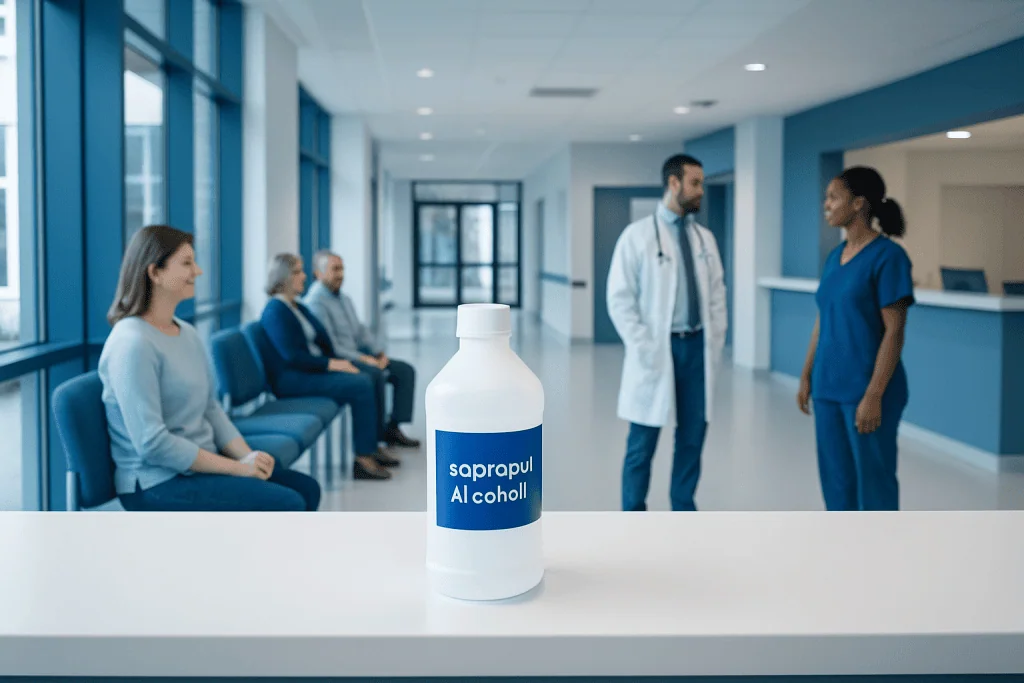
Isopropyl alcohol is commonly used as a disinfectant and solvent, not as a drink or home remedy. It can irritate the skin, eyes, and airways, especially with repeated or poorly ventilated exposure.
Key Takeaways
- Isopropyl alcohol is commonly used as a disinfectant and solvent, not as a drink or home remedy.
- It can irritate the skin, eyes, and airways, especially with repeated or poorly ventilated exposure.
- Swallowing isopropyl alcohol can cause serious poisoning and needs urgent medical advice.
- It should be stored safely away from children, flames, and food or drink containers.
- Medical evaluation is important for concerning symptoms such as confusion, trouble breathing, or persistent vomiting.
Isopropyl alcohol is a widely used disinfectant and household solvent, often called rubbing alcohol. It can help clean surfaces and skin before some medical tasks, but it must be used carefully because it can irritate tissues, produce harmful fumes, and cause poisoning if swallowed.
Overview: What Is Isopropyl Alcohol?
Isopropyl alcohol is a clear, fast-evaporating liquid used in homes, clinics, and workplaces. Many people know it as rubbing alcohol. In everyday life, it is commonly used to disinfect some surfaces, clean equipment, and remove oils or residues from skin and objects.
From a medical perspective, isopropyl alcohol is useful when used externally and correctly. It may be found in antiseptic wipes, hand rubs, and cleaning products, often in different strengths. However, “more” is not always better: stronger concentrations are not automatically safer or more effective for every purpose, and misuse can lead to skin irritation, chemical exposure, or poisoning.
One important point is that isopropyl alcohol is not meant to be swallowed, inhaled intentionally, or applied to large areas of damaged skin. It is also flammable, so it should be kept away from heat, sparks, and open flames. A complete medical overview includes both its helpful uses and the precautions needed to reduce harm.
Common Uses and How It Works
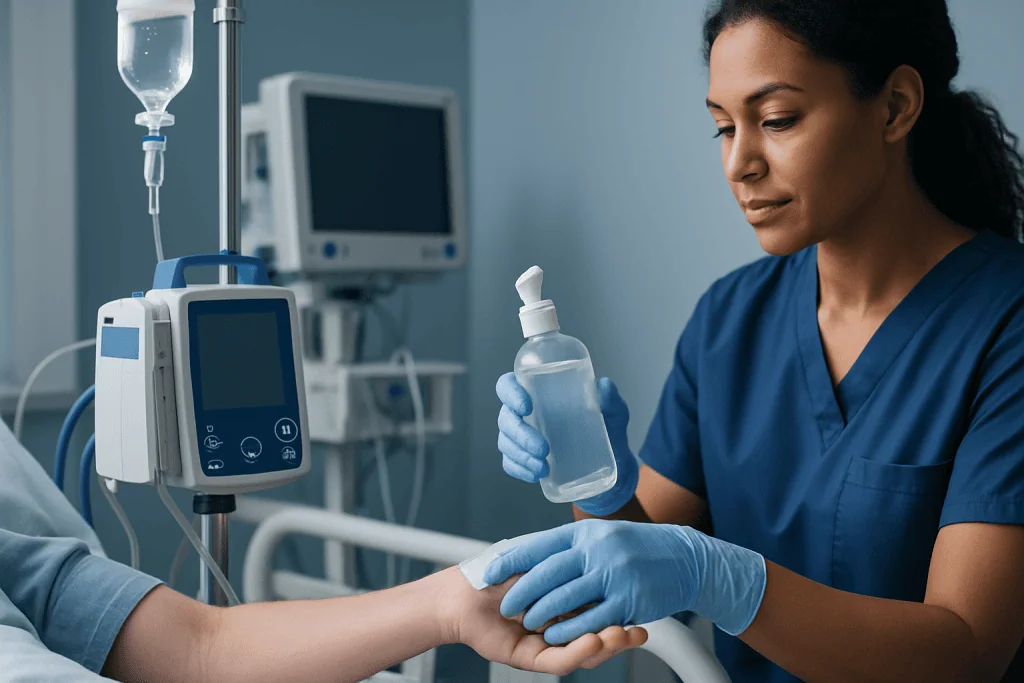
Isopropyl alcohol works mainly by disrupting proteins and fats in many germs, which is why it is widely used as a disinfectant. It is often used to clean intact skin before injections or blood tests and to disinfect small tools or frequently touched surfaces. In many settings, products containing alcohol are part of standard hygiene practice.
It also acts as a solvent, meaning it can dissolve oils, adhesives, and some residues. This is why it appears in cleaning products for electronics, cosmetics, and household tasks. Even so, not every surface is suitable for alcohol-based cleaning, and product labels should always be checked.
Because it evaporates quickly, isopropyl alcohol may feel clean and cooling on the skin. But rapid evaporation can also dry the skin and irritate the protective barrier with repeated use. For routine hand hygiene, many people may do better with products formulated to balance alcohol with moisturizers, especially if frequent cleansing is needed.
In healthcare, alcohol-based antiseptics are only one part of infection control. They do not replace proper wound care, safe food handling, or evaluation for signs of infection. For broader information about serious infections and their management, a reader may also explore infectious diseases.
Health Risks and Possible Symptoms of Exposure
Most mild problems from isopropyl alcohol happen after skin, eye, or vapor exposure. Skin contact can cause dryness, redness, stinging, or cracking, especially in people with sensitive skin or eczema. Eye exposure may lead to burning, tearing, redness, and temporary blurred vision. Breathing in concentrated fumes can irritate the nose and throat and may trigger headache, dizziness, or nausea.
Swallowing isopropyl alcohol is more dangerous. It can affect the brain and stomach, causing drowsiness, slurred speech, vomiting, abdominal pain, poor coordination, and confusion. In more severe cases, it may lead to slowed breathing, low blood pressure, reduced alertness, or coma. Children are at particular risk because even small amounts may cause significant symptoms.
Exposure can also happen in less obvious ways. For example, using alcohol in a closed room, combining it with harsh cleaning chemicals, or applying it repeatedly to damaged skin can increase irritation or absorption risk. Problems may also be mistaken for other conditions, so a careful history is important.
If symptoms involve fainting, breathing difficulty, severe confusion, repeated vomiting, or an inability to stay awake, urgent medical assessment is needed. Alcohol exposure may also worsen some skin problems, and people with persistent rashes may need assessment for conditions such as skin disorders.
Causes of Toxicity and Who May Be at Higher Risk
Isopropyl alcohol toxicity usually happens because of accidental swallowing, intentional ingestion, or heavy exposure in poorly ventilated spaces. It may be mistaken for drinking alcohol if it is transferred into an unlabeled bottle or kept near beverages. Some poisonings occur when people use it as an unsafe home remedy, which should be avoided.
Certain groups may face higher risk. Young children may swallow it accidentally, while older adults or people with memory problems may be more vulnerable to confusion about product use. People with chronic lung disease may feel stronger effects from fumes, and those with sensitive or damaged skin may develop irritation more easily.
Workplace exposure can also matter. People who clean equipment, handle solvents, or use alcohol-containing products repeatedly may have ongoing skin or inhalation exposure if protective measures are poor. Good ventilation, gloves when appropriate, and following safety instructions help lower this risk.
- Higher-risk situations include unlabeled containers, poor ventilation, and use near heat or flames.
- Children and pets should not have access to bottles, wipes, or soaked cotton pads.
- Isopropyl alcohol should never be mixed casually with other cleaning products.
Diagnosis and Medical Evaluation
Doctors diagnose isopropyl alcohol exposure by combining the history of contact with a physical examination and, when needed, laboratory tests. The most useful information often includes what product was used, how much, the time of exposure, and whether symptoms such as vomiting, drowsiness, or breathing changes have developed.
For skin or eye exposure, the examination usually focuses on irritation severity and whether there is tissue injury. For swallowing or major inhalation exposure, clinicians may check vital signs, hydration, mental status, and blood chemistry. Monitoring is especially important if the person is sleepy, confused, or has other medical conditions.
Not every exposure needs extensive testing. Mild, brief skin contact may only need washing and observation. More significant cases, especially ingestion, may require emergency care, poison center guidance, and tests to look for complications. If breathing symptoms are present, evaluation may include oxygen monitoring and supportive care, sometimes involving a medical check-up and emergency assessment.
The goal of diagnosis is not only to confirm the exposure but also to rule out other causes of symptoms. This is important because dizziness, abdominal pain, or altered behavior can also occur with infections, dehydration, medication effects, or other toxic substances.
Treatment Options and What to Do After Exposure
Treatment depends on how exposure happened and how severe the symptoms are. For skin contact, the main step is to wash the area gently with plenty of water and stop using the product until the skin settles. For eye exposure, immediate rinsing with clean lukewarm water for several minutes is important, followed by medical advice if pain, redness, or vision changes continue.
If isopropyl alcohol has been swallowed, it should be treated as a poisoning risk. The person should not be forced to vomit unless specifically told to do so by a qualified professional. Urgent advice from a poison center or emergency service is appropriate, especially for a child, an older adult, or anyone with symptoms such as drowsiness, vomiting, or breathing difficulty.
Medical treatment is usually supportive. This may include monitoring, intravenous fluids, treatment of nausea, and observation of breathing and blood pressure. In severe cases, hospital care may be needed. When the exposure causes ongoing skin damage or deeper irritation, a doctor may recommend dermatology evaluation or additional supportive treatment.
For international patients who need coordinated assessment, Acibadem International’s multidisciplinary specialists and JCI-accredited hospitals diagnose and treat a wide range of toxic exposures, skin reactions, and related complications. If symptoms raise concern for airway or lung irritation, a clinician may also consider pulmonology assessment depending on the situation.
Prevention and Safe Self-Care
Safe use starts with reading the label and using isopropyl alcohol only for its intended purpose. It should be stored in its original container whenever possible, tightly closed, and kept away from children and pets. Good ventilation matters, especially when using larger amounts for cleaning.
For skin use, it is best not to apply isopropyl alcohol repeatedly to dry, cracked, or inflamed skin unless a clinician has advised it. It is not a substitute for proper wound care, and it should not be used on large open wounds. Gentle cleansing and medically appropriate dressings are often better options for irritated or injured skin.
Home safety also includes keeping alcohol away from heat sources and not smoking near it. Because it is colorless and may resemble water, it should never be transferred into drink bottles or unlabeled containers. Families can reduce accidental poisoning by treating cleaning supplies with the same caution used for medicines.
- Wash hands after handling it, unless it is part of an approved hand antiseptic product.
- Use gloves for repeated cleaning tasks if skin becomes irritated.
- Open windows or improve airflow when using it indoors.
- Seek product-specific advice if there is any uncertainty about safe use.
When to Seek Medical Care
Medical care is recommended right away if isopropyl alcohol has been swallowed, especially by a child. Urgent evaluation is also needed for confusion, fainting, seizures, severe vomiting, chest symptoms, trouble breathing, or a person who is difficult to wake. These signs may indicate significant poisoning or another serious problem that needs prompt attention.
A non-emergency medical review is sensible if skin irritation is severe, widespread, or not improving after stopping exposure. Ongoing eye redness, pain, light sensitivity, or blurry vision should also be checked promptly. People with asthma, chronic lung disease, fragile skin, or multiple medical conditions may need earlier advice even for exposures that seem mild.
If the diagnosis is uncertain, professional assessment helps prevent delays in care. Symptoms from isopropyl alcohol can overlap with infections, dehydration, medication effects, and other illnesses, so self-diagnosis is not always reliable. A clinician may recommend observation, supportive treatment, or referral depending on the person’s age, symptoms, and overall health.
Frequently asked questions
What is isopropyl alcohol used for?
Isopropyl alcohol is mainly used as a disinfectant and solvent. It may be used to clean some surfaces, prepare intact skin before certain medical procedures, and remove oils or residue from objects.
Is isopropyl alcohol the same as rubbing alcohol?
Rubbing alcohol often refers to isopropyl alcohol products, but labels can vary by formulation and strength. It is best to check the ingredient list rather than assume all rubbing alcohol products are identical.
Can isopropyl alcohol be used on open wounds?
In general, it is not the best choice for open wounds because it can irritate tissue and delay comfortable healing. Proper wound cleaning and dressing advice from a healthcare professional is usually more appropriate.
What happens if someone swallows isopropyl alcohol?
Swallowing isopropyl alcohol can cause poisoning, with symptoms such as vomiting, dizziness, drowsiness, confusion, and slowed breathing. This situation should be treated seriously, and urgent medical or poison center advice is recommended.
Can breathing isopropyl alcohol fumes be harmful?
Yes, especially in enclosed spaces or with heavy exposure. Fumes may irritate the nose and throat and can cause headache, dizziness, or nausea, so good ventilation is important.
Is isopropyl alcohol safe for children?
It can be used safely around children only when adults handle and store it properly. Because accidental swallowing can be dangerous, it should be kept locked away and never stored in drink containers.
References
- World Health Organization
- Centers for Disease Control and Prevention
- U.S. National Library of Medicine
- American Academy of Pediatrics
- MedlinePlus
This article is for general information only and is not a substitute for professional medical advice. Please consult a qualified doctor about your individual situation.
Explore treatments in Turkey — costs, top hospitals & a free quote
JCI-accredited · board-certified surgeons · reply within 24h
Add us as a Preferred Source to see more of our trusted health content across Google Search, AI Overviews and Discover.
Check your numbers in seconds
BMI, calories, due date, blood pressure and 30+ more clinical calculators — free, instant, doctor-reviewed ranges.

More from the Health Library



Related Specialists

Dr. Hatem Doğu
Anesthesiology
Assoc. Prof. Dr. Mustafa Çorum
Physical Medicine & Rehabilitation
Dr. Betül Toygar
Physical Medicine & Rehabilitation
Prof. Dr. Fatih Ata Genç
General Surgery