Emergency Dentist: An Evidence-Based Guide for Patients

An emergency dentist helps with urgent dental problems that should not wait for a routine appointment. Severe pain, facial swelling, uncontrolled bleeding, trauma, or a knocked-out tooth usually need same-day advice or care.
Key Takeaways
- An emergency dentist helps with urgent dental problems that should not wait for a routine appointment.
- Severe pain, facial swelling, uncontrolled bleeding, trauma, or a knocked-out tooth usually need same-day advice or care.
- Early treatment may prevent complications such as infection, worsening damage, or tooth loss.
- Simple first aid at home can protect the tooth and reduce pain while a person seeks dental help.
- Breathing difficulty, spreading swelling, fever, or major injury require urgent medical care, not only dental care.
An emergency dentist provides prompt care for urgent dental problems such as severe tooth pain, swelling, broken teeth, or a knocked-out tooth. Fast assessment can relieve pain, lower the risk of infection, and improve the chance of saving a tooth.
Overview: What an Emergency Dentist Does
An emergency dentist is a dental professional who evaluates and treats urgent oral problems that need prompt attention, often the same day. This can include severe toothache, a cracked or broken tooth, a knocked-out tooth, swelling, infection, or bleeding after an injury or procedure. The goal is not only to ease pain but also to protect the tooth, surrounding tissues, and overall health.
Many people are unsure whether their symptoms are truly urgent. A useful rule is that a problem may be a dental emergency if it causes significant pain, affects eating or sleeping, involves trauma, creates swelling, or could worsen quickly without treatment. Prompt care may reduce the need for more complex procedures later.
Emergency dental care does not always mean a tooth will be removed or that a major procedure is necessary. In many cases, the first visit focuses on diagnosis, pain control, infection management, and stabilizing the tooth or tissue. Definitive treatment may happen the same day or at a follow-up visit depending on the problem.
Common Dental Emergencies and Symptoms
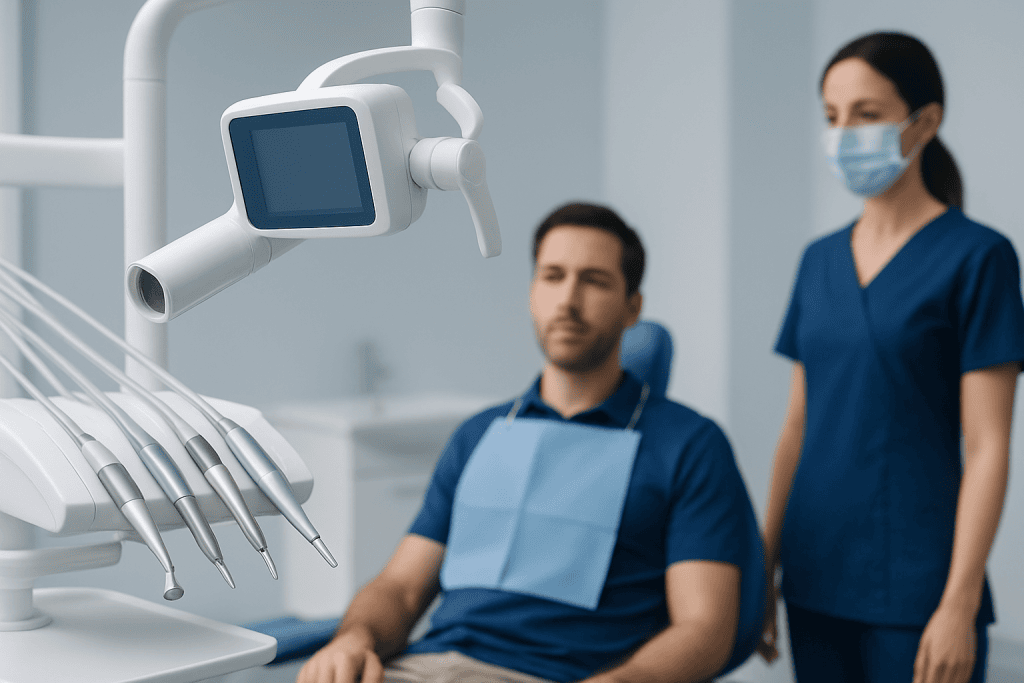
Urgent dental problems can look different from person to person. Some begin suddenly after an accident, while others develop over hours or days. Severe, persistent tooth pain is one of the most common reasons people seek an emergency dentist, especially if it is throbbing, worsens with biting, or wakes a person from sleep.
Other common emergencies include a chipped, cracked, loose, or broken tooth; a knocked-out permanent tooth; a lost filling or crown with pain; a painful gum swelling; or bleeding that does not stop. Swelling in the face or jaw can suggest infection and should not be ignored. A bad taste in the mouth, pus drainage, fever, or difficulty opening the mouth may also point to an urgent problem such as a dental abscess.
- Severe toothache or pressure pain
- Broken, cracked, or displaced tooth
- Knocked-out permanent tooth
- Facial, gum, or jaw swelling
- Bleeding after trauma or dental treatment that does not stop
- Mouth injury affecting lips, tongue, cheeks, or gums
Not every dental issue needs emergency treatment. Mild sensitivity, a small chip without pain, or a lost filling without discomfort may still need prompt dental attention, but they are usually less urgent than swelling, major pain, or trauma. When in doubt, contacting a dentist for triage advice is the safest approach.
What Causes Dental Emergencies?

Dental emergencies often result from a combination of tooth decay, infection, gum disease, and injury. Untreated cavities can spread deeper into the tooth and reach the nerve, causing intense pain or infection. Infection may then extend beyond the tooth into nearby tissues, creating swelling and tenderness.
Trauma is another major cause. Falls, sports injuries, road accidents, and biting hard foods can crack or dislodge teeth. Teeth that have large fillings, previous root canal treatment, or hidden fractures may be more vulnerable to breakage. Teeth grinding can also weaken enamel over time and contribute to fractures or jaw pain.
Some people may be at higher risk of urgent dental problems. Risk factors include poor oral hygiene, irregular dental checkups, untreated cavities, smoking, dry mouth, diabetes, use of certain medications, and wearing oral piercings or poorly fitting dental appliances. Understanding these factors can help reduce future emergencies.
What to Do Before You Reach the Dentist
Simple first-aid steps can make a meaningful difference while waiting to see an emergency dentist. If there is pain, rinsing gently with warm salt water may help clean the area and soothe tissues. A cold compress on the outside of the cheek can reduce swelling after trauma. Over-the-counter pain relief may help some people, but medicines should be used as directed by a qualified healthcare professional.
If a permanent tooth is knocked out, it should be handled carefully by the crown rather than the root. If visibly clean, it may be placed back in the socket very gently; if that is not possible, it should be kept moist in milk or saliva and taken to the dentist immediately. Fast action improves the chance that the tooth can be saved.
For a broken tooth, any fragments should be collected if possible. If a crown or filling falls out, the area should be kept clean and chewing on that side should be avoided. A person should not place aspirin directly on the gum or tooth, as this can irritate soft tissues. Home measures are only temporary and should not replace professional evaluation.
How an Emergency Dentist Diagnoses the Problem
Emergency dental visits usually begin with focused questions about the symptoms, how long they have been present, and whether trauma has occurred. The dentist examines the teeth, gums, bite, and surrounding tissues, looking for signs of decay, fracture, infection, bleeding, or injury to the jaw and soft tissues.
Dental X-rays are often used to identify hidden causes such as deep decay, a root fracture, an abscess, or damage below the gum line. In some trauma cases, imaging helps assess whether the tooth socket or jawbone is involved. This is especially important when there is severe pain on biting, a loose tooth, or swelling that does not match what can be seen on the surface.
After assessment, the dentist explains what is causing the emergency and whether treatment is needed immediately or in stages. A person with severe pain from the tooth nerve may need root canal treatment, while a tooth with advanced structural damage may require dental implant planning if it cannot be preserved. The immediate priority is to stabilize the condition safely.
Treatment Options for Urgent Dental Problems
Treatment depends on the cause. For infection, the dentist may drain the area if appropriate, clean the tooth or gum, and decide whether additional treatment is needed. A painful cavity or infected pulp may be treated with a filling, temporary dressing, or root canal treatment to preserve the tooth. If a tooth cannot be saved, extraction may sometimes be the safest option.
For trauma, treatment may include smoothing or bonding a chipped tooth, placing a temporary or permanent crown, splinting a loose tooth, repositioning a displaced tooth, or managing soft-tissue injuries. A knocked-out or partially displaced tooth needs urgent care because timing affects the outcome. Replacing missing teeth later may involve options such as dental implants once the tissues have healed.
Bleeding problems are treated by cleaning the area, applying pressure or local measures to stop bleeding, and checking for deeper injury. If jaw fracture, significant facial trauma, or airway compromise is suspected, medical or surgical care is needed alongside dental care. In complex situations, multidisciplinary assessment may be necessary.
Near the end of the care pathway, some patients may need restorative solutions such as crowns or other cosmetic-restorative dental treatment to rebuild function and appearance after an emergency. The exact plan depends on tooth vitality, the extent of damage, infection control, and the person’s overall oral health.
Prevention and Self-Care After an Emergency
Not every dental emergency can be prevented, but many can be reduced through consistent oral care. Brushing with fluoride toothpaste, cleaning between teeth, attending regular dental checkups, and treating cavities early all help lower the risk of severe pain and infection. People who grind their teeth may benefit from evaluation and a protective night guard if advised by a dentist.
Sports mouthguards can reduce injuries during contact sports or high-risk activities. Avoiding ice, hard sweets, and using teeth as tools can also help prevent cracks and fractures. If a person has a loose crown, old filling, or ongoing sensitivity, arranging routine dental care early is often easier than waiting for the problem to become urgent.
After emergency treatment, following the dentist’s aftercare advice is important. This may include eating soft foods, avoiding very hot or cold drinks for a period, keeping the area clean, and attending follow-up visits. If symptoms return or worsen, the dentist should be contacted promptly.
When to Seek Medical Care
Some symptoms need urgent medical attention because they may go beyond a routine dental emergency. A person should seek immediate medical care if swelling is spreading into the face or neck, there is difficulty breathing or swallowing, fever with facial swelling, uncontrolled bleeding, confusion after trauma, or a suspected broken jaw. These signs can indicate a serious infection or injury.
Children, older adults, pregnant patients, and people with weakened immune systems may need earlier assessment for dental infections or trauma. Even when symptoms seem localized to a tooth, medical history can affect how quickly complications develop. If a person is unsure where to go, contacting an emergency dentist or emergency department for advice is appropriate.
Acibadem International’s multidisciplinary specialists and JCI-accredited hospitals diagnose and treat urgent dental and oral conditions for international patients when broader evaluation is needed. The key message is simple: severe pain, swelling, trauma, and bleeding should not be ignored, because early care is usually safer and more effective than waiting.
Frequently asked questions
What counts as a dental emergency?
A dental emergency usually involves severe pain, swelling, uncontrolled bleeding, trauma, or a risk of losing a tooth. If the problem affects normal eating, sleeping, or breathing, or seems to be worsening quickly, it should be assessed promptly.
Should a person go to an emergency dentist for a toothache?
A mild toothache may wait for a routine dental visit, but severe, persistent, or throbbing pain often needs urgent evaluation. Tooth pain with swelling, fever, pain on biting, or a bad taste in the mouth may point to infection or deeper tooth damage.
What should someone do if a permanent tooth is knocked out?
The tooth should be handled by the crown, not the root, and kept moist in milk or saliva if it cannot be placed back in the socket. Immediate dental care is important because fast treatment offers the best chance of saving the tooth.
Can the emergency room treat dental problems?
An emergency room can help with severe swelling, major bleeding, breathing difficulty, fever, facial trauma, or suspected jaw fracture. However, most tooth-specific problems still need follow-up with a dentist because hospital care may not provide definitive dental treatment.
Is facial swelling from a tooth dangerous?
Facial swelling can be a sign of dental infection and should be taken seriously. If swelling is getting worse, spreading, or causing fever, swallowing difficulty, or trouble breathing, urgent medical care is needed.
How quickly should someone see an emergency dentist for a broken tooth?
A broken tooth should be assessed as soon as possible, especially if there is pain, bleeding, sharp edges, or sensitivity to temperature. Even if pain is mild, early evaluation can help prevent infection and further fracture.
References
- American Dental Association
- National Institute of Dental and Craniofacial Research
- Mayo Clinic
- NHS
- World Health Organization
This article is for general information only and is not a substitute for professional medical advice. Please consult a qualified doctor about your individual situation.
Explore treatments in Turkey — costs, top hospitals & a free quote
JCI-accredited · board-certified surgeons · reply within 24h
Add us as a Preferred Source to see more of our trusted health content across Google Search, AI Overviews and Discover.