Protein in Urine: Evidence-Based Benefits, Risks, and Practical Guidance

Protein in urine, also called proteinuria, can be temporary or persistent. Small amounts may happen after exercise, fever, dehydration, or stress and may not reflect lasting kidney damage.
Key Takeaways
- Protein in urine, also called proteinuria, can be temporary or persistent.
- Small amounts may happen after exercise, fever, dehydration, or stress and may not reflect lasting kidney damage.
- Persistent protein in urine often needs testing to look for kidney disease, diabetes, high blood pressure, or inflammation.
- Urine albumin and kidney blood tests help doctors measure severity and guide treatment.
- Management focuses on treating the underlying cause, protecting kidney function, and controlling risk factors such as blood pressure and blood sugar.
Protein in urine usually means the kidneys are letting protein leak into urine when they should keep most of it in the blood. Sometimes this is temporary and harmless, but persistent protein in urine can signal kidney disease, diabetes, high blood pressure, or another medical condition that needs assessment.
Overview: What Protein in Urine Means
Protein in urine, also called proteinuria, means that more protein than usual is present in a urine sample. In healthy kidneys, tiny filtering units remove waste while keeping important substances such as protein in the bloodstream. When these filters are stressed, inflamed, or damaged, protein can leak into the urine.
This finding is not a diagnosis by itself. A single positive urine test may happen temporarily after vigorous exercise, fever, dehydration, emotional stress, or standing for long periods. In these situations, repeat testing may return to normal. Persistent protein in urine is more important because it can be an early clue to kidney disease or other health conditions.
The type of protein also matters. Albumin is the most common protein measured, and small increases may be one of the earliest signs of kidney damage, especially in people with diabetes or high blood pressure. Larger amounts of protein may suggest more significant kidney filter injury and need prompt medical evaluation.
Symptoms and What a Person May Notice
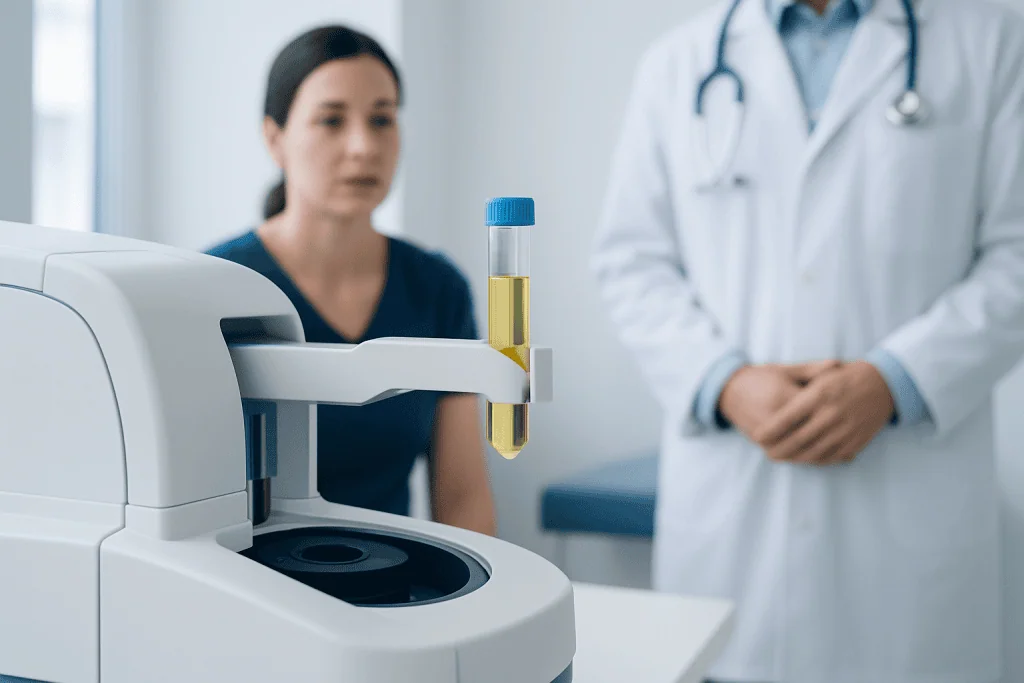
Protein in urine often causes no symptoms at first and is commonly found on a routine urine test. This is one reason regular health checks can be useful for people with diabetes, hypertension, or known kidney risk factors.
When symptoms do occur, they usually reflect either larger protein losses or the condition causing them. Some people notice foamy or frothy urine, although foam alone does not confirm proteinuria. Swelling in the feet, ankles, legs, hands, or around the eyes can happen when the body loses significant protein and begins to retain fluid.
Other symptoms may point to an underlying disorder rather than proteinuria itself. These can include fatigue, reduced appetite, nausea, changes in urination, elevated blood pressure, or signs of infection. If kidney disease progresses, symptoms may become more noticeable over time, but early stages can remain silent.
Causes, Risk Factors, and What Evidence Supports

Evidence-based medicine shows that persistent protein in urine is most often linked to kidney-related or systemic conditions. Common causes include diabetes, high blood pressure, glomerular diseases, chronic kidney disease, pregnancy-related high blood pressure disorders, autoimmune disease, and some infections. Proteinuria can also appear with heart failure or as a side effect of certain medicines.
Doctors often distinguish between temporary, orthostatic, and persistent proteinuria. Temporary proteinuria may follow intense exercise, fever, exposure to cold, dehydration, or acute illness. Orthostatic proteinuria occurs mainly when a person is upright and is more common in younger people; it is usually benign but still requires proper assessment.
Risk factors include diabetes, hypertension, older age, obesity, a family history of kidney disease, smoking, and cardiovascular disease. Some people with high blood pressure or diabetes develop albumin in the urine before they feel unwell, which is why routine screening is often recommended.
It is also important to clarify what protein in urine does not prove. It does not automatically mean kidney failure, and it does not by itself identify a specific disease. It is a marker that needs context, repeat testing, and interpretation alongside kidney function, blood pressure, symptoms, medications, and medical history.
How Protein in Urine Is Diagnosed
Diagnosis usually begins with a urine dipstick or urinalysis. These tests can suggest whether protein is present, but they are screening tools and may be influenced by urine concentration, hydration, or other factors. If protein is found, doctors often repeat the test and order a more precise measurement.
A common follow-up is the urine albumin-to-creatinine ratio or protein-to-creatinine ratio from a spot urine sample, often collected in the morning. These tests estimate how much protein is being lost and are more practical than a 24-hour collection in many cases. Blood tests are also used to check kidney function, especially creatinine and estimated glomerular filtration rate.
Further evaluation depends on the likely cause. A doctor may review blood pressure, blood sugar, medications, recent exercise, and symptoms. They may also order urine microscopy, kidney ultrasound, immune or infection-related blood tests, or in selected cases a kidney biopsy to define the underlying problem more clearly. If imaging is needed, MRI imaging or ultrasound may be considered in specific situations, although ultrasound is more commonly used first for kidney structure.
Treatment Options and Long-Term Management
Treatment for protein in urine is aimed at the cause rather than the urine finding alone. If the protein loss is temporary, no specific treatment may be needed beyond hydration, rest, or recovery from the triggering illness. Persistent proteinuria, however, usually calls for a management plan to protect kidney function and reduce cardiovascular risk.
For many people, careful control of blood pressure is central. Medicines such as ACE inhibitors or ARBs are commonly used because they can lower pressure inside the kidney filters and reduce albumin loss, even in some people without very high blood pressure. In diabetes, improving blood sugar control is also an important part of treatment. People with inflammation of the kidney filters may need additional therapies depending on the diagnosis.
Lifestyle measures support medical care but do not replace it. These may include limiting excess salt, maintaining a healthy weight, staying active, avoiding tobacco, and following an eating plan appropriate for kidney health. Protein restriction is not appropriate for everyone, so dietary changes should be individualized, especially in chronic kidney disease.
If the cause is uncertain or the protein level is high, referral to a kidney specialist may be advised. Depending on symptoms and test results, some patients may need advanced evaluation or procedures available through nephrology care and, in selected cases, a kidney biopsy to guide treatment decisions. Near the end of the care pathway, Acibadem International’s multidisciplinary specialists and JCI-accredited hospitals also diagnose and treat kidney conditions for international patients when needed.
Self-Care, Diet, and Practical Guidance
Practical self-care starts with following up on repeat tests rather than assuming the problem will disappear. Because protein in urine can come and go, a doctor may advise a first-morning urine sample or repeat testing after avoiding heavy exercise. Keeping appointments matters, especially for people with diabetes, high blood pressure, or known kidney disease.
Staying well hydrated is sensible, but excessive fluid intake does not treat proteinuria. It is also helpful to review all medicines and supplements with a clinician. Nonsteroidal anti-inflammatory drugs, some herbal products, and certain prescription medicines can affect the kidneys in some people.
Dietary guidance should be based on the underlying condition. In general, a balanced eating pattern lower in excess sodium supports blood pressure control. Some people with chronic kidney disease may need tailored advice on protein, potassium, phosphorus, or fluid intake, but these restrictions vary and should not be self-prescribed.
Home monitoring can also be useful. Checking blood pressure regularly, tracking swelling, and noting any changes in urination may help a doctor assess whether treatment is working. People already diagnosed with chronic kidney disease may benefit from ongoing education and coordinated follow-up.
When to Seek Medical Care
A person should seek medical care if protein in urine is found more than once, if urine remains persistently foamy, or if there is swelling of the face, hands, abdomen, or legs. Medical review is also important if proteinuria occurs during pregnancy, alongside high blood pressure, or in someone with diabetes or known kidney disease.
Prompt assessment is recommended when protein in urine is accompanied by blood in the urine, reduced urination, shortness of breath, severe swelling, chest discomfort, or symptoms of a significant infection. These symptoms do not always mean an emergency, but they should not be ignored.
Regular monitoring is especially important for higher-risk groups. People with long-standing diabetes, hypertension, obesity, or a family history of kidney disease may need periodic urine and blood tests even when they feel well. Early detection can help slow kidney damage and lower the risk of complications.
Frequently asked questions
Is protein in urine always a sign of kidney disease?
No. Protein in urine can be temporary and may happen after heavy exercise, fever, dehydration, or stress. Persistent protein in urine is more concerning and should be evaluated because it can be an early sign of kidney disease or another medical condition.
What does foamy urine mean?
Foamy urine can happen when urine hits the toilet water quickly, and it does not always mean protein is present. However, persistent foamy urine can be a clue to proteinuria, especially if it is new or comes with swelling or other symptoms. A urine test is the best way to check.
How do doctors confirm protein in urine?
Doctors usually start with a urine dipstick or standard urinalysis. If protein is found, they often repeat the test and use a urine albumin-to-creatinine ratio or protein-to-creatinine ratio for a more accurate measurement. Blood tests are commonly added to assess kidney function.
Can protein in urine be treated?
Yes, but treatment depends on the cause. Temporary proteinuria may not need specific treatment, while persistent proteinuria is managed by treating the underlying condition and protecting kidney function. Blood pressure control, diabetes management, and kidney-protective medicines are common parts of care.
Should a person drink more water if they have protein in urine?
Good hydration is helpful for general health, but drinking extra water does not cure proteinuria. The right fluid intake depends on the person's health, kidney function, and other conditions. A doctor can advise whether any fluid changes are appropriate.
Can diet affect protein in urine?
Diet can influence overall kidney and cardiovascular health, especially through blood pressure, blood sugar, and body weight. Lowering excess salt intake and following a balanced eating plan may help, but not everyone needs the same dietary restrictions. Any changes in protein intake should be individualized, particularly if kidney disease is present.
This article is for general information only and is not a substitute for professional medical advice. Please consult a qualified doctor about your individual situation.
Explore treatments in Turkey — costs, top hospitals & a free quote
JCI-accredited · board-certified surgeons · reply within 24h
Add us as a Preferred Source to see more of our trusted health content across Google Search, AI Overviews and Discover.
Check your numbers in seconds
BMI, calories, due date, blood pressure and 30+ more clinical calculators — free, instant, doctor-reviewed ranges.

More from the Health Library

Feingold Diet for ADHD: Evidence and Considerations

Hypothyroidism Diet: What the Clinical Research Actually Says

How to Read Nutrition Labels Properly: Serving Size, Calories, and Ingredients

Best Foods for Constipation: What the Clinical Research Actually Says

Mind Diet: Evidence-Based Benefits, Risks, and Practical Guidance