Popcorn Lung: An Evidence-Based Guide for Patients

Popcorn lung is bronchiolitis obliterans, a form of small airway scarring. Common symptoms include persistent cough, wheezing, and shortness of breath.
Key Takeaways
- Popcorn lung is bronchiolitis obliterans, a form of small airway scarring.
- Common symptoms include persistent cough, wheezing, and shortness of breath.
- Possible causes include chemical exposure, certain infections, autoimmune disease, and complications after transplant.
- Diagnosis usually involves a medical history, breathing tests, imaging, and sometimes bronchoscopy or biopsy.
- Treatment focuses on removing the trigger, managing inflammation, and supporting breathing and lung health.
Popcorn lung is the common name for bronchiolitis obliterans, a condition in which the smallest airways in the lungs become inflamed and scarred. It can lead to ongoing cough, wheezing, and breathlessness, but early evaluation may help identify the cause and guide treatment.
What popcorn lung means
Popcorn lung is the everyday term for bronchiolitis obliterans, a condition that damages the tiniest airways in the lungs, called bronchioles. In this condition, inflammation and scarring narrow these airways, making it harder for air to move in and out. The result is often a persistent cough, wheezing, and breathlessness that do not improve as expected.
The name came from a well-known cluster of cases linked to inhaled flavoring chemicals used in microwave popcorn production. However, popcorn lung is not limited to one workplace exposure and is not caused by eating popcorn. It is a broader medical condition with several possible triggers, including inhaled chemicals, severe infections, autoimmune disease, and complications after lung or bone marrow transplantation.
Because the symptoms can resemble asthma, chronic bronchitis, or other chronic lung conditions, the diagnosis may be missed at first. A careful evaluation helps distinguish popcorn lung from other causes of ongoing breathing symptoms and points to the most appropriate treatment plan.
Symptoms and how they may feel
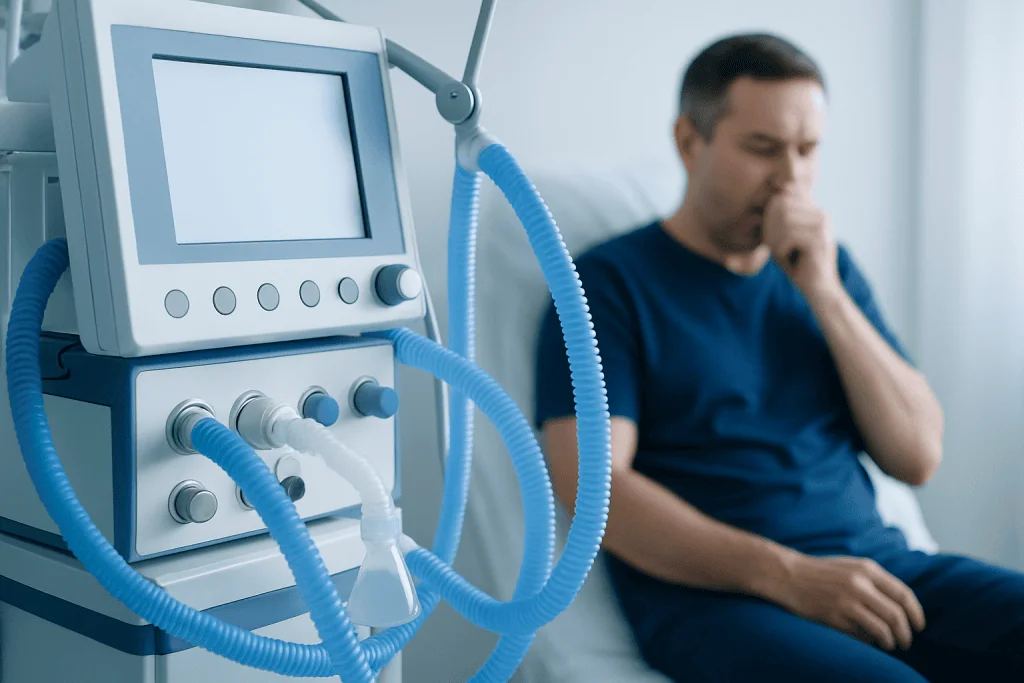
Symptoms of popcorn lung often develop gradually, although they can sometimes begin after a significant exposure or infection. The most common symptom is shortness of breath, especially during activity such as climbing stairs or walking briskly. Many people also notice a dry cough that persists for weeks or months.
Wheezing may occur because narrowed small airways create resistance to airflow. Some people describe chest tightness, unusual fatigue during exercise, or a feeling that they cannot take a full breath. In more advanced cases, everyday activities may become harder because the lungs are not moving air efficiently.
Symptoms vary from person to person, but patterns that should raise concern include:
- Ongoing cough without a clear explanation
- Breathlessness that is new, worsening, or out of proportion to a recent illness
- Wheezing that does not respond well to usual inhalers
- Reduced exercise tolerance
- Symptoms after chemical, smoke, or vapor exposure
These symptoms are not specific to popcorn lung. They can overlap with asthma and other respiratory problems, which is why a clinician typically looks at the full medical history, exposure history, and test results before making a diagnosis.
Causes and risk factors

Popcorn lung develops when the small airways are injured and heal with scarring. One recognized cause is inhalation of toxic substances, including certain industrial chemicals, fumes, and irritants. Diacetyl, a buttery flavoring chemical historically associated with microwave popcorn manufacturing, is the best-known example, but it is not the only possible trigger. Other inhaled substances, including some workplace vapors and smoke exposures, may also damage the bronchioles.
Infections can sometimes lead to bronchiolitis obliterans, especially severe viral infections that inflame the airways. Autoimmune and inflammatory disorders, such as rheumatoid arthritis and some connective tissue diseases, are also associated with small airway injury. In transplant medicine, bronchiolitis obliterans may occur as a complication after lung transplant or after stem cell or bone marrow transplant, often related to immune reactions.
Risk is not the same for everyone. Factors that may increase the chance of developing this condition include:
- Repeated or intense exposure to workplace chemicals, dusts, or fumes
- Prior severe respiratory infection
- Autoimmune disease
- History of lung transplant or hematopoietic stem cell transplant
- Smoking or vaping, which can add airway irritation and complicate lung health
Research on vaping and bronchiolar injury is ongoing. Not everyone who vapes develops popcorn lung, and the condition should not be assumed without testing. Still, inhaling aerosolized chemicals may irritate the lungs, so clinicians often ask detailed questions about vaping, occupational exposures, hobbies, and home environment when evaluating unexplained breathing symptoms.
How doctors diagnose popcorn lung
Diagnosis starts with a detailed conversation about symptoms, medical history, and possible exposures. A doctor may ask about work with chemicals, recent respiratory infections, autoimmune conditions, smoking or vaping, and any history of transplantation. Listening to the lungs and checking oxygen levels provide helpful clues, but these steps alone cannot confirm the diagnosis.
Breathing tests are often central to the workup. Pulmonary function tests measure how much air a person can move and how quickly they can exhale. In popcorn lung, these tests often show an obstructive pattern that does not fully reverse with bronchodilator medication. Doctors may also arrange imaging, such as a chest CT scan, to look for signs of air trapping and small airway disease.
Sometimes additional tests are needed to rule out other conditions and identify the cause. These may include blood tests for autoimmune disease, tests for infection, or specialized procedures such as bronchoscopy to inspect the airways and collect samples. In selected cases, a lung biopsy may be considered if the diagnosis remains uncertain and the result would change management.
The goal of diagnosis is not simply to label the condition. It is also to determine whether the airway injury is active, what may have triggered it, and whether there are treatable contributing factors. This step is important because treatment works best when the underlying cause is addressed as early as possible.
Treatment options and long-term management
There is no single cure that reverses established scarring in every case, so treatment focuses on preventing further injury, reducing inflammation when possible, and improving day-to-day breathing. The first step is usually to remove or avoid the suspected trigger, such as a workplace exposure or other inhaled irritant. If the condition is linked to infection, autoimmune disease, or transplant-related immune complications, care is directed at that underlying problem as well.
Depending on the cause and severity, doctors may use inhaled medications to open the airways and reduce symptoms. Some patients are treated with corticosteroids or other anti-inflammatory or immunosuppressive medicines, particularly when active inflammation is thought to be contributing. If oxygen levels are low, supportive oxygen therapy may be recommended. In advanced or complex cases, a person may be referred for comprehensive pulmonary rehabilitation to improve stamina, breathing efficiency, and quality of life.
Many people benefit from a structured self-management plan. This may include vaccines to reduce the risk of respiratory infections, supervised exercise, attention to nutrition, and regular follow-up testing to monitor lung function over time. If another respiratory disorder is present, such as recurrent airway inflammation, treatment is tailored so that all contributing factors are addressed together.
In rare, severe cases where breathing becomes profoundly limited and other treatments are no longer enough, advanced therapies may be considered. A respiratory specialist can explain the likely benefits and limitations of each option and help patients make informed decisions based on their individual condition.
Prevention and self-care
Prevention begins with reducing exposure to substances that can injure the lungs. In occupational settings, that may mean proper ventilation, protective equipment, and adherence to workplace safety guidance. At home, avoiding smoke, harsh fumes, and unnecessary inhalation of aerosols can support small airway health. People who work with chemicals should report respiratory symptoms early rather than waiting for them to become persistent.
General lung care also matters. Not smoking, avoiding secondhand smoke, and discussing vaping honestly with a clinician are practical steps. Keeping up with recommended vaccines, especially those that lower the risk of serious respiratory infection, may help reduce the chance of complications that can affect the airways.
For people already diagnosed with popcorn lung, self-care supports but does not replace medical treatment. Helpful measures may include:
- Taking prescribed medicines as directed
- Attending follow-up appointments and repeat lung function tests
- Exercising within medically advised limits
- Seeking prompt care for respiratory infections
- Learning breathing techniques through rehabilitation support when recommended
Patients with persistent symptoms may benefit from care by a team that includes pulmonology, radiology, rehabilitation, and other specialties. Near the end of the care pathway, if specialist assessment is needed, Acibadem International’s multidisciplinary specialists and JCI-accredited hospitals diagnose and treat respiratory conditions for international patients.
When to seek medical care
Medical assessment is important if a cough, wheeze, or shortness of breath lasts longer than expected, keeps returning, or begins after exposure to fumes, dust, or chemicals. A person should also arrange a medical visit if breathing symptoms interfere with exercise, work, or sleep, or if standard treatment for asthma or bronchitis does not seem to help.
Urgent medical attention is needed for severe shortness of breath, bluish lips or fingertips, chest pain, confusion, or symptoms that worsen quickly. These signs do not always mean popcorn lung, but they can indicate a serious breathing problem that should not be ignored.
Early evaluation can make a meaningful difference. Identifying the cause, stopping further exposure, and starting appropriate treatment may help slow progression and improve symptom control. A qualified doctor or respiratory specialist can explain which tests are appropriate and what the findings mean in a clear, personalized way.
Frequently asked questions
Is popcorn lung caused by eating popcorn?
No. Popcorn lung is not caused by eating popcorn. The name comes from cases linked to inhaling certain flavoring chemicals used in some manufacturing settings, not from consuming the food itself.
Can popcorn lung be cured?
Treatment can help control symptoms, address the underlying cause, and reduce further lung injury, but established scarring may not fully reverse. Outcomes vary depending on how early the condition is found, what caused it, and how much airway damage is present.
Is popcorn lung the same as asthma?
No. Both conditions can cause cough, wheezing, and shortness of breath, but they are not the same. Popcorn lung involves scarring and narrowing of the small airways, while asthma is usually characterized by airway inflammation and narrowing that is often more reversible.
How is popcorn lung different from COPD?
COPD is a broader term that usually includes chronic bronchitis and emphysema, most often related to smoking or long-term irritant exposure. Popcorn lung specifically refers to bronchiolitis obliterans, which affects the small airways and may arise from chemicals, infections, autoimmune disease, or transplant-related complications.
Can vaping cause popcorn lung?
Vaping has been linked to lung irritation and injury, but popcorn lung should not be diagnosed based on vaping history alone. A doctor needs to review symptoms, exposure history, and test results to determine the actual cause of breathing problems.
What tests are usually needed?
Doctors often begin with a medical history, physical exam, lung function tests, and chest imaging such as CT. If the diagnosis remains unclear, they may recommend blood tests, bronchoscopy, or in selected cases a biopsy.
This article is for general information only and is not a substitute for professional medical advice. Please consult a qualified doctor about your individual situation.
Explore treatments in Turkey — costs, top hospitals & a free quote
JCI-accredited · board-certified surgeons · reply within 24h
Add us as a Preferred Source to see more of our trusted health content across Google Search, AI Overviews and Discover.

More from the Health Library

Concrete Burns — Explained by Medical Evidence, Not Myths

When General Symptoms Need Medical Attention: Fatigue, Weight Change, Fever, and More

Cottage Cheese Benefits — Explained by Medical Evidence, Not Myths

Corticosteroids — Explained by Medical Evidence, Not Myths

Unsaturated Fats: An Evidence-Based Guide for Patients