Paronychia: An Evidence-Based Guide for Patients

Paronychia affects the skin around the nail and may be acute or chronic. Common triggers include nail biting, picking, manicures, ingrown nails, and frequent wet work.
Key Takeaways
- Paronychia affects the skin around the nail and may be acute or chronic.
- Common triggers include nail biting, picking, manicures, ingrown nails, and frequent wet work.
- Warm soaks may help mild early cases, but pus, severe pain, spreading redness, or fever need medical assessment.
- Treatment depends on the cause and may include drainage, antibiotics, antifungal care, and skin-protection measures.
- People with diabetes, poor circulation, or weakened immunity should seek care early for any nail infection.
Paronychia is inflammation or infection of the skin around a fingernail or toenail, most often caused by bacteria, yeast, repeated moisture, or minor trauma. Many cases are mild, but prompt care can relieve pain, prevent complications, and help protect the nail.
What paronychia is
Paronychia is inflammation of the nail fold, the skin that borders the nail on the sides or at the base. It usually develops when this protective barrier is damaged, allowing irritation, bacteria, or yeast to enter. The area may become red, swollen, tender, and warm, and sometimes fluid or pus collects under the skin.
Doctors usually describe paronychia as either acute or chronic. Acute paronychia appears quickly over hours to a few days and is more often linked to bacteria after a small injury, such as picking at a hangnail or trimming the cuticle. Chronic paronychia lasts longer, often for weeks or months, and is more commonly related to repeated moisture, irritants, and yeast overgrowth rather than a single infection.
Paronychia can affect fingernails or toenails, though fingernails are more commonly involved. It is often confused with other nail and skin problems, including an ingrown toenail, fingertip infections, hand eczema, or fungal nail disease. Correct diagnosis matters because the best treatment depends on the underlying cause.
Signs and symptoms
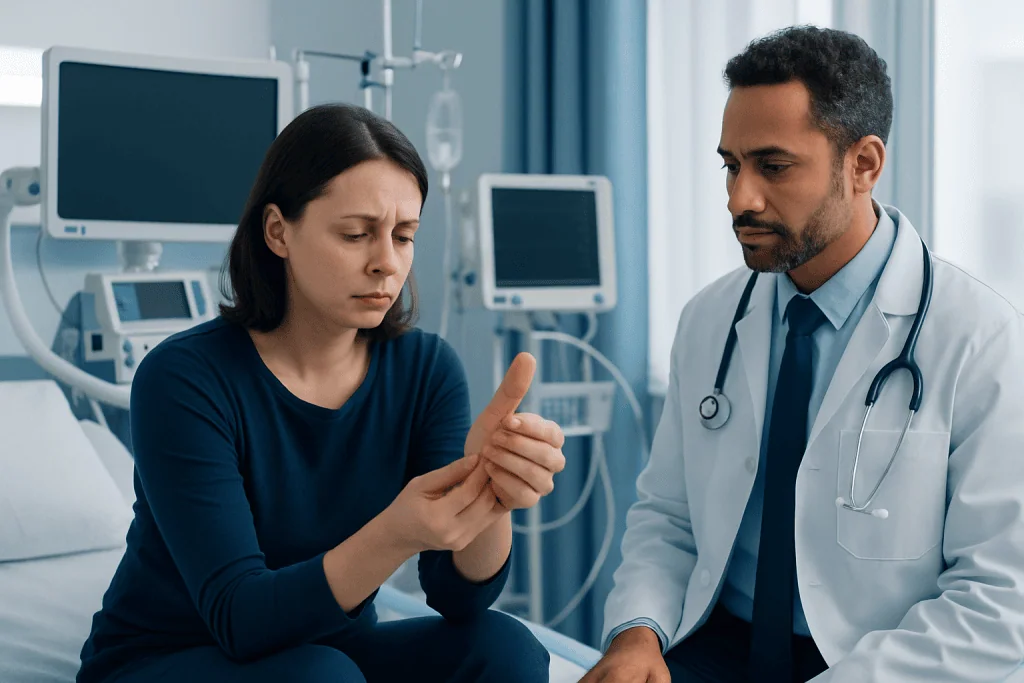
The symptoms of paronychia depend on how suddenly it starts and what is causing it. In acute paronychia, the skin around the nail often becomes painful first. Redness, swelling, throbbing, and tenderness usually follow, and the area may feel warm. If an abscess forms, a small pocket of pus may be visible, and pressure can make the fingertip quite uncomfortable.
Chronic paronychia tends to look less dramatic but can be more persistent. The skin around the nail may stay puffy, mildly sore, shiny, or discolored. The cuticle can separate or disappear, which leaves the nail more exposed to moisture and germs. Over time, the nail itself may become ridged, thickened, or misshapen while inflammation continues around it.
Symptoms can vary from one nail to another. Common features include:
- Redness and swelling around the nail
- Pain or tenderness when touching the area
- Warmth, throbbing, or pressure
- Pus or cloudy fluid near the nail fold
- Changes in the cuticle or nail shape in chronic cases
Causes and risk factors

Paronychia develops when the natural seal around the nail is broken or repeatedly irritated. Acute cases often follow a minor injury that may seem trivial at first. Examples include biting nails, picking at the skin, pulling hangnails, aggressive manicures, trimming or pushing back cuticles, splinters, or small cuts from household or workplace tasks. Bacteria, especially common skin bacteria, can then enter and trigger infection.
Chronic paronychia is more strongly linked to ongoing exposure to water, detergents, chemicals, and friction. It is common in people whose hands stay wet for long periods, such as cleaners, food handlers, healthcare workers, hairstylists, and people who do frequent dishwashing. In these cases, yeast such as Candida may contribute, but the main problem is often repeated irritation and a damaged skin barrier.
Some health conditions can make paronychia more likely or harder to heal. These include diabetes, poor circulation, eczema, immune suppression, and nail disorders. Toenail paronychia may also occur alongside pressure from tight shoes or an ingrown toenail. In a few cases, persistent inflammation around one nail can be related to another skin condition, so long-lasting or unusual symptoms should be assessed by a clinician.
How doctors diagnose paronychia
Paronychia is usually diagnosed through a medical history and physical examination. A doctor will ask when symptoms began, whether the problem came on suddenly or has been recurring, and whether there has been nail trauma, wet work, cosmetic nail treatment, or underlying illness. The appearance of the nail fold often gives important clues about whether the condition is acute or chronic.
If there is obvious pus, the doctor may identify an abscess that needs drainage. If the problem is severe, recurrent, or not improving with standard care, additional testing may be considered. This can include taking a sample for bacterial culture, checking for yeast or fungal involvement, or evaluating for related conditions that can mimic paronychia.
Diagnosis also involves ruling out similar problems. These can include herpetic whitlow, contact dermatitis, cellulitis, psoriasis, and nail fungus. When nail changes are prominent, a clinician may also look for signs of nail fungus or another ongoing nail disorder, because treatment will differ depending on the cause.
Treatment options
Treatment for paronychia depends on whether it is early or advanced, acute or chronic, and whether pus is present. Mild early acute paronychia may improve with warm water soaks several times a day, keeping the area clean, and avoiding further trauma. These measures can reduce swelling and encourage drainage if the infection is just beginning.
When an abscess has formed, medical drainage is often the most effective treatment. This relieves pressure and removes trapped pus so healing can begin. A doctor may also prescribe medicines based on the most likely cause, such as antibiotics for bacterial infection or antifungal treatment when chronic inflammation is linked to yeast. If there is significant pain, spreading redness, or surrounding skin infection, professional treatment is especially important.
Chronic paronychia usually improves only when the nail fold is protected from repeated irritation. This often means reducing wet exposure, using protective gloves when appropriate, moisturizing the skin barrier, and treating inflammation along with any yeast overgrowth. If an underlying problem such as an ingrown nail contributes to repeated episodes, clinicians may recommend targeted care, including evaluation for ingrown toenail treatment. If nail changes suggest broader skin disease, specialist dermatology care may also be helpful.
It is best not to squeeze, cut, or puncture the area at home. Attempting to drain a paronychia without proper technique can worsen the infection, injure the nail matrix, and increase the risk of scarring or deeper spread.
Self-care and prevention
Prevention focuses on protecting the skin seal around the nail. Cuticles should not be cut or aggressively pushed back, because they help block germs and moisture. Nails are best trimmed straight and not too short, and hangnails should be carefully clipped rather than pulled. People who bite nails or pick at the surrounding skin may benefit from habit-reduction strategies.
For those prone to chronic paronychia, keeping hands as dry as practical can make a meaningful difference. Gloves can help during cleaning, dishwashing, or other wet work, especially when worn with breathable cotton liners if tasks are prolonged. Fragrance-free moisturizers or barrier creams may help restore skin protection after washing.
Practical prevention tips include:
- Avoid biting nails and picking at cuticles
- Do not trim cuticles during home nail care
- Limit prolonged water exposure and harsh cleaning products
- Wear well-fitting shoes to reduce pressure on toenails
- Seek early care for recurring nail edge pain or swelling
People who have frequent nail infections, diabetes, eczema, or circulation problems should be especially careful with nail care. Prompt attention to small injuries can prevent a more painful infection later.
When to seek medical care
Medical care is advisable if the area is very painful, swollen, or filled with pus, or if redness is spreading beyond the nail fold. Fever, chills, or difficulty using the finger or toe are also reasons to seek prompt assessment. Early treatment can shorten recovery and reduce the chance of the infection extending into deeper tissues.
Some people should not wait to see whether symptoms settle on their own. This includes anyone with diabetes, poor circulation, a weakened immune system, severe eczema, or repeated episodes of paronychia. Care is also important if home measures have not helped after a day or two for an acute case, or if symptoms have persisted for weeks in a chronic case.
If the diagnosis is uncertain or the nail is becoming distorted, specialist evaluation may be useful. In complex cases, doctors may coordinate care with services such as infectious diseases care or nail-focused skin specialists. Acibadem International’s multidisciplinary specialists and JCI-accredited hospitals diagnose and treat paronychia and related nail conditions for international patients.
Frequently asked questions
Is paronychia a fungal infection or a bacterial infection?
It can be either, depending on the type. Acute paronychia is more often bacterial and starts suddenly, while chronic paronychia is commonly linked to repeated irritation with yeast contributing in some cases. A doctor can help determine the most likely cause and treatment.
Can paronychia go away on its own?
Mild early cases sometimes improve with warm soaks, protecting the area, and avoiding further nail trauma. However, if pus forms, pain worsens, or redness spreads, medical treatment is usually needed. Chronic cases often continue unless the nail fold is protected from moisture and irritation.
Should a person drain paronychia at home?
Home drainage is not recommended. Squeezing, cutting, or puncturing the area can push infection deeper, injure the nail, and delay healing. A clinician can safely assess whether drainage is necessary.
How long does paronychia take to heal?
Recovery time varies with the cause and severity. Acute paronychia often improves within days after proper treatment, especially if any abscess is drained promptly. Chronic paronychia may take weeks or longer because the skin barrier around the nail must recover.
Is paronychia contagious?
Paronychia itself is not usually considered highly contagious in everyday contact. The bacteria or yeast involved can be common on skin or in the environment, and the problem usually develops when the nail barrier is damaged. Good hand hygiene and not sharing nail tools are sensible precautions.
Can toenail paronychia be caused by an ingrown nail?
Yes. When the edge of the nail presses into the surrounding skin, it can break the barrier and allow inflammation or infection to develop. This is one reason repeated swelling at the side of a toenail should be medically assessed.
References
- American Academy of Dermatology
- Merck Manual Professional Edition
- NHS
- Mayo Clinic
- MedlinePlus
This article is for general information only and is not a substitute for professional medical advice. Please consult a qualified doctor about your individual situation.
Explore treatments in Turkey — costs, top hospitals & a free quote
JCI-accredited · board-certified surgeons · reply within 24h
Add us as a Preferred Source to see more of our trusted health content across Google Search, AI Overviews and Discover.

More from the Health Library



Related Specialists

Prof. Dr. Feyzullah Çetinkaya
Pediatrics
Dt. Gözde Anıl Gürbüz
Oral & Dental Health
Dr. Mine İnan
Gynecology & Obstetrics
Assoc. Prof. Dr. Mustafa Kaplangöray
Cardiology