Nitrous Oxide: A Complete Medical Overview

Nitrous oxide is commonly used as a medical sedative and pain-relieving gas, often called laughing gas. When administered correctly in healthcare settings, it works quickly and usually wears off within minutes.
Key Takeaways
- Nitrous oxide is commonly used as a medical sedative and pain-relieving gas, often called laughing gas.
- When administered correctly in healthcare settings, it works quickly and usually wears off within minutes.
- Misuse or frequent recreational use can lead to oxygen deprivation, vitamin B12-related nerve damage, and other complications.
- Warning signs after exposure include confusion, breathing difficulty, numbness, weakness, or loss of balance.
- Medical evaluation may include a physical exam, blood tests, and sometimes imaging or nerve studies depending on symptoms.
Nitrous oxide is a gas used in medicine and dentistry to reduce pain, anxiety, and discomfort during procedures. It is generally safe when given by trained professionals, but non-medical use can cause serious short- and long-term health problems, especially with repeated exposure.
Overview: what nitrous oxide is and why it matters
Nitrous oxide is a colorless gas used in healthcare to provide short-term pain relief, relaxation, and mild sedation. Many people know it as laughing gas. In medical and dental settings, it is mixed with oxygen and carefully monitored, which helps make procedures more comfortable while allowing the person to stay responsive.
The same substance can become harmful when used outside professional supervision. Recreational misuse may involve inhaling nitrous oxide from cartridges, tanks, or balloons, often in amounts that are not controlled and without adequate oxygen. This can lead to immediate risks such as dizziness, falls, and breathing problems, as well as delayed complications affecting the nervous system and blood.
Nitrous oxide is therefore best understood in two different contexts: a legitimate medical tool when properly administered, and a potential source of injury when misused. Understanding this difference helps patients, families, and caregivers recognize both its benefits and its dangers.
How nitrous oxide is used in medicine
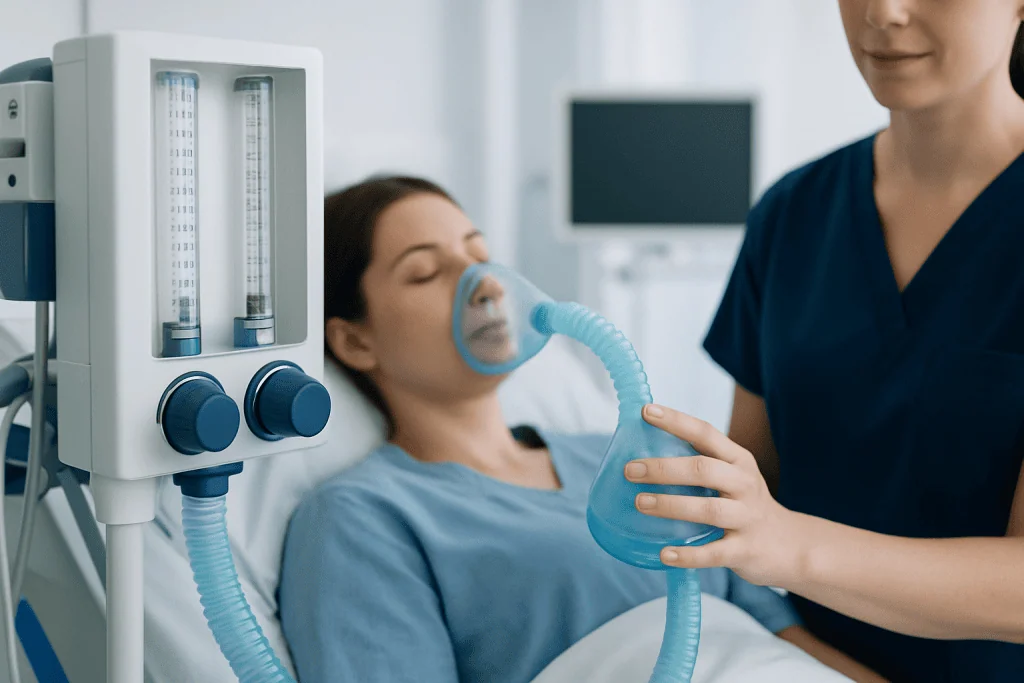
In healthcare, nitrous oxide is commonly used for dental work, minor procedures, labor support, and situations where brief pain control or anxiety reduction is needed. It acts quickly when inhaled and usually leaves the body rapidly once the gas is stopped. This fast onset and recovery are part of the reason it remains widely used.
People receiving nitrous oxide in a medical setting are observed by trained professionals who control the dose and oxygen level. This reduces the risk of low oxygen and helps ensure the person remains comfortable and stable throughout the procedure. In many cases, nitrous oxide may be part of a broader sedation or anesthesia plan, depending on the procedure and the patient’s age and overall health.
Medical teams also review whether nitrous oxide is appropriate for each patient. Certain lung conditions, vitamin B12 deficiency, pregnancy-related factors, recent ear or eye procedures, or other health concerns may affect the decision. If a procedure needs deeper sedation or anesthesia, the care plan may involve anesthesia and perioperative monitoring instead of, or in addition to, nitrous oxide.
Short-term effects and possible symptoms after exposure

When given properly, nitrous oxide can cause a temporary feeling of lightness, relaxation, warmth, tingling, or mild euphoria. Some people also notice a change in sound perception or a floating sensation. These effects usually resolve quickly after the gas is stopped.
Even in supervised use, some short-term side effects can happen. These may include nausea, vomiting, headache, dizziness, sweating, or fatigue. Less commonly, people may feel anxious, confused, or uncomfortable during recovery. Most of these effects are mild and improve soon after breathing normal air or oxygen.
Problems are more likely with non-medical use or heavy exposure. Warning symptoms can include fainting, poor coordination, chest tightness, difficulty breathing, blue lips or fingertips, unusual behavior, or loss of consciousness. Because nitrous oxide can reduce oxygen intake if it is inhaled improperly, severe exposure should be treated as a medical emergency.
- Common short-term effects: dizziness, giggling, tingling, nausea
- Concerning symptoms: confusion, severe headache, collapse, breathing trouble
- Emergency signs: unresponsiveness, seizures, injury after a fall, persistent low oxygen symptoms
Long-term risks, misuse, and who is more vulnerable
Repeated or heavy nitrous oxide misuse can interfere with vitamin B12 function in the body. This matters because vitamin B12 is essential for healthy nerves and blood cell production. Over time, a person may develop numbness, tingling, burning pain, weakness, difficulty walking, memory changes, or mood symptoms. Some people also develop anemia or spinal cord problems related to functional B12 deficiency.
These complications can occur even when a person looks otherwise healthy. Risk may be higher in people who already have low vitamin B12 levels, limited dietary intake, digestive disorders that affect absorption, prior stomach or bowel surgery, or certain autoimmune conditions. Existing neurologic disease can also make symptoms harder to recognize early. Nerve-related symptoms may resemble other conditions, including multiple sclerosis or peripheral neuropathy, which is why medical assessment is important.
Another concern is accidental injury. Intoxication can impair judgment and balance, increasing the chance of falls, burns, traffic accidents, or unsafe decisions. Frost injuries can also occur if a pressurized source is handled incorrectly. During pregnancy, any substance use should be discussed with a qualified clinician, since unsupervised inhalation may pose risks to both the pregnant person and the developing baby.
How doctors diagnose nitrous oxide-related problems
Diagnosis begins with a careful history. Doctors ask whether nitrous oxide was used medically or recreationally, how often exposure occurred, what symptoms followed, and whether there are any pre-existing conditions such as anemia, digestive disease, or neurologic disorders. Honest disclosure helps doctors identify the cause more quickly and avoid unnecessary delays.
A physical examination may focus on the nervous system, breathing, heart rate, mental status, and signs of injury. Blood tests may be used to check vitamin B12 status, blood counts, and related metabolic markers. In some cases, additional testing is needed to evaluate numbness, weakness, or balance problems.
If symptoms are significant or persistent, doctors may request imaging or specialized studies. Depending on the situation, this can include MRI to look for spinal cord or brain changes, or assessments by specialists in neurology for nerve and coordination symptoms. The goal is not only to confirm nitrous oxide-related harm, but also to rule out other serious causes.
Treatment and recovery
Treatment depends on how nitrous oxide was used and what complications developed. For mild short-lived effects after supervised medical use, no specific treatment may be needed beyond observation and rest. If someone has breathing problems, altered consciousness, or oxygen deprivation after misuse, urgent medical care is required to stabilize the airway, breathing, and circulation.
When nerve symptoms or blood abnormalities are suspected, doctors often evaluate for functional vitamin B12 deficiency and may start treatment based on clinical findings and test results. Recovery can take time, especially if numbness, weakness, or walking problems have been present for weeks or months. Stopping nitrous oxide exposure is a key part of preventing further damage.
Supportive care may include treatment of injuries, physical rehabilitation, nutritional assessment, and counseling for substance misuse if needed. Some people improve substantially, while others may have lingering symptoms if diagnosis and treatment are delayed. Follow-up is important so doctors can monitor progress and adjust the care plan safely.
Prevention, safer habits, and when to seek medical care
The safest way to use nitrous oxide is only under professional supervision for a medical or dental purpose. Patients should tell their healthcare team about anemia, vitamin B12 deficiency, lung disease, pregnancy, neurologic symptoms, or any past reaction to sedation. Following pre-procedure instructions and arranging support after sedation, when advised, can also help reduce complications.
Recreational use should not be considered harmless. Avoiding unsupervised inhalation, especially from pressurized containers or in enclosed spaces, lowers the risk of oxygen deprivation and injury. If a person is using nitrous oxide repeatedly, early medical and mental health support can help prevent long-term complications.
Medical care should be sought promptly for trouble breathing, chest pain, fainting, confusion, weakness, new numbness or tingling, balance problems, bluish skin color, or symptoms that do not quickly improve after exposure. Persistent neurologic symptoms deserve assessment even if the last use was days or weeks earlier. Near the end of the care pathway, patients seeking coordinated evaluation may wish to know that Acibadem International’s multidisciplinary specialists and JCI-accredited hospitals diagnose and treat neurological, respiratory, and sedation-related conditions for international patients.
Frequently asked questions
Is nitrous oxide safe in medical settings?
Nitrous oxide is generally considered safe when trained professionals administer it with oxygen and appropriate monitoring. It is widely used for short procedures because its effects start and wear off quickly. Safety depends on the person's health, the setting, and proper supervision.
Why is nitrous oxide called laughing gas?
The term laughing gas comes from the lightheaded or euphoric feeling some people experience when inhaling it. Not everyone laughs, but many people feel more relaxed and less anxious. The name is informal and does not describe all of its effects.
Can nitrous oxide cause nerve damage?
Yes, repeated or heavy misuse can contribute to nerve injury by disrupting vitamin B12 function. This may lead to numbness, tingling, weakness, or difficulty walking. Early medical evaluation can improve the chance of recovery.
How long do the effects of nitrous oxide last?
In supervised medical use, the main effects usually wear off within minutes after the gas is stopped. Some people may feel mildly tired or nauseated for a short time afterward. Persistent confusion, weakness, or breathing symptoms are not typical and should be assessed.
What are signs of nitrous oxide misuse?
Possible signs include repeated use of cartridges or balloons, dizziness, falls, poor coordination, confusion, numbness, and changes in mood or memory. Over time, a person may develop weakness or trouble walking. These signs should prompt a medical evaluation rather than judgment.
Should someone go to the emergency room after nitrous oxide exposure?
Emergency care is appropriate if there is trouble breathing, chest pain, blue lips, collapse, seizure, severe confusion, or an injury. Urgent assessment is also important if new numbness, weakness, or balance problems develop after repeated use. When in doubt, it is safest to seek immediate medical advice.
This article is for general information only and is not a substitute for professional medical advice. Please consult a qualified doctor about your individual situation.
Persistent digestive symptoms? Get evaluated in Turkey
JCI-accredited · board-certified surgeons · reply within 24h
Add us as a Preferred Source to see more of our trusted health content across Google Search, AI Overviews and Discover.

More from the Health Library

Endocannabinoid System: A Complete Medical Overview

Sit Ups: A Complete Medical Overview

Cerebral Cortex: What Patients Need to Know

Average Normal Eye Pressure: An Evidence-Based Guide for Patients

Legs Feel Heavy — Explained by Medical Evidence, Not Myths