Average Normal Eye Pressure: An Evidence-Based Guide for Patients
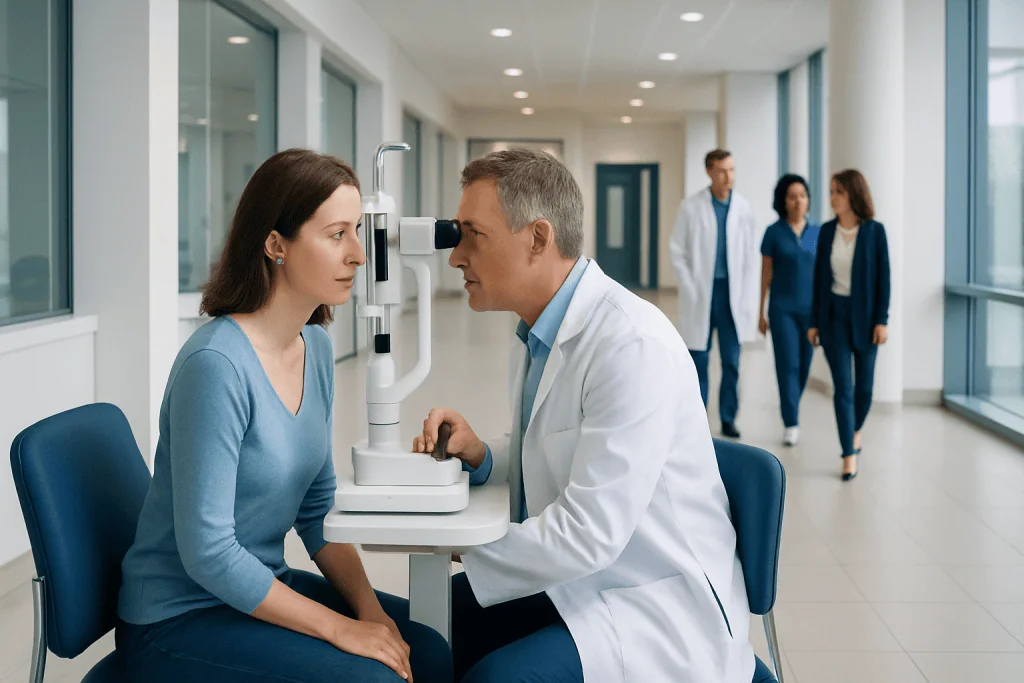
The usual normal range for eye pressure is about 10 to 21 mmHg. Eye pressure naturally changes during the day and should be interpreted with a full eye exam.
Key Takeaways
- The usual normal range for eye pressure is about 10 to 21 mmHg.
- Eye pressure naturally changes during the day and should be interpreted with a full eye exam.
- High eye pressure can raise glaucoma risk, but it does not always mean glaucoma is present.
- Some people develop glaucoma despite normal pressure readings.
- Regular eye exams are important, especially for adults over 40 and people with risk factors.
Average normal eye pressure is generally considered to be between 10 and 21 mmHg (millimeters of mercury). However, a single number does not tell the whole story, because healthy people can fall outside this range and some people develop glaucoma even when pressure is “normal.”
Overview: What average normal eye pressure means
Average normal eye pressure refers to the usual range of pressure inside the eye, also called intraocular pressure or IOP. For most adults, this range is about 10 to 21 mmHg. This pressure is created by the balance between the fluid the eye produces and the fluid that drains out through tiny channels at the front of the eye.
Although this range is widely used, it is best understood as a guide rather than a strict rule. Some people naturally have readings a little above or below this range and still have healthy eyes. Others may have pressure within the normal range but develop optic nerve damage over time, a condition often linked to glaucoma.
That is why eye specialists do not diagnose eye disease based on one pressure reading alone. They consider the optic nerve, the cornea, visual field testing, family history, and other findings. For patients, the most useful message is that eye pressure matters, but it should always be interpreted in context.
How eye pressure is measured and why it can vary
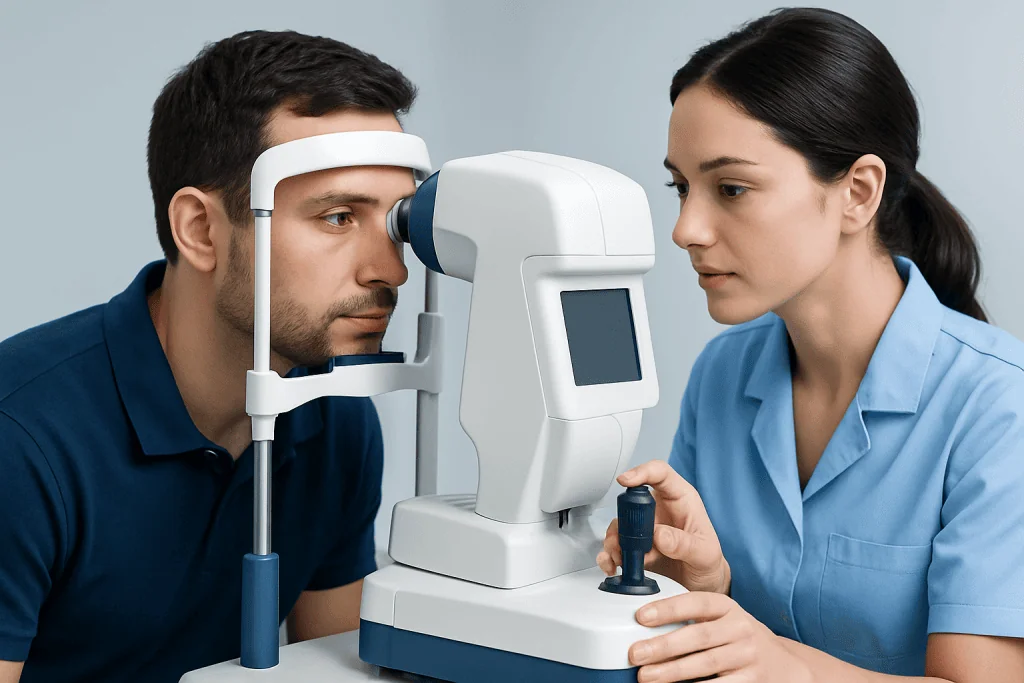
Eye pressure is usually measured with a test called tonometry. During a routine eye exam, the doctor may use a puff-of-air device or a small instrument that gently touches the eye after numbing drops are placed. These tests are quick, and while they may feel unusual, they are typically not painful.
IOP is not fixed throughout the day. It can rise or fall from morning to evening and may be affected by body position, stress, recent fluid intake, exercise, or eye anatomy. Because of these natural fluctuations, one isolated reading may not reflect a person’s usual eye pressure.
Another important factor is corneal thickness. A thicker cornea may make pressure seem higher than it truly is, while a thinner cornea may make it seem lower. This is one reason eye specialists may recommend additional testing such as corneal measurement and optic nerve imaging when they are assessing glaucoma risk.
If a pressure reading appears borderline or unexpectedly high, the doctor may repeat the measurement or check it at different times. A careful interpretation is often more valuable than focusing on a single number.
What is considered low, normal, or high eye pressure?
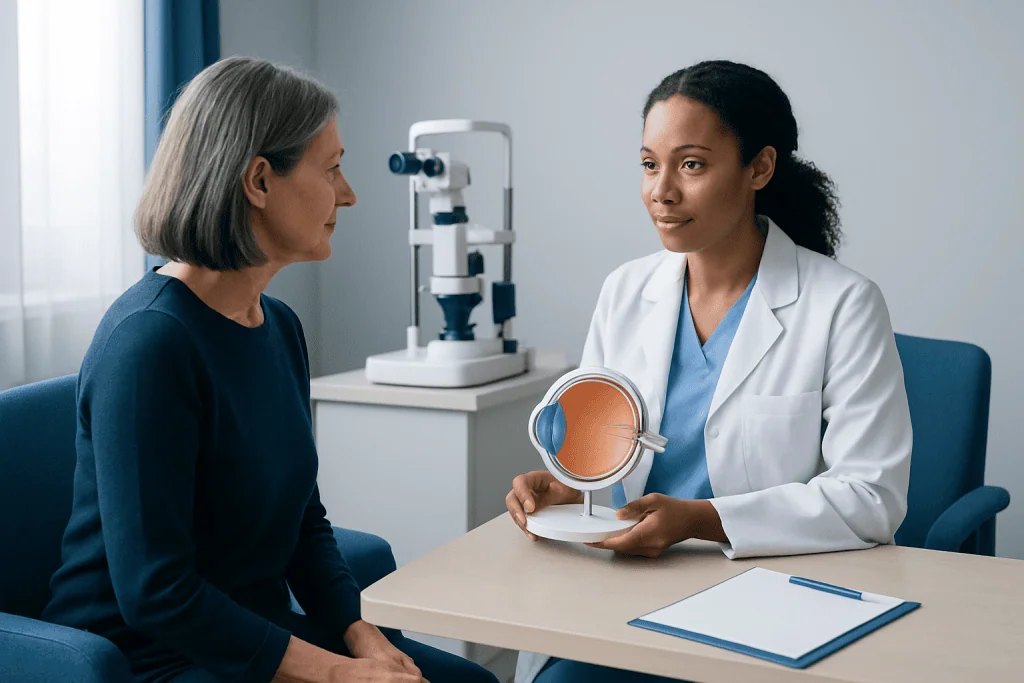
In general, an eye pressure reading between 10 and 21 mmHg is considered normal. Readings above 21 mmHg are often described as elevated and may be called ocular hypertension. Very low pressure can also occur, although it is less common and is usually assessed in relation to symptoms, eye surgery, injury, or other eye conditions.
Still, “normal” does not always mean “safe,” and “high” does not always mean “disease.” A person with a pressure of 24 mmHg may never develop optic nerve damage, while another with a pressure of 17 mmHg may have changes consistent with normal-tension glaucoma. The optic nerve’s sensitivity appears to differ from one person to another.
For this reason, doctors often combine IOP results with other findings, such as:
- Examination of the optic nerve
- Visual field testing
- Corneal thickness measurement
- Drainage angle assessment
- Eye imaging tests
Patients often feel reassured to know that a mildly high reading is not automatically an emergency. It is a reason for follow-up and careful assessment rather than panic.
Why eye pressure matters: glaucoma and other concerns
Eye pressure is important because elevated IOP is one of the main modifiable risk factors for glaucoma. In glaucoma, damage to the optic nerve can gradually affect vision, often without early symptoms. Because vision loss from glaucoma cannot usually be reversed, early detection is especially valuable.
Not all glaucoma is the same. Some people have open-angle glaucoma, which often develops slowly and silently. Others may have forms related to a narrow drainage angle, inflammation, injury, or steroid use. In some situations, eye pressure can rise quickly and cause pain, redness, blurred vision, and nausea. This requires urgent medical assessment.
Eye pressure can also change after eye trauma, eye surgery, or with certain medications. Steroid eye drops, inhalers, tablets, or injections can increase IOP in some individuals. People being monitored for pressure-related problems may also undergo testing for related eye disorders, such as cataract or retinal disease, depending on their symptoms and age.
When glaucoma is suspected or confirmed, treatment is aimed at lowering eye pressure enough to protect the optic nerve. This may involve monitoring, medication, laser procedures, or surgery, depending on the patient’s situation.
Risk factors for abnormal eye pressure and glaucoma
Several factors can increase the chance of elevated eye pressure or pressure-related optic nerve damage. Age is one of the most important. Risk tends to rise after age 40, although younger adults can also be affected. A family history of glaucoma is another major factor and should always be mentioned during an eye exam.
Other risk factors include diabetes, high myopia, previous eye injury, long-term steroid use, thin corneas, and certain ethnic backgrounds associated with higher glaucoma risk. People with sleep apnea, migraine, or circulation-related conditions may also be evaluated more closely in some cases, especially when normal-tension glaucoma is a concern.
Symptoms are not a reliable guide in the early stages. Most people with ocular hypertension or open-angle glaucoma notice no pain and no obvious change in vision at first. That is why regular screening can be more important than waiting for symptoms to appear.
Patients who already know they have raised eye pressure may be offered closer follow-up, lifestyle counseling, and tailored treatment if the optic nerve shows change over time.
Diagnosis and treatment options
If eye pressure is higher than expected, the next step is usually a complete eye examination rather than immediate assumptions. The doctor may examine the optic nerve after pupil dilation, measure corneal thickness, assess the drainage angle, and perform visual field testing. Imaging of the optic nerve and retina can help detect subtle changes that are not yet affecting daily vision.
When treatment is needed, prescription eye drops are often the first option. These medicines either reduce fluid production in the eye or improve its drainage. The choice depends on overall eye health, side effects, ease of use, and whether the goal is prevention in ocular hypertension or treatment of confirmed glaucoma.
Some patients may benefit from laser treatment to improve fluid drainage, such as glaucoma treatment. If medicines and laser are not enough, surgery may be considered to create a new drainage pathway or reduce pressure more effectively. People who need combined care for age-related lens changes may also be assessed for cataract surgery when appropriate, since lens removal can sometimes influence angle anatomy in selected patients.
For patients seeking specialist evaluation, Acibadem International’s multidisciplinary eye teams in JCI-accredited hospitals diagnose and treat pressure-related eye conditions for international patients. Individual care plans are based on the person’s pressure levels, optic nerve findings, symptoms, and overall risk profile.
Prevention, self-care, and follow-up
There is no guaranteed way to prevent all causes of abnormal eye pressure, but regular eye examinations are the most effective practical step. Adults over 40, people with a family history of glaucoma, and those using long-term steroid medication should ask their doctor how often they should be checked.
Self-care mainly means protecting overall eye health and following medical advice consistently. If eye drops are prescribed, they should be used exactly as directed. Skipping doses can make pressure control less reliable. Patients should also tell their eye doctor about all medications they use, including inhalers, steroid creams around the eyes, and over-the-counter products.
Helpful habits may include wearing protective eyewear during sports or hazardous work, controlling chronic conditions such as diabetes, and attending scheduled follow-up visits. Patients should avoid starting or stopping steroid medications on their own without medical guidance.
Many people ask whether diet, supplements, or exercises can normalize eye pressure. While healthy living supports general wellbeing, these approaches should not replace medical monitoring. If pressure is a concern, follow-up with an ophthalmologist is the safest way to protect long-term vision.
When to seek medical care
Routine care is important if an eye exam shows borderline or elevated pressure, even if there are no symptoms. A follow-up visit allows the doctor to confirm whether the pressure is consistently high and whether the optic nerve is healthy. This is especially important for anyone with a family history of glaucoma or prior steroid use.
Urgent medical attention is needed if high eye pressure is accompanied by severe eye pain, sudden blurred vision, halos around lights, redness, headache, nausea, or vomiting. These symptoms can occur with acute angle-closure glaucoma, which requires prompt treatment to protect vision.
Medical review is also recommended after an eye injury, after eye surgery if symptoms change, or if a person notices gradual loss of side vision. Patients who already have diagnosed glaucoma should seek advice promptly if they miss medication for several days or have trouble using their drops.
Early assessment is generally reassuring because many pressure-related problems can be monitored or treated before they cause noticeable vision loss. In some cases, doctors may also recommend related procedures such as lens-based treatment or broader evaluation depending on the eye’s anatomy and associated conditions.
Frequently asked questions
What is the average normal eye pressure?
Average normal eye pressure is usually between 10 and 21 mmHg. This range is a useful guide, but doctors also consider the optic nerve, corneal thickness, and other test results before deciding whether the pressure is healthy for a specific person.
Is 22 mmHg eye pressure dangerous?
A reading of 22 mmHg is slightly above the usual normal range, but it does not automatically mean serious disease. It usually means the eye should be assessed more closely and possibly rechecked, especially if there are other glaucoma risk factors.
Can someone have glaucoma with normal eye pressure?
Yes. This is often called normal-tension glaucoma. In these cases, optic nerve damage occurs even though the pressure reading falls within the standard normal range.
Do eye pressure readings change during the day?
Yes, eye pressure can vary naturally over the course of the day. That is one reason doctors may repeat measurements or compare results over time rather than relying on a single test.
How often should eye pressure be checked?
The right schedule depends on age, family history, medications, and previous exam results. Many adults benefit from routine eye exams, while people with glaucoma risk factors may need more frequent monitoring as advised by an eye specialist.
Can stress or exercise affect eye pressure?
Eye pressure can be influenced by several short-term factors, including body position, fluid intake, and certain types of physical exertion. These changes are usually temporary, but they help explain why pressure is interpreted alongside the full eye examination.
References
- American Academy of Ophthalmology
- National Eye Institute
- Centers for Disease Control and Prevention
- National Institute for Health and Care Excellence
- World Health Organization
This article is for general information only and is not a substitute for professional medical advice. Please consult a qualified doctor about your individual situation.
Explore treatments in Turkey — costs, top hospitals & a free quote
JCI-accredited · board-certified surgeons · reply within 24h
Add us as a Preferred Source to see more of our trusted health content across Google Search, AI Overviews and Discover.

More from the Health Library

Heller Myotomy: What Patients Need to Know
Facial Tic: An Evidence-Based Guide for Patients

Hemotympanum: An Evidence-Based Guide for Patients

Tizanidine: An Evidence-Based Guide for Patients
Assimplants — Explained by Medical Evidence, Not Myths