Heller Myotomy: What Patients Need to Know

Heller myotomy treats achalasia by reducing resistance at the junction between the esophagus and stomach. The procedure is usually performed with minimally invasive laparoscopic surgery and is often combined with an anti-reflux procedure.
Key Takeaways
- Heller myotomy treats achalasia by reducing resistance at the junction between the esophagus and stomach.
- The procedure is usually performed with minimally invasive laparoscopic surgery and is often combined with an anti-reflux procedure.
- Testing before surgery confirms the diagnosis, measures esophageal function, and helps exclude other causes of swallowing difficulty.
- Most people begin with liquids after surgery and gradually return to a broader diet according to their surgical team's instructions.
- Heartburn or reflux can occur after myotomy, so follow-up and long-term symptom monitoring remain important.
Heller myotomy is an operation used mainly to treat achalasia, a swallowing disorder in which the lower esophageal sphincter does not relax properly. By dividing tight muscle fibers at the lower end of the esophagus, it can improve swallowing and reduce regurgitation, chest discomfort, and related symptoms.
Overview: What Is a Heller Myotomy?
Heller myotomy is a surgical procedure that helps food and liquids move from the esophagus into the stomach. It is most often used for achalasia, a condition in which the lower esophageal sphincter, the ring of muscle at the bottom of the esophagus, fails to relax normally during swallowing. In achalasia, the coordinated contractions that usually push food downward may also be reduced or absent.
During the operation, a surgeon carefully divides muscle fibers in the lower esophagus and sometimes a short portion of the upper stomach. This reduces the tightness of the outlet without removing the esophagus or changing its basic pathway. The goal is to make swallowing easier while preserving as much normal function as possible.
Today, the operation is commonly performed as a laparoscopic Heller myotomy, using several small abdominal incisions and a camera. It may also be performed with robotic assistance in selected settings. Because weakening the lower esophageal sphincter can increase the chance of acid reflux, surgeons commonly add a partial fundoplication, in which part of the upper stomach is positioned around the lower esophagus to provide some reflux protection.
Who May Benefit From This Procedure?
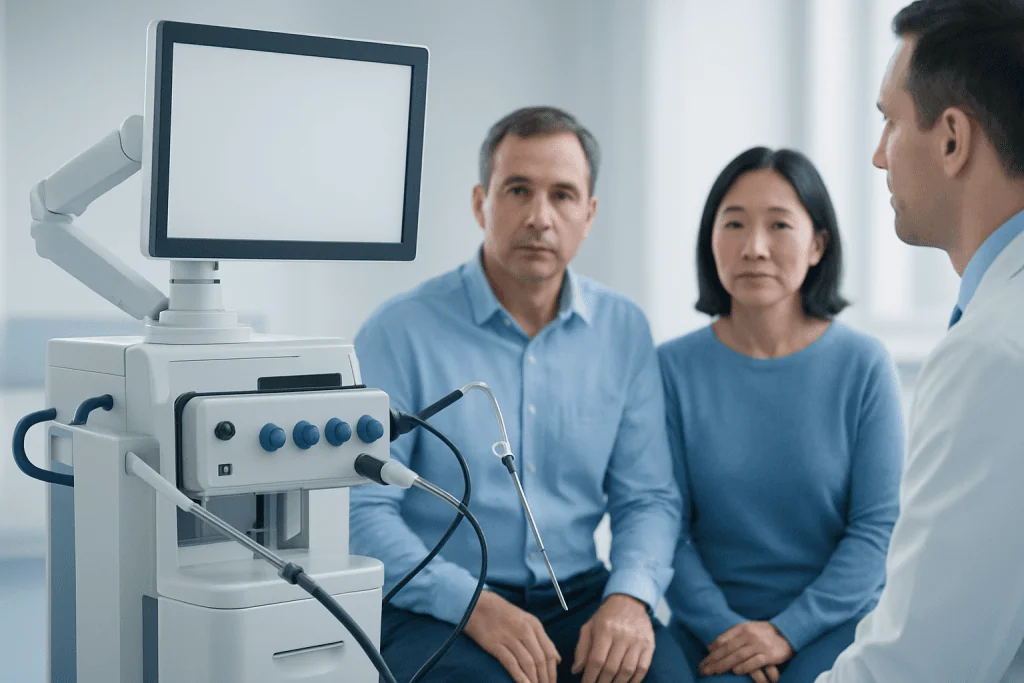
A Heller myotomy may be considered for people with confirmed achalasia whose symptoms affect eating, drinking, nutrition, sleep, or daily comfort. Common symptoms include difficulty swallowing solids and liquids, food coming back up into the mouth, chest pressure or pain, coughing at night, and unintended weight loss. Symptoms can develop gradually and may initially be mistaken for reflux or anxiety.
The choice of treatment depends on the achalasia subtype, the shape and function of the esophagus, a person’s age and overall health, previous treatments, and personal preferences. Some people may first have pneumatic balloon dilation or botulinum toxin injection. Another established option is peroral endoscopic myotomy, often called POEM, which creates the muscle division through an endoscope passed through the mouth rather than through abdominal incisions.
Heller myotomy can be especially appropriate when a surgical anti-reflux procedure is desirable, when another treatment has not given lasting symptom relief, or when the clinical team believes surgery offers the best balance of benefits and risks. A specialist should assess every case individually, as swallowing difficulty can also result from reflux-related narrowing, eosinophilic esophagitis, cancers, or disorders of esophageal movement other than achalasia.
Assessment and Tests Before Surgery
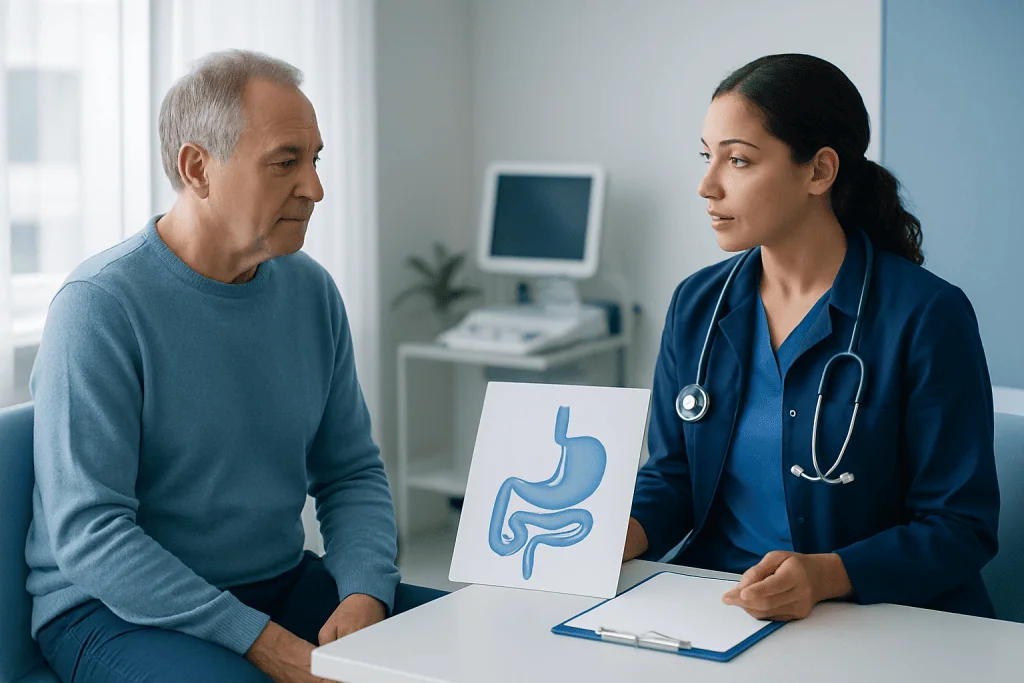
Before recommending Heller myotomy, clinicians confirm that achalasia is the cause of symptoms. A careful history is important because the pattern of dysphagia can offer useful clues. In achalasia, difficulty often affects both solid food and liquids, whereas some mechanical blockages initially affect solids more than liquids. However, symptoms alone cannot establish the diagnosis.
Upper endoscopy is commonly performed to examine the lining and opening of the esophagus and to rule out a physical narrowing or another condition that could mimic achalasia. During this test, a flexible camera is passed through the mouth while the person is sedated. Endoscopy may identify retained food, widening of the esophagus, inflammation, or abnormalities requiring biopsy.
High-resolution esophageal manometry is the key functional test for achalasia. It measures pressure and muscle coordination during swallowing and helps classify the condition into subtypes. A timed barium esophagram may also be used to show how well liquid passes through the esophagus and whether the organ is enlarged or shaped differently. Preoperative assessment also includes anesthesia evaluation, review of medicines, nutritional status, and any heart or lung conditions that could affect surgical planning.
How a Laparoscopic Heller Myotomy Is Performed
Heller myotomy is performed under general anesthesia, meaning the patient is asleep and does not feel the operation. Through small incisions in the abdomen, the surgeon introduces a camera and fine instruments. The upper stomach and lower esophagus are gently exposed so the muscular layers can be identified precisely.
The surgeon cuts the outer muscle layers of the lower esophagus while protecting the inner lining, called the mucosa. The muscle division usually extends across the lower esophageal sphincter and a short distance onto the stomach. This is important because the high-pressure area can involve both sides of the esophagus-stomach junction.
Many surgeons then perform a partial fundoplication, such as an anterior or posterior wrap. Unlike a complete wrap used in some reflux operations, a partial wrap is designed to reduce reflux while avoiding excessive resistance to swallowing. The exact approach varies according to anatomy, prior treatment, and the surgical team’s assessment. If the mucosal lining is accidentally opened, it can often be repaired during the same operation, with the postoperative plan adjusted as needed.
The operation length, hospital stay, and recovery experience vary. Patients are monitored after anesthesia for pain control, nausea, swallowing comfort, and signs of uncommon complications. Some surgical teams perform a contrast swallow study before starting oral intake, while others use this selectively based on the procedure and the person’s recovery.
Recovery, Eating and Daily Activities
Recovery after a minimally invasive Heller myotomy generally begins with a staged diet. The surgical team will provide specific instructions, but patients commonly start with clear liquids and then progress to fuller liquids, soft foods, and regular textures over time. Eating slowly, taking small bites, chewing thoroughly, and drinking fluids with meals can make the transition more comfortable.
Temporary soreness around the incisions, fatigue, shoulder-tip discomfort from the gas used during laparoscopic surgery, and mild swallowing changes can occur early in recovery. Prescribed pain relief, gentle walking, and avoiding heavy lifting until cleared by the surgeon can support healing. Patients should follow their individual instructions about wound care, bathing, driving, work, and physical exercise.
It is helpful to remain upright for a period after meals and avoid large late-night meals, particularly during the early healing phase. Some people may be advised to use acid-suppressing medication, especially if they develop reflux symptoms. Long-term dietary restrictions are not always necessary, but some individuals continue to find that careful eating habits improve comfort.
Follow-up appointments allow the care team to review symptoms, nutrition, weight, and possible reflux. If swallowing symptoms continue or return, further testing may be needed. This does not always mean the procedure has failed; symptoms can have several explanations, including healing-related swelling, reflux, scarring, incomplete muscle division, or progression of esophageal enlargement.
Benefits, Limitations and Possible Risks
For appropriately selected patients, Heller myotomy can provide meaningful, long-term relief from the swallowing difficulties caused by achalasia. Improved passage of food may help people eat more comfortably, maintain nutrition, sleep with less regurgitation, and participate more easily in everyday activities. The procedure treats the obstruction caused by the nonrelaxing muscle, but it does not restore the normal nerve function that is affected in achalasia.
As with any surgery, there are risks. These include bleeding, infection, reactions to anesthesia, blood clots, and injury to nearby structures. A specific surgical concern is a tear in the esophageal or stomach lining. Although surgeons take careful steps to prevent and identify this, a leak can require additional treatment and a longer recovery.
Gastroesophageal reflux disease is an important potential long-term issue because the procedure intentionally loosens the lower esophageal sphincter. A partial fundoplication may reduce this risk, but it cannot eliminate it completely. Heartburn, sour-tasting fluid in the mouth, cough, or throat irritation should be discussed with a clinician, as reflux may need lifestyle measures, medication, or further evaluation.
Symptoms may persist or recur in a minority of patients. Depending on the cause, treatment options can include medication for reflux, endoscopic dilation, repeat myotomy in selected cases, or other specialist-led care. Continued follow-up is particularly valuable for people with a significantly widened esophagus or longstanding achalasia.
When to Seek Medical Care
Anyone with ongoing difficulty swallowing should arrange a medical assessment, particularly if symptoms involve both liquids and solids or are accompanied by regurgitation. Early evaluation can identify achalasia and also rule out conditions that need different treatment. Unexplained weight loss, dehydration, repeated choking, persistent vomiting, or food becoming stuck are reasons to seek timely medical advice.
After Heller myotomy, patients should contact their surgical team promptly if they develop fever, worsening chest or abdominal pain, shortness of breath, repeated vomiting, inability to keep liquids down, increasing redness or drainage from an incision, or black or bloody stools. These symptoms do not always indicate a serious complication, but they need professional assessment.
Emergency care is appropriate for severe chest pain, trouble breathing, fainting, vomiting blood, or signs of a severe allergic reaction. People should not assume that chest pain is caused by achalasia or surgery; urgent causes, including heart-related conditions, need to be considered. Acibadem International’s multidisciplinary specialists and JCI-accredited hospitals provide diagnostic assessment and treatment planning for international patients with swallowing disorders, including achalasia.
Frequently asked questions
Is Heller myotomy a cure for achalasia?
Heller myotomy can provide durable symptom relief by reducing the tightness at the lower end of the esophagus. However, it does not reverse the underlying nerve-related changes in achalasia, so it is generally considered an effective treatment rather than a complete cure. Ongoing follow-up remains important.
How is Heller myotomy different from POEM?
Both Heller myotomy and POEM divide muscle fibers to improve esophageal emptying. Heller myotomy is performed through small abdominal incisions and can include a partial fundoplication to help limit reflux. POEM is performed endoscopically through the mouth and does not usually include an anti-reflux wrap.
Will reflux happen after Heller myotomy?
Reflux can occur because the lower esophageal sphincter is loosened during the procedure. A partial fundoplication is often performed to reduce this risk, but it does not prevent reflux in every person. New heartburn, regurgitation, cough, or throat symptoms should be discussed during follow-up.
How long does it take to recover from Heller myotomy?
Recovery varies according to the surgical approach, a person's general health, and whether there were any complications. Many people gradually increase activity over the following weeks and advance their diet in stages under their surgical team's guidance. Full recovery and return to usual eating patterns may take longer for some individuals.
What can a person eat after Heller myotomy?
The diet usually starts with liquids and advances gradually to soft foods and then more regular foods as healing progresses. Specific timing differs between surgical teams and depends on the individual recovery. Small portions, slow eating, thorough chewing, and adequate fluids are commonly recommended during the transition.
Can achalasia symptoms return after surgery?
Yes, symptoms can sometimes persist or return months or years after treatment. Causes may include reflux, scarring, incomplete muscle division, changes in esophageal function, or another swallowing condition. A gastroenterologist or surgeon can use symptom review, endoscopy, manometry, or imaging to determine the cause and discuss options.
This article is for general information only and is not a substitute for professional medical advice. Please consult a qualified doctor about your individual situation.
Explore treatments in Turkey — costs, top hospitals & a free quote
JCI-accredited · board-certified surgeons · reply within 24h
Add us as a Preferred Source to see more of our trusted health content across Google Search, AI Overviews and Discover.

More from the Health Library

Dimple in the Buttocks — Explained by Medical Evidence, Not Myths

Steam Room: An Evidence-Based Guide for Patients

Milk Bath: What Patients Need to Know

Best Workout for Abs: An Evidence-Based Guide for Patients

Lung Consolidation: A Complete Medical Overview