Aerobic Exercise — Explained by Medical Evidence, Not Myths

Aerobic exercise includes activities such as brisk walking, cycling, swimming, dancing, and jogging. Regular aerobic exercise can improve cardiovascular fitness, blood pressure, blood sugar control, sleep, mood, and stamina.
Key Takeaways
- Aerobic exercise includes activities such as brisk walking, cycling, swimming, dancing, and jogging.
- Regular aerobic exercise can improve cardiovascular fitness, blood pressure, blood sugar control, sleep, mood, and stamina.
- Most adults benefit from moderate weekly aerobic activity, built up gradually and adjusted for health conditions.
- Intensity matters more than speed alone; a person should choose a level that is safe, sustainable, and appropriate for their goals.
- Warning symptoms during exercise include chest pain, severe shortness of breath, fainting, or dizziness and should prompt medical evaluation.
Aerobic exercise is sustained, rhythmic movement that uses large muscle groups and increases breathing and heart rate in a controlled way. Medical evidence shows it supports heart, lung, metabolic, brain, and emotional health when matched to a person’s age, fitness, and medical needs.
What aerobic exercise is and why it matters
Aerobic exercise is physical activity performed continuously for long enough that the body mainly uses oxygen to produce energy. In practical terms, it is usually any rhythmic movement involving large muscle groups—such as walking, cycling, swimming, or dancing—that raises the heart rate and breathing rate in a steady, manageable way.
This matters because the body adapts to repeated aerobic activity. Over time, the heart pumps more efficiently, muscles use oxygen better, blood vessels function more effectively, and everyday tasks may feel easier. These changes are linked to lower risks of many long-term health problems and better overall well-being.
The term is often used interchangeably with “cardio,” but aerobic exercise is best understood by function rather than trend. It is not limited to running, gym classes, or intense workouts. For many people, a brisk daily walk is a meaningful form of aerobic exercise when it is done regularly and at the right intensity.
How aerobic exercise helps the body
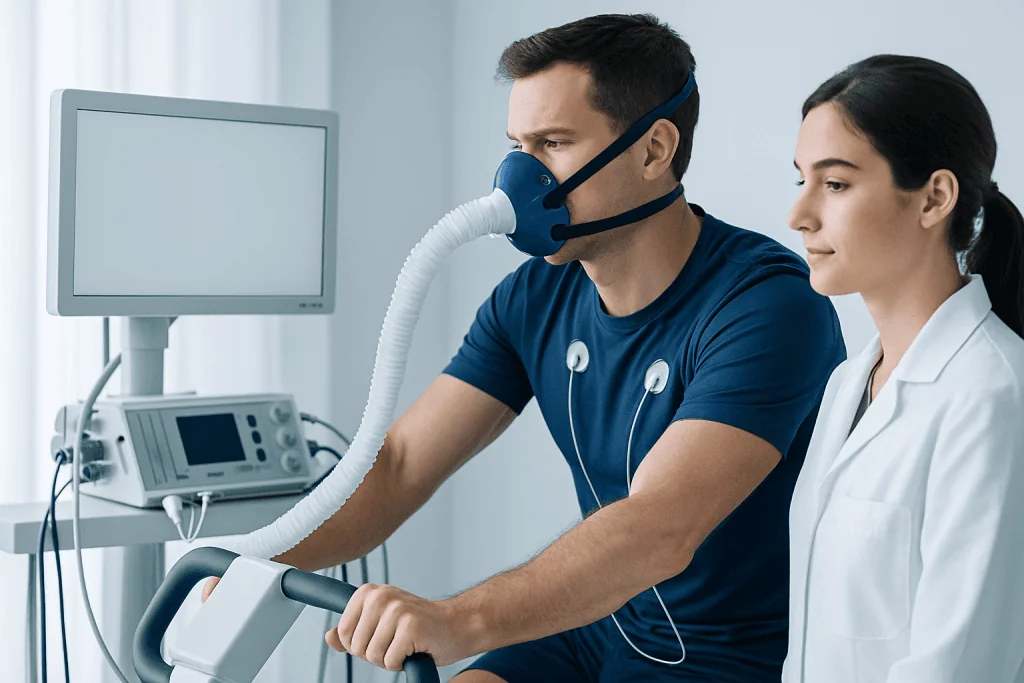
Medical evidence supports aerobic exercise as a foundation of preventive health. It can strengthen the cardiovascular system, improve circulation, and help lower blood pressure over time. It also supports healthier cholesterol patterns and can reduce strain on the heart when practiced consistently.
Aerobic exercise also helps regulate metabolism. It improves insulin sensitivity, helps the body use glucose more effectively, and can support weight management when combined with balanced nutrition. For people at risk of or living with diabetes, regular movement is often an important part of a broader care plan.
Benefits extend beyond the heart and metabolism. Many people notice better energy, sleep quality, stress control, and mood. Evidence also suggests aerobic activity supports brain health, including attention, memory, and healthy aging. These benefits can develop even without dramatic athletic goals.
- Supports heart and blood vessel health
- Improves stamina and physical endurance
- Helps with blood sugar regulation
- May aid weight control and body composition
- Can reduce stress and improve mood
- Supports sleep and cognitive function
Examples of aerobic exercise and how intensity is measured

Common examples include brisk walking, hiking, cycling, swimming, water aerobics, dancing, jogging, rowing, and low-impact fitness classes. Everyday activities can also count if they are sustained and challenging enough, such as climbing stairs or walking quickly during commuting. The best choice is usually one that fits a person’s joints, schedule, and preferences.
Intensity is often described as light, moderate, or vigorous. Moderate intensity usually means breathing faster but still being able to talk in short sentences. Vigorous intensity makes speaking more difficult and feels substantially harder. Heart rate can be used to guide effort, but many people do well with simpler cues such as the “talk test” and perceived exertion.
Aerobic exercise does not need to be extreme to be effective. In fact, sustainable moderate activity is often more realistic and safer for beginners, older adults, and people with chronic conditions. Some people may combine aerobic exercise with cardiac rehabilitation or supervised exercise plans if they are returning to activity after illness.
How much aerobic exercise is usually recommended
For most adults, general public health guidance supports a weekly total of moderate-intensity aerobic activity, vigorous activity, or a combination of both. The total can be divided across the week in shorter sessions. What matters most is consistency and gradual progress rather than trying to do too much at once.
Beginners often benefit from starting with shorter durations at a comfortable pace. Even 10 to 15 minutes at a time can be a practical starting point if longer sessions feel difficult. As fitness improves, duration, frequency, or intensity can be increased step by step. This approach lowers the chance of overuse injuries and makes the habit easier to maintain.
Children, older adults, pregnant individuals, and people with chronic disease may need tailored advice. People with joint pain may prefer low-impact activities such as cycling or swimming, while those with respiratory or heart disease may need formal assessment before increasing intensity. If goals include fitness improvement or weight loss, a clinician or exercise professional can help individualize the plan.
Who should be cautious and how to start safely
Most people can safely begin some level of aerobic exercise, but certain situations call for added caution. This includes a history of heart disease, stroke, uncontrolled high blood pressure, significant lung disease, unexplained fainting, severe anemia, or symptoms that appear with exertion. People who have been inactive for a long time may also benefit from medical guidance before starting vigorous routines.
A safe start usually includes a warm-up, a manageable pace, and gradual progression. Supportive footwear, hydration, weather awareness, and proper technique all matter. Rest and recovery are also part of safe training, especially when increasing frequency or intensity.
Some people need a more structured evaluation, such as assessment by a check-up and screening program or referral for physical therapy and rehabilitation when pain, weakness, or balance problems limit activity. Personalized plans can be especially useful after injury, surgery, or long periods of inactivity.
Common myths about aerobic exercise
One common myth is that only high-intensity workouts improve health. In reality, moderate aerobic exercise performed regularly can provide substantial benefits. Vigorous training may suit some people, but it is not required for everyone and is not always the safest starting point.
Another myth is that exercise only “counts” if it leads to weight loss. Body weight is just one outcome and may change slowly or not reflect important internal improvements. Better blood pressure, improved stamina, enhanced mood, and stronger metabolic health are meaningful benefits even when the scale changes little.
It is also a misconception that people with chronic conditions should avoid exercise altogether. For many conditions, carefully selected aerobic activity is helpful rather than harmful. The key is appropriate evaluation and the right level of supervision, especially for people with high blood pressure or known heart disease.
Practical self-care tips for building a lasting routine
Successful routines are usually simple, realistic, and enjoyable. Choosing an activity that fits daily life often works better than chasing an ideal program that is hard to sustain. Walking after meals, cycling on weekends, or taking a scheduled swim may be easier to maintain than infrequent demanding workouts.
Tracking progress can help motivation. Some people use step counts, distance, time, or how hard the exercise feels. Others focus on practical signs of improvement, such as climbing stairs more comfortably or needing less recovery time. Setting small, achievable goals usually works better than trying to transform everything at once.
Pairing aerobic exercise with other healthy habits can increase overall benefit. Balanced nutrition, enough sleep, smoking cessation, and stress management all support cardiovascular and metabolic health. Near the end of a care journey, some international patients may also seek coordinated advice from Acibadem International, where multidisciplinary specialists in JCI-accredited hospitals diagnose and manage exercise-related and chronic health concerns.
When to seek medical care
Medical review is important if exercise causes chest pain, pressure, fainting, severe dizziness, marked palpitations, unusual shortness of breath, or symptoms that do not settle with rest. These signs do not always mean a serious problem, but they should not be ignored. People with known heart or lung disease should also ask a clinician what level of exercise is appropriate for them.
It is also sensible to seek care for ongoing joint pain, swelling, repeated injuries, or exhaustion that interferes with recovery. A doctor may look for contributing problems such as anemia, thyroid disease, overtraining, poor conditioning, or an underlying cardiovascular issue. Early evaluation often helps people return to activity more safely and confidently.
If there are concerns about symptoms during exertion, doctors may recommend further assessment such as examination, blood pressure review, blood tests, or cardiology input. Prompt guidance is especially important for older adults, people with multiple medical conditions, and anyone starting exercise after a major illness.
Frequently asked questions
What is the difference between aerobic exercise and anaerobic exercise?
Aerobic exercise is sustained activity that relies mainly on oxygen-based energy production and can usually be continued for longer periods. Anaerobic exercise is shorter, higher-intensity effort, such as sprinting or heavy lifting, where the body relies more on energy pathways that do not require oxygen in the same way. Both can be useful, but aerobic exercise is the main form associated with endurance and cardiovascular fitness.
Is walking considered aerobic exercise?
Yes, walking can be aerobic exercise if it is brisk enough to raise the heart rate and breathing rate for a sustained period. A slow stroll may be light activity, while faster walking on flat ground or hills may reach moderate intensity. The pace should be appropriate for the individual’s fitness and symptoms.
Can aerobic exercise help lower blood pressure?
Regular aerobic exercise can help lower blood pressure over time in many people, especially when combined with healthy eating, sleep, and medical care when needed. It improves blood vessel function and overall cardiovascular fitness. People with very high or unstable blood pressure should ask a doctor what type and intensity are safest.
How quickly do the benefits of aerobic exercise appear?
Some people notice early benefits such as better mood, improved sleep, or slightly more energy within days to weeks. Measurable fitness and metabolic changes usually build over several weeks of consistent practice. The timeline varies depending on starting fitness, intensity, frequency, and any underlying health conditions.
Is aerobic exercise safe for older adults?
In many cases, yes. Older adults often benefit significantly from regular aerobic activity because it supports heart health, mobility, endurance, and independence. The safest approach is to begin gradually, choose joint-friendly activities when needed, and seek medical advice if there is heart disease, balance difficulty, or unexplained symptoms.
Should someone exercise when they are sick?
It depends on the illness and symptoms. Mild upper respiratory symptoms may allow light activity in some people, but fever, chest symptoms, marked fatigue, vomiting, dizziness, or body aches are reasons to rest and recover first. If symptoms are significant or there is any concern about the heart or lungs, medical advice is appropriate.
References
- World Health Organization
- American Heart Association
- Centers for Disease Control and Prevention
- American College of Sports Medicine
- National Institutes of Health
This article is for general information only and is not a substitute for professional medical advice. Please consult a qualified doctor about your individual situation.
Heart care in Turkey — expert evaluation and treatment
JCI-accredited · board-certified surgeons · reply within 24h
Add us as a Preferred Source to see more of our trusted health content across Google Search, AI Overviews and Discover.
Check your numbers in seconds
BMI, calories, due date, blood pressure and 30+ more clinical calculators — free, instant, doctor-reviewed ranges.