Type 2 Diabetes: A Complete Medical Overview

Type 2 diabetes develops when insulin resistance and reduced insulin production cause blood sugar to stay too high. Symptoms may be mild at first, so many people are diagnosed through routine blood tests.
Key Takeaways
- Type 2 diabetes develops when insulin resistance and reduced insulin production cause blood sugar to stay too high.
- Symptoms may be mild at first, so many people are diagnosed through routine blood tests.
- Treatment usually combines nutrition, physical activity, weight management, monitoring, and medication when needed.
- Good long-term control can help protect the heart, kidneys, eyes, nerves, and blood vessels.
- Regular follow-up is important because treatment needs can change over time.
Type 2 diabetes is a long-term condition in which the body does not use insulin effectively and, over time, may not make enough of it. With early diagnosis, healthy lifestyle changes, regular monitoring, and appropriate treatment, many people can manage blood sugar well and reduce the risk of complications.
Overview
Type 2 diabetes is a chronic metabolic condition in which blood glucose, also called blood sugar, remains higher than normal. This happens mainly because the body becomes resistant to insulin, the hormone that helps glucose move from the blood into cells for energy. Over time, the pancreas may also produce less insulin, making blood sugar control more difficult.
In many people, type 2 diabetes develops gradually. It may begin with prediabetes, a stage in which blood sugar is higher than normal but not yet in the diabetes range. Because this process can be slow, a person may feel well for years before symptoms become noticeable.
Type 2 diabetes is different from type 1 diabetes. In type 1 diabetes, the body’s immune system attacks insulin-producing cells, so insulin treatment is needed from diagnosis. In type 2 diabetes, the problem usually starts with insulin resistance, and treatment may include lifestyle changes, tablets, injectable medicines, and sometimes insulin later on.
When managed well, type 2 diabetes does not have to define daily life. Early diagnosis and steady follow-up can help lower the risk of complications affecting the heart, kidneys, nerves, blood vessels, and eyes.
Symptoms and Early Signs
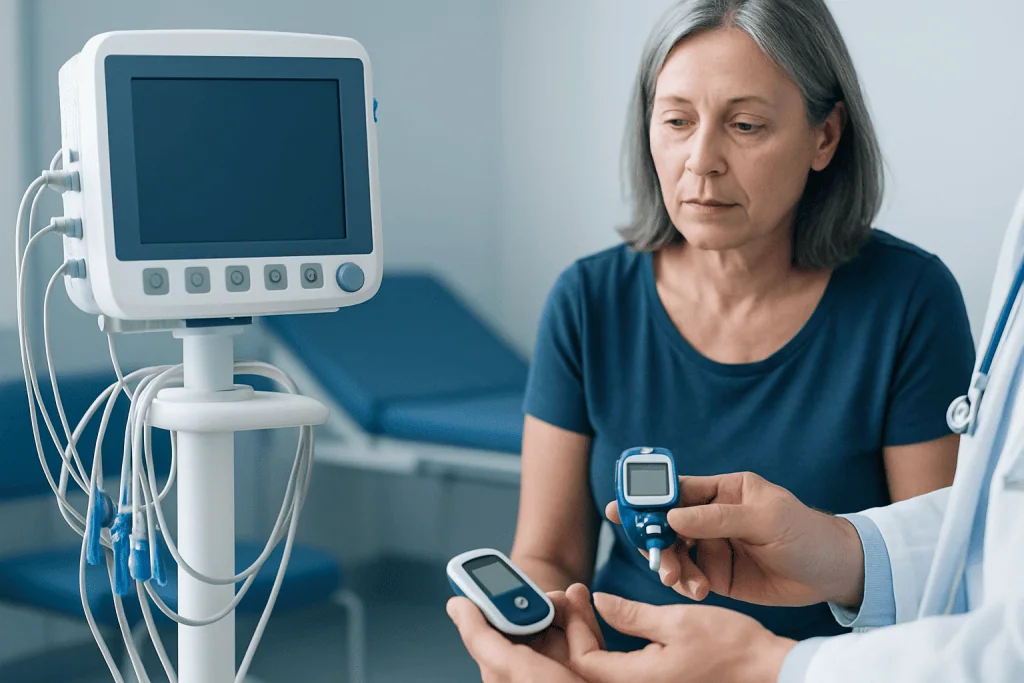
Type 2 diabetes symptoms can be subtle, especially in the early stages. Some people learn they have the condition only after a routine blood test. Others notice changes that seem minor at first, such as feeling more tired than usual or needing to urinate more often.
Common symptoms include increased thirst, frequent urination, increased hunger, tiredness, blurred vision, and slow-healing cuts or infections. Some people may also experience numbness or tingling in the hands or feet, recurrent skin infections, or unexplained weight changes. Darkened patches of skin, especially around the neck or underarms, can sometimes be a sign of insulin resistance.
Because symptoms can overlap with many other conditions, they should not be used to self-diagnose. Blood testing is needed to confirm whether high blood sugar is present and whether it is in the range for prediabetes or diabetes.
- Increased thirst and dry mouth
- Frequent urination, especially at night
- Fatigue or low energy
- Blurred vision
- Slow wound healing
- Frequent infections
- Numbness or tingling in the feet or hands
Why Type 2 Diabetes Happens

The main underlying cause of type 2 diabetes is insulin resistance. This means the body’s cells, especially in muscle, liver, and fat tissue, do not respond to insulin as effectively as they should. To compensate, the pancreas makes more insulin. Over time, the pancreas may no longer keep up with the body’s needs, and blood sugar starts to rise.
Several factors increase the risk of developing type 2 diabetes. These include excess body weight, especially around the abdomen, physical inactivity, a family history of diabetes, increasing age, and a history of prediabetes. Some ethnic backgrounds have a higher risk, and certain medical conditions, such as high blood pressure, abnormal cholesterol levels, fatty liver disease, and polycystic ovary syndrome, are also linked to insulin resistance.
Type 2 diabetes is not caused by sugar alone, and it is not simply a matter of willpower. It develops through a combination of genetics, metabolism, lifestyle, and environmental influences. Understanding this can help reduce stigma and support a more realistic, compassionate approach to care.
People who live with obesity, have a history of gestational diabetes, or have cardiovascular risk factors may benefit from broader metabolic assessment. In some cases, evaluation by specialists in weight management treatment may be considered as part of a long-term plan when appropriate.
How Doctors Diagnose It
Type 2 diabetes is diagnosed with blood tests rather than symptoms alone. The most commonly used tests are fasting plasma glucose, HbA1c, and the oral glucose tolerance test. A random blood glucose test may also help in someone with classic symptoms of high blood sugar.
HbA1c reflects average blood sugar levels over the previous two to three months, making it useful for both diagnosis and follow-up. Fasting glucose measures blood sugar after not eating for at least eight hours. An oral glucose tolerance test checks how the body handles glucose over time after drinking a glucose-containing liquid.
Once diabetes is diagnosed, doctors often assess overall health and look for conditions that commonly occur alongside it. This may include blood pressure measurement, cholesterol testing, kidney function tests, urine testing for protein, foot examination, and a dilated eye exam. These checks help build a full picture of metabolic health rather than focusing only on a single number.
In some cases, additional investigations may be needed if the presentation is unusual or if another form of diabetes is suspected. A personalized assessment is important because treatment choices depend on age, symptoms, other health conditions, and the presence of complications.
Treatment Options and Long-Term Management
Treatment for type 2 diabetes aims to keep blood sugar in a healthy range and reduce the risk of complications. For many people, the foundation of care includes balanced eating, regular physical activity, weight management, good sleep, and not smoking. Even modest improvements in daily habits can make a meaningful difference.
Medicines may also be needed. Doctors choose them based on blood sugar levels, body weight, kidney function, heart health, and personal preferences. Some medicines help the body use insulin better, some increase insulin release, and others reduce glucose production or improve how the kidneys handle glucose. Some people eventually need insulin, either temporarily or long term, especially if blood sugar remains high despite other treatments.
Regular monitoring is a key part of management. This may involve home glucose checks for some patients, periodic HbA1c testing, and routine follow-up visits. The care plan often changes over time because type 2 diabetes is a progressive condition. Treatment may also include support from dietitians, diabetes educators, and specialists in endocrinology care.
When diabetes affects the heart, kidneys, eyes, or circulation, specialist care may be needed. Some people with advanced obesity and difficult-to-control diabetes may be evaluated for metabolic surgery as part of a broader treatment strategy. Management should always be individualized and guided by a qualified clinician.
Complications, Prevention, and Daily Self-Care
If blood sugar stays high for many years, type 2 diabetes can damage blood vessels and nerves. This can increase the risk of heart disease, stroke, kidney disease, vision loss, nerve damage, and foot problems. However, these complications are not inevitable. Good blood sugar control, blood pressure management, cholesterol treatment when needed, and healthy lifestyle habits can significantly reduce risk.
Daily self-care focuses on practical, sustainable routines. Helpful measures include choosing high-fiber foods, limiting highly processed foods, staying physically active most days of the week, taking medicines as prescribed, and attending regular checkups. Foot care is also important, especially for anyone with numbness or reduced circulation. Looking for cuts, blisters, or sores early can help prevent more serious problems.
Prevention is especially important for people with prediabetes or strong risk factors. Weight loss where appropriate, exercise, and a balanced eating pattern can delay or prevent the development of diabetes. Screening may be advised for adults with risk factors even if they feel well, because early stages often have no symptoms.
People already diagnosed with diabetes may also benefit from coordinated care for related conditions such as high blood pressure or obesity. Near the end of the care pathway, some international patients choose centers such as Acibadem International, where multidisciplinary specialists in JCI-accredited hospitals diagnose and treat type 2 diabetes and its related health issues.
When to Seek Medical Care
A person should arrange medical evaluation if they have symptoms such as unusual thirst, frequent urination, blurred vision, persistent fatigue, or slow-healing wounds. Medical advice is also important for anyone with risk factors such as obesity, a strong family history, past gestational diabetes, or abnormal blood pressure or cholesterol levels.
People already diagnosed with type 2 diabetes should seek prompt care if blood sugar readings are repeatedly much higher than their usual range, if they develop vomiting, dehydration, confusion, chest pain, shortness of breath, or signs of infection. New numbness, foot sores, sudden vision changes, or reduced urine output also deserve timely attention.
Routine follow-up matters even when a person feels well. Diabetes can affect the body quietly over time, so regular blood tests, eye exams, kidney checks, and foot assessments are part of safe long-term care. A doctor can help adjust treatment, answer questions, and support realistic goals.
Frequently asked questions
What is type 2 diabetes in simple terms?
Type 2 diabetes is a condition in which the body cannot use insulin properly, and over time may not make enough of it. As a result, sugar builds up in the blood instead of moving into cells for energy.
Can type 2 diabetes develop without symptoms?
Yes. Many people have no clear symptoms in the early stages and are diagnosed during routine blood testing. That is why screening can be important for people with risk factors.
Is type 2 diabetes reversible?
Some people can bring blood sugar levels back into a non-diabetic range through significant lifestyle changes, weight loss, or certain medical treatments. This is often called remission rather than a cure, because blood sugar can rise again over time and ongoing follow-up is still needed.
Will everyone with type 2 diabetes need insulin?
No. Many people manage type 2 diabetes with lifestyle changes and non-insulin medicines. However, some people need insulin later if the pancreas produces less insulin over time or during periods of illness or stress.
What foods should a person with type 2 diabetes avoid?
There is usually no single forbidden food list, but limiting sugary drinks, highly processed snacks, and large portions of refined carbohydrates can help. A doctor or dietitian can help create an eating plan that fits medical needs, culture, and daily routine.
How often should someone with type 2 diabetes see a doctor?
The schedule depends on blood sugar control, treatment type, and other health conditions. Many people need regular follow-up every few months, along with periodic eye exams, kidney checks, and foot assessments.
References
- American Diabetes Association
- National Institute of Diabetes and Digestive and Kidney Diseases
- Centers for Disease Control and Prevention
- World Health Organization
- International Diabetes Federation
This article is for general information only and is not a substitute for professional medical advice. Please consult a qualified doctor about your individual situation.
Type 2 Diabetes in Turkey — costs, top hospitals & a free quote
JCI-accredited · board-certified surgeons · reply within 24h
Add us as a Preferred Source to see more of our trusted health content across Google Search, AI Overviews and Discover.
Check your numbers in seconds
BMI, calories, due date, blood pressure and 30+ more clinical calculators — free, instant, doctor-reviewed ranges.

Check-up & Preventive Medicine
Comprehensive health screenings designed for early detection and prevention.
1 specialists in this unit