

Anxious and Panic Attacks: An Evidence-Based Guide for Patients
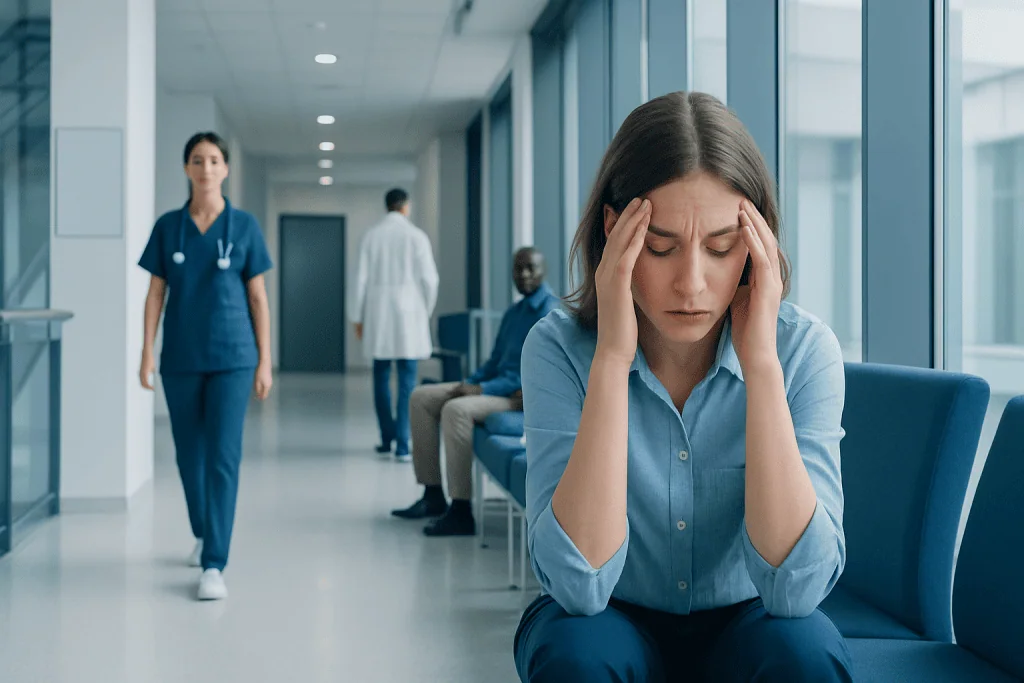
Panic attacks are sudden surges of intense fear with physical symptoms such as a racing heart, shortness of breath, trembling, or dizziness. Many people use the phrase “anxiety attack,” but it is not a formal medical diagnosis; panic attacks are clearly defined in clinical practice.
Key Takeaways
- Panic attacks are sudden surges of intense fear with physical symptoms such as a racing heart, shortness of breath, trembling, or dizziness.
- Many people use the phrase “anxiety attack,” but it is not a formal medical diagnosis; panic attacks are clearly defined in clinical practice.
- Not every episode is caused by a mental health condition, so repeated or severe symptoms should be medically assessed.
- Treatment may include education, psychotherapy, stress-management techniques, and sometimes medication.
- Urgent medical care is important for chest pain, fainting, new neurologic symptoms, or symptoms that could suggest another emergency.
Anxious and panic attacks are episodes of intense fear, physical discomfort, or emotional overwhelm that can come on suddenly and feel frightening. They are real medical concerns, often manageable with the right evaluation, and many people improve with education, coping strategies, and professional treatment when needed.
Overview: what anxious and panic attacks mean
Anxious and panic attacks describe episodes in which a person feels suddenly overwhelmed by fear, physical tension, or a sense that something is seriously wrong. In everyday language, people often say “anxiety attack” to describe escalating worry or distress. In medicine, however, the better-defined term is panic attack, which refers to a sudden wave of intense fear or discomfort that peaks within minutes and may happen with or without a clear trigger.
These episodes can be deeply unsettling because they often cause strong body symptoms as well as emotional distress. A person may feel their heart pounding, struggle to catch their breath, shake, sweat, or fear they are losing control. Even though panic attacks themselves are not usually dangerous, they should not be dismissed automatically, because some symptoms can overlap with heart, lung, thyroid, or neurologic conditions.
For some people, attacks happen during periods of stress, lack of sleep, illness, grief, or major life change. For others, they recur unexpectedly and may become part of a condition such as panic disorder or another anxiety disorder. The important point is that these episodes are real, common, and treatable, and a calm medical evaluation can help identify the cause and the most appropriate care.
Common symptoms and how they may feel
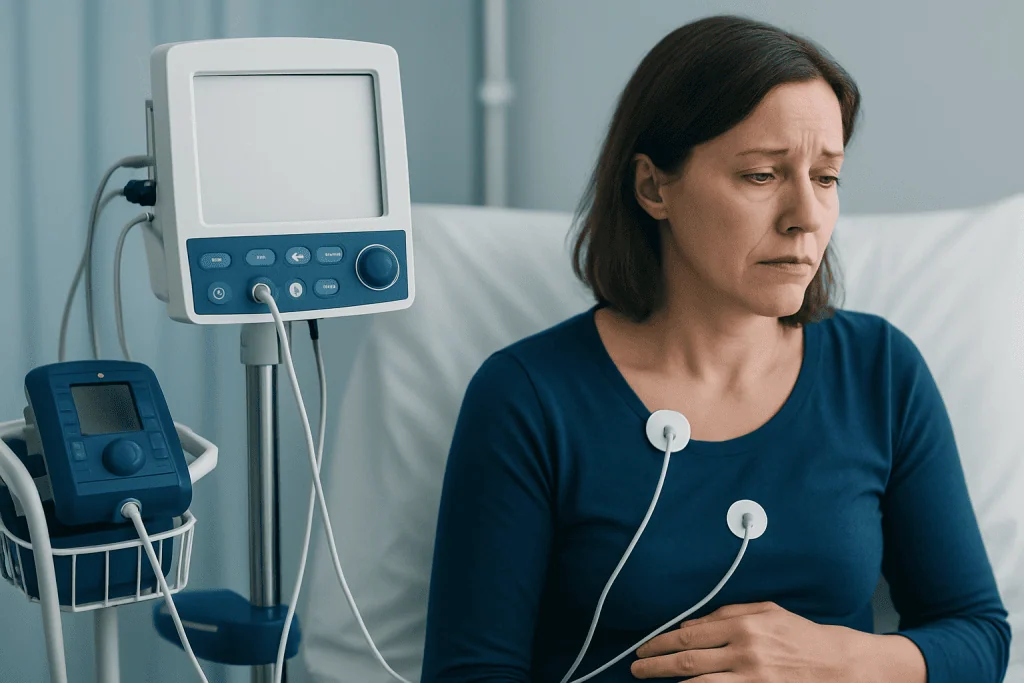
Panic attacks often begin suddenly. Symptoms may reach their most intense point within minutes and can include a racing or pounding heartbeat, chest discomfort, sweating, trembling, chills, shortness of breath, nausea, dizziness, tingling, or a sense of unreality. Emotionally, a person may feel terrified, trapped, detached, or convinced that something catastrophic is about to happen.
Some people mainly experience intense physical symptoms, while others notice a stronger emotional or cognitive component, such as fear of fainting, fear of dying, or fear of “going crazy.” Episodes vary in length, but the most intense phase is usually brief. Afterward, it is common to feel drained, shaky, embarrassed, or worried about another attack.
Although people often use the terms interchangeably, anxious feelings are usually more gradual and tied to worry, while a panic attack tends to be abrupt and intense. Both can interfere with daily life. People may begin avoiding exercise, crowded places, travel, or situations associated with previous attacks, especially if they are concerned about being unable to get help quickly.
- Fast heartbeat or palpitations
- Shortness of breath or a choking sensation
- Chest pain or tightness
- Trembling, sweating, or chills
- Dizziness, nausea, or tingling
- Fear of losing control or dying
Why attacks happen: causes, triggers, and risk factors

Anxious and panic attacks do not have a single cause. They often result from a combination of biology, stress, life experience, and learned body responses. Some people are more sensitive to normal body sensations such as a faster heartbeat after caffeine, exercise, or emotional stress. If these sensations are interpreted as dangerous, fear can escalate quickly and trigger a cycle of worsening symptoms.
Common triggers include prolonged stress, sleep deprivation, grief, trauma, relationship difficulties, work pressure, stimulant use, alcohol withdrawal, and excess caffeine or nicotine. Certain medical conditions can also contribute, including thyroid problems, heart rhythm disturbances, asthma, chronic pain, and hormonal changes. Some medicines or recreational substances may provoke similar symptoms as well.
Risk may be higher in people with a personal or family history of anxiety, depression, trauma exposure, or prior panic attacks. Panic attacks can also occur alongside other conditions such as depression or phobias. Because the same symptoms may have more than one explanation, evaluating both mental and physical health is often the safest approach.
How doctors evaluate anxious and panic attacks
Diagnosis begins with a detailed history. A clinician will usually ask what the episode felt like, how quickly it started, how long it lasted, whether there were triggers, and whether there are patterns such as episodes during rest, exercise, travel, or sleep. They may also ask about current stress, past trauma, sleep habits, caffeine or alcohol use, medications, and any previous mental health symptoms.
A physical examination helps look for signs of other medical problems. Depending on the symptoms, a doctor may recommend tests such as blood work, thyroid testing, or an electrocardiogram to assess heart rhythm. This is especially important if symptoms are new, severe, happening later in life for the first time, or associated with fainting, persistent chest pain, or known medical disease.
The goal of evaluation is not simply to label symptoms as anxiety, but to rule out conditions that can mimic panic and to identify whether recurring episodes fit panic disorder or another mental health condition. In some cases, a person may benefit from assessment by a mental health specialist, particularly if attacks are frequent, causing avoidance, or occurring with low mood, trauma symptoms, or significant functional impairment.
If a broader workup is needed, clinicians may use diagnostic imaging or cardiopulmonary testing when symptoms suggest another underlying condition. A structured evaluation can be reassuring because it helps guide treatment and reduces uncertainty.
Treatment options that can help
Treatment depends on the pattern and cause of symptoms. For isolated episodes linked to stress, education and practical coping skills may be enough. When attacks recur, interfere with work or school, or lead to avoidance of normal activities, structured treatment is often helpful. The most established non-drug treatment is psychotherapy, especially cognitive behavioral therapy, which teaches people to understand panic symptoms, respond differently to body sensations, and reduce fear-driven avoidance.
Medication may also be considered, particularly when symptoms are frequent, severe, or occurring alongside depression or generalized anxiety. A doctor or psychiatrist may discuss options such as anti-anxiety or antidepressant medicines, weighing likely benefits, side effects, and the person’s overall medical history. Medication decisions should always be individualized and monitored by a qualified clinician.
Many people improve with a combination of therapy, sleep support, gradual exposure to feared situations, and attention to overall health habits. In selected cases, care may involve psychiatry or psychology services to develop a treatment plan and track progress over time. Recovery does not always mean symptoms disappear immediately; it often means that attacks become less frequent, less intense, and less disruptive.
Self-care strategies and prevention
Self-care cannot replace professional treatment when symptoms are severe, but it can reduce vulnerability to attacks and help people feel more in control. Regular sleep, balanced meals, hydration, physical activity, and limiting stimulants such as caffeine can make a meaningful difference. It may also help to keep a simple symptom diary noting time of day, triggers, food or drinks, sleep quality, and what helped the episode pass.
During an episode, gentle grounding techniques may help reduce the spiral of fear. Examples include slowing the exhale, naming five things that can be seen or heard, relaxing shoulder and jaw muscles, or reminding oneself that the episode is intense but temporary. People often find it helpful to avoid repeatedly checking pulse or searching symptoms online in the moment, because these habits can increase alarm.
Longer-term prevention focuses on reducing avoidance. If someone stops driving, exercising, traveling, or entering crowded places because of fear of another attack, the problem can become more limiting. Guided strategies through therapy can help a person gradually return to normal activities safely and confidently, rather than organizing life around fear.
For people seeking coordinated care, Acibadem International’s multidisciplinary specialists and JCI-accredited hospitals evaluate and treat mental and physical conditions that may contribute to panic symptoms in international patients.
When to seek medical care
Medical care is important if anxious and panic attacks are new, recurrent, or disrupting daily life. A doctor should assess symptoms that are becoming more frequent, causing missed work or school, leading to avoidance of normal activities, or occurring together with persistent sadness, substance use, or significant sleep problems. Professional support is also important if a person fears self-harm or feels unable to cope.
Urgent care is needed right away for chest pain that does not quickly ease, fainting, severe shortness of breath, new weakness, confusion, seizure-like activity, or symptoms after substance use or medication changes. These may point to a medical emergency rather than a panic attack. When in doubt, it is safer to seek immediate evaluation.
Even when symptoms do turn out to be panic-related, medical review can still be valuable. A clear explanation, a treatment plan, and reassurance that serious causes have been considered can reduce fear of future episodes and support recovery.
Frequently asked questions
What is the difference between an anxiety attack and a panic attack?
In everyday language, people often say “anxiety attack” to describe a period of intense worry or distress. In clinical practice, “panic attack” is the formal term for a sudden surge of fear or discomfort that peaks quickly and includes physical symptoms such as a racing heart, trembling, or shortness of breath.
Can a panic attack feel like a heart attack?
Yes. Panic attacks can cause chest tightness, palpitations, sweating, dizziness, and breathlessness, which can feel similar to heart-related symptoms. Because of this overlap, new or severe symptoms should be medically evaluated, especially in people with cardiac risk factors or persistent chest pain.
How long do panic attacks usually last?
The most intense part of a panic attack usually peaks within minutes. Some symptoms may fade quickly, while shakiness, tiredness, or lingering fear can last longer afterward.
Are anxious and panic attacks dangerous?
The attacks themselves are not usually physically dangerous, but they can feel very frightening and may lead to avoidance, distress, or reduced quality of life. They can also resemble other medical problems, so repeated or first-time episodes should not be ignored.
What can a person do during a panic attack?
It may help to focus on slow, steady breathing, especially a longer exhale, and to use grounding techniques such as noticing nearby sights or sounds. Reminding oneself that the episode is temporary can also reduce fear, but ongoing or frequent attacks should still be discussed with a doctor.
When should someone see a doctor for panic symptoms?
A doctor should be seen if symptoms are new, recurrent, getting worse, or affecting work, school, sleep, or daily activities. Immediate medical attention is important for fainting, severe chest pain, new neurologic symptoms, or anything that might suggest an emergency rather than panic.
References
- National Institute of Mental Health
- American Psychiatric Association
- National Health Service
- Mayo Clinic
- World Health Organization
This article is for general information only and is not a substitute for professional medical advice. Please consult a qualified doctor about your individual situation.
Panic Attack in Turkey — costs, top hospitals & a free quote
JCI-accredited · board-certified surgeons · reply within 24h
Add us as a Preferred Source to see more of our trusted health content across Google Search, AI Overviews and Discover.

More from the Health Library



Related Specialists

Assoc. Prof. Dr. Elif Ganime Aygün
Gynecology & Obstetrics
Dr. Şirin Efe
Clinical Laboratory
Prof. Dr. Burak Akan
Orthopedic Surgery & Traumatology
Assoc. Prof. Dr. Bedriye Koyuncu Sökmen
Gastrointestinal Oncology Unit Clinical Service